REVIEW · NUSA PENIDA
3-Day Freediving Level 1 Course
Book on Viator →Operated by Freedive Nusa · Bookable on Viator
Hook: This is calm, focused training.
On Nusa Penida, you get a 3-day Level 1 breath-hold course built around safety-first technique: land theory, pool work, then open-ocean sessions. Two things I really like are the small groups (max four students per instructor) and the fact you’re not left guessing—equipment, certification, and digital learning materials are included. One possible drawback to plan for is that lunch and private transportation aren’t included, so you’ll need to sort meals and logistics for the day.
The schedule runs long enough to make progress, from 8:30 to 16:30 with a break for lunch. You learn breath control in stages, and the training is designed so most students can reach about 50–65 feet (15–20 meters) and hold their breath over 2 minutes by the end. If you’re only moderately fit, that’s totally okay—but you should be comfortable swimming, since that’s the only hard requirement stated.
Key takeaways before you book
- Small instructor ratio (max four students) for faster feedback and less waiting around
- Theory + pool + open-ocean sessions across three days, not just a single “try it” day
- Equipment, certification, and digital materials included, so you can travel lighter
- Underwater photo set is part of the experience highlight
- Most participants aim to reach 15–20 meters and 2+ minutes by course end
In This Review
- Nusa Penida Level 1: why this 3-day format makes sense
- What’s included in the price (and what you still need to budget)
- Group size and safety: why max four students matters
- The 3-day flow: theory, pool sessions, then open ocean
- Day-by-day progression, in plain language
- Nusa Penida sessions: what you’re aiming for underwater
- Instructors and teaching style: what the best reviews keep repeating
- Gear and certification: the practical stuff you’ll actually use later
- Timing and logistics: how to make the 8:30–16:30 days easier
- Who this course is best for (and who might hesitate)
- Should you book this 3-day Level 1 course on Nusa Penida?
- FAQ
- How long is the course?
- Do I need previous freediving experience?
- What level of swimming ability do I need?
- What’s included in the $450 price?
- What is not included?
- What will I practice during the 3 days?
- What results can I expect by the end?
- Is there a cancellation option?
Nusa Penida Level 1: why this 3-day format makes sense
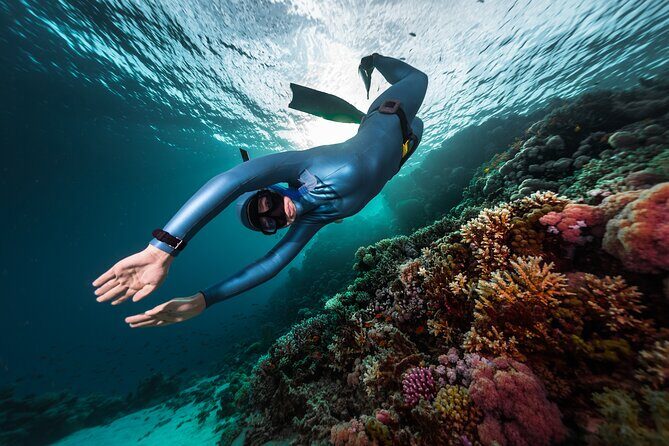
This is the kind of course that’s built for momentum. You’re not paying for a one-off lesson. You’re paying for three days of structured skill building, with enough repetition that technique has time to stick.
You’ll start with land sessions. That matters because breath-hold isn’t just courage. It’s control. The course uses a measured approach, welcoming beginners and also working for people who already swim comfortably but haven’t used breath-hold skills before.
I also like the way the training matches reality. You begin in a more controlled environment, then you move into the ocean. That step-by-step progression is a practical way to build confidence without skipping the basics.
What’s included in the price (and what you still need to budget)
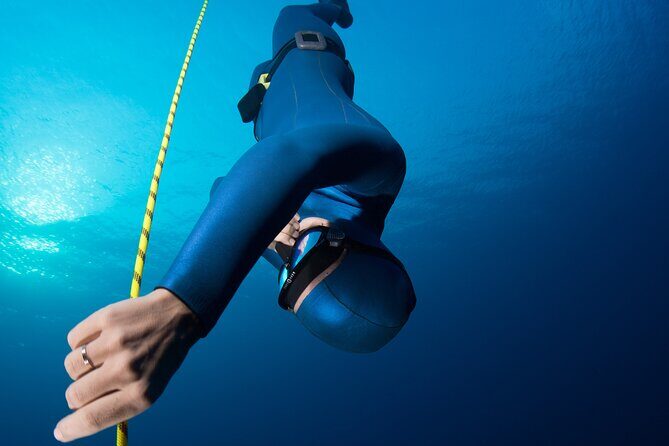
At $450 per person for the 3-day Level 1 course, you’re getting more than a “class.” You’re getting a full package aimed at getting you trained and certified.
Included:
- Freediving equipment (so you don’t have to shop or rent separately)
- All fees and taxes
- Freediving certification
- Digital learning materials
Not included:
- Private transportation
- Accommodation
- Lunch
Here’s the value angle: many “intro” experiences on island adventures cost about the same, but you still end up paying extra for gear, certification paperwork, or additional sessions. In this case, the essentials are covered up front. The cost makes more sense because you’re buying a complete training block, not just time with an instructor.
You can also read our reviews of more tours and experiences in Nusa Penida.
- ️Nusa Penida by Private Boat – Snorkeling 4 spots, Swim with Mantas + Land Tour
★ 5.0 · 6,424 reviews

Group size and safety: why max four students matters
The course is designed for intensity and safety. The stated limit is a maximum of four students per instructor. That’s the difference between learning and just showing up.
In a small group, you get:
- More chances to repeat key exercises
- Faster corrections when something feels off
- Better pacing so you don’t rush your body (or your breathing)
And safety is baked into how the course is structured: confined water first, then open-ocean sessions. Even when you’re excited, the curriculum keeps bringing you back to technique and calm decision-making.
One more practical point: the course lists moderate physical fitness as the general baseline, and says you only need to be able to swim. That’s useful because it tells you this isn’t limited to athletes. It’s limited to people who can move confidently in water.
The 3-day flow: theory, pool sessions, then open ocean
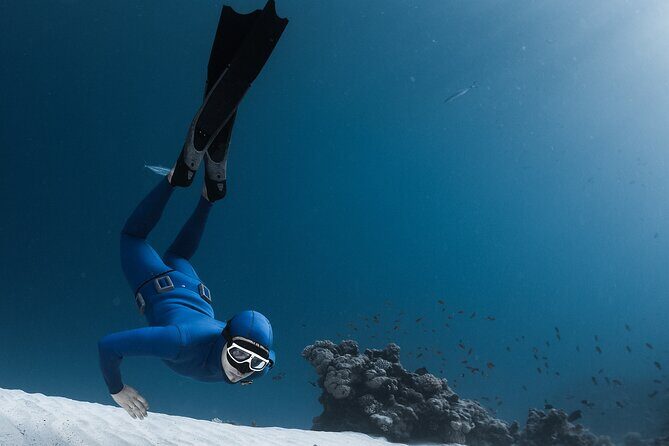
This course runs 8:30 to 16:30 each day, including a break for lunch. The pace is real. You’ll be mentally busy learning concepts and physically busy practicing them, so plan to rest on the other side of the schedule.
The training plan is clearly laid out:
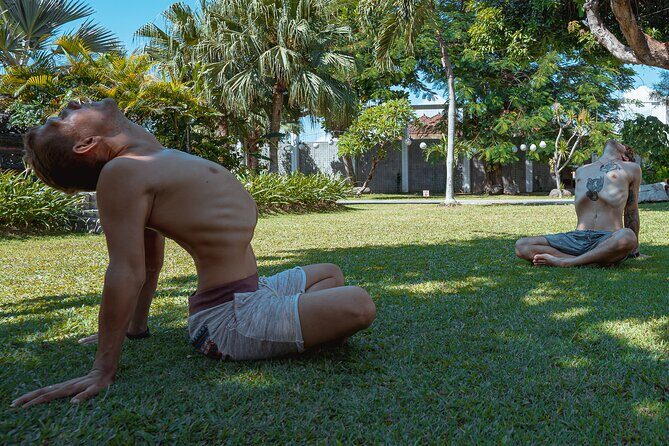
- Land: theoretical and practical sessions
- Two confined water sessions (a pool environment)
- Three open water sessions (in the ocean)
That mix is what makes the program work. Theory gives you the “why.” Pool sessions give you repetition with fewer variables. Open-ocean sessions test your skills where conditions change.
Day-by-day progression, in plain language
Even without every minute-by-minute detail, the structure is easy to understand:
Day 1 is about setting foundations.
You’ll learn the basics of breath management and safety rules, then move into confined water to practice the core steps with less unpredictability.
Day 2 is where you start to feel real improvement.
You build on what you learned the first day, practicing again with stronger control. This is usually where many beginners notice their fear easing into focus.
Day 3 is about applying it in open water.
By now, the goal is not just to go down. The goal is to stay steady and execute the skills you practiced earlier. The course’s target outcomes—more than 2 minutes breath-hold for most students and descents around 15–20 meters—are designed to happen by the end, not as a separate “someday” dream.
Nusa Penida sessions: what you’re aiming for underwater
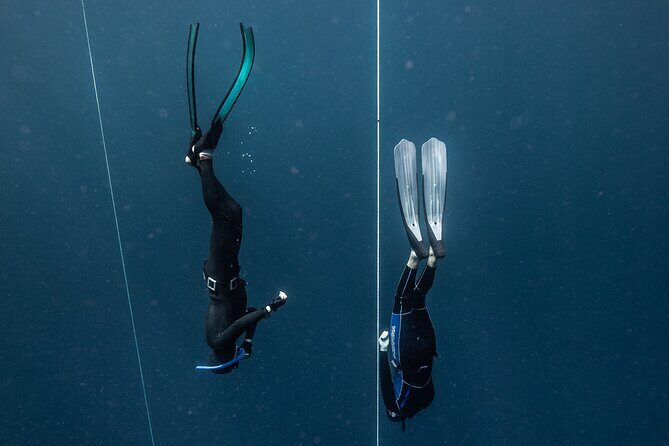
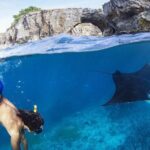
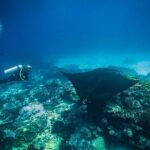
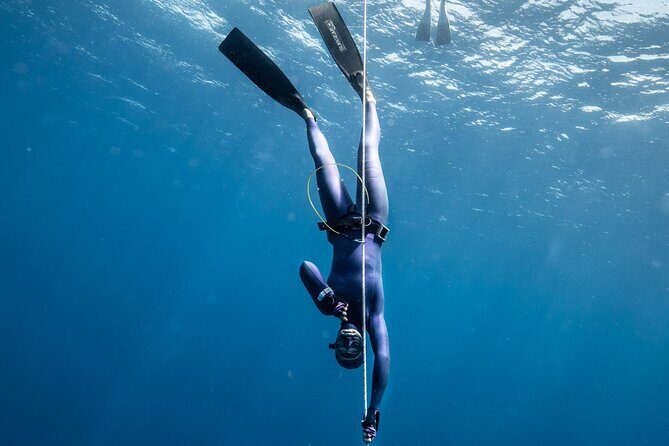
The course is based on Nusa Penida, which is known for underwater life and clear, coral-rich environments. The experience highlight promises that you’ll take home underwater photos of yourself among coral and tropical fish.
That photo detail is more than marketing. Having real pictures helps you see your progress later—your body position, your calmness, your confidence level changing from session to session. It also gives you a tangible memory that isn’t only dependent on your recollection.
As for results: the course states that most students can end up able to:
- descend to about 50–65 feet (15–20 meters)
- hold breath for more than 2 minutes
Important realism: “most” means you might be slower or faster depending on comfort level, fitness, and how your body responds to coaching. The benefit here is that the instruction setup is meant to accommodate that. Small groups help instructors adjust your pace.
- ️Nusa Penida by Private Boat – Snorkeling 4 spots, Swim with Mantas + Land Tour
★ 5.0 · 6,424 reviews
Instructors and teaching style: what the best reviews keep repeating
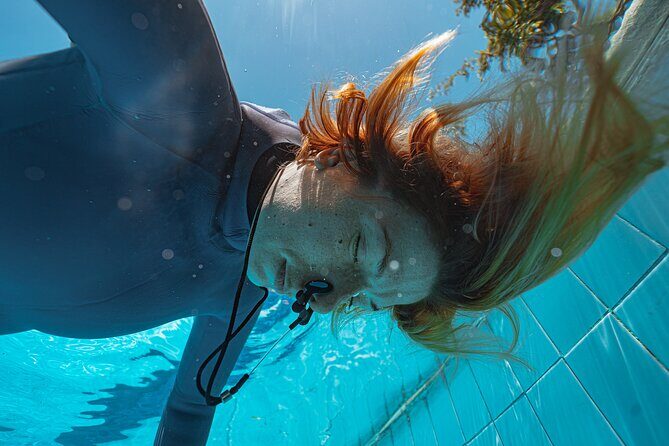
The consistent theme across the strongest feedback is that the instructors are clear, supportive, and organized. Names that come up include Sabli, Artem, Roberto, Seva, Hamza, Gaston, Kirill, Gas, and Chiara.
What stands out:
- Teaching feels super clear—so you understand what you’re doing before you try it.
- Instructors feel supportive but still push you in the right direction, especially when you’re nervous.
- People mention the gear quality and the way the course is organized, which matters because confusion wastes energy and focus.
I also like that different instructors are praised for slightly different styles: some are described as relaxed and fun, others as careful and attentive. That’s a good sign that the school isn’t using one-size-fits-all. It’s managing beginners in a way that keeps you safe and motivated.
Gear and certification: the practical stuff you’ll actually use later
You’re provided equipment, which is a huge convenience if you’re traveling light. It also means your training is more consistent; you’re not learning on mystery gear that feels different from what your instructor expects.
You also receive freediving certification plus digital learning materials. For a Level 1 course, that’s valuable because it gives you a structured starting point. You can review the concepts afterward instead of relying only on what you remember from three long training days.
And the “digital materials” piece is practical—especially if you want a reference when you practice again later.
Timing and logistics: how to make the 8:30–16:30 days easier
The course runs from 8:30 AM to 4:30 PM, seven days a week. That’s a helpful window because you can build a day around it without losing your whole schedule.
Two logistics items you should plan for:
- Lunch isn’t included. The course includes a break, but you’ll need food sorted.
- Private transportation isn’t included. The meeting point is at the school’s address in Nusa Penida, and the activity ends back at the meeting point.
If you’re staying on Penida, logistics are simpler. If you’re coming from Bali mainland, you’ll want a travel plan that gives you buffer time so you don’t start the course stressed.
Also note the course requires only that you can swim, not that you’re an elite athlete. Still, your schedule is long and you’ll spend time in water, so being mentally prepared helps.
Who this course is best for (and who might hesitate)
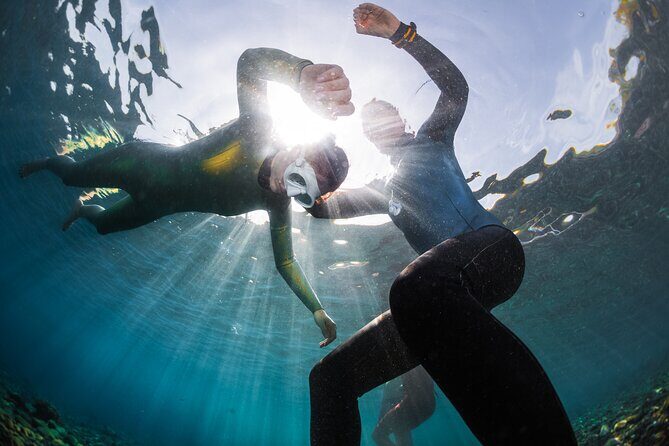
This is best for you if:
- you’re a beginner or returning to breath-hold skills after a break
- you want structured progression (theory → pool → ocean)
- you appreciate small-group coaching and clear instruction
- you want certification plus gear included in the price
You might hesitate if:
- you’re looking for something low-effort. The course is intense by design.
- you don’t want to handle your own lunch and transportation planning.
- you’re not comfortable swimming. Swim ability is the only stated requirement.
One more realistic consideration: course success depends on your body and comfort level. The program is built to help you progress, but it can’t promise identical results to every student.
Should you book this 3-day Level 1 course on Nusa Penida?
Yes, if you want the most “complete” beginner path in a short time. The combination of small groups, three days of training, and equipment + certification included is strong value for your money. You also get the payoff of underwater photo memories, which makes the experience feel real beyond a certificate.
I’d book it if you’re the type who learns best with structure and feedback. I’d also book it if you’re excited to be coached into confidence rather than thrown into the deep end.
If you hate planning meals and transport, you’ll need to accept some extra coordination. But if you can handle that, this course is exactly the kind of focused start that sets you up to keep practicing after you leave the island.
FAQ
How long is the course?
It’s a 3-day course on Nusa Penida, with the daily schedule running from 8:30 AM to 4:30 PM (including a lunch break).
Do I need previous freediving experience?
No previous experience is required. The course is presented as a smooth introduction for beginners.
What level of swimming ability do I need?
You only need to be able to swim.
What’s included in the $450 price?
The price includes use of freediving equipment, all fees and taxes, freediving certification, and digital learning materials.
What is not included?
Private transportation, accommodation, and lunch are not included.
What will I practice during the 3 days?
You’ll do theory and practical sessions on land, plus 2 confined water sessions and 3 open water sessions.
What results can I expect by the end?
Most students can hold their breath for more than 2 minutes and can descend to about 15–20 meters (50–65 feet).
Is there a cancellation option?
Yes. You can cancel up to 24 hours in advance for a full refund. Canceling less than 24 hours before the start means the amount is not refunded.
You Might Also Enjoy

More Tour Reviews in Nusa Penida
- ️Nusa Penida by Private Boat – Snorkeling 4 spots, Swim with Mantas + Land Tour
★ 5.0 · 6,424 reviews