REVIEW · PEMUTERAN
3 Days PADI Open Water Course in Pemuteran
Book on Viator →Operated by Bali Diving Academy · Bookable on Viator
Learning to breathe underwater starts here.
This 3-day PADI Open Water course in Pemuteran is built for beginners: you do the theory through the PADI e-learning platform, then you practice skills in a structured order. I like that it’s kept small (up to 4 people), so you don’t get stuck watching while others learn.
My favorite part is the safety-first coaching. Instructors such as Edi Sumantara, plus Karin and Putu, are described as professional, focused, and patient, with a strong emphasis on doing everything right. One thing to plan around: the schedule depends on good weather, and that can affect which water days run.
In This Review
- Key highlights in Pemuteran
- Why Pemuteran Works for a First Certification
- The 3-Day Schedule You Should Expect (and How It Feels)
- Day 1: Confined-Water Skill Sessions Without the Pressure
- Days 2 and 3: Ocean Sessions 1–4 That Build Confidence
- Instructors, Equipment, and That 100% Safety Focus
- Menjangan Island Potential: Wildlife Moments in the Right Context
- Certification Depth: What 18 Meters Really Means
- Price and Value: Is $425 a Good Deal?
- Practical Tips So Your Course Goes Smoothly
- Should You Book This Open Water Course in Pemuteran?
- FAQ
- How long is the PADI Open Water course in Pemuteran?
- Where does the course start?
- What time does the course start?
- Do I have to finish the theory online?
- What happens on day 1?
- What happens on days 2 and 3?
- How many people are in the group?
- What does the course certification allow you to do?
- Is moderate fitness required?
- Is Menjangan Island included?
- Is the booking refundable if I cancel?
Key highlights in Pemuteran
- Small group size (max 4) means more time with your instructor
- PADI e-learning theory can be done before you arrive or during the course days
- Day 1 confined-water skills set you up before you head out to open water
- Ocean sessions 1–4 build skill step-by-step over the second and third days
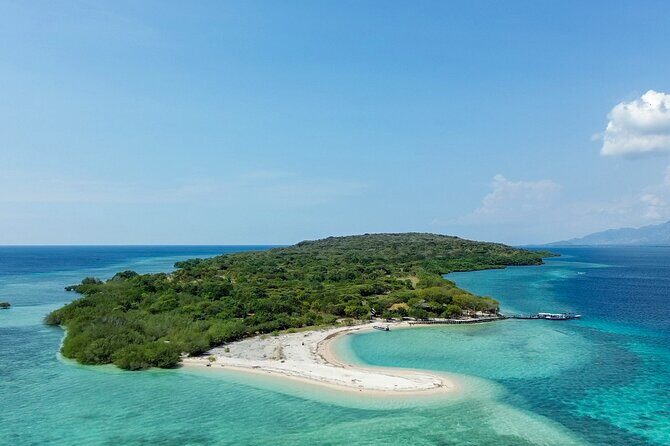
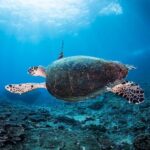
- Menjangan Island can be part of the last-day outing, with wildlife like turtles reported
Why Pemuteran Works for a First Certification
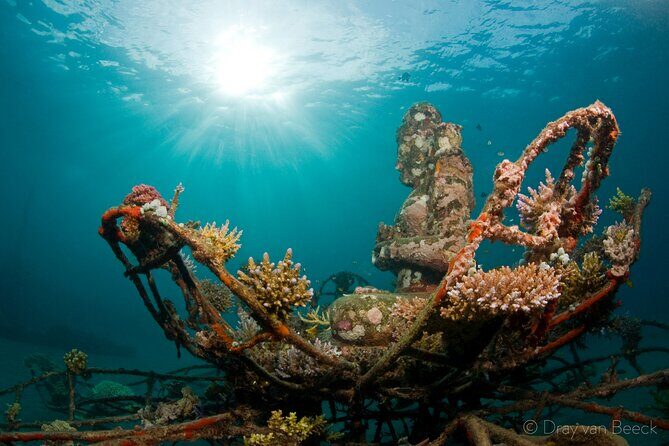
Pemuteran is a smart choice for a first scuba certification because it’s a place where training logistics can stay calm. Your course isn’t just about checking boxes. It’s about learning how to control your breathing, your buoyancy, and your gear while you’re still learning confidence. That’s easier when the training environment is organized, the groups are small, and the staff know the local reefs and conditions.
You’ll also benefit from a coaching setup that’s built around repetition. The course is designed so you can practice the same fundamentals across multiple sessions, instead of getting thrown into the deep end mentally. By the end, you’re working with the mindset that scuba is about skills and routines, not luck.
The other practical win is the “real ocean first” learning curve. Once the confined-water skills are done, you move into open-water sessions. That sequence matters. It helps you avoid the classic beginner problem: feeling overwhelmed and trying to learn everything at once.
You can also read our reviews of more tours and experiences in Pemuteran.
The 3-Day Schedule You Should Expect (and How It Feels)
This is a full 3-day course with a clear structure: theory first, then controlled skill practice, then open-water application. That pacing is what helps you become comfortable fast.
Here’s the flow:
- Theory (PADI e-learning): You can do it before starting or during the 3 days, then review it with a certified instructor.
- Day 1: Confined-water skill sessions (pool-style training in a controlled setting).
- Days 2–3: Open-water sessions 1 to 4, where you apply what you practiced and explore the local sea environment.
Even though “3 days” sounds compact, it’s not rushed in the way some weekend courses feel. The structure is meant to let you build from basic control to more complete underwater task management.
You’ll start early. The course starts at 8:00 am at the academy in Pemuteran, then runs through the day with instruction time and water time. Expect a mix of classroom review, gear time, and water practice. By the end of each day, you’ll likely feel tired in that good “my brain learned something today” way.
Day 1: Confined-Water Skill Sessions Without the Pressure
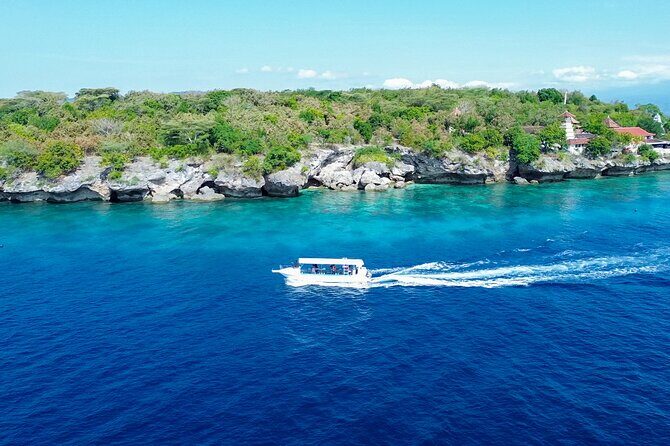
Day 1 is all about getting your scuba control habits online, before you ever have to think about waves, currents, and open-water navigation at the same time. This is where you learn the basics of scuba diving concepts and equipment use in a safe, controlled environment.
Confined-water sessions matter because they let you do the hardest part of the course—getting used to breathing underwater—without the extra stressors of open water. You learn core techniques and methods, then you practice them with direct instructor feedback.
What I like about this setup is that it turns your fear into a checklist. Instead of hoping you’ll figure it out later, you practice the steps now. You also get a chance to ask questions immediately while everything is still fresh.
Also, with a maximum of 4 people, you’re less likely to feel like you’re waiting your turn. That’s huge for beginners. You want the instructor watching your form, correcting small issues early, and reinforcing safety routines.
Days 2 and 3: Ocean Sessions 1–4 That Build Confidence
On days 2 and 3, you move from controlled practice to real open water. The course includes ocean sessions 1 to 4, and the point is simple: you use the skills you learned on day 1 in a more natural setting.
This is where you start to feel like a diver in the best way—not because you’re “powerful,” but because you’re steady. You learn how to manage your breathing rhythm, how to stay calm if something feels unfamiliar, and how to keep your attention on the essentials.
In a well-run course, the open-water sessions don’t feel random. They feel like progression. You start with simpler tasks and then build toward more complete skill use. If your instructor is patient (and the instructors here are described that way), you get time to repeat until it clicks.
And when it finally clicks, it’s a special kind of payoff: you stop thinking about every breath and start noticing the underwater world. The goal isn’t just to pass. It’s to leave with usable skills and realistic confidence.
Instructors, Equipment, and That 100% Safety Focus
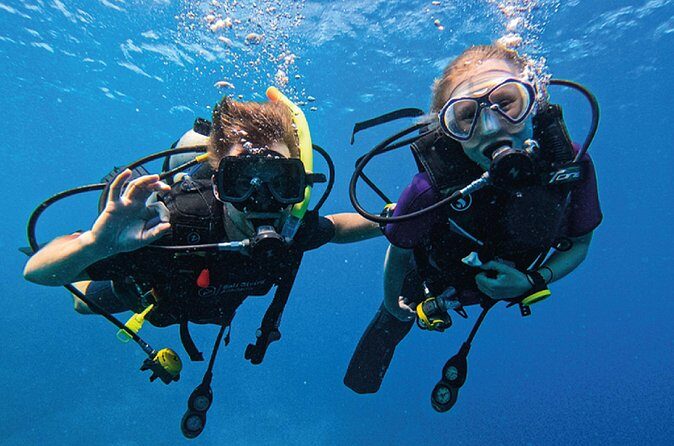
This course is run by instructors who are certified and insured, and they’re familiar with local reef habitats. That matters more than it sounds. When you’re learning, you don’t just need someone who can teach—you need someone who can manage risk calmly while teaching.
What stands out from the student feedback is the consistent emphasis on being professional and safe, with instructors who take their time and focus on correct practice. Edi Sumantara is specifically mentioned as professional, focused, and safety-minded. Karin and Putu are also credited for being amazing instructors.
Equipment is another big piece of comfort, especially in a first certification course. One student noted that the equipment was great, and that lines up with the idea that you should spend your energy learning skills—not fighting gear problems.
Small groups also support this. When you have fewer students, instructors can watch details: breathing timing, buoyancy control, gear checks, and comfort level. That direct attention helps you learn faster and reduces anxiety.

Menjangan Island Potential: Wildlife Moments in the Right Context
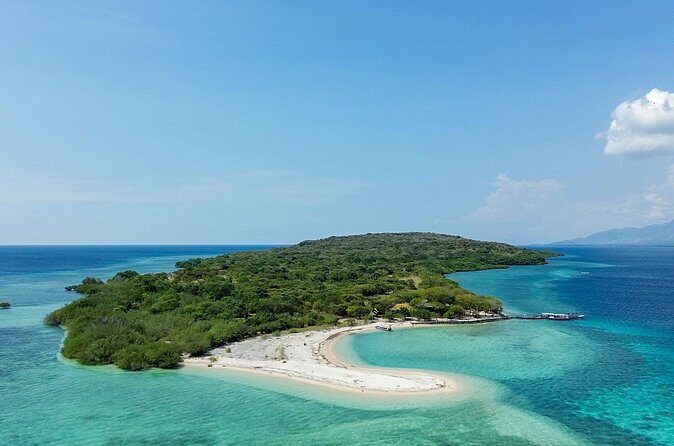
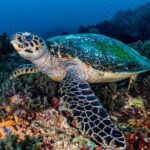
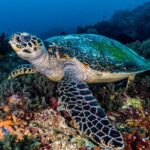
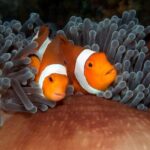
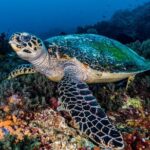
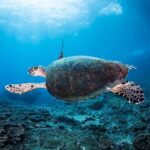
One of the most memorable course outcomes reported is an outing to Menjangan Island on the last day. That’s where students have reported seeing turtles and even sharks.
A quick note for your expectations: the exact sites can depend on conditions, and the course also requires good weather. So treat Menjangan as a possible highlight, not a guaranteed checkbox.
Still, if you do get that option, it’s a strong match for Open Water. Menjangan is known for the kind of underwater life that makes learning feel meaningful. You’re not just practicing skills—you’re seeing why those skills matter.
The best part is how wildlife sightings can motivate good habits. When you spot something interesting, you’ll want to stay calm, keep control of your buoyancy, and avoid rushing. That’s what good training should lead to.
Certification Depth: What 18 Meters Really Means
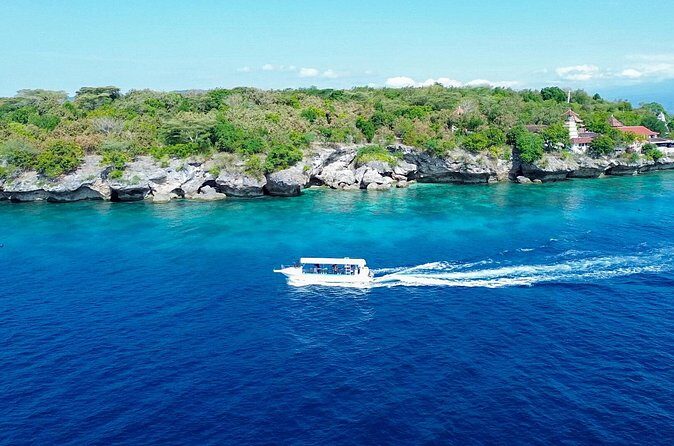
The Open Water course is recognized worldwide and leads to certification that allows you to go safely to 18 meters. That number isn’t just a marketing line. It’s part of how you understand your boundaries and build your diving progression responsibly.
Why this matters: if you learn correctly, you’ll know what to check before you enter the water, how to respond to standard situations, and how to keep your focus on breathing and control. At the Open Water level, the goal is competence in fundamentals—not advanced exploration.
You’ll learn the basic principles and concepts of scuba diving both in theory and practice. The structure helps you understand the “why” behind the “how.” That’s what makes future trips easier, because you won’t be guessing.
If you’re planning to do additional scuba training later, this certification is the usual starting point. It’s your foundation for more range, more comfort, and better decision-making underwater.
Price and Value: Is $425 a Good Deal?
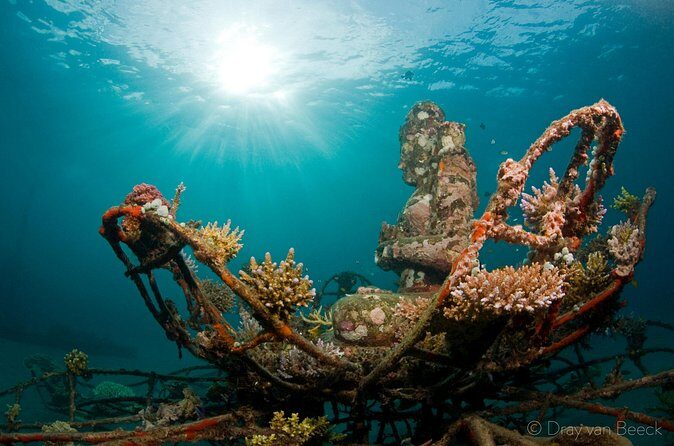
At $425 per person for a 3-day Open Water course, you’re paying for more than just time in the water. You’re paying for:
- instructor-led skill progression over multiple days
- PADI e-learning theory support and instructor review
- guided open-water sessions 1 to 4
- small-group attention (max 4)
- a safety-focused training environment
Group discounts are mentioned, which can improve value if you’re not going solo. Also, the use of a mobile ticket is a small convenience, but it reduces hassle when you’re coordinating a short course with travel schedules.
When I look at value for courses like this, I weigh what you get in real practice time. A course that stays small and structured is usually worth it, because you’re more likely to leave with skills you can actually use. If you only get “seat time,” you might feel certified on paper but still anxious in the water.
So the question isn’t just whether $425 is cheap. It’s whether the training intensity and safety focus match what you need as a beginner. Based on the consistent safety and professionalism feedback tied to specific instructors, this looks like the kind of course that prioritizes correct learning.
Practical Tips So Your Course Goes Smoothly
A first certification course is simple. It’s also a little physical. You don’t need to be an athlete, but the course asks for moderate physical fitness.
Here are practical things to plan:
- Start the theory early if you can. Even if you do part of it during the course days, having some groundwork done can reduce stress.
- Sleep well the night before day 1. You’ll be learning gear and breathing mechanics, and tired brains struggle with new procedures.
- Keep your questions ready. You’ll do better if you ask when you spot confusion, not later.
- Bring your own calm. Open water is not about being fearless. It’s about staying steady. Your instructor will guide you, but your attitude helps a lot.
Also, after water days, feed yourself. One tip from student experience: eat at The Sage while you’re in Pemuteran. It’s a simple way to get a real meal after a long day of practice.
Finally, keep an eye on weather. This course requires good weather, and conditions can affect what runs. If the weather forces changes, it’s better to stay flexible and accept that safety comes first.
Should You Book This Open Water Course in Pemuteran?
I’d book it if you want:
- a beginner-friendly PADI Open Water path to 18 meters
- small group instruction (max 4)
- clear structure from online theory to confined-water sessions to open-water sessions
- a course that puts safety and professionalism first, with instructors praised like Edi Sumantara, Karin, and Putu
- a chance for a memorable local outing such as Menjangan Island (when conditions allow)
I wouldn’t rush to book if you’re looking for an ultra-flexible schedule that never changes with weather. The course requires good conditions, and that can affect timing.
If you’re ready to learn scuba at a steady pace, this setup in Pemuteran looks like strong value: not just a certificate, but a foundation you can build on.
FAQ
How long is the PADI Open Water course in Pemuteran?
It runs for 3 days.
Where does the course start?
It starts at Bali Diving Academy Pemuteran, Dusun Pemuteran, Kec. Gerokgak, Kabupaten Buleleng, Bali 81155, Indonesia.
What time does the course start?
The start time is 8:00 am.
Do I have to finish the theory online?
You’ll do theory online via the PADI e-learning platform. You can complete it before the start of the course or during the 3 days, and it’s reviewed with the certified instructor.
What happens on day 1?
Day 1 focuses on confined-water skill sessions (pool session) to learn basic scuba skills in a controlled environment.
What happens on days 2 and 3?
Days 2 and 3 are ocean sessions (open water) where you complete open water sessions 1 to 4 and practice the skills you learned on day 1.
How many people are in the group?
The maximum group size is 4 travelers.
What does the course certification allow you to do?
It allows you to dive safely up to 18 meters deep, and it’s recognized worldwide.
Is moderate fitness required?
Yes, the course says travelers should have a moderate physical fitness level.
Is Menjangan Island included?
One student reported that on the last day of the course they went to Menjangan Island and saw turtles and even sharks.
Is the booking refundable if I cancel?
No. The experience is non-refundable and cannot be changed for any reason.