REVIEW · UBUD
ARMA Museum Visit
Book on Viator →Operated by Arma Museum & Resort · Bookable on Viator
ARMA Museum in Ubud is a calm art stop with real purpose. I like it because it is not just a room full of paintings—it’s also a cultural hub with performing arts and art-making activities. My second big win is the flexibility: you can explore independently without being locked into a group schedule, which makes it easier to linger where something really clicks.
One watch-out: the visit can run from 30 minutes to about 2 hours, depending on how quickly you move and what else is happening on-site, so plan your day with a little slack if you hate rushing.
In This Review
- Key Things I’d Prioritize Before You Go
- ARMA Museum in Ubud Feels More Like a Cultural Center
- Your Admission Ticket: What You Get (and Why It’s Worth Pre-Booking)
- What You’ll Actually See at ARMA: Paintings, Exhibitions, and On-Site Activities
- Permanent Collection and Temporary Exhibitions
- Theatre, Dance, Music, and Classes (What to Look For)
- Support Spaces: Bookshop, Library, and Reading Room
- Redemptions and the Free Coffee or Tea You’ll Get On-Site
- How Long You Should Plan for: 30 Minutes to 2 Hours
- Price and Logistics: Getting a Good Deal Without Overthinking It
- Where ARMA Fits in Your Ubud Day
- Who Should Book This ARMA Ticket?
- Quick Heads-Up Before You Go
- Should You Book the ARMA Museum Admission Ticket?
- FAQ
- Where is ARMA Museum?
- How much does admission cost?
- How long does the visit take?
- Is coffee or tea included?
- What isn’t included with the ticket?
- Do I get confirmation when I book?
- Is the experience guided?
- Is there a limit on group size?
- What’s the cancellation policy?
Key Things I’d Prioritize Before You Go
- Pre-booked entry so you spend less time waiting and more time looking.
- Self-paced browsing that lets you go slow with the art that earns your attention.
- A cultural venue, not just a gallery, with programming that may include theatre, dance, music, and classes.
- Free coffee or tea included when you redeem your ticket.
- Small scale operation with a stated maximum of 100 travelers, which usually keeps the vibe easy.
ARMA Museum in Ubud Feels More Like a Cultural Center
Most museums show you art and send you on your way. ARMA, the Agung Rai Museum of Art, feels more like a working place where culture is still in motion. You’re there for the permanent collection and temporary exhibitions, but the site also supports things like theatre performances, dance, music, and painting classes, plus workshops and other events.
That matters for your visit because it changes the pacing. If you want quiet looking time, you can do that. If you want more energy—songs, performances, or hands-on activity—you might catch some of it during your window.
In a place like Ubud, where you can easily spend a day jumping from one stop to the next, ARMA is a good way to slow down and focus on Balinese and Indonesian art with context.
You can also read our reviews of more tours and experiences in Ubud.



Your Admission Ticket: What You Get (and Why It’s Worth Pre-Booking)
This experience is simple: secure your admission ticket to ARMA in advance, then redeem it on arrival. The big practical benefit is that you should spend less time waiting in line and more time enjoying the collection.
You’re also not stuck waiting on a group. The ticket is designed for you to explore at your own pace, which is ideal when your attention span is at the mercy of good art and good lighting. One person might spend an hour studying brushwork and themes; another might do a fast overview and then come back for the pieces they can’t stop thinking about.
The price is listed at $9.38 per person, and that’s where the value calculation becomes clear. You’re paying for convenience (pre-booked entry), flexibility (no group lockstep), and a small included perk: coffee or tea upon redemption.
What You’ll Actually See at ARMA: Paintings, Exhibitions, and On-Site Activities
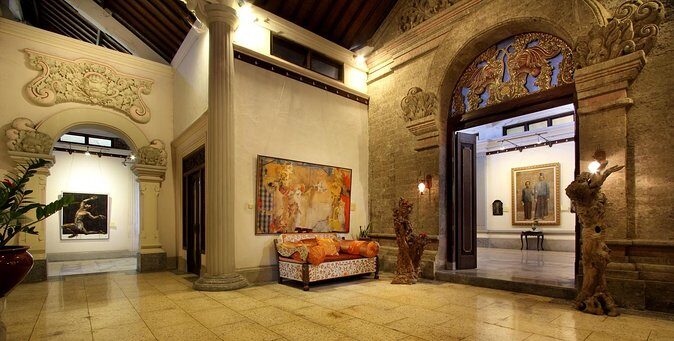
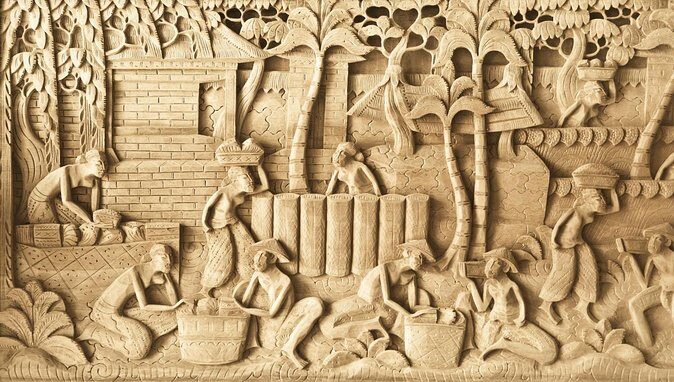
ARMA’s collection is centered on art from Indonesia with a strong focus on Balinese culture. From what you can expect at the museum, the art range runs from traditional batik paintings to more contemporary works.
Here’s how to think about that as a visitor: you get variety without feeling random. If you start with the traditional pieces, you can build a mental map of patterns, motifs, and storytelling style. Then when you hit the contemporary works, you’ll have a better sense of what changed—and what stayed rooted.
Permanent Collection and Temporary Exhibitions
You’ll have access to the permanent collection of paintings, plus special temporary exhibitions. Temporary exhibitions are a common reason people come back, because they shift the focus. Even if you do not know much art history, this mix helps you avoid the feeling of repeating the same rooms over and over.
If you’re short on time, don’t try to see everything. Pick a few areas to really watch. Stand back first, then move closer. With batik and painting styles, small details often explain bigger themes.
Theatre, Dance, Music, and Classes (What to Look For)
ARMA is also a center for visual and performing arts. Depending on what’s scheduled during your visit, you might see theatre performances, dance, or music. The museum also runs painting classes and other workshops.
You can use this to shape your experience:
- If you like art in motion, hang around a little longer and see if any programming is happening.
- If you want a quiet walk through galleries, you can still do that and return to performances only if the timing works.
Because the schedule details aren’t specified here, keep your expectations flexible. Treat performances and classes as a bonus, not the foundation of the trip.





Support Spaces: Bookshop, Library, and Reading Room
The museum experience doesn’t end at the wall labels. ARMA includes a bookshop, a library, and a reading room. That’s a big plus if you want to understand what you saw without turning your trip into a homework project.
Even if you don’t buy anything, the reading room setup is a nice way to slow down after visual overload.
Redemptions and the Free Coffee or Tea You’ll Get On-Site
Your ticket includes coffee and/or tea. That’s not just a nice touch—it can be a smart part of your timing.
I’d plan to use it like this:
- Grab it after your first circuit of the galleries.
- Or take it as a reset point before you go deeper into the works that pulled you in.
When you’re exploring at your own pace, small breaks help you keep your attention sharp. And in Ubud’s warm conditions, something hot (or sometimes they’ll offer a comforting tea option) can be a good shift from walking and looking.
How Long You Should Plan for: 30 Minutes to 2 Hours
The experience duration is listed as 30 minutes to 2 hours. That range sounds broad, but it maps well to how different people travel.
If you only have 30 to 45 minutes:
- Do a straight-through route.
- Focus on batik-style works first, then one or two contemporary sections.
- Skip trying to read every label and instead watch for themes that repeat.
If you have 1.5 to 2 hours:
- Do one full pass.
- Then do a second pass only for the works that caught you the first time.
- If there’s any class or performance activity, give it 20 to 30 minutes.
The biggest mistake I see people make is treating a museum visit like a checklist. With ARMA, you’ll get more out of it if you let the pace match the art. So if your schedule is tight, aim to arrive without stress, then commit to one focused loop rather than everything.
Price and Logistics: Getting a Good Deal Without Overthinking It
At $9.38, ARMA admission is priced for accessibility. The real value is not only the ticket cost—it’s the structure around that ticket: pre-booked entry so you should wait less, plus independence so you don’t lose time syncing up with others.
Also, the tour/activity has a maximum of 100 travelers. That doesn’t guarantee a quiet experience, but it’s a reasonable size that usually helps keep things from feeling chaotic.
If you’re pairing ARMA with other Ubud activities, this ticket is a good “anchor” stop. It’s cultural, it’s slower, and it doesn’t require advanced planning beyond your admission.
And yes, the site offers alcohol for purchase, but your included item is coffee or tea. If you want something more substantial to drink, you’ll need to buy it on-site.
Where ARMA Fits in Your Ubud Day
ARMA sits in Ubud, so it works well as a midday cultural break or an earlier afternoon activity when you want shade and indoor time. The museum is also a good counterbalance to the more active parts of Ubud.
If your itinerary includes:
- temples,
- waterfalls,
- scooter rides,
- or cooking classes,
…then ARMA gives your day a different texture. You trade movement for looking, and you get a clearer sense of the art traditions behind what you may see in crafts markets and performances elsewhere in Bali.
If you’re an art lover, ARMA is especially efficient. You get a range of styles in one place, and it’s not just displays—it’s connected to the ongoing cultural life of the region.
Who Should Book This ARMA Ticket?
Book this if:
- You want Balinese and Indonesian art with flexibility.
- You prefer to set your own pace instead of joining a fixed group plan.
- You like museums that also act as cultural hubs, not just storage rooms for objects.
- You’ll enjoy a short, easy break that includes coffee or tea.
You might want to skip or re-plan if:
- You only want very short attractions and hate the idea of staying longer if something catches your eye.
- You’re not interested in visual art or you mainly came for performances that you’re sure will happen at a specific time (since scheduling isn’t guaranteed in the info you have here).
The stated review pattern is strong, with a 4.5 rating and 93% recommending. That lines up with what the format promises: simple pre-booked entry, self-guided time, and a cultural setting.
Quick Heads-Up Before You Go
A few practical notes to help your visit feel smooth:
- You’ll receive confirmation at booking time.
- The experience may be operated by a multilingual guide, though the core format is still built around your independent exploration.
- Lunch and extra drinks aren’t included, so if you plan to stay longer, you may want to eat elsewhere or expect to purchase food on-site.
Also, since the museum visit can stretch toward two hours, make sure you leave room in your schedule for a second look at anything that really grabs you.
Should You Book the ARMA Museum Admission Ticket?
Yes, I think you should book this ticket if you’re visiting Ubud and you want a high-value, low-stress art stop. For the price, you’re buying convenience (pre-booked entry), time savings (less waiting), and flexibility (self-paced exploring). Add the free coffee or tea, and it’s a neat deal for a museum day.
Skip it only if you’re not in the mood for art and visual browsing. Otherwise, ARMA is one of those places where paying attention feels worth your time, because it’s a museum with culture running through it, not just a building with displays.
FAQ
Where is ARMA Museum?
ARMA Museum is in Ubud, Indonesia.
How much does admission cost?
The price is listed as $9.38 per person.
How long does the visit take?
The duration is approximately 30 minutes to 2 hours.
Is coffee or tea included?
Yes. Coffee and/or tea is included.
What isn’t included with the ticket?
Lunch and other food and drinks aren’t included. Alcoholic drinks are available to purchase.
Do I get confirmation when I book?
You’ll receive confirmation at the time of booking.
Is the experience guided?
It may be operated by a multi-lingual guide, but the ticket format is designed for you to explore at your own pace without waiting for a group.
Is there a limit on group size?
Yes. The activity has a maximum of 100 travelers.
What’s the cancellation policy?
Free cancellation is available up to 24 hours in advance for a full refund.