REVIEW · JIMBARAN
Authentic Balinese Cooking Classes
Book on Viator →Operated by Bakas Cooking Class · Bookable on Viator
Your hands get messy fast in Bali.
This Balinese cooking class is interesting because it starts with real food shopping and ends with you eating what you cook. I love the lesson on market bargaining and choosing produce, and I love that the class stays hands-on at your own cooking station (not just watching). One possible drawback to plan for: pickup timing can vary, so double-check your confirmed pickup time and be ready for markets to be less ideal if you arrive late.
You’ll be cooking in Bakas, Klungkung (Bali), with English-speaking instruction and a small group capped at 10 people. It’s priced at $65 for about 6 hours, with 2-way transfers from a wide range of areas around south Bali and Ubud, plus a mobile ticket.
If you’re lucky with timing, you may also catch great outdoor views—there are hints of rice fields near the venue and even rainforest scenery while you cook. You’ll leave with recipes and practical skills you can use at home, not just a full stomach.
In This Review
- Quick hits (what you’ll remember most)
- Getting value out of a $65, 6-hour food day
- Where the class actually happens: Bakas (Klungkung), not just a kitchen
- How flexible start times work in real life
- Transfers: the easiest part to get right (if you confirm)
- Market tour (morning bookings): learning how Balinese people shop
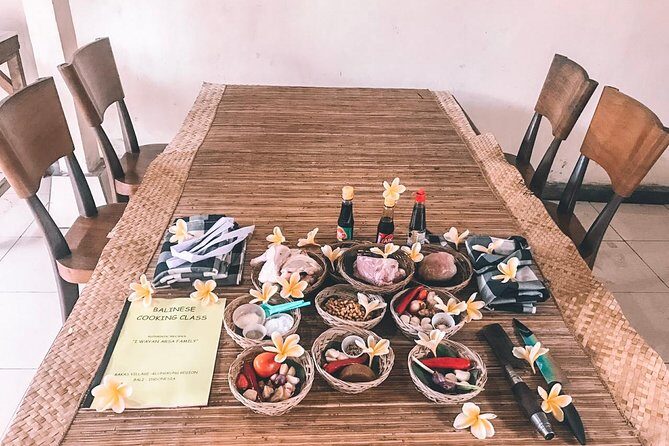
- The cooking class rhythm: chopping, grinding, and cooking at your own station
- What you’ll cook: satay, nasi goreng, and black rice pudding
- Chef attention in a group of 10 (why that matters)
- Bringing Bali home: what you’re really taking with you
- A short reality check: what can go wrong and how to plan around it
- Who should book this (and who might skip it)
- Should you book this Balinese cooking class?
- FAQ
- Where is the cooking class located?
- How long is the experience?
- How much does the experience cost?
- Is pickup included?
- Does the class include a market tour?
- What dishes will I cook and eat?
- Is the class taught in English?
- How big are the classes?
- Can I get a full refund if I cancel?
Quick hits (what you’ll remember most)
- Morning market bargaining: learn what to pick, what to skip, and how locals shop.
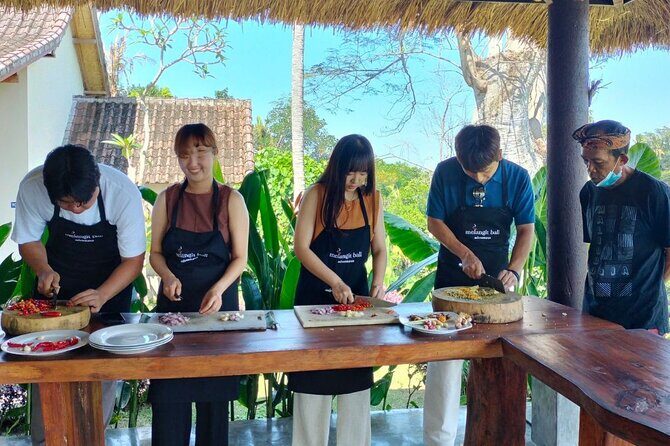
- Hands-on cooking stations: you chop, grind, cook, and plate your own dishes.
- Small group, max 10: you get real attention from the chef.
- Bakas cooking location: a more scenic, countryside-feeling setting in Klungkung.
- You pick the start time: morning through afternoon classes fit your schedule.
- Cook-and-eat menu: satay, nasi goreng, and black rice pudding are the anchors.
Getting value out of a $65, 6-hour food day
For $65 and about 6 hours, the value is mostly in three places: transportation, instruction style, and the fact that you eat what you make.
First, you’re not dealing with scooters, navigation, or last-minute taxi math. Round-trip transfers are included from many common bases in Bali, including Ubud and much of south Bali (Seminyak, Legian, Kuta, Nusa Dua, Jimbaran, Sanur, Denpasar, Benoa Harbor, and Benoa-area areas). That turns the day into a straightforward plan: show up, cook, eat, go back.
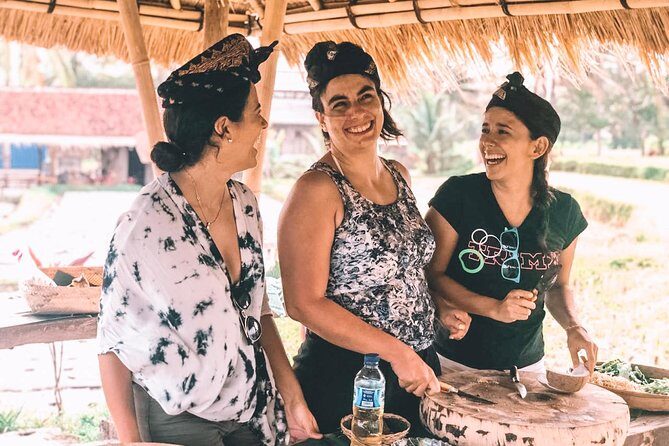
Second, the class is designed for active cooking. You get your own station and utensils, and it’s taught in English. That matters because a cooking class is only as good as the control you have: you want to actually practice the flavors, not just watch someone else do it.
Third, your menu isn’t just one snack. You’re building a mini meal around Balinese staples—satay, nasi goreng, and black rice pudding—so you’re not rushing through five minutes of training and then heading off hungry.
You can also read our reviews of more tours and experiences in Jimbaran.


Where the class actually happens: Bakas (Klungkung), not just a kitchen
The cooking happens in Bakas, Klungkung, and that location can change the feel of the day in a good way. Bali cooking classes run the gamut from small indoor studios to fully open-air setups. Here, the setting seems to lean more toward “countryside + views.”
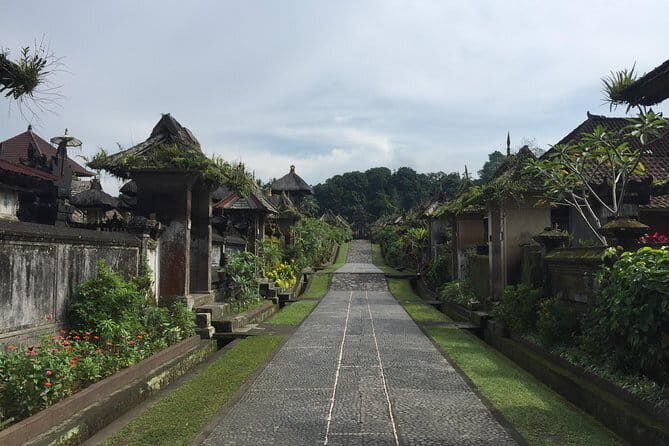
One review specifically mentioned rice fields visited near the location, and another talked about rainforest views while cooking. Even if your exact scenery depends on the day and timing, expect the venue area to feel more natural than a back-room kitchen.
It’s also why your transfers matter. If you’re staying in Ubud or farther south, you’ll likely spend part of the six hours riding over. In exchange, you get a different side of Bali—less resort bubble, more everyday island atmosphere.
How flexible start times work in real life
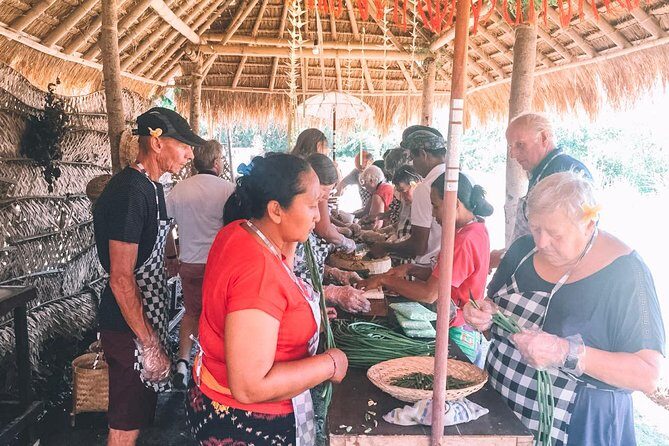
You can pick your start time, with classes offered from morning through afternoon. The stated open hours run 7:00 AM to 3:00 PM, so you’re not stuck with one rigid slot.
This flexibility is useful if you’re balancing other plans like beach time, a temple morning, or a late lunch hang. It’s also helpful if you prefer to avoid the hottest hours for market walking.
One practical consideration: a morning booking typically includes the market tour, and market quality depends on when you arrive. Since pickup timing can shift, plan to treat the market as a key part of the experience, not something you can “fit in” last-minute. If you’re going for maximum market time, choose an earlier start.
Transfers: the easiest part to get right (if you confirm)
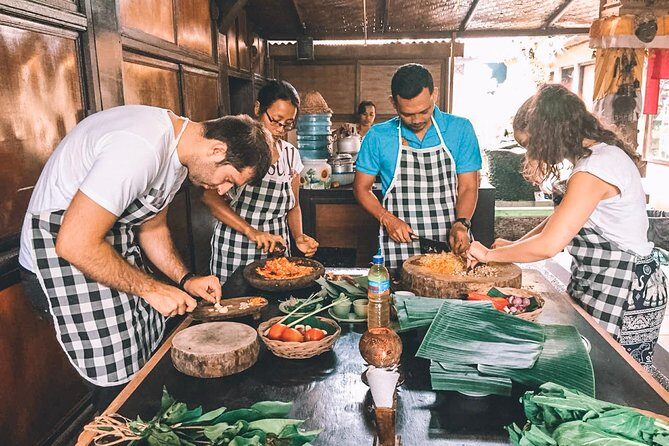
Transportation is a big selling point here. You get round-trip transfers from a long list of areas, which means you should arrive without stress and leave without figuring out how to get back.
In a perfect world, pickup is smooth. In reality, timing can sometimes slip. One unhappy experience noted the driver arrived later than expected, and that delayed the start and even affected the market stop quality.
So here’s the smart move: when you confirm, write down your pickup time and keep your phone handy on the day. If you’re the type who hates surprises, send a quick message the evening before and verify the expected pickup window.
Market tour (morning bookings): learning how Balinese people shop

For morning bookings, the day starts with a trip to a local market. In Bali, markets open early, and that early vibe is part of the cultural lesson. You’re not just grabbing ingredients—you’re learning how locals think about taste, freshness, and value.
The chef explains Balinese tastes and customs, and you’ll see how ingredients are chosen: meat, fish, produce, and the kinds of items you might not recognize if you only shop at supermarkets at home.
This is where the class becomes more than cooking. You learn the art of bargaining and you practice deciding what to buy. The guidance is practical: what to select, what to reject, and how to notice quality without turning it into a guessing game.
If you’re a bit shy about bargaining, don’t worry. A cooking class setting turns it into a skill exercise. You’re learning by doing, and the chef’s presence keeps you from wasting time or overpaying out of nervousness.
You can also read our reviews of more tours and experiences in Jimbaran



The cooking class rhythm: chopping, grinding, and cooking at your own station
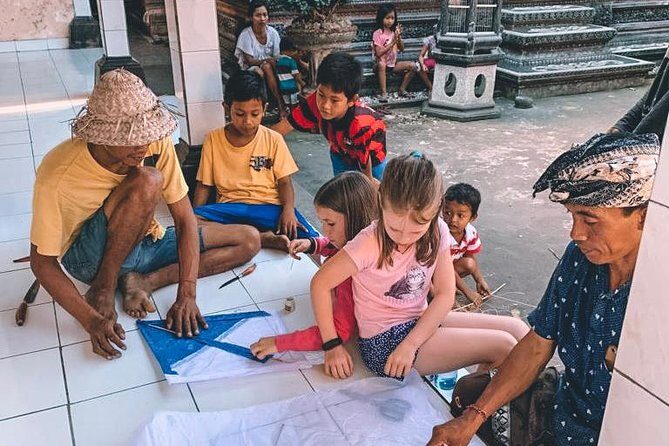
Once you’re done shopping, you move into the cooking portion, and it’s deliberately structured as a hands-on lesson.
You’ll cook with your own station and utensils, and the class is limited to a maximum of 10 participants. That small group limit matters because Balinese cooking relies on details: the balance of aromatics, the way ingredients are prepped, and how the heat is controlled.
Expect English instruction and a fun atmosphere. You should also expect to do the work yourself. The goal isn’t to memorize a recipe and hope it transfers to your kitchen. It’s to learn the process so you can recreate the flavor later.
One detail that’s easy to overlook: Balinese dishes often start with spice prep. Grinding and chopping aren’t just steps—they’re part of how the flavor gets built. So if you’re the impatient type, try to embrace the hands-on portion. It’s not busywork. It’s the foundation.
What you’ll cook: satay, nasi goreng, and black rice pudding
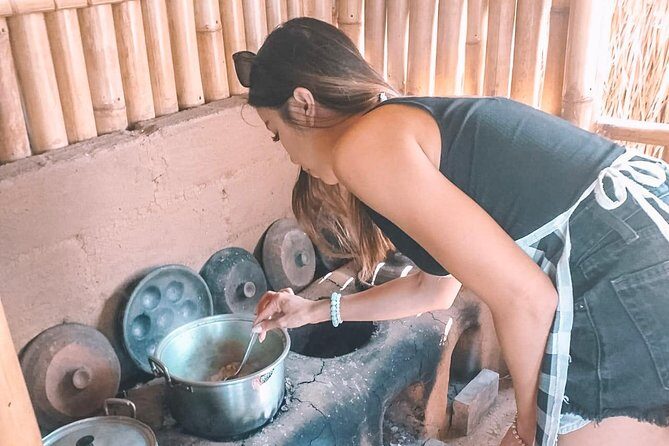
The menu is built around Balinese favorites you’ll recognize, but you’ll likely approach them in a more grounded, island way.
Satay
You’re learning more than skewers here. Satay in Bali is tightly linked to spice character and sauce balance. Watch for how the chef treats seasoning and how the meat is handled before cooking.
Nasi goreng
Nasi goreng sounds simple, but it depends on timing and flavor layering. In a cooking class, the real value is getting a feel for how the kitchen moves—how ingredients go in, how heat affects texture, and what “right” looks like as it cooks.
Black rice pudding
This is the fun one because it’s a dessert that feels local, not generic. You’ll get to see how black rice is used and how the pudding texture and sweetness are controlled. The class doesn’t just hand you a spoon. It teaches you how the dish comes together.
If your goal is to impress friends, these three items are a smart set. They cover savory, saucy comfort, and a standout dessert that’s harder to recreate than people think.
Chef attention in a group of 10 (why that matters)
A small group cap at 10 travelers isn’t a marketing line here. It’s a practical advantage.
When you’re cooking, you need feedback: is your chop too big, is your mix too dry, are you cooking on the right heat, and are you adding ingredients in the right order? A larger group can turn “hands-on” into “hands-off with waiting.”
The chef and instructors can circulate, correct, and guide you through the process. That’s also why the class feels fun instead of stressful. You’re not competing for attention. You’re getting it.
If you’re curious about your guides, one response mentioned Gede, and another described being picked up by him and his wife. That’s a good sign that the experience can feel personal, not factory-like.
Bringing Bali home: what you’re really taking with you
The class includes recipes, but the bigger win is the skill behind them. A market visit teaches you how to source ingredients and how to judge freshness. Cooking hands-on teaches you how to build flavor step by step.
So when you recreate satay or nasi goreng later, you’re not just copying a list. You’re recalling process cues—how the aromatics smell, how the dish looks when it’s at the right stage, and how the heat changes the final result.
That’s why this experience is strong for value. You’re buying a day that teaches you a method you can reuse, not a one-off meal.
A short reality check: what can go wrong and how to plan around it
Most days likely run smoothly—especially since the class is designed as a small group experience. But based on what you might run into, there are two things to watch.
1) Pickup timing
If pickup runs late, you lose time for the market portion and your planned start. If your schedule is tight, keep a buffer.
2) Market timing
One unhappy experience mentioned arriving at a market that was partially closed, which reduced the quality of the market stop. You can’t fully control this, but earlier starts and clear pickup communication give you a better shot.
If you can handle a little variability and you care more about the cooking than squeezing every minute of market, this still makes sense.
Who should book this (and who might skip it)
Book it if you want:
- Hands-on cooking with English teaching
- A market lesson (especially if you’re staying in Bali for a few days and want more than beach dinners)
- A reliable day that includes round-trip transfers and a meal you’ll enjoy
Consider skipping if:
- You only want a cooking class with zero chance of schedule wobble
- You dislike markets and bargaining and mainly want a sit-down, low-participation experience
Should you book this Balinese cooking class?
If you’re the type who likes learning real shopping habits and then cooking with them, yes, book it. The combination of market-first (for morning bookings), small group size, and hands-on cooking at your own station is the sweet spot for value at $65 for about 6 hours.
Just do two things before you go: confirm your pickup time and choose your start time with the market in mind. If you handle that, you’ll come away with Balinese dishes you can actually recreate, plus the kind of food-day memories that stick longer than another restaurant meal.
FAQ
Where is the cooking class located?
The cooking class is held in Bakas, Klungkung, Bali.
How long is the experience?
It’s about 6 hours.
How much does the experience cost?
The price is $65.
Is pickup included?
Yes. Round-trip transfers are included from many areas, including Jimbaran and much of south Bali, plus Ubud and Denpasar-area areas listed in the description.
Does the class include a market tour?
For morning bookings, the day includes a trip to a local market for ingredient selection and bargaining.
What dishes will I cook and eat?
You’ll cook Balinese dishes including satay, nasi goreng, and black rice pudding.
Is the class taught in English?
Yes, the cooking class is conducted in English.
How big are the classes?
The class is limited to a maximum of 10 participants.
Can I get a full refund if I cancel?
Yes. You can cancel up to 24 hours in advance for a full refund.