REVIEW · TANJUNG BENOA
Best of Bali Private Shore Excursions
Book on Viator →Operated by Bali Shore Excursions · Bookable on Viator
Bali starts with one easy decision: going private. This 7-hour shore day from Tanjung Benoa is a focused way to see rice terraces, a spring-water temple for purification, and Ubud’s art scene without juggling taxis on your own.
What I like most is the door-to-port transport—you meet an English-speaking driver after you get off your cruise and you don’t have to figure out how to move between sites. I also like the mix of stops: you’ll walk the Tegalalang Rice Terrace channels, then shift into more spiritual/architectural places like Batuan Temple and Gunung Kawi Sebatu. One thing to watch: a private tour means you’re relying on the driver to show up, and there have been a couple reports of no-shows or confusing contact, so confirm your meeting details before you step off the ship.
In This Review
- Key things to know before you go
- From cruise dock to Bali car ride: how the day starts
- Puseh Batuan Temple area: traditional house, kitchen insight, then temple charm
- Tegalalang Rice Terrace: irrigation channels, green views, and a real walking moment
- Gunung Kawi Sebatu spring holy water: purification rituals and volcanic pools
- Ubud art market: browse batik, wood carving, and paintings (and plan for spending)
- The real value of $60: what you’re paying for
- Reliability check: what the no-show issues teach you
- Who this shore excursion fits best
- Should you book this Benoa shore excursion?
- FAQ
- What is the duration of this Bali private shore excursion from Tanjung Benoa?
- What time does the tour start?
- Where does the tour meet?
- Is pickup and drop-off included?
- What does the price include?
- Are food and drinks included?
- Are entrance tickets included for the Ubud art market?
- Is this a private tour?
- Is there free cancellation?
- Is there a mobile ticket?
Key things to know before you go
- Private, English-speaking driver: one car, your group, no waiting around for other people
- Walkable highlights: Tegalalang’s irrigation paths are built for casual strolling and photos
- Spring-water temple stop: Gunung Kawi Sebatu centers on volcanic pools and ritual purification
- Entrance tickets included (except the art market): less cash hassle at the sites
- Ubud art market as a flexible finish: browse batik, carvings, and paintings, then decide what’s worth buying
From cruise dock to Bali car ride: how the day starts
Your day begins in the Benoa harbor area after you disembark, with the start time set for 8:00am. In practice, the meeting moment can shift a bit based on your ship’s arrival and your pace getting off, but the plan is simple: your driver meets you, then you head out right away.
A private pickup is a big deal on cruise days. Your time is limited, and the wrong taxi line can eat up your morning. Here, you’re paying for the convenience of one organized round-trip plan, plus transport by private vehicle.
Still, I’d treat this as a “confirm first” experience. One bad communication chain can turn a calm morning into a scramble—so I’d double-check your meeting point and driver contact method the day of, not just at booking.
You can also read our reviews of more private tours in Tanjung Benoa

Puseh Batuan Temple area: traditional house, kitchen insight, then temple charm
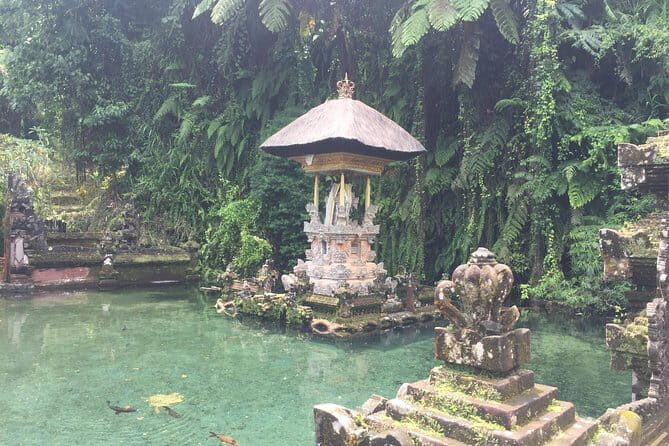
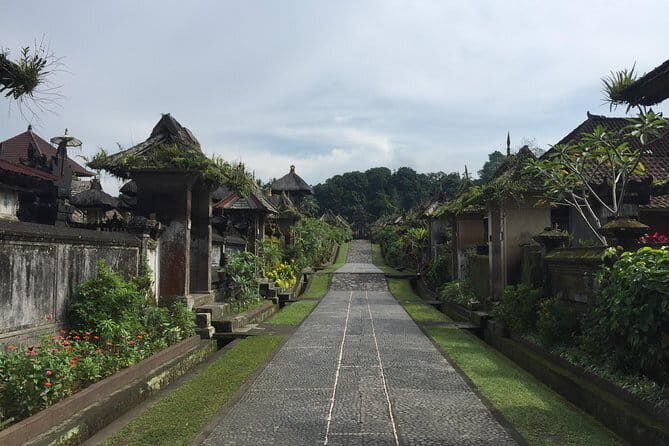
The first real cultural stop is the Puseh Batuan Temple area, paired with a look at a traditional Balinese home. This is where the tour feels more personal than a quick temple photo stop. You get to see the traditional house building structure and learn about domestic life—including an insight on a traditional Balinese kitchen.
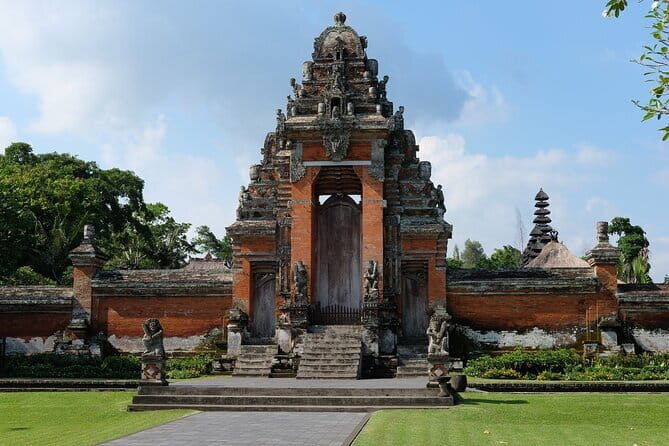
Then you head to Batuan Temple itself. This complex is described as charming and very historical, built with bricks, stone, and wood, and featuring ancient sculptures and architecture. Even if you’re not a temple-history person, you’ll likely enjoy the texture here: the materials, the layout, and the sense that this is a living place rather than a theme park.
What to expect: a mix of indoor/outdoor viewing and time to slow down. You’re not just standing behind a crowd; you can take in details and ask questions through your English-speaking driver.
A practical caution: temple sites and traditional compounds often involve uneven ground and short walks. Wear shoes you trust, especially if your cruise day is humid or the paths are slick.
Tegalalang Rice Terrace: irrigation channels, green views, and a real walking moment
Next comes the Tegalalang Rice Terrace. This is the stop that turns your photos into a story, because you’re not just viewing from a single viewpoint—you’re walking through the terraces.
The experience centers on the bright green rice landscape and the irrigation channels. You’ll stroll along water channels used for farming, which makes the place feel functional, not just scenic. It’s one of those sites where you can look at the same view from two angles and realize the layout is doing something practical.
Why this stop is valuable: Bali’s agriculture is part of daily culture. When you see irrigation in motion (or at least see how it’s routed), it helps your brain understand why these terraces matter to local life.
Time reality: the visit is relatively short, so you’ll want to be ready to move. If you love long, slow hikes, this won’t replace a full-day trekking plan—but for a shore excursion, it’s a good balance.
Gunung Kawi Sebatu spring holy water: purification rituals and volcanic pools

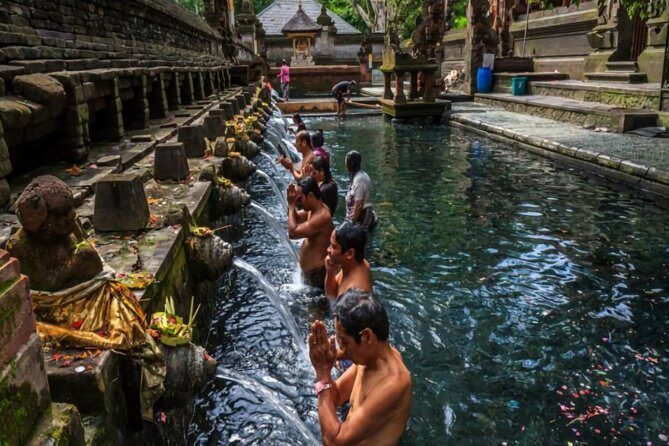
After the rice terraces, you’ll go to Gunung Kawi Sebatu, also described as the Spring Holy Temple. This is where the day shifts from agriculture to spirituality.
Here, spring holy water is connected to volcanic pools that rise up from the ground. Those sacred waters are used for ritual purification, and the site is set up for prayer and reflection. Even if you don’t fully follow every ritual, the idea is easy to grasp: water isn’t just scenery here—it’s part of a daily spiritual relationship.
What I’d watch for during your visit: the atmosphere and how people use the space. The most meaningful moments tend to be quiet ones—observing how visitors and locals approach the water and the prayers without needing a guidebook script.
Practical consideration: like many sacred sites, you should expect rules about behavior and movement, even if the specifics aren’t listed here. Keep your voice low, follow any guidance from the driver or site staff, and take your time where it feels appropriate.
Ubud art market: browse batik, wood carving, and paintings (and plan for spending)

The final stop is the Ubud Traditional Art Market. This is your chance to shift from heritage sites to modern craft culture—paintings, wood carving, and batik are all part of what you can expect to see and browse.
One key detail: the art market entrance isn’t included. That means you should treat this as the stop where extra small costs can appear. And because food and drinks aren’t included anywhere in the tour, the market can also become the moment you decide to snack or buy a drink on your own.
This is also where a strong driver can help. In one standout example from an English-speaking guide (Rukun), the service included helping the shopper find specific items they wanted. If buying is part of your goal, having someone who can communicate where to go can save you time—and keep you from feeling rushed.
How to shop smarter (without turning it into stress):
- Set a budget before you enter.
- Decide what matters most: batik patterns, wood carving style, or painting themes.
- If you find something you like, ask the driver for guidance on whether it’s worth the price range you’re seeing.




The real value of $60: what you’re paying for

At $60 per person, this isn’t a “cheap taxi plus a map” kind of tour. You’re paying for a private vehicle, a driver who speaks English, and (importantly) entrance tickets included for the sites along the route.
That combination can be good value on cruise days, when your priority is minimizing time lost to logistics. Multiple separate rides and ticket lines add up fast, and you don’t always get a clear plan when you’re doing it yourself.
What drives value here:
- Private transport that takes you between several different areas
- Entrance tickets included for the cultural stops
- A driver who can handle communication and timing on the ground
- A flexible art-market ending where you can buy or just browse
Where the money doesn’t cover everything: food and drinks. Also, the art market entrance isn’t included. So budget a bit extra for personal spending.
If you’re traveling solo, it can still be worthwhile if you want a smooth, low-effort day. If you’re traveling as a couple or small group, the private format usually feels more economical because the transport cost isn’t being split across strangers.
Reliability check: what the no-show issues teach you

I’m going to be practical here. There are reports of the tour operator not showing up and of contact problems—like missing a local phone number or unclear meeting information. Those failures are rare, but they’re serious when you’re on a cruise schedule.
So here’s the best way to protect yourself:
- Confirm the exact meeting point at Benoa before you leave the ship area.
- Keep your confirmation details accessible offline.
- Be ready to identify your driver quickly when they arrive.
- If you don’t see the driver at the agreed time window, contact the operator immediately using the details provided at booking.
Private tours are usually smooth. But when something goes wrong, you want to already have the right info in your hands.
Who this shore excursion fits best

This tour fits best if you want a guided day that balances cultural sites and a walking stop, without making you plan each transfer. You’ll likely enjoy it if you like temples, architecture, and simple explanations of Balinese traditions.
It’s also a good option if you want a driver who can support personal preferences. One person’s experience described how guide Rukun customized what they could do, depending on their own timing—something that can matter on a cruise day when plans shift.
If you’re the type who loves long, slow exploration at one site, you may find the visits move at a comfortable but still “shore excursion pace.” This is about variety and efficiency in a single day.
Should you book this Benoa shore excursion?
If your goal is to see several top Bali highlights in one organized private day, this is a solid pick—especially because you get pickup from the port, an English-speaking driver, and entrance tickets included for the main stops. The rice terrace walk plus the spring-water temple gives you a memorable mix of everyday farming and spiritual practice.
I’d book it if you’re ready to do some short walks, you’re fine with paying a bit extra for food and market browsing, and you’ll verify your meeting details so you’re not left waiting at the dock.
I’d skip or rethink it if you hate any risk tied to meeting a driver on a cruise schedule. Then again, almost any shore excursion has that same core dependence—so your best move is preparation and clear contact.
FAQ
What is the duration of this Bali private shore excursion from Tanjung Benoa?
It runs for about 7 hours.
What time does the tour start?
The start time is 8:00am.
Where does the tour meet?
You meet at Benoa Harbour after you disembark from your cruise.
Is pickup and drop-off included?
Yes. Port pickup and drop-off are included.
What does the price include?
The tour includes a private vehicle, an English-speaking driver, fuel surcharge, entrance tickets (for the listed included sites), and private-tour transport.
Are food and drinks included?
No. Food and drinks are not included.
Are entrance tickets included for the Ubud art market?
No. The Ubud art market entrance is not included.
Is this a private tour?
Yes. Only your group will participate.
Is there free cancellation?
Yes. You can cancel for a full refund up to 24 hours before the experience’s start time.
Is there a mobile ticket?
Yes. A mobile ticket is offered.