REVIEW · UBUD
Bali Fruit Carving Class
Book on Viator →Operated by Wandernesia · Bookable on Viator
Carving fruit into art sounds oddly satisfying. In Lodtunduh, Ubud, this hands-on fruit carving class turns everyday produce into flowers, animals, and even name carvings, taught step by step in a small setting. The studio meet-up is straightforward, and the class is paced for real beginners and kids (yes, ages 4–65) alike.
I really like the small group size (max 10) because you get more attention while you practice your cuts and shapes. The other big win is that everything is provided—equipment, materials, plus a welcome drink, snack, and a certificate. One thing to consider: you’ll need patience and precision, because decent results come from slow, careful carving, not speed.
In This Review
- Key Things You’ll Notice Right Away
- Fruit Carving in Ubud: What You’ll Make (and Why It Feels Different)
- Your 10:00 AM Studio Session in Lodtunduh (What the 2 Hours Feel Like)
- What’s Included: Snacks, Tools, Drinks, and the Certificate Finish
- How the Carving Lesson Works: Patience, Precision, and Step-By-Step Results
- Choosing Your Design: Flowers, Animals, and Carving Your Name
- The Setting in Lodtunduh: Why the Morning Feels Calmer Than You’d Expect
- Pricing and Value: Is $39 Worth It in Ubud?
- Who Should Book This Fruit Carving Class (and Who Might Not)
- Extra Craft Options at the Studio Area
- Should You Book This Bali Fruit Carving Class?
- FAQ
- What is the duration of the Bali fruit carving class?
- Where does the class meet in Ubud?
- What time does the class start?
- What is included in the price?
- What is not included?
- How big is the group?
- Who can join this class?
- Do I get a ticket on my phone?
- What is the cancellation policy?
- How quickly will I get confirmation after booking?
Key Things You’ll Notice Right Away
- Small group of up to 10 means more coaching while your hands learn the technique
- 2 hours of practice gives you enough time to finish a real piece, not just watch demos
- Tools, materials, and equipment included so you don’t waste energy figuring out what to bring
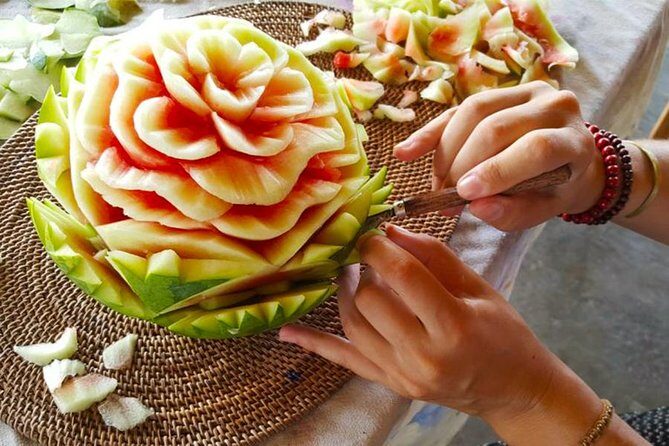
- You can carve a flower, animals, or your name using fruit like watermelon and papaya
- Welcome drink, traditional snack, and certificate add a nice finish to the morning
Fruit Carving in Ubud: What You’ll Make (and Why It Feels Different)
This isn’t a craft class where you leave with a rough idea. The goal here is to help you turn fruit into something that looks like art—then make it edible at the end of the day. You’ll be guided through carving designs such as flowers and animals, and you can even personalize fruit with something like a name.
That mix—food + art + personal touch—is why this kind of class lands so well for couples, solo travelers, and families. You’re not just collecting a photo. You’re learning a technique that you can reuse at home when you slice a watermelon for a party or want a showy papaya platter.
And yes, the food part matters. The session uses fruit like watermelons and papaya, which means you’re working with familiar textures, not something totally unfamiliar. Carving fruit also changes the tone of the experience: it feels playful, not intimidating.
You can also read our reviews of more tours and experiences in Ubud

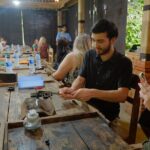
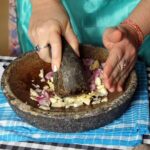
Your 10:00 AM Studio Session in Lodtunduh (What the 2 Hours Feel Like)
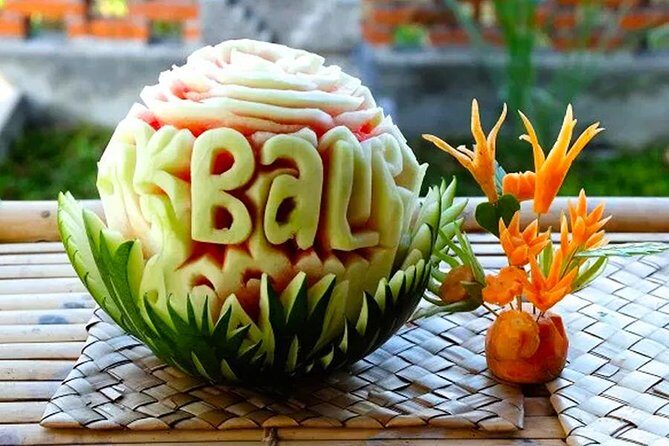
The class starts at 10:00 am in the Lodtunduh area of Ubud. You’ll meet at WS Art Studio Balinese Handicrafts, with the address listed for easy finding, and you’ll return to the same meeting point when it’s done.
Plan on about 2 hours. That time window is important. It’s long enough for you to go from first cuts to a finished design, but short enough that you’re not committing your whole day to one activity. For many people, it’s a smart morning add-on—especially if you’re already exploring Ubud that day.
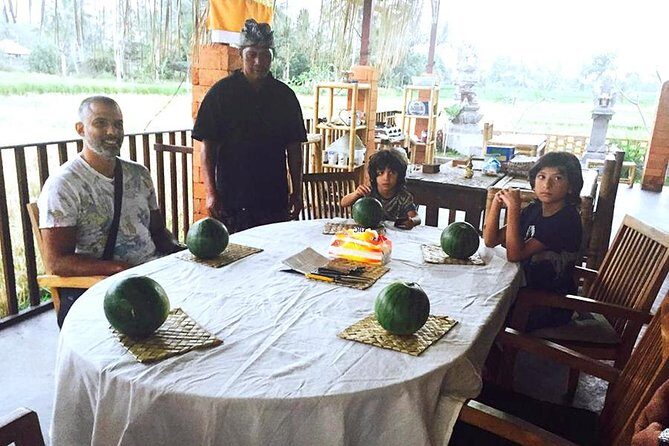
Because it’s a small group (max 10), the class rhythm usually feels calm. You’re practicing while the instructor shows technique, then checking your own progress. If you’re traveling with kids, this format also tends to work better than big group demos where everyone waits their turn.
What’s Included: Snacks, Tools, Drinks, and the Certificate Finish
For $39, the value is not just the instruction—it’s the setup. The class includes equipment and materials, which removes the most common hassle in hands-on activities: figuring out what tools you’re supposed to bring.
You also get:
- Welcome drink
- Traditional snack
- Certificate
- Equipment and carving materials
That snack-and-drink combo is more than an extra. It helps you keep your energy up during a precision task. Fruit carving involves focus, and it’s easier to stay patient when you’re not running on an empty stomach.
The certificate is a small detail, but I like it for two reasons. First, it gives the class a real ending. Second, it’s a fun keepsake if you’re traveling with kids or you want a tangible reminder you actually did something skill-based, not just toured a place.
How the Carving Lesson Works: Patience, Precision, and Step-By-Step Results
The core message is simple: fruit carving takes patience and precision. Your instructor will show you the technique, then you practice until the carving starts looking like the design you’re aiming for—whether that’s a carved flower, an animal, or a personalized fruit piece.
Here’s the key to getting value out of the class: treat it like skill-building, not just a craft. Your first attempt might not look perfect, and that’s normal. The fun part is learning how small changes in your cut angle, depth, and rhythm can completely change the look of the final piece.
Also, because the class is meant for a wide age range (ages 4–65), the approach should feel doable. You’re not expected to be an artist on day one. You’re learning technique you can repeat—so even if you don’t end up with a museum-quality piece, you’ll still walk away with a method.
If you’re the type who likes structured steps, you’ll probably enjoy this. If you’re the type who gets impatient with slow crafts, remind yourself that the best-looking carvings come from careful work.
Choosing Your Design: Flowers, Animals, and Carving Your Name
One of the best parts of a fruit carving class is the freedom to choose what you want to make. You can work on designs like:
- A flower
- Animals
- Your name (carving text on fruit)
That option changes the feel of the class from generic to personal. A flower design is great if you want something classic and pretty. Animal shapes can be more playful, especially for kids or anyone who likes a little whimsy. Carving your name is ideal if you’re hoping for something more memorable than just an object on the table.
When you think about the fruit itself, you’re working with different surfaces—watermelon and papaya are mentioned—so your carving experience can vary slightly by fruit type. It’s another reason this class is worth doing: it teaches technique across real, edible materials.





The Setting in Lodtunduh: Why the Morning Feels Calmer Than You’d Expect
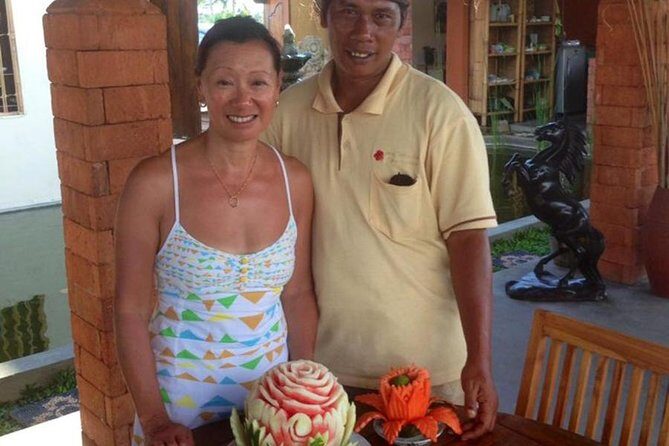
Ubud’s Lodtunduh area is known for its laid-back atmosphere, and at least part of the appeal here is how the setting supports the activity. One review highlights a calming outlook of rice fields, which makes sense for this type of class. When you’re doing a careful craft, your environment matters more than you think.
In addition, the class experience includes food and drink that make it feel like more than just a workshop. You’ll have a welcome drink plus a traditional snack. In the same spirit, morning tea is mentioned as delicious as well, which fits with the overall pace—slow enough to focus, friendly enough to enjoy.
If you’re scheduling Ubud around lots of temples and hikes, this is a nice change of pace. You’re getting a break from constant walking and heat while still doing something that feels culturally connected through local craftsmanship.
Pricing and Value: Is $39 Worth It in Ubud?
At $39 per person for about 2 hours, this class is priced in the “experiential workshop” category—so you’re paying for instruction, the tools/materials, and the guided practice. The value comes from the fact that you don’t have to factor in extra costs for supplies.
What makes it feel fair:
- Materials and equipment included
- Small group size (max 10)
- You get a finished carving rather than only a demo
- Welcome drink + traditional snack included
- Certificate included
When classes like this are overpriced, it’s usually because you’re mostly watching, or you’re missing key inclusions and get hit with add-ons. Here, the key inclusions are listed up front, so you can plan without surprise.
One practical note: there’s no transport service included. Since the class is near public transportation, you’ll want to handle your own route into Lodtunduh. If you’re already based in Ubud, that usually makes it a low-friction add-on.
Who Should Book This Fruit Carving Class (and Who Might Not)
This is a strong fit if you want:
- A hands-on skill you can repeat later
- A calm, focused activity in the Ubud area
- Something suitable for mixed ages (ages 4–65)
- An experience that includes snacks, drink, and a certificate
It’s especially good for families because fruit is approachable and the class can work across a broad age span. Couples and solo travelers also tend to like it because you can leave with something tangible—plus photos that actually show what you learned.
Who might reconsider:
- If you hate slow, careful work, fruit carving might feel demanding. The class requires patience and precision, and that’s not a great match for people who want instant results.
- If you want a purely sightseeing day, this is more workshop than tour.
Extra Craft Options at the Studio Area
The studio is set up for Balinese handicrafts, and wood carving and jewelry craft are mentioned as options there too. That doesn’t change what you’ll do in this specific class, but it’s a nice upside: if you enjoy the carving vibe, you can often browse what else is happening in the broader craft space.
Should You Book This Bali Fruit Carving Class?
If you like practical, beginner-friendly activities that end with something you made yourself, this class is a solid yes. The combination of small group attention, tools/materials included, and a clear 2-hour structure gives you a good shot at finishing with a result you’re proud of.
I’d book it if you want a break from heavy touring and you’re curious about turning fruit into art with a guided technique. Skip it only if you’re short on patience—this is a craft where careful cuts matter more than speed.
If your plan includes Ubud in the next week, it’s also smart to reserve ahead. The class is commonly booked about 5 days in advance, and it has a tight cap of 10 travelers, so planning helps.
FAQ
What is the duration of the Bali fruit carving class?
The class runs for about 2 hours.
Where does the class meet in Ubud?
You meet at WS Art Studio Balinese Handicrafts, in Lodtunduh, Ubud, Gianyar Regency, Bali 80571, Indonesia.
What time does the class start?
The start time is 10:00 am.
What is included in the price?
The class includes an instructor-guided fruit carving experience plus certificate, welcome drink, traditional snack, equipment, and materials.
What is not included?
Transport service, personal expenses, and insurance are not included.
How big is the group?
The tour/activity has a maximum of 10 travelers.
Who can join this class?
It’s listed for ages 4 to 65, and most travelers can participate.
Do I get a ticket on my phone?
Yes, it offers a mobile ticket.
What is the cancellation policy?
This experience is non-refundable and cannot be changed for any reason.
How quickly will I get confirmation after booking?
Confirmation is received within 48 hours of booking, subject to availability.
If you tell me your travel dates and where you’re staying in Ubud (roughly), I can help you think through the easiest timing for this 10:00 am slot.