REVIEW · UBUD
Balinese Authentic Cooking Class in Ubud
Book on Viator →Operated by Lesung Bali · Bookable on Viator
Spices, mortars, and a real Balinese pace.
This half-day Balinese cooking class in Ubud strings together the places that shape the food: a traditional market (morning only), a Balinese family home, and a farm stop where you harvest spices. It’s run as a small-group experience (up to 15 people), so you’re not just watching from the back.
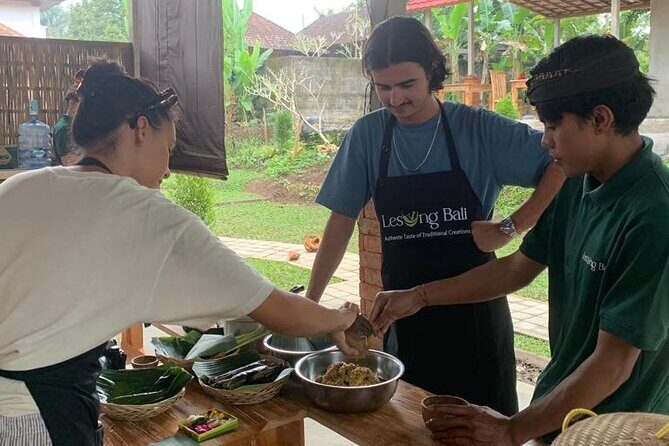
I really like two things about this class. First, the market-to-kitchen flow gives you a fast sense of what you’re cooking and why, including buying spices and spotting key local ingredients. Second, the teaching style is hands-on, with classic techniques like grinding spices using the Lesung (mortar and pestle), and instructors such as Putri or Ron are described as patient and willing to explain.
One possible drawback: because the schedule packs in multiple stops plus cooking in about 5 hours, the pace can feel a bit quick, and in some sessions you might not personally cook every single component (for example, rice may be handled differently than the other dishes).
In This Review
- Key things to know before you go
- From market stalls to your spice bag: how the Ubud morning works
- A Balinese house visit: family compounds, daily life, and how people live
- The farm stop and Lesung grinding: where the lesson gets hands-on
- Cooking time in a small-group setting: menu choices, techniques, and dessert
- Where this class happens in Ubud: west-side countryside, transfers, and group limits
- Price and value: what $39.71 buys you in real experience
- Who this Balinese cooking class suits best
- A balanced take: the small tradeoffs to expect
- Should you book this Balinese cooking class in Ubud?
- FAQ
- How long is the Balinese cooking class in Ubud?
- What time options are available?
- Is the market visit included?
- Do they offer vegetarian and vegan menus?
- What’s included in the price?
- Is pickup included if I stay outside Ubud?
- What is the cancellation policy?
Key things to know before you go
- Morning market is included only for morning classes, with time to buy spices and see what locals shop for.
- You tour a real Balinese home and learn how the house is set up for daily life and family life.
- Farm harvesting is part of the lesson, so the ingredients you use feel less like a grocery list.
- Hands-on spice work is central, including Lesung-style pounding and chopping techniques.
- Diet options are built in: regular, vegetarian, and vegan menus are available.
- You get to eat what you make, and the portions can be more than you expect, so come hungry.
From market stalls to your spice bag: how the Ubud morning works

If you choose the morning class, the day kicks off at a traditional morning market. You’ll see ingredients that are common in Balinese cooking—fruits, vegetables, herbs, and spices—and you get time to buy spices from the local stalls. It’s one of the best parts because you start with context, not just a recipe.
I like that this doesn’t feel like a random add-on. The market visit connects directly to what you’ll cook later, so when the chef talks about flavor bases and spice blends, you’re already picturing the ingredients. Some sessions also include small tastings of local fruits during the food walk, which helps you understand the range of flavors in the region.
Timing matters here. The morning market option is specifically for morning classes, so if you pick afternoon or evening, you skip that market stop and start later in the overall flow.
You can also read our reviews of more cooking classes in Ubud


A Balinese house visit: family compounds, daily life, and how people live
After the market (or after the earlier portion of the schedule in non-morning slots), you’ll visit a local Balinese house. The focus is on how the place works for daily living and family routines, including how the home is arranged and set within a family compound setup.
What makes this stop useful for your trip is that it’s practical, not theoretical. You’re not just looking at architecture—you’re learning about the idea of the home as a lived space, where daily life, culture, and routines show up in the layout. If you enjoy getting context before you eat, this helps a lot.
You’ll also have a break here with coffee and/or tea and small snacks. That downtime is more than comfort—it’s time to ask questions and settle in before you move to the farm and the kitchen. Several instructors (including Ron and Don in different sessions) are described as friendly and informative, which helps the home tour feel like conversation rather than a lecture.
The farm stop and Lesung grinding: where the lesson gets hands-on
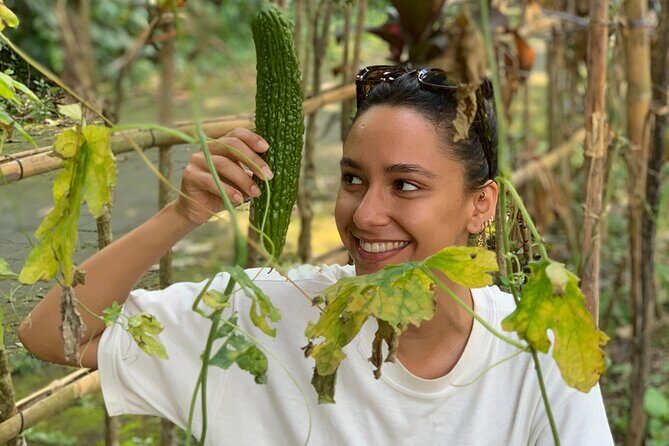
Next comes the farm. The goal is simple: you explore the grounds, and you harvest spices you’ll use during the cooking lesson. Even if you’re not a big “farm person,” this step changes how you experience the class because you see the ingredients as grown, not packaged.
You’ll likely notice the lesson structure here: pick or gather the ingredient, then use it in the dishes. That connection makes the cooking instructions easier to follow because you can match the chef’s explanation to something you just saw.
Then comes one of the signature techniques—spicing and grinding with the Lesung mortar and pestle. Reviews often mention the satisfying, old-school feel of pounding and grinding spices by hand. This is where you’ll get a real sense of what Balinese seasoning is made of, since many flavor layers start with freshly ground spice mixes.
If you like doing things with your hands, this is your moment. Even if you’re a beginner, the class style described in feedback emphasizes learning by doing, with instructors guiding you through the steps.
Cooking time in a small-group setting: menu choices, techniques, and dessert
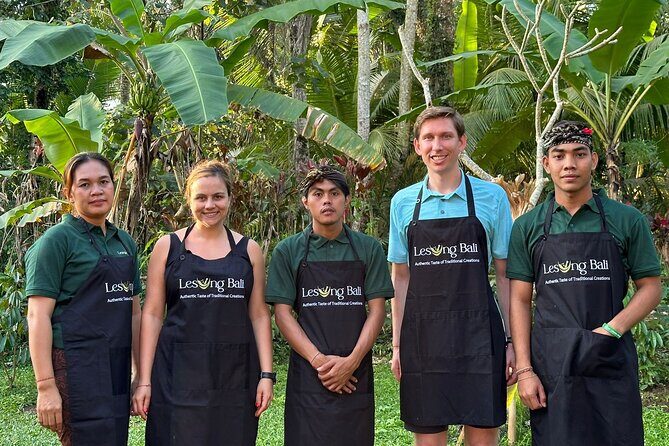
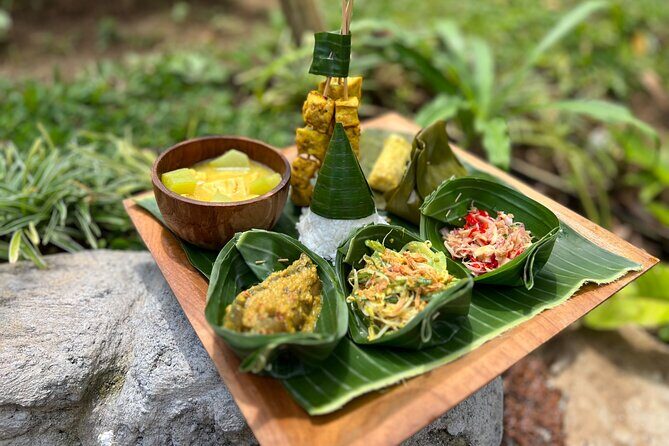
Once you decide the menu, the chef takes you through the cooking process. You’ll cook a set of authentic Balinese dishes, and in many sessions that means around six dishes, often with dessert included at the end. The exact menu can vary by your choices, but the rhythm of the class stays consistent.
Here’s where the dietary options matter. The class offers regular, vegetarian, and vegan menu choices, so you can eat a version that fits your needs without feeling like you’re being handed a compromise. I also like that the class is designed for different comfort levels: if you’ve cooked before, you’ll enjoy the traditional techniques; if you haven’t, you still get real work to do with help.
Expect instruction on chopping, pounding, and classic flavor-building steps. The chef explains what ingredients you’ll use, what tools to use, and the idea behind the sequence—so you’re not just copying motions. In feedback, instructors like Putri and Gustie are highlighted as patient, comfortable teaching beginners, and willing to explain in detail.
Come hungry, because the end result is usually a lot of food. Multiple reviews mention leaving full, with portions that can exceed what you expect for a half-day. Also, even when the class covers several dishes, you typically still get to taste everything you cook, which is the whole point.
Where this class happens in Ubud: west-side countryside, transfers, and group limits
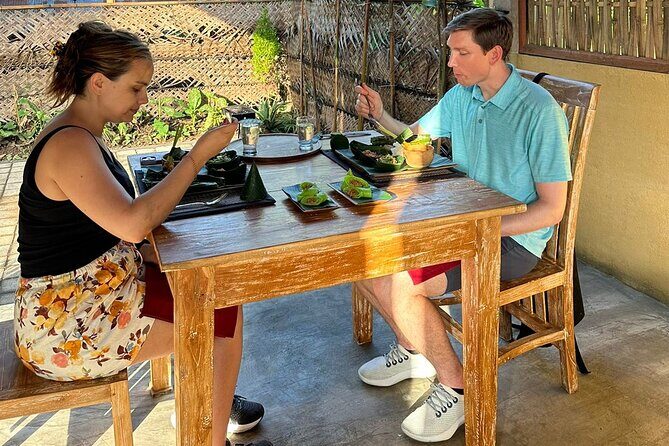
The cooking school is located on the west side of Ubud, in an area with a countryside feel and lots of green around you. That setting is part of the value because it makes the experience feel away from the busy center, even though you’re still close enough to reach Ubud easily.
Group size is capped at a maximum of 15 travelers. In practice, that small number is why people mention personal attention and hands-on help. If you hate tours where you’re lost in a crowd, this format is built for you.
Transportation is also worth planning around. The class includes transfers from Ubud, plus a free shuttle service within the Ubud area only. If your hotel is outside Ubud, you’ll pay extra based on the area—different fees are listed for places like Nusa Dua and Jimbaran, Uluwatu, and the Kuta/Seminyak/Sanur/Canggu side.
A/C vehicle is included as well, which helps when you’re heading out in warmer hours. And because the day is about 5 hours, you’re not committing your whole afternoon to logistics.
You can also read our reviews of more tours and experiences in Ubud

Price and value: what $39.71 buys you in real experience
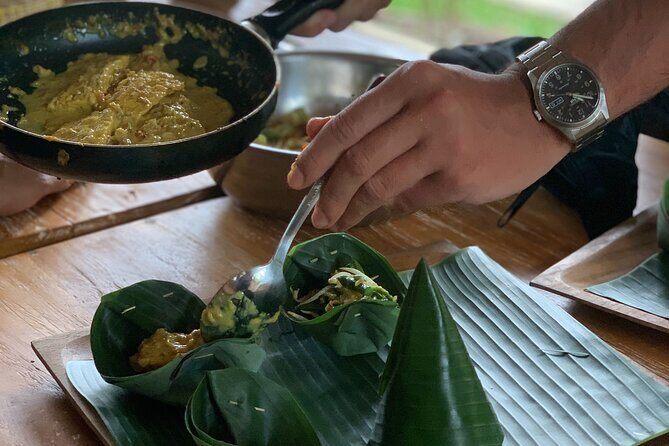
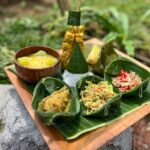
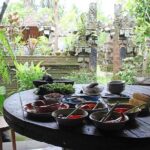
At about $39.71 per person, this class is priced like a serious culinary activity, not a basic demo. The best part is that the price covers both the cultural stops and the cooking. You’re not paying only for the kitchen portion—you’re also getting the market (morning only), home visit, farm harvesting, and guided instruction.
Here’s what’s included, in practical terms: coffee and/or tea, mineral water, a Balinese cake, all fees and taxes, an air-conditioned vehicle, and free shuttle service for Ubud area only. Group discounts and a mobile ticket option are also part of the setup.
What to plan for: if you’re staying outside Ubud, transportation can change the true cost. Also, the class needs good weather. If weather cancels the experience, you’ll be offered a different date or a full refund.
If you want a simple value test, use this: if you care about food plus culture plus hands-on cooking, you’re getting multiple parts for one payment. If you only want recipes and you don’t care about the ingredients and context, you might decide something more kitchen-focused could fit better. But for most food travelers in Ubud, this package-style lesson hits a sweet spot.
Who this Balinese cooking class suits best
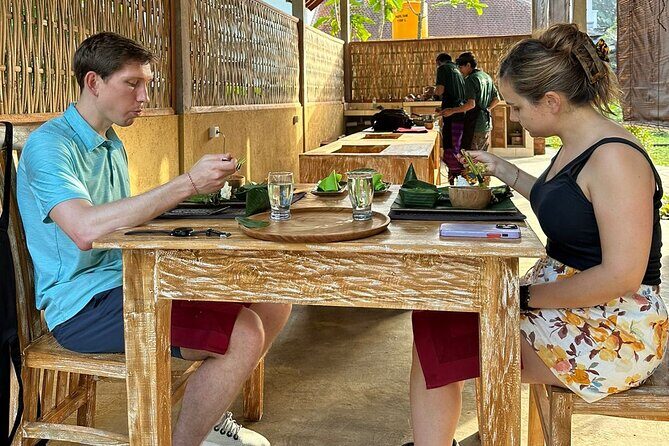
This tour works especially well if you like authentic food learning, hands-on experiences, and cultural context in the same half-day. You’ll likely enjoy it whether you’re the type who cooks at home or you just want to learn techniques you can bring back later.
It also suits solo travelers because the group stays small and the format encourages interaction. Many people say they felt comfortable participating and getting help without feeling lost, even at the start of the cooking process.
If you’re traveling as a couple or with friends, the small group can feel friendly, and group discounts are listed. Just note that the schedule includes multiple stops, so it’s best if you’re okay moving through a day plan without lingering for hours at any one location.
A balanced take: the small tradeoffs to expect
A half-day program that includes market, home, farm, and cooking can feel like it moves fast. In one feedback example, a participant felt slightly rushed at times, and another mentioned rice was not cooked by them the way they expected. That doesn’t mean the class is low-quality—it just means it’s structured, and you’ll want to ask questions if something isn’t explained the way you hoped.
Also, weather is a real factor. Because you’re outdoors for the farm and market segments (at least morning for market), you’ll want flexible plans for heat and rain.
If you’re the kind of traveler who wants very slow pacing, private time, and every single dish cooked start-to-finish by you, this may not match your style. But if you’re happy with guided participation and a full meal at the end, it’s a strong fit.
Should you book this Balinese cooking class in Ubud?
Book it if you want a half-day that connects Balinese cooking to where ingredients come from and how people live—market, home, and farm all in one flow. I think it’s a smart choice for first-time cooks because the teaching is described as patient and step-by-step, with real technique like Lesung spice grinding.
Skip it only if you’re short on time and want a purely kitchen-only experience, or if you need a very unhurried schedule with zero outdoor weather dependence. If you’re flexible and you want to leave with both full stomach and new skills, this is one of the more practical ways to spend a morning, afternoon, or evening in Ubud.
FAQ
How long is the Balinese cooking class in Ubud?
The class runs about 5 hours.
What time options are available?
You can choose morning, afternoon, or evening classes.
Is the market visit included?
Yes, a traditional market tour is included for the morning class only.
Do they offer vegetarian and vegan menus?
Yes, regular, vegetarian, and vegan options are available, and you choose the menu.
What’s included in the price?
Coffee and/or tea, mineral water, a Balinese cake, an air-conditioned vehicle, all fees and taxes, and free shuttle service within the Ubud area are included.
Is pickup included if I stay outside Ubud?
Pickup is included from Ubud, but extra transportation fees apply for areas outside Ubud (different IDR amounts are listed by area).
What is the cancellation policy?
You can cancel for a full refund up to 24 hours before the experience starts. Weather issues may lead to a different date or a full refund, and there’s also a minimum traveler requirement that can cause cancellation with the option of a different experience/date or a refund.