REVIEW · UBUD
PRIVATE Authentic Balinese Cooking Class in Ubud at Putu’s Home
Book on Viator →Operated by Traveling Spoon · Bookable on Viator
You’ll cook and eat in a real family home.
This private class with Putu is interesting because you’re not stuck in a studio or a demo kitchen. Two things I really like: you cook with fresh ingredients from Putu’s farm/garden, and she explains the spice logic and the meaning behind daily Balinese Hindu home life. One possible drawback: the kitchen experience is practical and outdoors-ish, and because the house is about 40 minutes from Ubud center, the whole plan is best if you keep a little buffer.
Pick lunch or dinner, then get a hands-on lesson followed by a feast you actually made. You’ll typically cover about 5 dishes in roughly 3 hours total (the teaching/cooking time is about 1.5 hours), with round-trip door-to-door private transport from Ubud hotel areas.
In This Review
- Key highlights to know before you go
- A private Balinese kitchen setup at Putu’s family compound
- What you’ll cook: 5 Balinese dishes using garden ingredients
- The real itinerary: how the 3-hour plan usually unfolds
- Temple stories and traditional medicine: the cultural part that actually connects
- The meal, local alcohol, and what to expect when you sit down
- Price in plain terms: why $75 can feel like good value
- Practical tips that make the day smoother
- Who this class fits best (and who might want a different option)
- Should you book Putu’s private Balinese cooking class in Ubud?
- FAQ
- Is this cooking class private or shared?
- How long is the experience?
- Do I get lunch or dinner options?
- What dishes will I cook?
- Is vegetarian or vegan food available?
- Is alcohol included?
- Is transportation included from anywhere in Bali?
Key highlights to know before you go
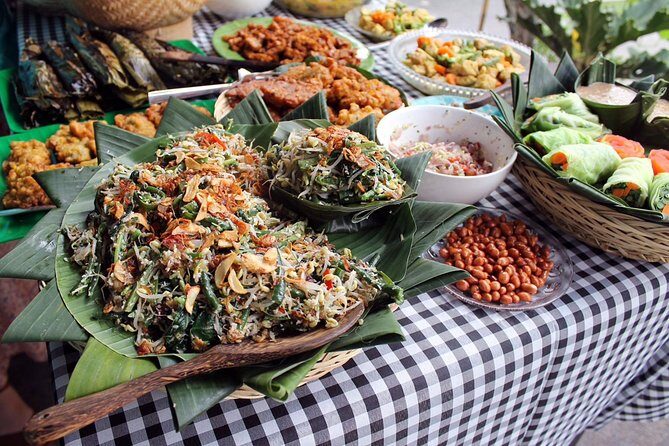
- Farm-to-board learning: Most ingredients come from Putu’s own garden and family farm, so the lesson starts with what’s growing right now.
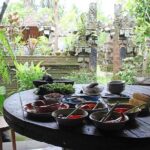
- A Balinese home tour that matters: You’ll see how different parts of the compound and family temple are used, not just snap photos.
- You cook with real technique: Grinding spices, chopping, grilling/steaming methods, and rice steamed the traditional way.
- Adjust your spice level: Putu helps you get the flavor where you want it, which makes this work even if you’re not a heat person.
- Food + recipes afterward: You’ll leave with more than a full stomach—Putu shares the recipes so you can repeat the dishes at home.
- Local alcohol included (small amount): Expect 1–2 glasses, with non-alcoholic drinks available too.
A private Balinese kitchen setup at Putu’s family compound
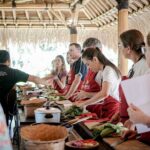
This isn’t a big-group “kitchen theater.” You go to Putu’s ancestral village home and join her multigenerational family—Putu, her grandparents, her husband, and their children—for a lunch or dinner class in their compound.
What makes that feel real is the pacing. You’re welcomed, you’re guided through the space, and then you cook with the ingredients and rhythms that make sense to the household. The atmosphere is family-first: kids can be around, grandparents have roles, and you’ll get a sense for how a compound house is organized day-to-day rather than just visited for a quick photo stop.
One detail I appreciate for planning: the kitchen area can be simple and largely outdoors. That’s not a downside if you’re there to cook and learn. It does mean you should expect a practical setup, not a polished restaurant burner station.
You can also read our reviews of more private tours in Ubud



What you’ll cook: 5 Balinese dishes using garden ingredients
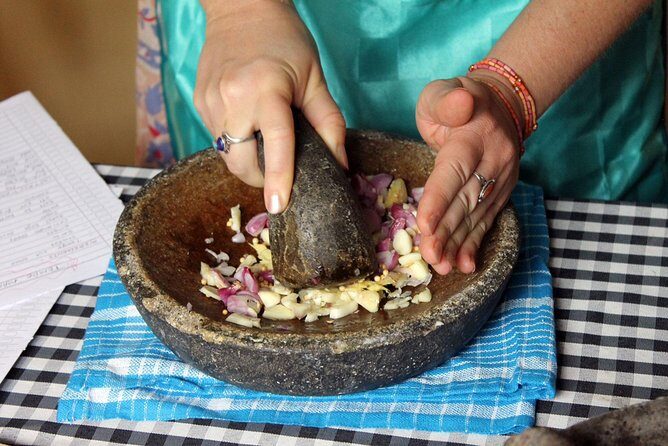
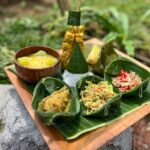
The menu is seasonal, but the experience is built around classic Balinese flavors. Expect to prepare dishes like grilled fish, banana leaf parcels, and curry—plus additional items so you end up making about five dishes total.
Here’s what makes the cooking portion educational (not just “follow me” steps):
- Spices get treated as the engine, not a garnish. Putu talks through how she combines aromatics and how the spice profile builds dish by dish.
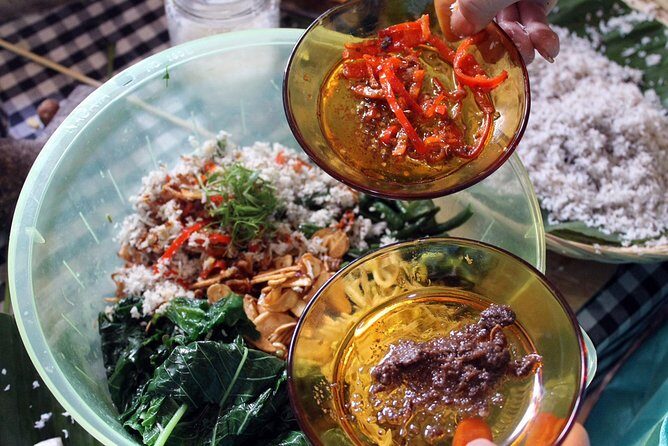
- Hands-on prep is the point. You’ll chop on blocks, grind ingredients by hand for certain components (and you may learn a traditional satay-style approach), and use methods like steaming rice with traditional tools.
- You get to taste while you go. The rhythm tends to be: prep → cook → taste → tweak. That’s how you learn what to change rather than memorizing a script.
If you’re the kind of person who hates surprises in food lessons, don’t stress too much: you’ll be told the plan as you go, and you can request vegetarian or vegan options when you book. If you have allergies or dietary restrictions, you should flag them at booking so Putu can adjust.
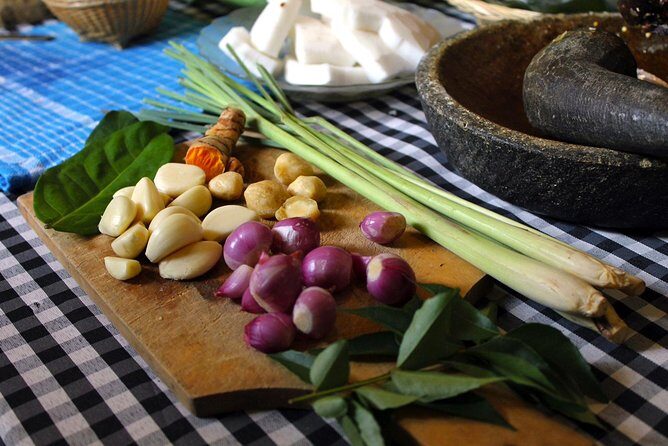
Also worth noting: Putu shows you the produce and ingredients before cooking, which gives your brain a map. After you’ve seen the ingredient in the garden, it’s easier to remember what it tastes like and why it belongs in that dish.
The real itinerary: how the 3-hour plan usually unfolds
The overall experience is about 3 hours total, with the class portion around 1.5 hours, depending on lunch vs dinner timing and the pace of your group. The structure stays consistent:
1) Pickup and ride into the village area
If you’re staying in Ubud, round-trip transportation is included from your hotel area. This is one of the biggest quality-of-life wins here—someone else handles the route and timing so you can focus on food. Plan for the ride time; the home is roughly 40 minutes from Ubud center in practice.
2) Welcome, compound and temple orientation
Before you cook, Putu walks you through parts of her home compound and the family temple setup, including the cultural significance of where things are placed and why. You’ll hear about Balinese Hindu life in everyday terms—what people do, how they think, and how ingredients and rituals fit together.
This part isn’t just storytelling. It helps you understand why certain foods, offerings, and medicinal ingredients show up in Balinese cooking and daily routine.
3) Farm/garden produce check
You’ll see fresh produce coming from their garden and farm. One standout from experiences shared is that you may actually pick up or see ingredients close to harvest—like mangoes or mangosteen—so the food feels current, not pre-prepped.
4) Cooking five dishes together
Then it’s apron time. You’ll do active steps—chopping, grinding, assembling leaf parcels, grilling/steaming, and combining sauce components—while Putu guides you and corrects technique.
5) Sit down to the feast
After cooking, you eat everything you made as a group meal. It’s not a “taste and move on” situation. You’ll leave full, and many people appreciate that there can be leftovers packed to go.
A small note on pace: private usually means you can ask questions in real time. If your group is mixed (some strong cooks, some nervous hands), Putu tends to help everyone contribute without rushing you.
Temple stories and traditional medicine: the cultural part that actually connects
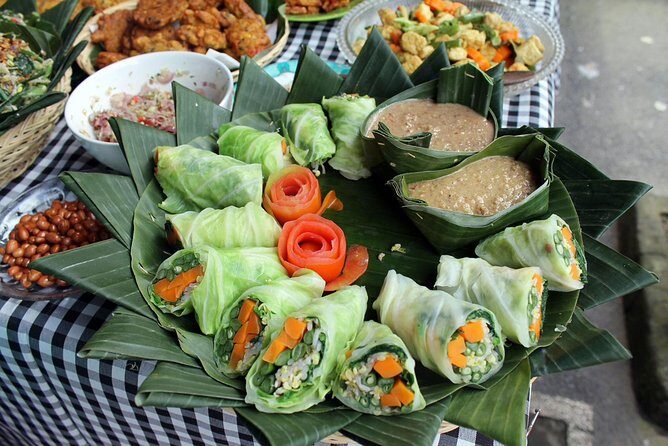
Food classes can feel like they only teach recipes. This one ties the cooking to how people live, worship, and care for the body.
Putu shares insights into:
- Balinese Hindu home life, including how the family temple is arranged and used
- spice and ingredient meanings, not just ingredient lists
- traditional Balinese medicines, described through the ingredients and their healing properties
You don’t need to be religious to find this useful. It’s practical context. When you understand that an ingredient is used in both meals and everyday remedies, it changes how you treat flavor and function. It’s also a respectful way to learn, because the explanations are tied to the household’s actual routines and beliefs.
One more thing I like: Putu has a clear sense of humor. The cultural talk doesn’t feel like homework. It feels like a host talking to you like you’re invited for dinner, then turning that dinner into a teaching moment.
The meal, local alcohol, and what to expect when you sit down
Your meal is part of the deal, not an add-on. You’ll feast on the dishes you cooked, and you’ll have beverages alongside it. Local alcohol is included, typically 1–2 glasses, and non-alcoholic drinks are also available.
How to think about this, practically:
- If alcohol isn’t your thing, you can still enjoy the full meal and learning. The included drinks are there, but it’s not a “must drink” atmosphere.
- If you prefer to avoid alcohol entirely, mention that when booking or at the start of the class so Putu can plan accordingly.
There’s also a comfort factor. The class ends with eating together—so you’re not juggling the stress of finding lunch/dinner afterward. A lot of people love that it beats eating out on “just another day” because you’re eating food with a backstory and a technique lesson behind it.
You can also read our reviews of more cooking classes in Ubud
Price in plain terms: why $75 can feel like good value
At $75 per person, this sits in the mid-range for Ubud cooking classes—especially since it’s private and includes round-trip transport from Ubud hotel areas.
Here’s why it can be good value:
- You’re paying for a full host-led evening in a real household, not a classroom setting.
- You get hands-on instruction and make about five dishes from scratch, including prep work that takes time (grinding, chopping, assembling, and cooking).
- The ingredients are fresh and tied to Putu’s garden/farm, so the class isn’t just about technique—it’s also about ingredient quality.
- You get a meal at the end. That’s hard to replicate when you’re just buying ingredients or doing a casual market tour.
The price can feel less “cheap” if you’re expecting only a short cooking demo. But if you want real cooking skills, cultural context, and a satisfying meal in one package, it tends to land as a strong trade.
One cost consideration: transport is included from Ubud. If you’re outside Ubud, there can be an extra transportation charge. If that extra fee would be painful, it may be worth comparing with classes that run closer to your accommodation.
Practical tips that make the day smoother
A few small things can make this experience go from good to easy.
- Ask for your dietary needs upfront. Vegetarian/vegan options exist, and you should also share allergies or restrictions at booking.
- Plan for the distance. Expect a longer ride than you’d guess from Ubud center, since the home is roughly 40 minutes away. That’s why the whole experience is about 3 hours.
- Consider night-class lighting. If you book dinner, you might cook after dark. One practical perk mentioned is that the kitchen area is well lit even at night.
- Use WhatsApp if you’re told to. In at least one experience shared, Putu uses WhatsApp for communication. If your phone supports it, download it before you go.
- Bring a comfortable mindset. The kitchen can be outdoor and hands-on. If you expect spotless cookware and silent prep counters, you’ll feel the mismatch. If you expect real cooking, you’ll feel right at home.
Who this class fits best (and who might want a different option)
This is a great fit if you:
- want a private cooking lesson instead of a group classroom
- care about where ingredients come from (garden/farm context matters to you)
- want real cultural context tied to daily life and Balinese Hindu home practices
- enjoy learning techniques you can repeat later (Putu shares recipes afterward)
It may be less ideal if you:
- need a fully indoor, restaurant-style kitchen environment
- have very strict timing and cannot handle the full 3-hour window plus travel time
- want a class that is purely cooking with zero cultural discussion
Most people who enjoy food-first travel will love this for the reason you can taste: you cook, you learn, and then you eat everything without rushing.
Should you book Putu’s private Balinese cooking class in Ubud?
If your trip includes Ubud and you want something more personal than a cooking studio, I’d book it. This hits the sweet spot: hands-on cooking, garden/farm ingredients, meaningful temple-home context, and a full meal that actually feels worth the time.
Book it especially if you want to learn the “how,” not just copy a recipe. You’ll leave with a better sense of spice building, rice and preparation methods, and the role ingredients play in daily Balinese life.
If you’re on the fence, the decision is simple: if the idea of cooking five dishes in a family compound home appeals to you, this is one of the most practical ways to get authentic Balinese food skills during a short stay.
FAQ
Is this cooking class private or shared?
It’s a private, personalized experience. Only your group participates.
How long is the experience?
The class is about 1.5 hours, and the full experience is roughly 3 hours total (including transport time).
Do I get lunch or dinner options?
You can choose between a lunch or dinner class based on your schedule.
What dishes will I cook?
You’ll prepare about five authentic Balinese dishes. Examples include grilled fish, banana leaf parcels, or curry, and the exact menu may vary by season.
Is vegetarian or vegan food available?
Yes. Vegetarian and vegan options are available if you advise the host at booking.
Is alcohol included?
Local alcohol is included (typically 1–2 glasses). Non-alcoholic beverages are also provided.
Is transportation included from anywhere in Bali?
Round-trip transportation is included from Ubud hotel areas only. If you’re staying outside Ubud, there’s an extra transportation charge.