REVIEW · UBUD
Balinese Cooking class with traditional morning market visit
Book on Viator →Operated by Bali Ubud Tour · Bookable on Viator
Curry, spices, and fresh fruit sounds like a plan.
This Ubud experience mixes a traditional morning market stop with a hands-on cooking class led by local chefs like Wayan and Dewa. You’ll start by choosing ingredients, then continue to the village of Laplapan for Balinese offerings practice before cooking and eating a full sit-down meal.
I especially like the small group size (max 8), because you get real coaching instead of watching from the sidelines. The other big win for me is that the transport is handled with air-conditioned pickup and rides, so you spend your energy on learning flavors, not timing and traffic.
One drawback to consider: it’s a 6-hour morning plan, so if you prefer long, slow afternoons (or sleep-in mornings), this one may feel like a lot before lunch.
In This Review
- Key Highlights Worth Booking For
- From Market Stalls to Cooking School: How the Day Flows in Ubud
- The Morning Market Stop: What You’re Actually Learning
- Laplapan Offerings: The Canang Step That Changes How You Think About Food
- Cobek Bali Workshop Style: Jungle Surroundings and a Clean, Practical Setup
- How the Chef Teaches: Starters, Mains, and Dessert With Real Guidance
- Dietary needs: what’s supported
- What You Eat: A Sit-Down Meal Built From Your Own Work
- Transport and Timing: Why Pickup and Air-Conditioning Matter More Than You Think
- Price and Value: Is $35 a Good Deal for Ubud Food Learning?
- Who Should Book This Cooking Class in Ubud (and Who Might Skip)
- Practical Tips to Get the Most From Your Market-to-Meal Morning
- Should You Book It?
- FAQ
- How long is the Balinese cooking class with market visit?
- Is hotel pickup included?
- How many people are in the group?
- What’s included in the price?
- Do you visit a traditional market?
- Is making Balinese offerings part of the experience?
- Is there time to cook multiple dishes?
- Can the class accommodate dietary requirements?
- What is the cancellation policy?
- FAQ
- Where does this experience take place?
- Do participants receive recipes to take home?
Key Highlights Worth Booking For
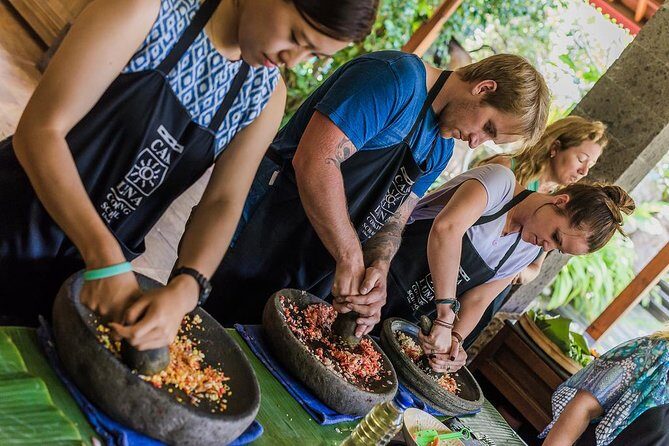
- Morning market shopping where you learn what ingredients are used (and why) instead of just picking a menu item
- Laplapan offering-making practice, including canang and related items
- Max 8 people for hands-on attention and fewer bottlenecks at the chopping station
- Chef-led cooking focused on Balinese techniques, not just recipes
- You eat everything you make as a sit-down meal, often described as beautiful and plentiful
- Pickup + air-conditioned transport makes the day feel easy even when the schedule starts early
From Market Stalls to Cooking School: How the Day Flows in Ubud
This is the kind of activity I like in Bali because it doesn’t treat food as a standalone show. It connects ingredients to culture, then culture back to flavor. The morning starts with pickup, so you don’t have to plan your own route into Ubud’s daily rhythm.
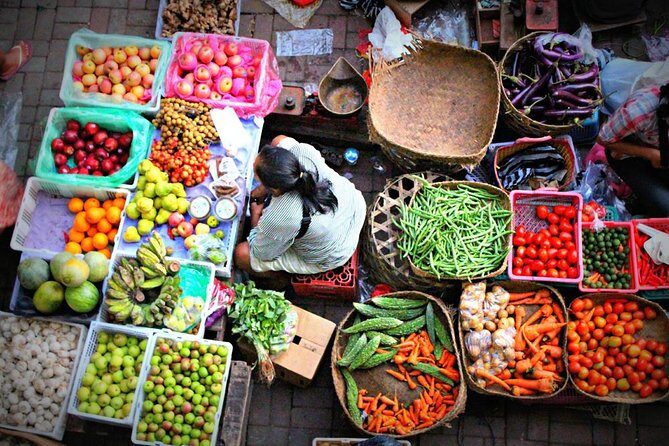
You head to a local fresh food market where the goal is practical: see the ingredients up close, smell and spot what’s fresh, and understand how Balinese cooking relies on specific herbs, produce, and spice blends. From the reviews, it’s not just a quick walk-through either. People describe being able to taste items and ask questions while a guide explains what you’re looking at.
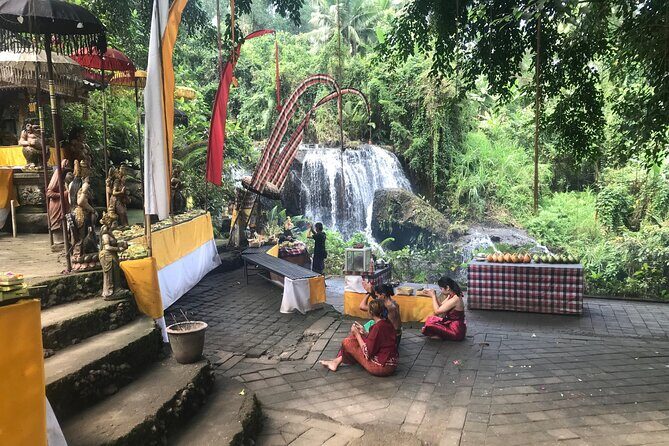
After the market, you continue on to Laplapan, where you’re welcomed by locals. This part matters because offerings aren’t a side quest here. They’re part of how daily life and daily meals connect. The day then shifts into the workshop setting where you’ll cook, eat, and leave with a stronger sense of what makes Balinese food taste like itself.
You can also read our reviews of more shopping tours in Ubud

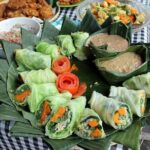
The Morning Market Stop: What You’re Actually Learning
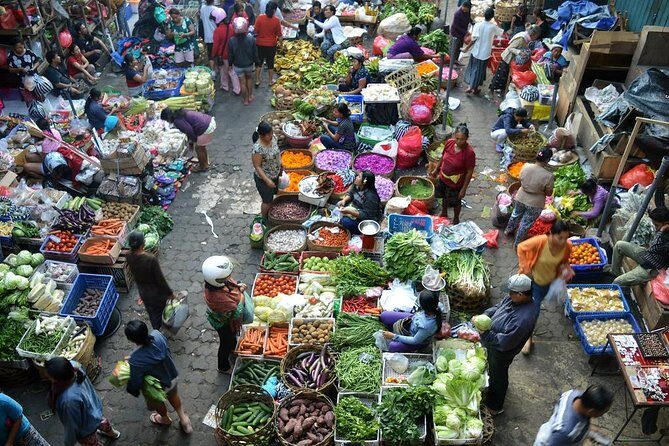
The market visit is where your cooking class starts to feel real. You’re not just watching someone cook. You’re learning what you’ll need before you ever touch a knife.
Here’s what the market experience gives you:
- You get to choose vegetables, herbs, meat, and spices from what’s available on display
- You get a quick education on ingredients that might be unfamiliar outside Bali
- You can taste some of the items along the way, which helps you connect flavor to ingredient before the lesson begins
A detail I appreciate from the way this class is described: the market portion is treated like an orientation. You learn what’s local, what shows up more than once in Balinese cooking, and what ingredients play supporting roles versus the stars.
If you’re the type of foodie who likes knowing the “why,” this stop delivers. If you only want the recipe and don’t care where ingredients come from, you might still enjoy it, but it won’t feel as essential.
Laplapan Offerings: The Canang Step That Changes How You Think About Food
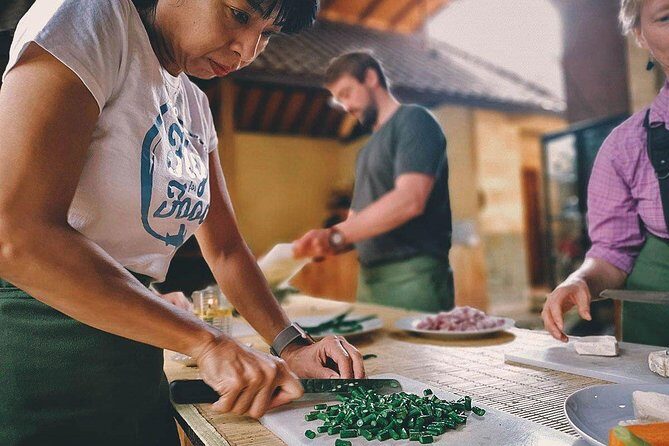
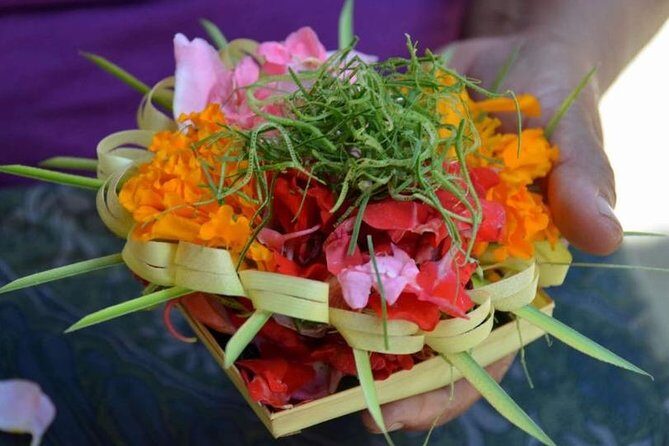
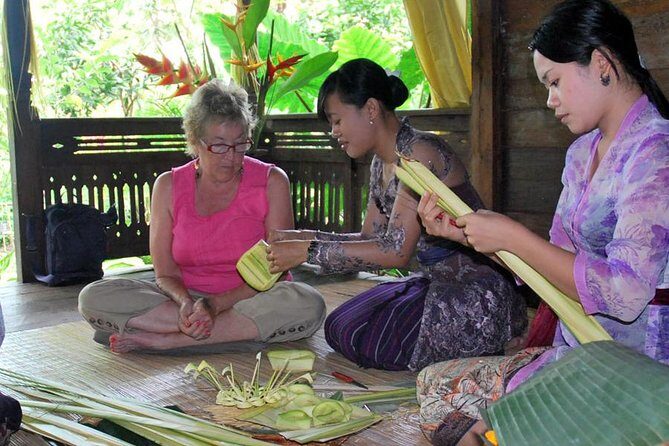
Before the stove gets busy, the class includes making Balinese offerings. You’ll learn the process of creating canang and other equipment used for offerings. Canang offerings are small, fragrant, and designed for daily devotion, and the lesson helps you understand that cooking in Bali isn’t purely about taste. It’s also about ceremony and respect.
In the reviews, people highlight how meaningful this feels, not just as a craft activity but as cultural context. One participant mentions learning a votive offering basket and celebrating the completion with the meal that followed. Another notes how the instructor explained the meaning behind the offering and then had them make one themselves.
This is the part of the day I’d call “the most memorable brain-hook.” Once you’ve made an offering, the cooking feels more intentional. You start paying attention to herbs, fragrances, and the way ingredients are treated with care.
Cobek Bali Workshop Style: Jungle Surroundings and a Clean, Practical Setup
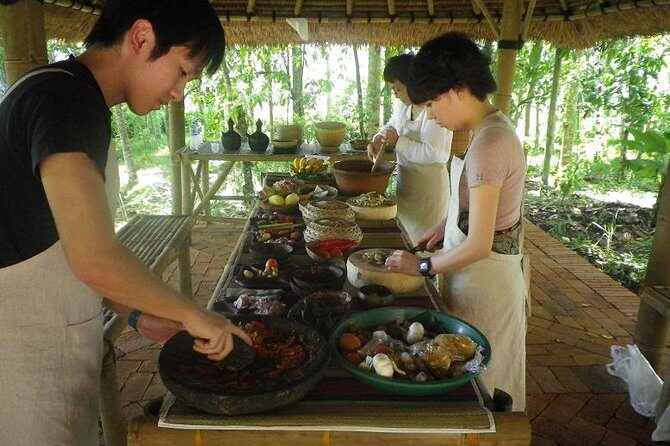
The workshop is described as being in the jungle surroundings of Ubud, which is a nice contrast to the market. But the best part for me isn’t the scenery alone. It’s that the teaching environment is described as organized and clean, with an efficient flow.
From the reviews, the class setup includes a real teaching pace. Some groups note that certain items are pre-prepped to keep things moving, while you still do plenty of hands-on work. That balance is important. You want to cook, not feel like you’re stuck waiting for the group.
You also eat in the same general day arc: market first, then offerings, then cooking, then sit down. That structure helps you stay focused, and it also avoids the “we cooked all day, now food is gone” problem that some cooking classes have.
How the Chef Teaches: Starters, Mains, and Dessert With Real Guidance
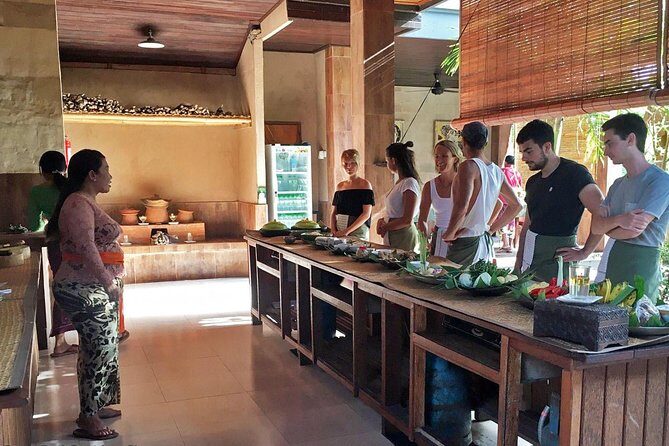
This class is hosted by a local chef, and the instruction is designed to be interactive. With a small group, you can actually ask questions while you’re working, and you’re not stuck trying to guess what the instructor means.
What you can expect to cook includes starters, main courses, and dessert. Reviews mention cooking multiple dishes in the time frame and, in some cases, nine tasty dishes. Others describe a set meal with several courses, including around five dishes cooked together.
A few teaching details that show up repeatedly:
- The chef explains techniques clearly and answers questions during the lesson
- The pace is friendly, with patience for people who are new to cooking
- Staff coordinate the group so you’re actively cooking, not just watching
If you care about technique, not just end results, this format is strong. The goal is to learn how Balinese dishes are built, not only memorize steps you’ll forget by dinner.
You can also read our reviews of more tours and experiences in Ubud




Dietary needs: what’s supported
The class is described as flexible with dietary requirements. Reviews mention vegetarian options. If you have dietary needs, it’s worth telling the operator at booking time so the chef can adjust what you cook.
What You Eat: A Sit-Down Meal Built From Your Own Work
The payoff is simple: you sit down and eat what you cook. That sounds obvious, but many cooking classes leave you with a small portion or a rushed tasting. Here, people describe portions as satisfying and meals as visually impressive.
A big theme in the reviews is the “you made it, now you get to taste it” moment. People also mention welcome drinks or snacks before the cooking begins, which helps you feel settled after an early morning.
You should go in hungry. You’ll be shopping, chopping, and stirring. The meal ends up being the moment everything clicks, especially if you paid attention in the market and offering lesson.
And yes, you’re not leaving empty-handed. One review mentions getting a recipe book to recreate at home, and others describe leaving with recipes.
Transport and Timing: Why Pickup and Air-Conditioning Matter More Than You Think
This tour includes pickup and air-conditioned vehicle transport from your hotel to the market and workshop. In Ubud, that’s a real value-add. The difference between “easy” and “annoying” often comes down to transport.
The day runs about 6 hours. That’s long enough to feel substantial, but short enough that you’re not losing your whole vacation to one activity. If you prefer mornings packed with meaning and want the rest of the day free, this fits nicely.
The class also caps at 8 travelers, which supports the hands-on format and helps keep the schedule from turning into chaos.
Price and Value: Is $35 a Good Deal for Ubud Food Learning?
$35 per person is low for a day that includes pickup, air-conditioned transport, market time, a chef-led cooking class, equipment, and taxes. Even before you taste a single dish, you’re getting more than a “cook and leave” format.
Here’s where the value shows up:
- You’re paying for instruction and guidance, not just ingredients
- You shop for ingredients at a real market, which saves you time and adds cultural context
- You make offerings first, which strengthens your understanding of Balinese food culture
- You eat a full meal, so you’re not paying extra for lunch
There’s also a less obvious value: small group size. If you’ve ever tried to cook with 20 people and one cutting board, you know why that matters. Here, max 8 supports more interaction.
If you’re on a budget but still want a real cooking and culture experience, this one is a strong match.
Who Should Book This Cooking Class in Ubud (and Who Might Skip)
You’ll likely love it if:
- You want to learn Balinese flavors through hands-on cooking, not just tasting
- You like cultural context, including offerings, not only recipes
- You want a morning activity that feels structured and well-supported
- You’re traveling with a small group, solo, or as a couple who wants personal attention
You might skip it if:
- You hate early starts and prefer a slow vacation rhythm
- You’re strictly looking for a short tasting tour rather than cooking and meal-building
- You want purely Western-style cooking. This class is Balinese-focused by design.
Practical Tips to Get the Most From Your Market-to-Meal Morning
A few simple moves can make the day smoother:
- Wear comfortable clothes and shoes. You’ll be out in the market and working around a workshop setup.
- Bring a curious mindset. The market portion is where questions pay off.
- If you have dietary needs, flag them early. Reviews mention vegetarian options and the staff adapting to needs.
- Take mental notes during the offering step. Once you understand why canang matters, the cooking feels more connected.
Also, keep your camera ready, but don’t let it steal your attention. The best part is when you’re tasting, chopping, and asking what each ingredient does.
Should You Book It?
If you’re trying to choose one Ubud food experience, I’d lean toward this one—especially if you like a day that links ingredients, culture, and cooking into one flow. For the price, you get a lot: pickup, air-conditioned transport, market time, offering-making in Laplapan, chef-led cooking, and then a sit-down meal that comes from your own work.
Book it if you want more than a recipe. It’s food education with a real cultural backbone.
FAQ
How long is the Balinese cooking class with market visit?
It runs for about 6 hours.
Is hotel pickup included?
Yes, pickup from your hotel is offered, and air-conditioned transport is included.
How many people are in the group?
The experience has a maximum of 8 travelers.
What’s included in the price?
Cooking equipment, the air-conditioned vehicle, cooking class fees, and taxes are included.
Do you visit a traditional market?
Yes. The day includes a visit to a local fresh food market where you choose ingredients for the class.
Is making Balinese offerings part of the experience?
Yes. Before the cooking class, you learn the process of making canang and other offering equipment.
Is there time to cook multiple dishes?
Yes. The class includes preparing starters, main courses, and authentic dessert, and reviews describe cooking many dishes within the time.
Can the class accommodate dietary requirements?
Vegetarian options are mentioned, and reviews also note adaptation to dietary requirements.
What is the cancellation policy?
Free cancellation is available if you cancel up to 24 hours in advance for a full refund.
FAQ
Where does this experience take place?
It takes place in Ubud, Indonesia.
Do participants receive recipes to take home?
Some reviews mention receiving a recipe book to recreate dishes at home.