REVIEW · UBUD
PRIVATE Ubud Market Tour & Balinese Cooking Class with Putu
Book on Viator →Operated by Traveling Spoon · Bookable on Viator
Your morning starts with market smells.
This private tour takes you to Pejeng Market at 7am, where Putu guides you through seasonal produce and spices before you cook together at her family home. I like how it’s practical, not showy: you’re learning what locals actually buy, not just admiring it. You also get real photo chances at the market, plus a window into daily Balinese life without any rush.
What I love most is the three-generations family lunch in a compound home, and the fact that the cooking lesson is hands-on, not a demo. You’ll help prep a menu of 2-3 Balinese dishes (often including banana leaf parcels and Balinese curry) while Putu explains how the ingredients work in her family recipes.
One thing to consider: it’s an early start with a total runtime around 5 hours, so if you hate mornings or you’re used to long breakfast sleep-ins, plan accordingly.
In This Review
- Key Things to Know Before You Go
- 7:00 AM Pickup: Fast Track to Local Rhythm in Ubud
- Pejeng Market Shopping with Putu: Spices, Smells, and Better Photos
- Lunch in Putu’s Compound Home: Three Generations at the Table
- The Cooking Lesson: Banana Leaf Parcels and Balinese Curry Mechanics
- What You’ll Make (and What You’ll Actually Learn)
- Price and Value: Why $95 Feels Fair Here
- Who This Tour Fits Best (and Who Might Want a Different Plan)
- Should You Book Putu’s Ubud Market and Cooking Class?
- FAQ
- What time does the tour start?
- How long is the private market and cooking experience?
- Is pickup included if I’m staying in Ubud?
- What’s included in the price?
- Can the menu be changed for dietary needs?
- How many dishes do I cook?
- Is this a private experience?
- Can I cancel for a full refund?
Key Things to Know Before You Go
- Private, host-led experience with Putu and your own group only
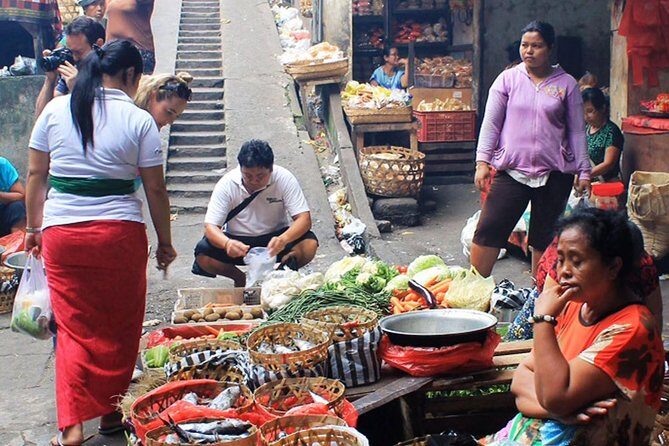
- Pejeng Market at 7:00 am for the freshest ingredients and great photo moments
- Lunch in a family compound with members spanning three generations
- Hands-on cooking on simple equipment (a two-burner cooktop) with real technique tips
- Seasonal menu choices based on what’s available in the market
- Vegetarian and vegan options available if you ask ahead for dietary needs
7:00 AM Pickup: Fast Track to Local Rhythm in Ubud
If you’ve ever wandered Ubud markets, you already know the magic is in timing. This tour leans into that. You’re picked up from your Ubud hotel at 7:00 am, then driven to Pejeng Market to shop while the day is still fresh.
That early timing matters for two reasons. First, you get better selection—fruits, vegetables, and spices tend to look and smell at their best earlier in the day. Second, you’re seeing more of the real routine: people doing their shopping, vendors working, and the flow of the market before it’s swallowed by tourist crowds.
It’s also built as a door-to-door private round-trip from your Ubud base. That’s a big deal in Ubud, where moving around can add up. You’re not left to sort out transport or meet at a vague street corner. You just go.
The trip is listed at about 5 hours, so you’ll want to treat it like a half-day plan, not a casual add-on. Wear clothes you don’t mind getting a little market-dust on, and keep your camera handy.
You can also read our reviews of more private tours in Ubud



Pejeng Market Shopping with Putu: Spices, Smells, and Better Photos
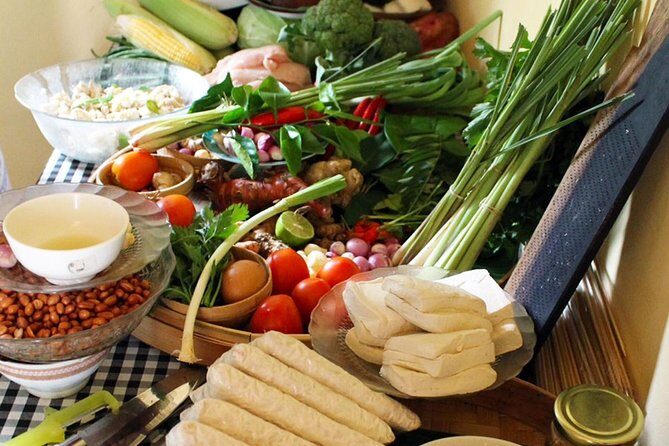
The market stop is short—about 30 minutes—but it’s packed with learning. Putu takes you through what’s in season and what families use day to day. You’ll browse seasonal fruits, vegetables, and spices, then pick a few ingredients that will turn into your cooking lesson later.
This is where you’ll get the most practical value. Instead of memorizing a list of items, you start to understand how ingredients are chosen. For example, you’ll notice how spices show up in blends and pastes, and how fresh produce affects the final flavor. You’ll also hear about ingredients in a way that fits real cooking: what to use, what to taste for, and why some items matter beyond flavor.
Bring your camera. The market is full of colors and textures, and the pace is perfect for photos without feeling like you’re sprinting. If you like food tours, this one scratches the ingredient-hunting itch better than the usual snack sampling.
One practical tip: markets can be hot and busy, even early. Keep your hands free for photos and small purchases, and listen closely when Putu points out what she’s buying for the meal. You’ll see those ingredients again when you cook.
Lunch in Putu’s Compound Home: Three Generations at the Table
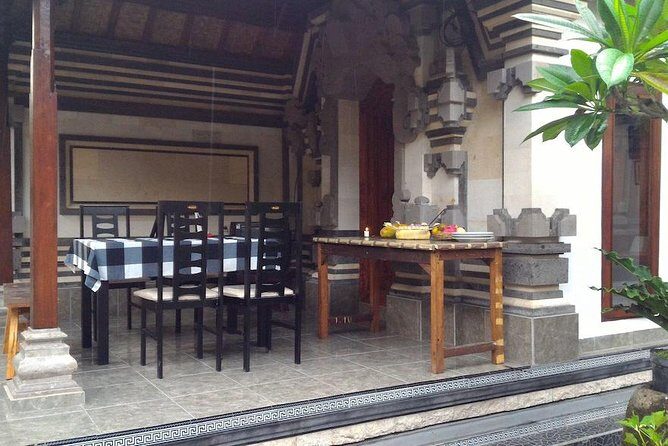
After the market, you drive to Putu’s home and begin the cooking lesson from the base of her family compound. This part is special because it’s not staged like a studio class. You’re sharing space in a home environment and eating what the family prepares.
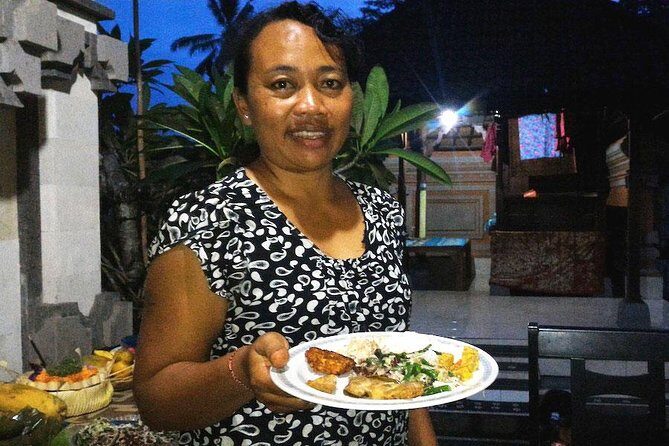
The highlight here is the lunch setting: enjoy lunch with three generations of a local family. That means you’re not only learning food—you’re seeing how the family’s routine works. And yes, you get that conversation time while dishes are being prepared and served.
Food tours are often marketed as cultural experiences, but this one connects culture to the thing that actually brings people together: meal time. You also get to wash everything down with a little local alcohol, if you want to. If you don’t, you can still enjoy lunch and the family atmosphere.
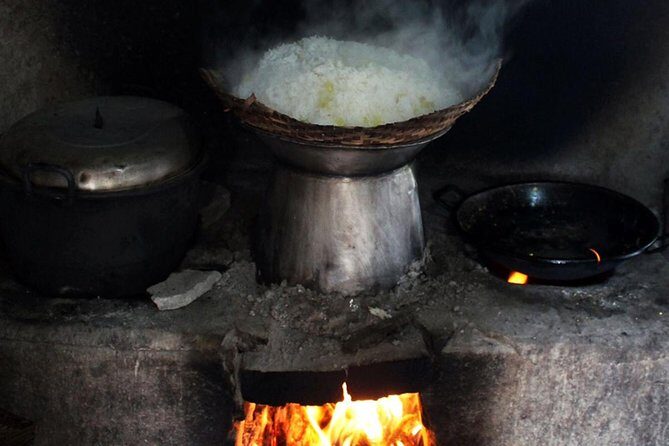
Expect the kitchen environment to be simple. It’s a real home setup, not a restaurant kitchen. That’s part of why it feels authentic and why Putu can move quickly from task to task.
If you’re someone who likes learning through conversation, this portion pays off. You’ll likely notice how many details are shared naturally—what ingredients are “daily staples,” how flavors are balanced, and why some dishes are tied to routines and seasonality.
The Cooking Lesson: Banana Leaf Parcels and Balinese Curry Mechanics
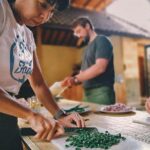
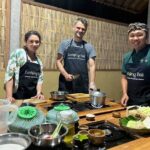
Now for the main event: you’ll cook together in Putu’s kitchen. The class runs about 1–2 hours, and it’s genuinely hands-on. You’ll chop, grind, and cook while Putu teaches how her family recipes work.
The kitchen setup is described as simple, with a two burner cooktop. That detail matters. When you’re working with limited equipment, you learn technique instead of relying on modern tools or shortcuts. You’ll also see how the flow of cooking changes when you’re balancing multiple dishes on a small stove space.
Putu explains more than just steps. She also shares why the ingredients are used—especially the medicinal qualities of Balinese ingredients. Even if you don’t treat herbs and spices like medicine, the explanations help you pay attention to what goes into the dish and why it matters.
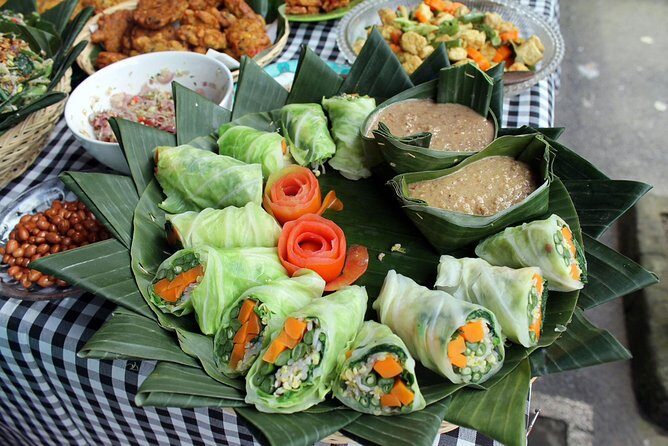
The lesson is built around preparing 2-3 authentic Balinese dishes. The exact menu can vary by season, but banana leaf parcels and Balinese curry are specifically called out. That’s a good sign: those dishes give you both wrapping technique and sauce/paste flavor depth.
What You’ll Make (and What You’ll Actually Learn)
Because menus shift with what’s available, treat this as a flexible class. Still, you can expect the same core skills: working with seasonal ingredients, building flavor with spices, and cooking dishes that rely on layered seasoning.
Here’s what the structure tends to reward you with:
- More than one dish: You’ll practice timing, not just one recipe.
- Ingredient logic: Putu points out which spices and ingredients she uses and how she combines them.
- Real kitchen rhythm: You’ll see why some steps come before others, especially when multiple items are going at once.
Also, the class isn’t just about taste at the end. You’re learning the “how” as you go. You can think of it like a cooking workshop where the instructor focuses on the reasoning behind the method, not only the final plate.
If you’re vegetarian or vegan, good news: that option is available. Just tell the provider in advance so the shopping and cooking plan can match your needs.
If you have allergies or strict dietary restrictions, also make sure you mention them when booking. You’ll get the most confidence out of the experience when Putu can plan ingredients safely.
You can also read our reviews of more shopping tours in Ubud




Price and Value: Why $95 Feels Fair Here
At $95 per person, you’re paying for a private, host-led food and culture morning plus a cooking lesson and lunch. That sounds straightforward, but the real value comes from the package being connected.
You’re not just doing a class. You’re shopping at Pejeng Market with Putu, then returning to her home where you cook with what you selected. That market-to-kitchen link is often where experiences justify their price.
You also get:
- Round-trip transport from your Ubud hotel
- All taxes, fees, and handling charges
- Homecooked lunch
- Gratuities included
One small note for budgeting: transport is included only for Ubud-area pickups. If you’re staying outside Ubud, there’s an extra charge for transport. Factor that in early so there are no surprises.
Another value point: the tour is private. Even though there are references to group discounts, the experience is still described as private, personalized, with only your group participating. That usually means you can ask questions, adjust pace, and get more attention than you would on a larger group class.
Booking demand is solid—you’re likely best reserving ahead (it’s commonly booked about 47 days in advance on average). If you have specific dates in mind, don’t wait until the last week.
Who This Tour Fits Best (and Who Might Want a Different Plan)
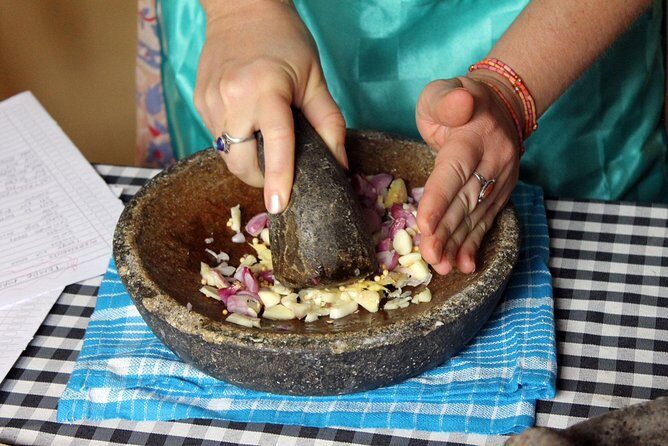
This experience fits best if you want authentic food culture in a way that’s active, not passive.
You’ll probably love it if you:
- Want a hands-on cooking class rather than watching
- Enjoy markets and ingredient talk
- Like home-style dining and conversation
- Prefer private, door-to-door logistics in Ubud
You might consider a different activity if you:
- Don’t do well with early 7:00 am pickups
- Prefer a longer cooking class with more dishes (this one is focused: about 1–2 hours for cooking)
- Want a tour where most of the time is spent in one place (here, you split it between market, drive, and home)
The overall vibe is calm and practical. You’re moving through the day like you’re part of a normal routine—shopping, cooking, eating—rather than being herded from attraction to attraction.
Should You Book Putu’s Ubud Market and Cooking Class?
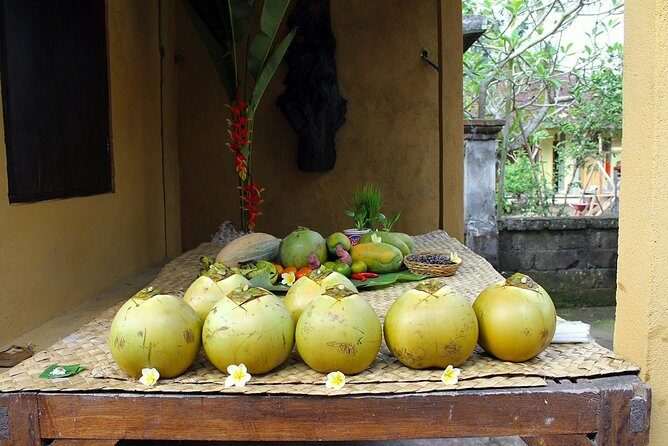
If your idea of a great Bali day includes markets, spices, and learning in a real home kitchen, I’d book it. The reason is simple: the tour is built as a complete loop—shopping at Pejeng Market, then cooking with what you picked, then sharing lunch at Putu’s family home. That structure makes the experience feel both authentic and efficient.
Book it sooner if you’re traveling as a couple or small group, since private slots can go. If you have dietary needs, reach out early so Putu can plan a menu that actually matches you.
If you’re unsure, think about your tolerance for a morning start. If you can handle 7am, this is one of the best ways to spend half a day in Ubud that’s not just sightseeing—it’s food and culture, hands-on.
FAQ
What time does the tour start?
The tour starts at 7:00 am.
How long is the private market and cooking experience?
It runs about 5 hours (approx.).
Is pickup included if I’m staying in Ubud?
Yes. The tour includes round-trip transport from your Ubud hotel. If you stay outside Ubud, there’s an extra transport charge.
What’s included in the price?
The price includes the private market tour and cooking class with Putu, homecooked lunch, round-trip transport from Ubud, and all taxes, fees and handling charges, with gratuities included.
Can the menu be changed for dietary needs?
Yes. Vegetarian and vegan options are available if you request them when booking. If you have allergies or specific restrictions, you should advise at booking.
How many dishes do I cook?
You’ll work on 2-3 authentic Balinese dishes, with the exact menu varying by season.
Is this a private experience?
Yes. It’s a private, personalized experience where only your group participates.
Can I cancel for a full refund?
Yes, you can cancel up to 24 hours in advance for a full refund. Canceling less than 24 hours before the start time isn’t refunded.