REVIEW · UBUD
Balinese Cooking Class with Traditional Market Tour
Book on Viator →Operated by Bali SUN Tours · Bookable on Viator
Your morning gets a flavor upgrade.
This Balinese Cooking Class in Ubud pairs a guided traditional market tour with hands-on cooking in a traditional compound home. I especially like how you learn spice technique the Balinese way, including stone mortar prep for pastes and sauces, then sit down to eat the meal you made. One thing to consider: the 7:30am start means an early wake-up, and the cooking portion is genuinely hands-on, so come ready to work.
This is built for small groups, with door-to-door pickup and a meal that actually feels like a full experience, not a snack. You’ll shop for ingredients, learn herbs and spices in an organic garden, and then cook in an open kitchen before enjoying a 5-course lunch plus dessert.
In This Review
- Key things that make this class worth your time
- A Ubud Market Start That Makes Everything Taste Better
- Pickup, Timing, and Why the 7:30am Start Works
- Traditional Market Tour: What You’ll Actually Notice and Buy
- Organic Garden Herbs and Coffee Break: Learning Without Feeling Like School
- Inside the Balinese Kitchen: Stone Mortar, Wooden Blocks, and Paste Magic
- The 5-Course Lunch and Dessert You Cook Yourself
- Small Group Size: How Much Help You’ll Get
- Price and Value: What $58.16 Covers in Real Terms
- What to Bring (So You Enjoy It Without Stress)
- Should You Book This Balinese Cooking Class in Ubud?
- FAQ
- What time does the market tour start?
- How long is the cooking class?
- How long is the experience from pickup to drop-off?
- Is hotel pickup and drop-off included?
- How big is the group?
- What do I eat during the class?
- Is there an instructor and what do they teach?
- Are drinks and water included?
- Can I cancel for free?
- What is not included?
Key things that make this class worth your time
- Market-first learning: you buy ingredients before you cook, so recipes make sense fast
- Stone mortar technique: paste and sauce prep is taught hands-on, not just explained
- Organic garden stop: you get a feel for the herbs and spices you’ll be using
- Open kitchen compound setting: you cook with traditional tools and methods
- Real meal, real quantity: a 5-course lunch plus dessert from what you make
- Small group attention: pacing and guidance work well for groups of four to 12
A Ubud Market Start That Makes Everything Taste Better
Balinese cooking makes more sense when you’ve seen the ingredients first. That’s why this class starts where locals shop, not behind a classroom counter. You’ll meet your host and head to a traditional market during the cooler morning hours, then you’ll use what you buy later in the kitchen.
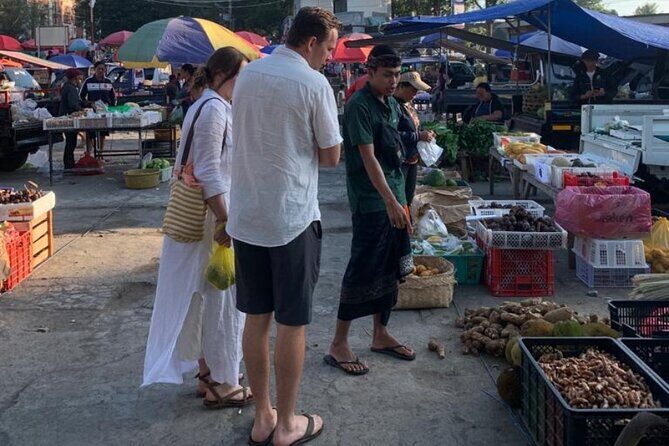
I like that the market part is more than a photo stop. You’re guided to notice what’s seasonal and how people shop and use everyday produce and aromatics. In reviews, guides like Ron talked through different vegetables and fruit and shared Balinese traditions while walking the market stalls. That kind of context helps you understand what you’re holding and why it matters.
Then, instead of just watching someone cook, you move into prep mode yourself. You’ll learn techniques that feel practical and tactile, like making spice paste and sauces using traditional utensils. The result is a class that ends with a meal that feels earned.
You can also read our reviews of more shopping tours in Ubud

Pickup, Timing, and Why the 7:30am Start Works
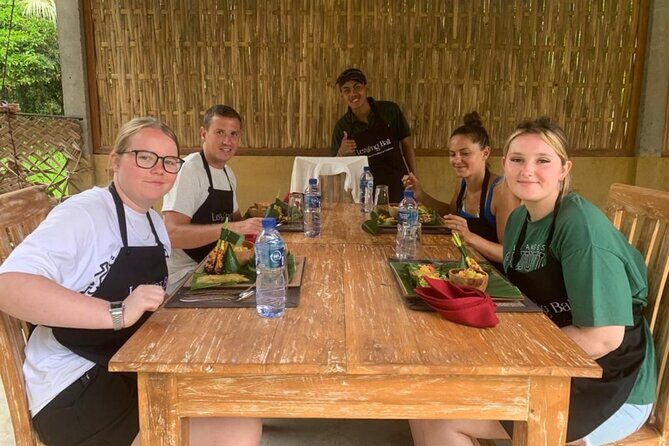
This experience includes pickup and drop-off from your accommodation, so you’re not trying to solve transport while you’re still half asleep. The start time is 7:30am, and the market visit runs roughly 7:30am to 8:00am. From pickup to drop-off, plan on about 6 hours total, while the cooking lesson itself is about 2 hours 30 minutes.
For me, the early timing is a double-win. You get cooler air for shopping, and you avoid the later-day crowding that can make markets less pleasant. You’ll also likely finish your cooking and lunch while many other activities are just getting going.
The practical thing to know: this is an active morning. You’ll be walking a market, learning herbs, then chopping, grinding, mixing, and cooking. If you’re the type who wants a slow, sit-and-watch class, this one may feel like work. But if you like getting your hands dirty, it’s a great fit.
Traditional Market Tour: What You’ll Actually Notice and Buy
The market visit is where the culture shows up in everyday details. You’re looking at the real rhythm of local life: people buying ingredients, produce arranged for use, and the way herbs and vegetables are treated as normal parts of meals.
In the class flow, you don’t just wander. Your guide shows you what’s useful for Balinese cooking, and you take advantage of the cooler outdoor temperature to buy your cooking needs. One review mentioned a very traditional market greeting and close guidance on the Balinese shopping experience, which is exactly what you want here.
A helpful practical note: if you have dietary needs, this is the moment to ask questions and clarify options. The tour data doesn’t promise substitutions, but since you’re shopping first, you’ll have the best chance to understand what you can realistically prepare within the class structure.
Also, keep an eye on how the guides talk about ingredients. In reviews, the hosts explained the differences among produce and added cultural context while you shop. That turns the market from a checklist into a learning moment you’ll remember when you taste the food later.
Organic Garden Herbs and Coffee Break: Learning Without Feeling Like School
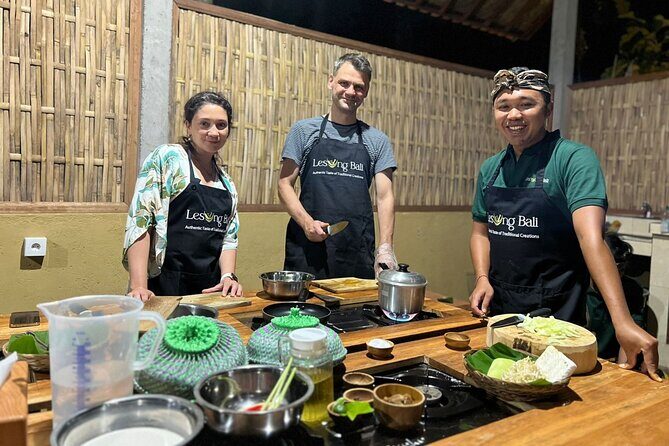
After the market, you head to a garden setting where you’ll meet herbs and spices before you start cooking. The class calls out an organic garden stop, and you also get a welcome drink and snack. The overview also notes coffee and cake as part of this segment, so expect a short break that still keeps you in learning mode.
This portion matters more than it sounds. Balinese flavors often come from specific aromatics and spice blends. When you can connect an herb to its role in a dish, the later cooking steps feel clearer. You’re not just copying motions; you’re understanding why the ingredients are there.
You’ll likely hear tips on what to use fresh versus what to process into paste, and how different ingredients behave once cooked. Even if your cooking skills are basic, this kind of prep-and-process lesson gives you a foundation you can reuse after the class.
Inside the Balinese Kitchen: Stone Mortar, Wooden Blocks, and Paste Magic
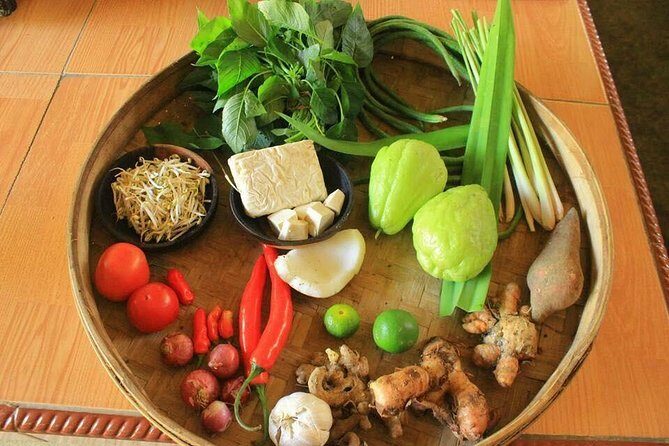
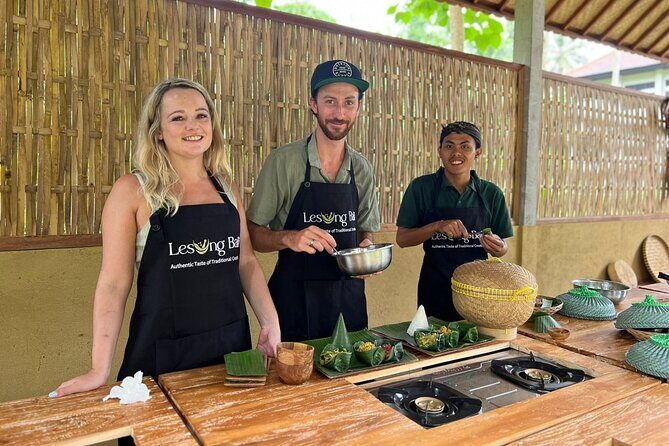
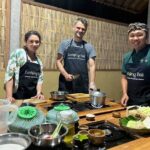
This is the heart of the experience. After the garden stop, you move into the Balinese kitchen space—described as a traditional open kitchen inside a typical compound home. You’ll be taught to process food with traditional utensils and techniques, and the lesson is hands-on the whole way.
One of the most important parts of Balinese cooking is paste and sauce preparation. The class specifically highlights two processing methods: chopping spice and herbs on a wooden chopping block, and grinding them in a stone mortar before cooking. If you’ve never used a mortar and pestle that’s basically a workout, you’ll see why this technique is so central. Grinding changes texture, releases aromatics, and helps the paste blend smoothly with other ingredients.
What I like about this teaching style is that it’s not only procedural. You’re shown how to process the ingredients, then you do it. You’ll handle the prep work and cooking yourself, which means you leave with more than recipes—you leave with muscle memory for key steps.
The open kitchen setup also helps. You’re not sealed off from the activity around you, and it feels like you’re participating in a real home-style meal preparation. In reviews, the tone is practical and encouraging, with instructors described as kind and helpful. That matters because it keeps you from feeling stressed if your chopping or mixing pace is slower than the person next to you.
You can also read our reviews of more tours and experiences in Ubud




The 5-Course Lunch and Dessert You Cook Yourself
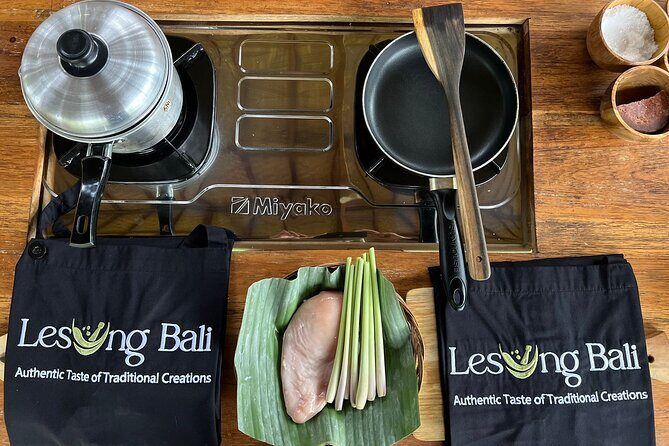
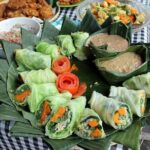
After all that prep, the payoff is immediate: you eat a 5-course lunch plus one dessert, and the class includes lunch of all the dishes you make. This isn’t a token tasting. It’s built as a full meal, which is why people are advised to come hungry.
One review described the lunch as lovely but also noted it was full-on, to the point where it was hard to finish. That’s your hint to pace yourself at the start. If you also eat a lot at the market stop, you might want to avoid snacks afterward so the main meal doesn’t feel overwhelming.
Even without knowing the exact dish list in advance, you can expect the lunch to reflect what you practiced: the spice paste and sauce skills you learned, plus the standard Balinese flavor patterns taught in the class. The structure also helps you build a mental map: you learn one method in prep, then you see how it shows up in an actual plate.
Don’t rush the meal. This is your chance to notice differences between flavors you processed differently. Stone mortar paste tends to feel more integrated, while chopped spice can taste a bit fresher or more textured. You’ll only catch those details if you slow down and actually taste.
Small Group Size: How Much Help You’ll Get
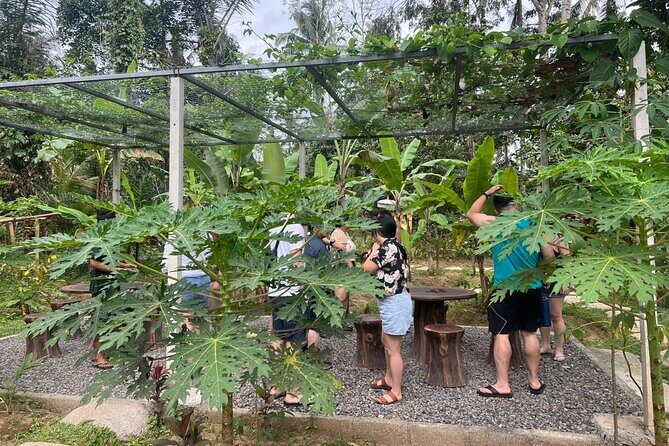
The class is designed for small groups, with personalized attention in a group of four to 12 people. One detail that stands out: it says a maximum of 6 people per booking, even though the overall class can accommodate up to 12.
In practice, this usually means you won’t be lost in a crowd. You’ll have time to ask questions, and the instructor can correct technique while you’re actively grinding or chopping. That kind of hands-on feedback is hard to get in larger, more lecture-heavy classes.
If you’re traveling with a partner, this can work well because you can cook together without feeling like you’re taking a front-row seat to someone else’s lesson. One review mentioned doing the class as a couple, and the experience being enjoyable and well-run from pickup to cooking to lunch.
Price and Value: What $58.16 Covers in Real Terms
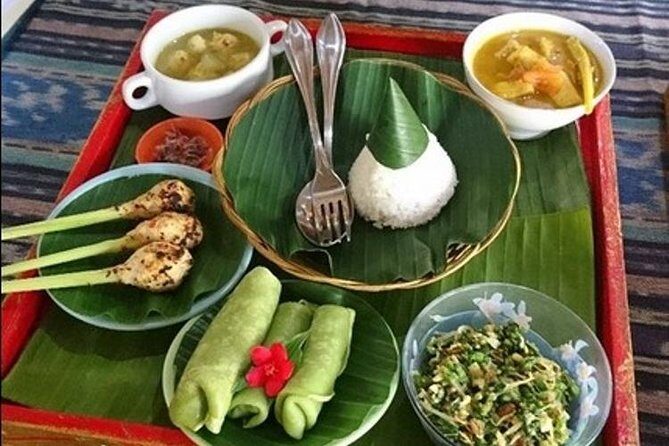
At $58.16 per person, this class can feel like a fair deal when you break down what’s included. You’re paying for far more than a cooking lesson:
- Hotel pickup and drop-off
- Market visit
- Welcome drink and snack
- Cooking instructor
- Lunch of all the dishes you make (5 dishes plus 1 dessert)
- Bottled water
- Cooking class certificate
- Group-size guided learning and traditional utensils
In many places, you’d pay separately for a market tour, a cooking course, and then a meal. Here, those pieces roll into one morning with transportation handled for you.
The best value comes if you’re the type who likes doing the work. If you genuinely want to cook, learn paste technique, and eat what you make, the cost makes sense. If you’re only looking for a quick taste of Balinese food without active cooking, you might find it more satisfying to choose something shorter. But for most visitors who want culture plus skills, this feels like good spending.
What to Bring (So You Enjoy It Without Stress)
You’re moving through a market, then handling food prep in a kitchen setting. The tour data doesn’t list a specific packing list, so I’m sticking to practical travel basics:
- Wear comfortable shoes for walking around the market and moving between stops
- Plan for a morning meal day: you’ll eat a multi-course lunch
- Bring sunscreen and a hat if you burn easily, since you start outdoors early
- If you’re sensitive to smells or have allergies, be ready to ask questions during ingredient time
Also, mentally set expectations: this isn’t a hands-off tasting experience. You’ll be cutting, grinding, and cooking. Go in with patience for your own pace.
In one review, a driver named Yoga picked people up exactly on time and spoke good English. A reliable pickup helps you start relaxed, and it sets the tone for the day. You’ll likely feel the same if your driver and guide are well organized.
Should You Book This Balinese Cooking Class in Ubud?
Book it if you want more than food on a plate. This class is for people who like structure, guidance, and learning by doing—starting from a market where you buy the real ingredients, then moving to cooking steps like stone mortar paste-making, and finally getting a 5-course lunch plus dessert that you made yourself.
Skip it or consider another option if you hate early mornings or you’re hoping for a quiet, purely observational experience. The cooking part is hands-on, and the schedule is designed around an efficient morning flow.
If you’re visiting Ubud and you want a day that feels both cultural and practical, this is a strong choice. You’ll go home with techniques you can repeat, plus the memory of how the ingredients looked and smelled before they became lunch.
FAQ
What time does the market tour start?
The market visit starts at 7:30am (with the market portion running roughly 7:30am to 8:00am).
How long is the cooking class?
The cooking class portion is about 2 hours 30 minutes (approx.).
How long is the experience from pickup to drop-off?
From pickup to drop-off, the total time is about 6 hours (approx.).
Is hotel pickup and drop-off included?
Yes. Hotel pickup and drop-off are included.
How big is the group?
It’s designed for 4 to 12 people, with a maximum of 12 travelers. The class also states a maximum of 6 people per booking.
What do I eat during the class?
You get a 5-dish lunch plus 1 dessert, and you eat all the dishes you made.
Is there an instructor and what do they teach?
Yes, a cooking instructor teaches you Balinese cooking techniques, including preparation using traditional utensils like a stone mortar.
Are drinks and water included?
Yes. You’ll get a welcome drink and snack, plus bottled water.
Can I cancel for free?
Yes. You can cancel for a full refund up to 24 hours before the experience’s start time.
What is not included?
The tour notes that optional expenses are not included.