REVIEW · UBUD
Bali Rural Village Bike
Book on Viator →Operated by Bali Fascination Tour · Bookable on Viator
Rural Bali by bike is pure sanity. This private village ride mixes countryside cycling with real cultural stops—rice paddies, a temple visit, and a learn-more stop at a traditional house/compound. I especially like the guide-led pace (you’re not shoved along) and the chance to cool off at a waterfall after the ride. The main thing to consider is that the meeting point is tied to the Tukad Cepung waterfall area, so you’ll want to plan your timing and transport around that.
What makes the day work for most people is the overall effort level and support. Loaner bikes and helmets are provided, plus bottled water shows up for everyone. One possible drawback: this is a bike + swim day, so you’ll want a change of clothes and a towel, and you’ll have to accept that the route depends on the day’s conditions and schedule.
In This Review
- Key takeaways before you pedal
- Why this ride feels different than typical Ubud cycling
- The 5-hour route: rice paddies, temples, and village architecture
- Cycling through rural areas (rice paddies and village roads)
- A temple stop where you’re not just snapping photos
- A stop at a Balinese house/compound for architecture lessons
- Optional school visit when school is in session
- Hidden waterfall time: photos, swim break, and what to pack
- A quick reality check on the swim
- Lunch after the ride: what’s included and what to verify
- Bikes, effort level, and how to avoid small hassles
- Fitness: moderate is the right label
- Guides like Ketut (and why the explanations matter)
- Value check: is $41 worth it?
- Who should book this rural village bike tour
- Should you book Bali Rural Village Bike?
- FAQ
- How long is the Bali Rural Village Bike tour?
- How much does it cost?
- Where does the tour start, and where does it end?
- What’s included in the price?
- Is lunch included?
- What happens if weather is bad or I need to cancel?
Key takeaways before you pedal
- Private pace, not a cattle-car group: you cycle as a group of your own and move at a speed that feels right
- Culture stops built into the ride: temple time plus a stop at a Balinese house/compound to understand local architecture
- Waterfall access for photos and a swim: plan on getting wet and take time to actually relax
- Support tools are part of the experience: helmets and bottled water are included, and some days include extra guide help and a follow vehicle
- School visit if timing allows: if school is in session, you may get to see everyday village life and interact with students
Why this ride feels different than typical Ubud cycling
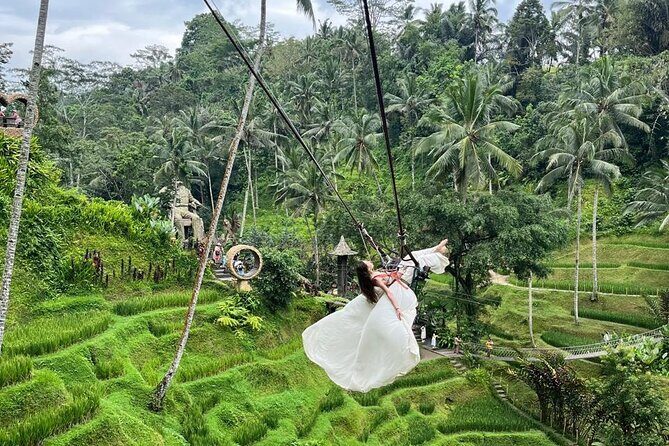
Ubud is full of bikes-for-rent scams and “look, a rice field” photo stops. This tour is built around slower moments that make Bali feel like a place people live in—not just a backdrop.
You’ll roll through rice paddies and rural lanes with a guide keeping you on track. The point isn’t speed. The point is context: where you are, why a temple matters, and how a Balinese house compound fits into daily life. Even the way the ride is framed is practical—moderate fitness, plenty of chances to stop, and an end that often includes lunch after the waterfall.
The guides earn serious credit here. In multiple reviews, Ketut stands out for explaining ceremonies and religion clearly, answering questions, and making the cultural moments feel understandable (not like you’re memorizing facts from a signboard). Other guide names like Wayan and Katut also come up, with praise for a smooth, well-run day.
You can also read our reviews of more cycling tours in Ubud
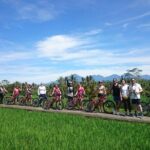
The 5-hour route: rice paddies, temples, and village architecture
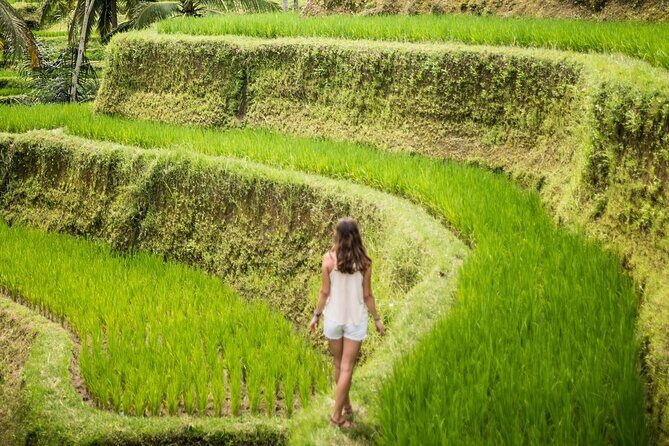
This is an approximately 5-hour private tour in the Ubud area, starting and ending at the meeting point near the Tukad Cepung waterfall parking area. You’ll get your helmet, settle onto the loaner bike, and then head out with your guide leading the way.
Here’s what you should expect during the ride:
Cycling through rural areas (rice paddies and village roads)
The countryside portion is the backbone. You’ll see green rice fields, village surroundings, and the kind of everyday movement that doesn’t happen in a car window tour. A key benefit is that you’re traveling slowly enough to notice details—textures, gates, small offerings, and how people move through their day.
A practical note: one review described the ride as nearly all downhill. That doesn’t mean it’s a free-fall downhill rollercoaster for everyone, but it does suggest the physical demands are usually manageable. Still, check your comfort before you commit, especially if you’re not used to cycling.
A temple stop where you’re not just snapping photos
You’ll visit a village temple as part of the route. The value here is the explanation. Guides like Ketut are praised for talking through customs and the meaning behind what you’re seeing—so the visit feels grounded in practice, not just sightseeing.
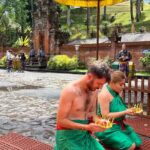
If your day includes a temple moment tied to purification rituals, you’ll likely be guided through what’s happening and why. Reviews specifically highlight Ketut’s role in leading a purification ritual at Tirta Empul, with clear cultural explanations. If Tirta Empul isn’t part of your exact day, you can still expect similar “what you’re seeing and why” guidance at the temple stop that is on your schedule.
A stop at a Balinese house/compound for architecture lessons
Another standout moment is the visit to a compound where you can learn about architecture. This is one of those stops that quietly changes how you see Bali. Balinese homes and compounds aren’t just buildings—they’re connected to family structure, ritual life, and the way space supports daily living.
If you like culture that you can point at—doorways, walls, layouts—this is the part to pay attention to. Even if you only catch the highlights, having a guide explain the logic behind the design helps a lot.

Optional school visit when school is in session
There’s a possible school stop. If school is in session, you may visit and interact with Balinese students. This is where the day can feel most “human,” but keep expectations sensible: you’re visiting a working school, not touring a museum.
If your trip timing doesn’t align, the day still works—because you’re not building the entire schedule around school time.
Hidden waterfall time: photos, swim break, and what to pack
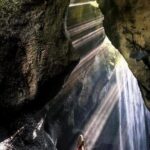
The tour wraps with a waterfall stop where you can take photos and relax—and you’ll have the option to swim. One review called the waterfall breath-taking, and that matches the setup: you’re on a bike day, then suddenly you’re in water country.
What I’d plan around:
- Bring a towel and change of clothes (listed in the prep notes for a reason)
- Wear or pack slippers for wet walkways
- Use sunscreen before you start cycling, not at the last minute
- Use mosquito spray, especially if you’ll be near greenery and water
Also, the tour includes the waterfall entrance ticket and a donation. That matters because it usually means you’re not stressing over small fees on-site, and the stop has an official pathway.
A quick reality check on the swim
This isn’t a “just a splash” situation. One of the reasons people love this day is the chance to actually get in. So treat it like a swim break: bring what you need to stay comfortable afterward. Even if you don’t swim, you’ll likely want dry clothes for the ride back and dinner plans after.
Lunch after the ride: what’s included and what to verify
Balinese lunch is described as included in the price in the tour highlights, and reviews also praise the lunch at the end of the ride.
However, the tour’s listed “Not Included” section shows Lunch as not included. Since you want no surprises, do this one sensible thing before you go: check your confirmation/voucher for what it says about lunch.
If lunch is included, you’re likely getting local food after the waterfall—exactly when it makes sense. After cycling and water time, a proper meal helps you feel like the day was fully finished, not just half a sport and half a photo stop.
Bikes, effort level, and how to avoid small hassles
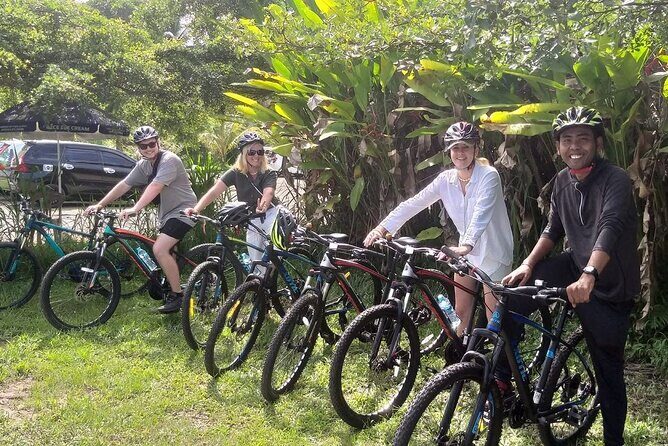
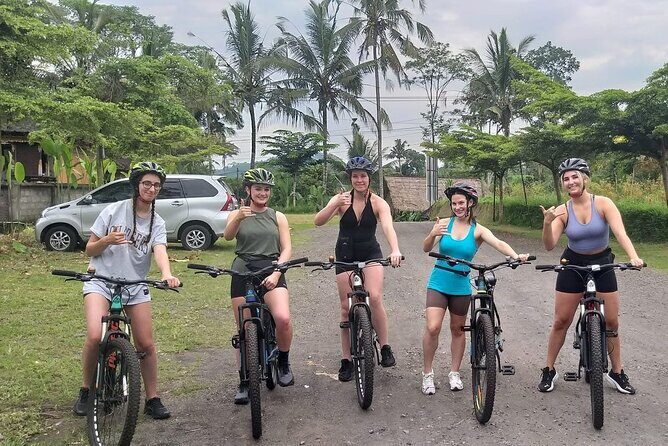
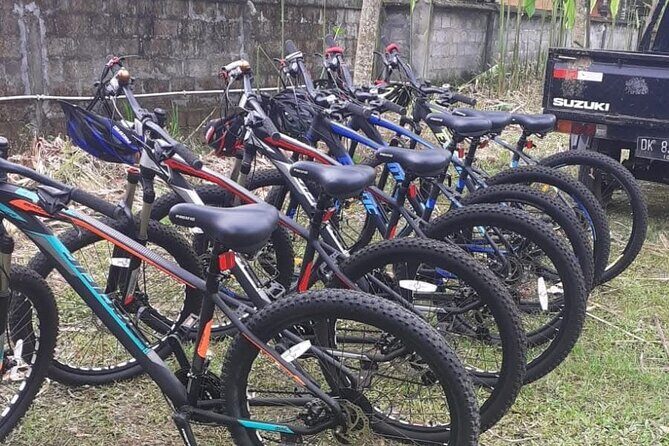
You’ll get a loaner bicycle and helmet. Bikes are generally described as high standard in reviews, and the day includes bottled water (one mineral water per participant). Some reviews also mention extra support: a follow car and even a spare bike, which is a reassuring safety net.
Here’s the practical part you control: bike check.
- Before you start rolling, take 30 seconds to confirm brakes feel solid
- If anything feels off, tell the guide right away
One review mentioned a guest had an issue with bike brakes, so it’s not just theory. Most of these issues are easy fixes, but they’re best handled at the start.
Fitness: moderate is the right label
The tour notes ask for moderate physical fitness. That matches the “country lanes + stops + possible downhill feel” style described in reviews. You should be comfortable cycling for a few hours with breaks and short transfers between stops. If you’re dealing with knee issues or you’re totally new to biking, you might still handle it, but I’d call that a “go slowly and ask questions” situation.
Guides like Ketut (and why the explanations matter)
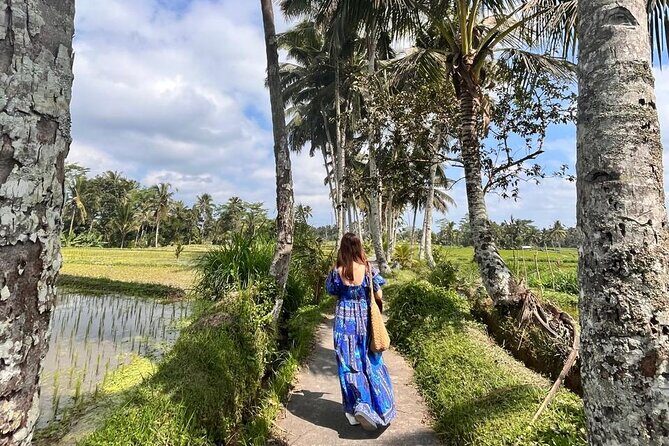
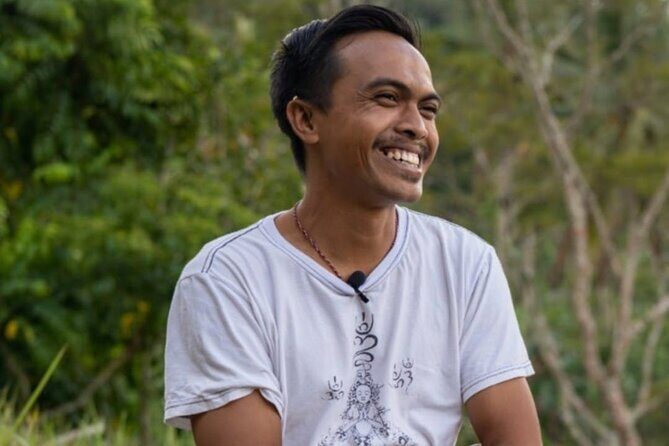
This tour’s biggest strength is that the guide isn’t just a driver with a map. Reviews repeatedly praise Ketut for explaining ceremonies and religion, guiding people through the meaning behind rituals, and answering questions in a way that makes the culture feel real.
That changes your experience in two ways:
- You understand what you’re seeing, so photos become souvenirs with a story.
- You feel less awkward inside temples/ceremonial spaces, because you know what’s happening and why.
Other names also appear in reviews—Wayan and Katut, for example—so the team approach seems strong. And one recurring theme is that guides and drivers focus on making the day smooth: keeping you on track, helping with timing, and showing you where photo spots make sense.
If you care about doing something active but not shallow, this is a major reason to pick this tour.
Value check: is $41 worth it?
At $41 per person for an approximately 5-hour private tour, this is priced like a “half-day, do-it-yourself feel” tour—but with real structure. The included items help the value add up:
- Helmet
- Bottled water (mineral water per participant)
- Waterfall entrance ticket and donation
The cultural stops and the guide’s explanations are also part of what you’re paying for. Private tours in Bali can vary wildly; this one is aiming at a middle ground where you get a meaningful day without going into full-day luxury pricing.
The only value uncertainty is lunch because the tour materials describe lunch both ways. If your confirmation says lunch is included, the value becomes even better, because you won’t need to hunt for food after waterfall time.
Who should book this rural village bike tour
This tour is a great match if you:
- Want a bike day in Bali that includes culture, not just riding
- Like guides who explain ceremonies and local customs (Ketut is specifically praised for this)
- Are comfortable with moderate cycling and you’re okay getting wet at a waterfall
- Prefer private pacing over a larger group shuffle
It might not be ideal if:
- You hate being in direct sun and you forgot sunscreen, mosquito spray, and a towel
- You’re very sensitive to small physical exertion (even if the ride is often described as manageable)
- You’re traveling with a baby, since the tour notes say it’s not recommended
Should you book Bali Rural Village Bike?
If your idea of a good Bali day is active but not exhausting—and you want to understand what you’re seeing—yes, I think this is worth booking. The private format plus guide-led temple and architecture stops make it more than a “scenery bike ride.”
Before you go, do two quick checks: confirm what your voucher says about lunch, and plan to start at the meeting point near Tukad Cepung so you’re not rushing.
If those boxes are clear, this is the kind of half-day you can actually remember for the right reasons: the ride, the waterfall swim, and the culture explained in plain human terms.
FAQ
How long is the Bali Rural Village Bike tour?
It’s listed as about 5 hours.
How much does it cost?
The price is $41.00 per person.
Where does the tour start, and where does it end?
You start at the Central parkir waterfall Tukad Cepung area (Jl. Tembuku, Tembuku, Kec. Tembuku, Kabupaten Bangli, Bali) and it ends back at the meeting point.
What’s included in the price?
Included items are helmet, bottled water (one mineral water per participant), and the entrance fee ticket for the waterfall plus a donation.
Is lunch included?
The tour highlights say Balinese lunch is included, but the listing also has a line that says Lunch under Not Included. Check your confirmation or voucher to be sure for your specific booking.
What happens if weather is bad or I need to cancel?
This experience requires good weather. If it’s canceled due to poor weather, you’ll be offered a different date or a full refund. Cancellation is free up to 24 hours in advance for a full refund.