REVIEW · UBUD
Bali Purification Ritual
Book on Viator →Operated by Dejulius Tour · Bookable on Viator
One morning, you get spiritual wet. The Tirta Empul purification ritual in Ubud is a hands-on Balinese Hindu ceremony where you dress for the temple and follow prayers right through the holy-spring bathing. You also get the travel support to make the day feel easy, not rushed, with door-to-door pickup.
I especially liked how this isn’t just sightseeing. With Wayan guiding the flow and translating key moments, you learn what you’re doing and when to do it—so the ritual feels respectful, not awkward. The one real consideration: the ceremony isn’t possible for women during menstruation, since temple entry isn’t allowed in Bali.
In This Review
- Key things to know before you go
- Tirta Empul Purification: What You’re Really Doing
- The Morning Pickup in Ubud: Why the Timing Feels Stress-Free
- Dress Code and Sarong Setup: Getting Ready Without Guesswork
- Offerings and Permission Prayers: The Part People Usually Skip
- The Holy Water Purification: What the 1–1.5 Hours Feels Like
- After the Springs: Wet Clothes, Thanks-Giving, and Holy Water
- Lunch and the Return to Your Hotel: How the Day Actually Ends
- Price and Value: Is $65 Fair for a 5-Hour Ritual Day?
- Who This Tour Fits Best (and Who Should Skip)
- Small Group Feel, Real Guidance: What Makes It Better Than DIY
- Should You Book Tirta Empul Purification in Ubud?
- FAQ
- What’s the duration of the Bali Purification Ritual at Tirta Empul?
- Is pickup and drop-off included?
- What should I bring with me?
- Do I need to bring a sarong or offerings?
- Is this tour available for women during menstruation?
- What is the main part of the ceremony?
- What’s included in the price?
Key things to know before you go
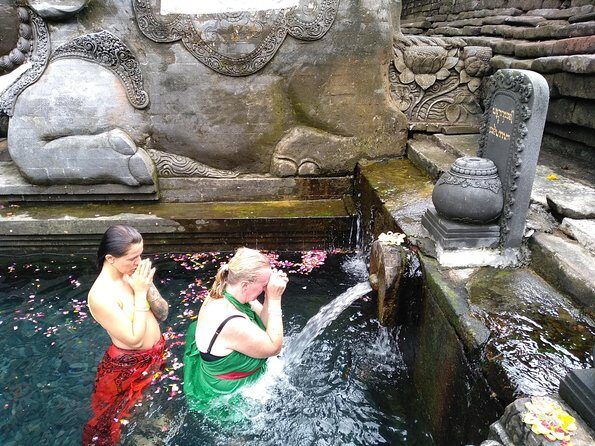
- Tirta Empul’s springs run the show: the main event is the purification process in the holy water
- You’re dressed for the temple: you’ll change into Hindu ritual costume with provided sarongs
- Offerings and prayers are part of the rhythm: you’ll prepare offerings and pray for permission and blessings
- A guide helps you get every step right: Wayan-style guidance makes the ceremony easier to follow
- Lunch and transfers are included: you won’t have to plan food or transportation after the ritual
Tirta Empul Purification: What You’re Really Doing
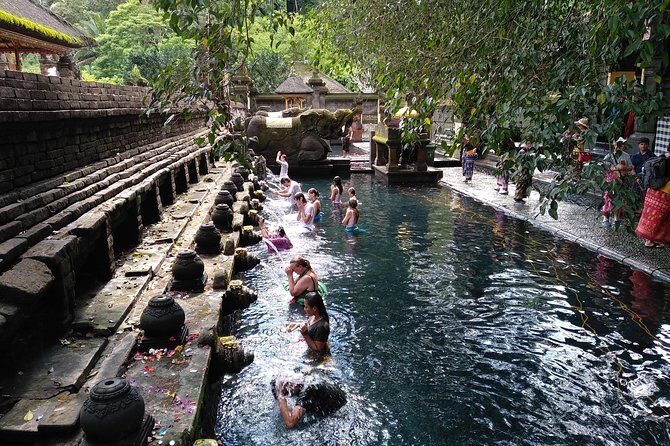
The heart of this experience is a traditional purification ceremony at Tirta Empul Temple, where Balinese Hindus believe the holy springs help cleanse away negativity. The day is built around your participation, not just watching from the sidelines. You’ll be guided through the order of prayers, offerings, and the bathing sequence in the sacred water.
What makes this ceremony meaningful for first-timers is that it’s structured. Before you step into the springs, you’ll do a permission prayer, and you’ll be taught how the process works so you can follow calmly. Then, after purification, you’ll change out of wet clothes and return for a thanks-giving prayer. If you’re curious about why religious ritual matters in Bali, this gives you a window into the lived side of faith, not just a photo-op.
You’ll also feel the whole thing as a physical routine. The cleansing is tied to the body and the senses—water, prayer, movement, and attention. It’s a mix of practical steps and spiritual intention, which is exactly why this works so well as an activity in Ubud.
You can also read our reviews of more tours and experiences in Ubud.



The Morning Pickup in Ubud: Why the Timing Feels Stress-Free
This trip is paced to keep your morning from turning into a scramble. Pickup typically starts at 8:00am, and the operator is flexible if you prefer another time slot such as 9am, 11am, 1pm, or even 5pm. You’ll be picked up from your hotel area in an air-conditioned vehicle and brought to the temple, then returned afterward.
The practical win is that you’re not fighting traffic, finding parking, or trying to match the ceremony timing with buses or taxis. After the ritual, you’re also back at your hotel by about 1:00pm (for the standard morning pickup), which matters because Bali days can otherwise balloon in length.
The total duration runs about 5 hours. That’s long enough to do the full sequence—dress-up, prayers, purification, and lunch—without dragging. It’s also short enough that you can still plan a relaxed afternoon afterward.
Dress Code and Sarong Setup: Getting Ready Without Guesswork

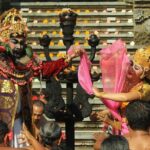
Temple etiquette can be the difference between feeling comfortable and feeling clueless. In this experience, you don’t have to figure it out alone. When you arrive at Tirta Empul, you’ll change into Hindu costume for the ritual, using sarongs provided for the ceremony.
This matters because Balinese Hindu rituals are specific, and the clothing signals respect and readiness. You’ll have the right basics already sorted for you, which reduces the awkward moment of standing in the temple area wondering what’s allowed.
You’ll want to think ahead about wet-to-dry changes, too. The experience asks you to bring changing clothes and a towel. That’s not just convenience; it keeps the day comfortable once you come out of the water. If you’ve ever done a wet activity without a towel, you know how fast it turns into discomfort. Pack smart and you’ll keep the focus on the ritual.
Offerings and Permission Prayers: The Part People Usually Skip
A lot of cultural activities stop at the main attraction. This one builds the ceremony’s “why” and “when” around the ritual steps. Before purification, you’ll pray to ask for permission and blessing. You’ll also have offerings prepared for you, so you can take part in the prayer element without needing to bring items or learn the details on your own.
You’ll see how Balinese Hindu worship is often practical: it’s action plus intention. The offerings aren’t random props; they’re part of the conversation with the gods. The guide will help you understand what’s happening and what you should do next, so you aren’t stuck guessing whether you’re holding something correctly or standing in the right place.
One of the most praised parts from past guests is that the guide stays with you through the sequence. That makes it feel less like a performance and more like you’re learning proper participation. You’ll also learn enough to connect the steps together, which is key to feeling like you had a real cultural experience instead of just getting wet in a temple.
The Holy Water Purification: What the 1–1.5 Hours Feels Like
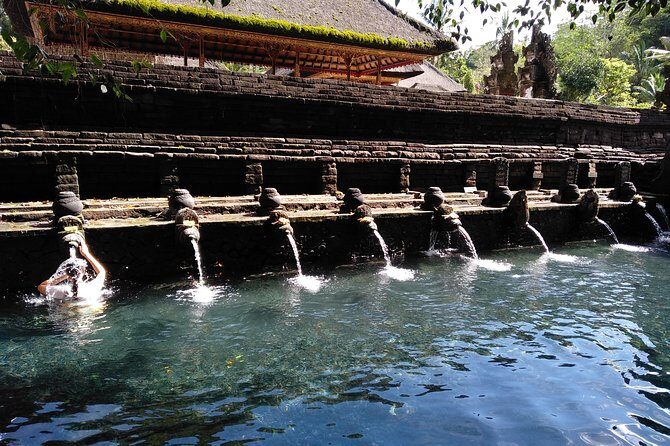
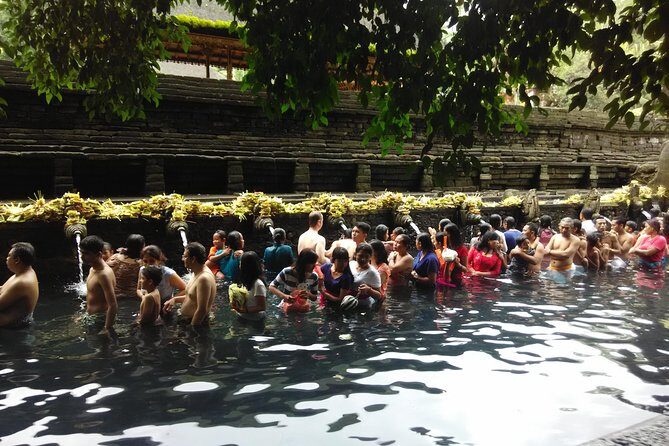
This is the main event, and it’s typically about 1 to 1.5 hours of purification processing. You’ll enter the sacred springs and follow the instructions step by step while the guide explains the ritual process along the way.
Here’s what’s useful to know as you plan your mindset:
- You’re expected to move through the ritual calmly, not rush it.
- You’ll do repeated actions that feel meditative once you’re in sync.
- You’ll be guided so you can focus on the experience, not figuring out the sequence.
A big reason this works for beginners is the guided pacing. Wayan-style support (as reflected in guest feedback) helps you perform the steps the correct way. That’s important. In a ritual setting, doing it right is part of respect—and it also helps you feel like you’re actually participating instead of fumbling.
And yes, it can be intense. Some people describe it as emotionally deep, not just interesting. If you’re the type who appreciates spirituality but doesn’t want to be overwhelmed, you might still be surprised by how much attention the ritual asks for. The good news: you’re not left alone with it. The guide’s explanations help you track what each moment is for.




After the Springs: Wet Clothes, Thanks-Giving, and Holy Water
Once the purification is finished, you’ll change out of your wet temple clothing. This is one of those small logistics that feels big in practice. A towel and extra clothes make the transition comfortable, and it helps you continue the day without feeling chilled or distracted.
Then there’s a second prayer segment: thanks-giving to the gods for the blessing you’ve received. This “before and after” structure turns the experience into a full loop—permission, cleansing, gratitude—so it doesn’t end abruptly right when the water part is over.
You may also be able to take a little holy water to your place or home, depending on what’s offered and allowed during the ceremony. It’s a thoughtful touch for people who want to bring the meaning of the ritual back into real life rather than leaving it behind with the photos.
Lunch and the Return to Your Hotel: How the Day Actually Ends
After the temple sequence, you’ll slow down with lunch. The meal is included, along with bottled water. That’s a practical detail worth valuing, because after a wet and emotionally focused experience, you’ll want something simple and scheduled.
Then you head back to your hotel area and typically arrive around 1:00pm for the morning pickup. Door-to-door transfers mean you’re not left trying to navigate a post-ritual body-and-mind reset on your own.
This ending matters in Ubud, where the temptation is to stack activities. If you plan wisely, you can use this time as a quiet reset. You don’t need a late-night plan immediately after a ceremony like this. A calm afternoon suits the mood better.
Price and Value: Is $65 Fair for a 5-Hour Ritual Day?
At $65 per person, this isn’t a “cheap” add-on, but it also isn’t trying to be luxury. The value comes from what’s included: hotel pickup and drop-off, an air-conditioned vehicle, lunch, bottled water, temple-related fees, sarongs for the ritual, and prepared offerings.
It also includes the key ingredient you can’t buy on your own easily: guided participation. If you were doing this independently, you’d still need transportation, figuring-out time, and likely a guide to help you understand what to do inside the temple. Here, that guidance is part of the package.
Two extra value notes:
- Group size is capped at 25 travelers, so it’s not a huge cattle-call crowd.
- It’s booked fairly far ahead on average (around 78 days), which is a hint that this is a popular way to experience Tirta Empul without building your own itinerary.
If you want a ritual day that stays organized—without you worrying about dress rules, timing, or what to do inside the sacred area—this price can feel quite reasonable.
Who This Tour Fits Best (and Who Should Skip)
This is a great match if you want an authentic cultural activity in Ubud with structure and guidance. You’ll likely enjoy it if you’re curious about Balinese Hindu ritual, you’re comfortable following steps, and you want your day to feel meaningful, not just busy.
It’s also a solid choice for people who like clarity. The ceremony has a clear flow: prayers before purification, bathing in the sacred springs, changing, thanks-giving, and then lunch and return. That makes it less stressful than a “wander and figure it out” style experience.
There’s one important limit: it’s not possible for women during menstruation due to temple rules in Bali. If that applies to you, you should look for an alternative activity in Ubud that doesn’t involve temple entry during restricted periods.
Small Group Feel, Real Guidance: What Makes It Better Than DIY
Part of what makes this purification ritual experience stand out is the way the day is handled. You’re not just dropped at a temple. You’re helped before and during the ceremony—dress changes, offerings, prayers, purification instructions, and then the thanks-giving part afterward.
Past guests have highlighted guide support strongly, including naming Wayan and praising how he explained the steps and stayed with them throughout. That’s exactly what I’d want in a ritual setting: someone to translate the process and keep you from missing a step or feeling out of place.
You’ll also be with a small group, capped at 25. Smaller groups tend to mean a smoother experience: fewer distractions, more attention to questions, and a calmer pace inside the temple areas.
Should You Book Tirta Empul Purification in Ubud?
Book it if you want a real ritual experience with guidance, not a distant view. The combination of sarong dress-up, step-by-step prayers and purification, lunch, and door-to-door transfers makes it one of the more straightforward ways to experience Tirta Empul in a meaningful way.
Skip it if you’re in the restricted category where temple entry isn’t possible (such as menstruation, as stated), or if you strongly dislike wet activities and would rather keep your day dry and simple.
If you’re visiting Ubud and you’re drawn to the spiritual side of Bali, this is the kind of tour that can leave a memory that feels personal. Just pack your towel and changing clothes, show up ready to follow the steps, and let the ritual take its own pace.
FAQ
What’s the duration of the Bali Purification Ritual at Tirta Empul?
The experience runs about 5 hours (approx.), including pickup, the purification ceremony, lunch, and the return to your hotel.
Is pickup and drop-off included?
Yes. Free hotel pick up/drop services are included, using an air-conditioned vehicle. You’ll need to provide your hotel name/address.
What should I bring with me?
Bring changing clothes and a towel, since you’ll need to change after the purification when you come out of the holy water.
Do I need to bring a sarong or offerings?
No. Sarongs for the temple and for purification are provided, and ritual offerings are included.
Is this tour available for women during menstruation?
No. It’s not possible for women during menstruation because temple entry is not allowed during that time in Bali.
What is the main part of the ceremony?
The main part is the purification process in the sacred springs at Tirta Empul, which typically lasts about 1 to 1.5 hours.
What’s included in the price?
The price includes air-conditioned transportation, hotel pickup/drop-off, lunch, bottled water, all fees and taxes, sarongs, and Hindu ritual offerings. Personal expenses are not included.