REVIEW · UBUD
Bali Sightseeing Tour – Traditional village – Waterfall
Book on Viator →Operated by Safe Bali Driver (Ketut Suwenda) - Day Tours · Bookable on Viator
Cave-waterfall views are the real payoff. This door-to-door private Ubud tour is built for people who want Bali culture and nature without self-drive stress, with an English-speaking guide and transportation handled end to end. I particularly like how the day combines a proper guide (with context) and a classic cave waterfall stop that can include time to swim.
I also like the way the stops are arranged around real Balinese practices, not just photo stops. You’ll move through Penglipuran’s strict village rules, then continue to Tirta Empul’s holy spring water where locals do purification, all with explanations from your guide (Ketut Suwenda is listed as the provider).
One consideration: it’s a full 8 to 10 hours, and the waterfall area involves walking. If you plan to swim at Goa Raja, bring the right gear—your guide suggests swimwear and a towel.
In This Review
- Key Highlights Worth Your Time
- A Smart Way To See Central Bali Without the Self-Drive Headache
- Price and What You’re Actually Paying For
- Goa Raja Waterfall: Cave Setting, River Walk, and Swim Time
- Penglipuran Village and Bamboo Forest: Clean Streets, Strict Rules, Quiet Power
- Tirta Empul Temple: Sacred Springs and the Meaning of Purification
- Tegalalang Rice Terrace: Timing, Views, and Taking the Time to Look
- Coffee Plantation Stop: Optional, but Useful for Flavor Context
- The Best-Fit Traveler for This Route
- Door-to-Door Reality: What to Pack and How to Pace Yourself
- Should You Book This Ubud Waterfall and Temple Tour?
- FAQ
- What is the duration of the Bali Sightseeing Tour?
- Where does the tour take place?
- Is pickup included?
- Is this tour private or shared?
- What are the main stops on the itinerary?
- Are admissions included in the price?
- Should I bring swimwear for the waterfall?
- Is lunch included?
- Who provides the guide and transportation?
- What is the cancellation policy?
Key Highlights Worth Your Time
- Private driver/guide logistics handled so you skip stress and focus on the day
- Goa Raja cave waterfall with time on-site (and optional swimming)
- Penglipuran village rules including a prohibition on motorized vehicles
- Tirta Empul purification springs explained by your guide
- Tegalalang rice terraces with a focused, timed stop for photos and viewpoints
- Optional coffee/spice plantation to connect flavors with the island’s growing culture
A Smart Way To See Central Bali Without the Self-Drive Headache
The best thing about this tour is how it removes the friction. In Bali, it’s easy to lose your day to traffic, wrong turns, and parking. Here, you get pickup and private transportation, and your driver/guide handles routing between sites so you can actually enjoy the scenery instead of managing it.
That private setup matters more than it sounds. This is described as private, with only your group participating. That means you’re not squeezed between strangers, and your guide can pace explanations at a human speed—useful at places where people follow rules and rituals you might otherwise miss.
The day is also practical. You’re not trying to “collect” ten landmarks in an hour. The schedule is broken into clear time blocks—about 1.5 hours at Goa Raja, then one hour at Penglipuran, 30 minutes at the bamboo forest, one hour at Tirta Empul, and 45 minutes at Tegalalang—plus driving time between them. For a first or mid-trip day in Ubud, that’s a good rhythm.
You can also read our reviews of more tours and experiences in Ubud.



Price and What You’re Actually Paying For
At $54 per person, this is a value-forward way to pack in multiple major stops. The key isn’t just the price; it’s what’s included. Entry/admission is covered for Goa Raja Waterfall, Penglipuran and the bamboo forest area, Tirta Empul Temple, and Tegalalang rice terraces. Fuel surcharge and private transportation are included too.
So what are you paying for, in plain terms?
- Transportation that saves you the mental overhead of routing
- An English-speaking guide (the kind of difference you feel at temples and cultural sites)
- Admissions for the main stops
- Optional coffee/spice plantation time if you want to add it
The only obvious extra is lunch and gratuities. If you don’t budget for lunch, this can feel like it suddenly costs more. But if you plan a simple meal break for yourself, this price stays fair for a full day of driving plus multiple paid entries.
Goa Raja Waterfall: Cave Setting, River Walk, and Swim Time

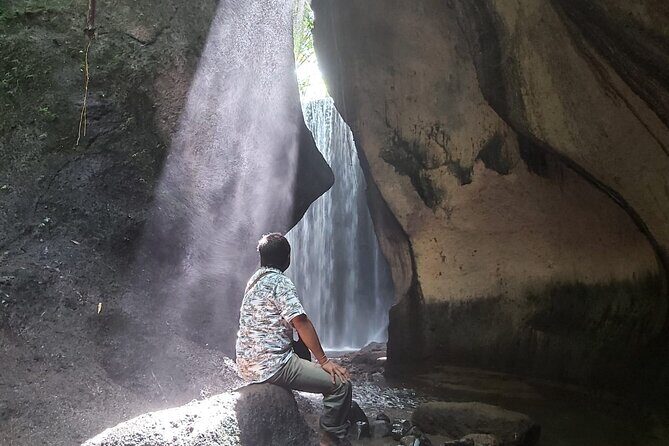
Your day starts with a waterfall stop called Goa Raja Waterall in the itinerary details. The description frames it as a unique, more tucked-away spot under a cave. That matters because cave waterfalls aren’t the same as open-air falls—your approach, lighting, and the “wow” factor are different.
Expect around 1 hour 30 minutes at this stop. That’s enough time to take in the scene, move around safely, and decide whether you want to swim. The tour specifically notes that if you’d like to swim, you should prefer swimwear and a towel. That’s a small detail, but it can make or break this portion of the day.
Also, plan your energy for the approach. One of the most praised aspects of the experience is the satisfaction of getting to the falls by walking up the river area. If you like active sightseeing—short effort for big reward—you’ll probably enjoy this part. If you’d rather keep your feet up, you can still appreciate the waterfall, but go into it with the mindset that this isn’t a purely sit-and-stare stop.
Practical advice before you go:
- Wear footwear you can trust on wet surfaces.
- Bring a towel if you think there’s any chance you’ll swim.
- If you’re sensitive to slippery spots, go slow and let the guide set the pace.
Penglipuran Village and Bamboo Forest: Clean Streets, Strict Rules, Quiet Power
After the waterfall, you head to Penglipuran Village, typically treated as a cultural highlight in central Bali. It’s described as the cleanest village in Indonesia, and the itinerary adds something important: strict customary rules. One of the standout rules is the prohibition of using motorized vehicles inside the village, aimed at keeping air quality clean.
This is one of those places where the rules don’t feel like a lecture—they shape the vibe. Less engine noise means you can actually hear what’s around you. It also makes the village feel more “lived-in” and less like a stage set. If you’re tired of tourism that turns everything into a rush, Penglipuran is a refreshing change of pace.
You’ll have about 1 hour here, which is a good amount of time for a stroll plus time to understand what you’re seeing. The atmosphere is also helped by the village design and the way visitors are guided through the experience without trying to turn it into a checklist.
Then the tour adds the Penglipuran bamboo forest stop to the north. You get about 30 minutes there. Bamboo is used across Bali for practical and cultural needs—house materials, ceremonial tools, and crafts—so this isn’t just a pretty walk. It connects the landscape you see to the everyday and ritual side of life.
If you’re the kind of traveler who likes to understand why something exists (not only what it looks like), this paired stop makes sense: village rules, then materials used in local life.
Tirta Empul Temple: Sacred Springs and the Meaning of Purification
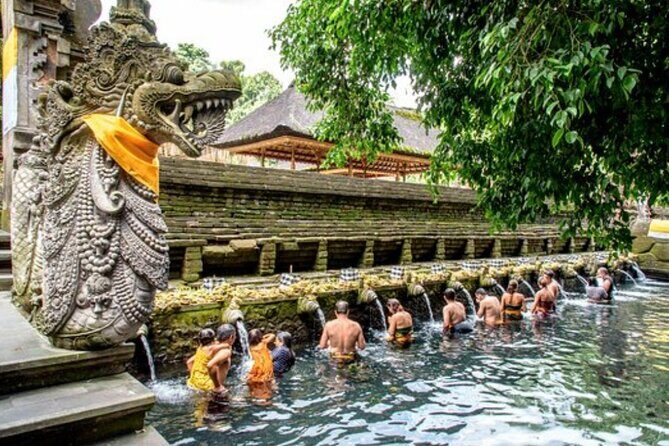
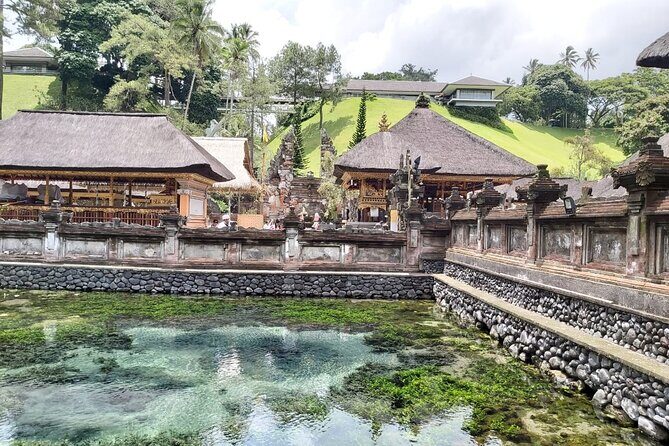
Tirta Empul is one of the most meaningful stops on this kind of route because it’s about a living religious practice. The itinerary describes Tirta Empul as a popular temple with holy spring water, where local people usually do purification.
You’ll have about 1 hour at the temple. That time window is useful because temples like this take attention. You’re not just there to look at buildings; you’re watching (and learning about) a ritual that locals treat with seriousness. A good guide helps you understand what symbols mean, why people follow certain steps, and what purification is meant to represent.
One of the most praised aspects of the overall experience is the way guides explain beliefs and symbols. That’s not a throwaway compliment. At places like Tirta Empul, explanations help you avoid treating it like a spectacle. With context, you can participate more respectfully (and honestly enjoy the experience more).
Practical ways to handle the setting:
- Keep your voice low and your movements calm.
- If you’re unsure about what’s appropriate, follow your guide’s lead.
- Expect that this can feel more spiritual than scenic, even though it’s still visually rewarding.




Tegalalang Rice Terrace: Timing, Views, and Taking the Time to Look
After Tirta Empul, you’ll reach Tegalalang rice terrace, with about 45 minutes on-site. This stop is billed as a stunning spot in north of Ubud where rice paddies stretch in terrace formations along the river bank.
Here’s the practical truth: rice terraces can be crowded on some days. The value of a guided, timed stop is that you’re more likely to see the best angles without losing an hour to wandering. 45 minutes can feel short, but it’s long enough to walk to viewpoints, find a comfortable place for photos, and still keep the day moving.
What makes Tegalalang work on this itinerary is contrast. You’ve gone from cave waterfall to strict village rules to ritual purification. Then the rice terraces give you the “Bali nature postcard” moment. It’s not only pretty—it’s also a change in pace, and it helps you end the day on a calm note.
If you’re planning your own day in Ubud, keep this in mind: terraces are better when you slow down enough to watch how the light hits the steps. With a guide, you’re more likely to time it well and avoid spending the entire stop checking maps.
Coffee Plantation Stop: Optional, but Useful for Flavor Context
Your tour includes a visiting coffee plantation, described as optional. That means you can treat it as a bonus rather than a requirement, and that’s a good setup for mixed tastes.
Why it can be worth doing: it gives you a practical bridge between the natural world you’ve seen and the way Bali is connected to cultivation and daily life. Even if you’re not a coffee superfan, a plantation stop can help explain how locals grow and process what ends up in the cup.
The itinerary doesn’t force extra time in a way that overwhelms the day—so if you’re happy to make it a short stop, it can add meaning. If you’d rather skip it, you won’t feel like you’re losing your whole schedule.
The Best-Fit Traveler for This Route
This tour fits especially well if you want a balanced day:
- You want culture and nature in the same itinerary
- You prefer a guide’s explanations at religious/cultural stops
- You’d rather not manage traffic, parking, and routing yourself
- You like a gentle-to-moderate walking component, especially for the waterfall approach
It’s also a strong choice if you’re visiting central Bali and want the kind of itinerary that feels “organized,” not chaotic. The private transportation and English-speaking guide listed (Ketut Suwenda is the named provider) help make this feel like a real day plan rather than a random set of errands.
Who might want to adjust their expectations:
- If you have very limited mobility, the waterfall stop may be less comfortable due to walking.
- If you’re only interested in big scenic views and not in temple or village context, you might want to skip the cultural depth part and focus on fewer sites instead. But on this tour, those cultural stops are the main point.
Door-to-Door Reality: What to Pack and How to Pace Yourself
Because this is a full-day itinerary, your comfort choices matter. Based on the stops and the one explicit swim suggestion, here’s what I’d plan for:
- A light layer for temple areas and the ride between stops
- Shoes with grip for wet ground at waterfalls
- Swimwear and a towel if you want to actually swim at Goa Raja
- A small bag for damp items (waterfalls happen)
- Sun protection for the rice terrace views, since terraces can be exposed
Also, keep your phone charged. With multiple scenic stops—especially the cave waterfall and Tegalalang terraces—you’ll likely be taking photos even if you don’t mean to.
Should You Book This Ubud Waterfall and Temple Tour?
Yes, you should consider booking it if you want a day that balances big sights with real cultural meaning, and you don’t want to stress over driving. The standout reason is the combination of practical logistics (private transportation, pickup, English-speaking guidance) with cultural explanation at places like Tirta Empul and Penglipuran.
Skip it only if you hate walking, or if temples and village customs feel like a chore rather than part of the trip for you. Otherwise, this is a solid value way to experience central Bali in one smooth sweep.
FAQ
What is the duration of the Bali Sightseeing Tour?
The tour runs about 8 to 10 hours.
Where does the tour take place?
It’s based in Ubud and covers central Bali.
Is pickup included?
Pickup is offered.
Is this tour private or shared?
It’s private, and only your group participates.
What are the main stops on the itinerary?
You’ll visit Goa Raja Waterfall, Penglipuran Village, the Penglipuran Bamboo Forest, Tirta Empul Temple, and Tegalalang Rice Terrace. A coffee plantation visit is optional.
Are admissions included in the price?
The tour includes entry/admission for Goa Raja Waterfall, Penglipuran Village and Bamboo Forest, Tirta Empul Temple, and Tegalalang Rice Terrace.
Should I bring swimwear for the waterfall?
If you’d like to swim at Goa Raja Waterfall, the itinerary notes you should prefer swimwear and bring a towel.
Is lunch included?
No, lunch is not included.
Who provides the guide and transportation?
The provider listed is Safe Bali Driver (Ketut Suwenda) – Day Tours, with an English-speaking guide and private transportation.
What is the cancellation policy?
Free cancellation is available if you cancel up to 24 hours in advance for a full refund.