REVIEW · UBUD
Bali Traditional Village Experience
Book on Viator →Operated by Taro Village Experience · Bookable on Viator
Small village, big meaning.
This private Bali traditional village experience in Taro is a short, focused look at daily Balinese Hindu life, centered on one family’s compound north of Ubud. I love how hands-on it is with Canang Sari offerings, and I also like the plain, human pace of sharing morning tea and local snacks right where people actually live. The best part is that it’s not a staged show; it’s a guided day built around the routines you’d see at home.
One thing to plan for: the holy water temple entrance/donation isn’t included and is paid in cash.
In This Review
- Key things to love about the Taro village experience
- A Family-Compound Morning in Taro, North of Ubud
- What You’ll Do While Making Canang Sari Offerings
- Morning Tea, Sarong Courtesy, and Local Nibbles
- The Sacred Holy Water Site and the Blessing Ceremony
- Why Private Transfers Make Ubud Day Trips Feel Easier
- Price and Value: Is $35 Really Enough Time?
- Combine It With Cooking, Oil, or Crafts
- Who This Tour Is Perfect For (and Who Might Want Something Else)
- Should You Book the Bali Traditional Village Experience in Taro?
- FAQ
- How long is the Taro village experience?
- Where does the tour start and end?
- Is lunch included?
- What’s included in the $35 price?
- Do I need to pay anything at the holy water temple?
- What do I need to wear for the holy water site?
- Can I cancel for free?
- Is this tour private?
Key things to love about the Taro village experience
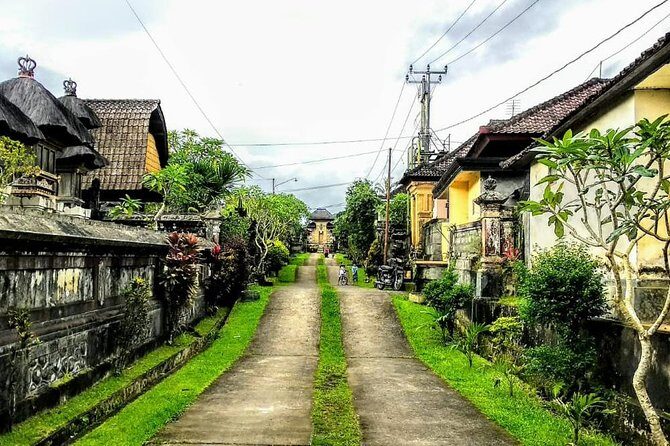
- Family-compound walk-through with explanations of where different family members live and what their family temple is for
- Teach-you-yourself Canang Sari offering making, then using your offerings later in the blessing
- Morning tea plus Bali cookies/snacks, served in the compound setting
- Holy water cleansing choice: you can change into swimwear or clothes that may get wet if you want the ritual
- Sarong and sash required at the sacred site, with the tour providing the sarong
- Two-way private transfers from your Ubud area address to keep the day easy
A Family-Compound Morning in Taro, North of Ubud
Taro sits about 12 miles (18 km) north of Ubud, and it feels more like a working village than a sightseeing stop. You’ll start with pickup and head there with a driver, so you’re not spending your energy negotiating scooters, parking, or timing.
Once you arrive, your guide leads you through their traditional family compound. This is the heart of the experience: you’re shown where the families live and you learn how the family temple fits into day-to-day life. That layout matters, because in Bali, religion isn’t confined to big temples—it’s woven into the home rhythms.
I also like that this isn’t a long day. At about two hours, you get the core cultural moments without the fatigue that can hit when you stack too many Ubud activities in a row.
You can also read our reviews of more tours and experiences in Ubud.



What You’ll Do While Making Canang Sari Offerings
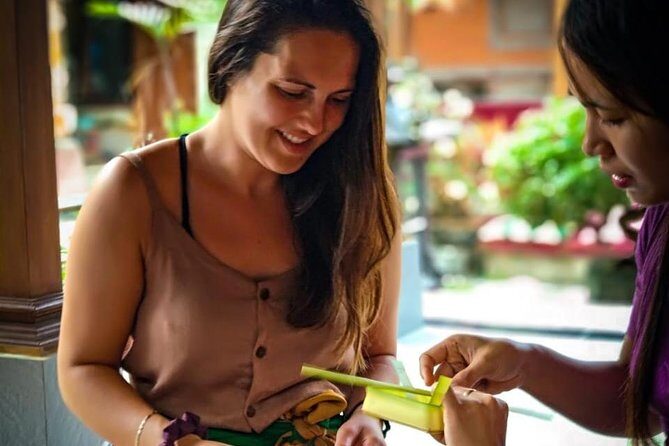
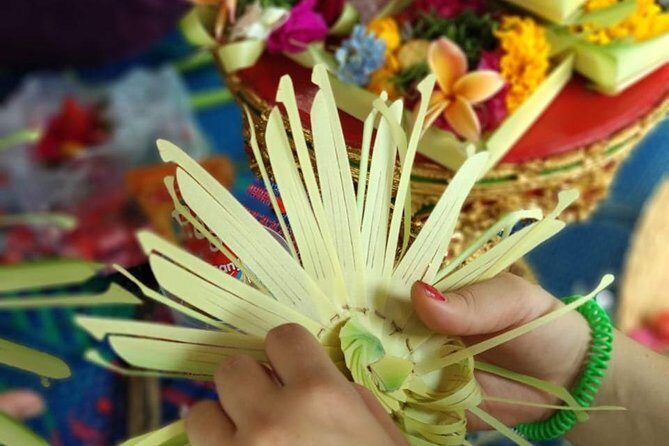
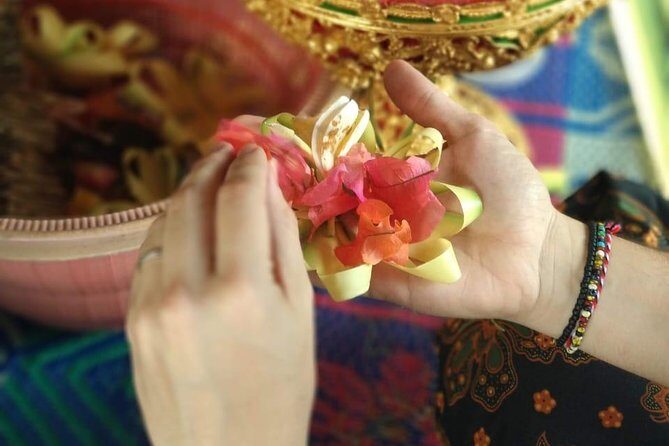
The offering-making part is the most practical cultural skill you’ll take home. You’ll be taught how to make Canang Sari, the small Balinese Hindu offerings used throughout the day. Your guide walks you through it step by step, and you get to handle the materials instead of just watching from a distance.
This is where the experience becomes more than a photo stop. Canang Sari is a daily language of gratitude, respect, and routine, and you’ll feel that better because you literally make the offering with your hands. It also sets up what comes next: the offerings you create earlier in the morning are used in the blessing ceremony at the holy water site.
If you’re the type who learns best by doing, you’ll enjoy this. If you’re expecting a lecture-heavy cultural talk, you’ll still learn plenty, but the focus stays hands-on.
Practical tip: Wear clothes you’re comfortable adjusting while you make offerings. You don’t need to dress like you’re working in the field, but being flexible will make it smoother.
Morning Tea, Sarong Courtesy, and Local Nibbles
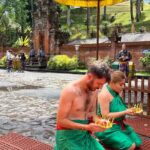
Before the holy water temple, you’ll slow down inside the family compound with traditional morning tea and local snacks. The tour includes coffee and/or tea, plus Bali cookies as part of the tasting.
This is a small detail that makes a big difference. Eating and drinking in the compound setting turns the experience from a guided walk into something more human—like you’re being hosted rather than shepherded between attractions. You also get a quick sense of what everyday hospitality looks like in a traditional village.
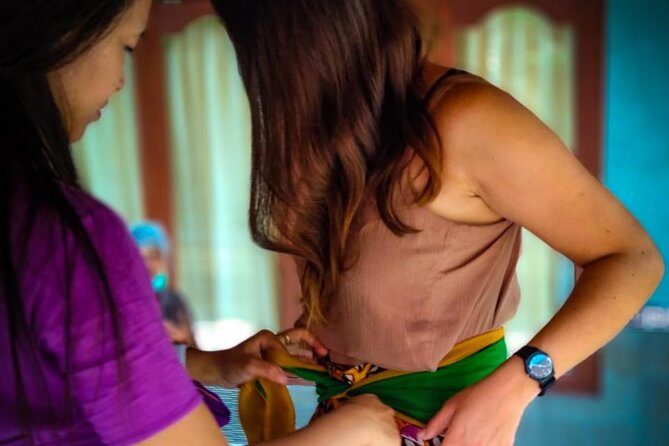
You’ll also receive a Balinese sarong for the day. Even if you’ve worn one before, this is one of those small “you’re doing this properly” touches. It also helps you avoid the hassle of finding the right clothing at the last minute.
The Sacred Holy Water Site and the Blessing Ceremony
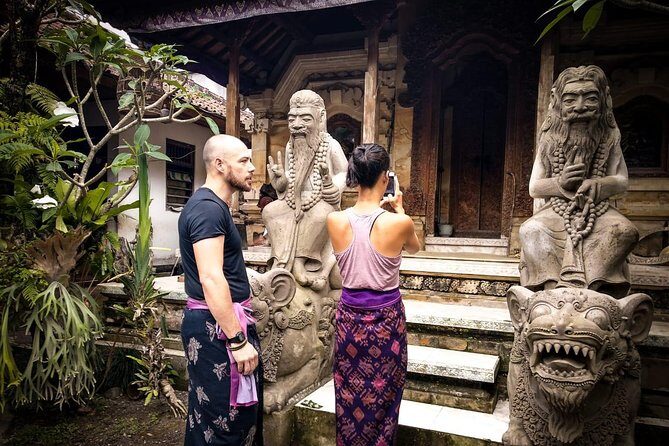
After the family compound, the tour moves to a sacred holy water location. This is where you shift from making offerings to receiving a blessing tied directly to the ritual.
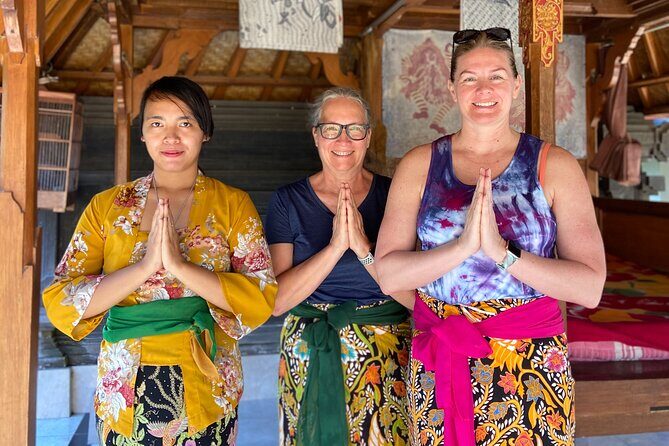
At the sacred site, you can change into swimwear or clothes that may get wet if you choose the cleansing ritual. Even if you’re not sure you want to do the wet part, the option is there, and having that choice is helpful. You’ll also be dressed in a sarong and sash, and that clothing is mandatory for entering the site.
Here’s the key connection: your Canang Sari offerings from earlier are used in your blessing ceremony. Then you receive a Hindu blessing with the holy water. It’s not just “see the place”; it’s a short, structured moment of participation.
Consideration: The entrance fee/donation for the holy water temple is not included, and it’s payable in cash. I’d plan for that so you’re not scrambling at the end of the day.
Packing tip that keeps you comfortable: If you think you’ll do the cleansing ritual, bring something that dries easily and a small towel. The tour provides key ritual clothing (sarong), but your comfort is up to you.
Why Private Transfers Make Ubud Day Trips Feel Easier
Ubud can eat time. Traffic, ride-hailing, and the general “where do I go next?” feeling can turn a good cultural plan into a stressful one. This experience solves that with 2-way private transfers from your Ubud area address.
That matters because the tour is only about two hours long. When you’re not also spending your day wrestling logistics, you actually get to enjoy the experience rather than just getting to it.
You’ll also start and end at the meeting point area. The experience ends back at the meeting point, which keeps the day clean and simple.
Best for: people who want cultural contact without turning their schedule into a scavenger hunt.




Price and Value: Is $35 Really Enough Time?
$35 per person for a cultural experience can look “small” until you break down what’s included. For this price, you get a private tour in a traditional Taro village setting, guided time in a family compound, instruction for making Canang Sari offerings, morning tea plus Bali cookies/snacks, coffee and/or tea, and the sarong used for the experience.
You’re also paying for the convenience of private transport from your Ubud address. Short tours often feel like you’re rushing, but here the time is tightly focused: compound → offerings and tea → holy water blessing.
What’s not included is also clear. Lunch is not part of the price, and the holy water temple entrance/donation is extra and paid in cash. So if you’re booking this as your only activity, plan to eat before or after.
If you want a “culture taste” without spending all day, this is strong value. If you’re hoping for a full-day immersion with multiple additional classes and long stops, you’ll probably want a longer add-on itinerary.
Combine It With Cooking, Oil, or Crafts
If you want to turn the day into more of a hands-on workshop vibe, the provider mentions it can be combined with a cooking class, coconut oil class, silver class, or evening fireflies.
That’s useful if you’re the type who likes building a theme: religion and daily life in the morning, then a craft or food skill later. Since this tour itself is short, adding another activity can help you get more out of your travel day around Ubud.
Just keep the timing realistic. When you add too many stops, even a good tour can start to feel like running errands in traditional clothing.
Who This Tour Is Perfect For (and Who Might Want Something Else)
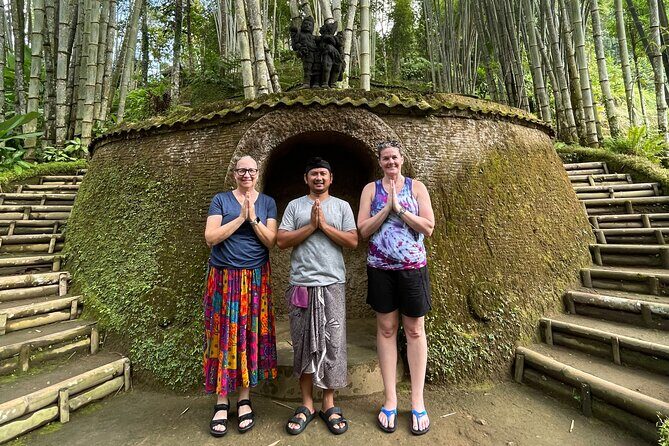
This works especially well if you:
- want a private cultural experience with direct participation
- like religious traditions when you can see how they happen in real life
- prefer short tours that still feel meaningful
- are staying in or near Ubud and want a quick trip north
It might not be ideal if you:
- want a long, multi-stop day with lots of downtime
- need a full included meal (lunch isn’t included)
- hate cash-only surprises (the holy water entrance/donation is paid in cash)
The “most travelers can participate” note is reassuring, but it doesn’t replace common sense. If cleansing involves water and you have mobility or comfort concerns, be practical about what you choose to do.
Should You Book the Bali Traditional Village Experience in Taro?
I’d book it if you want an authentic, short, hands-on window into Balinese Hindu daily life. The combination of family-compound hosting, Canang Sari offering instruction, and a holy water blessing ritual is a clean package for a half-day schedule—especially with private transfers that keep your day from collapsing into transport headaches.
Skip it only if you’re looking for a long checklist of big sights, or if you dislike any part that involves extra cash for the holy water temple. For many visitors, that trade is worth it because you’re not just looking; you’re participating.
FAQ
How long is the Taro village experience?
It’s about 2 hours (approx.).
Where does the tour start and end?
It starts at Delodsema Traditional Village, Tegallalang (Delodsema Road, Taro, Tegallalang, Gianyar Regency, Bali 80561) and ends back at the meeting point.
Is lunch included?
No, lunch is not included.
What’s included in the $35 price?
Included items are Bali cookies/snacks, a Balinese sarong, and coffee and/or tea.
Do I need to pay anything at the holy water temple?
Yes. The entrance ticket/donation at the holy water temple is not included and is payable in cash.
What do I need to wear for the holy water site?
You’ll need to wear a sarong and sash for entry. The tour provides a sarong, and at the site you’ll be dressed appropriately for the ceremony.
Can I cancel for free?
Yes. You can cancel up to 24 hours in advance of the experience for a full refund.
Is this tour private?
Yes. It’s a private tour/activity, and only your group participates.