REVIEW · UBUD
Bali UNESCO Sites: Water Temples and Jatiluwih Rice Terrace Tour
Book on Viator →Operated by SightCity Bali · Bookable on Viator
Bali is good at full-day magic. This private UNESCO tour strings together the best temple-and-rice-terrace icons in one efficient day, with your own driver-guide to explain the traditions behind Bali’s water rituals. I especially love the photo-friendly pacing—temples first, terraces next, then the sunset at Tanah Lot—and I also like that it’s built for real questions (not just dropped off and forgotten). One possible drawback: it’s a long day, and if you’re hoping to add extra stops beyond what’s planned, timing can get tight.
You start early from Ubud (8:30am) and you’ll cover key UNESCO-linked “subak” irrigation country, plus several major temple visits. The route is designed so you’re not fighting traffic on public transport, which is a big deal in Bali. If you prefer a super slow vacation day with zero driving, this might feel like more moving than you want.
In This Review
- Key Things I’d Book This For
- Why This Bali Day Works: UNESCO Water, Temples, and Rice Terraces in One Loop
- Your Private Driver-Guide: Real Explanations, Not Just Parking Lots
- Start at 8:30am: How the Timing Shapes the Views
- Stop 1: Taman Ayun Temple and Its Royal Water Garden Feel
- Stop 2: Ulun Danu Beratan (Ulun Danu Bratan) and the Lake-Temple Illusion
- Stop 3: Jatiluwih Rice Terraces and Why They Feel Like a Living System
- Stop 4: Tanah Lot Sunset and the Sea-Temple Timing Game
- If Time Permits: The Tour’s Bonus Menu (Waterfalls, Hot Springs, and More)
- Hidden waterfall moments
- Ogoh-ogoh culture at a special museum
- Baturiti caldera lakes near the lake temple area
- Instagram-famous viewpoint stops
- Big waterfalls and jungle cliff scenes
- Hot springs with that traditional Bali vibe
- Sekumpul-style multi-waterfall views
- Butterfly park and insect preservation
- Botanical collections and cool upland air
- More rice-terrace viewpoints and mountain sightlines
- Beach time for surfers and sunbathers
- A quieter stop: giant sleeping Buddha
- Edu-vacation concept stop
- Photo Tips That Save Time (And Sanity)
- Price and Value: How $38.18 Adds Up on a Private Day
- Who This Tour Suits Best (And Who Might Prefer Another Style)
- Should You Book This Bali UNESCO Sites: Water Temples and Jatiluwih Rice Terrace Tour?
- FAQ
- What time does the tour start?
- How long is the tour?
- Where is pickup available?
- Is the tour private?
- Are admission tickets included?
- What’s included in the price?
- Is food included?
- Can I get a refund if I cancel?
Key Things I’d Book This For
- A private driver-guide who can answer your questions as you go
- UNESCO-linked subak irrigation context tied directly to what you see
- Temple + terraces + sunset in one loop, so you don’t waste half-days
- Good time windows for golden light at Tanah Lot
- Optional extras if time permits, including waterfalls, hot springs, and a butterfly park
Why This Bali Day Works: UNESCO Water, Temples, and Rice Terraces in One Loop
This tour is built around a simple idea: in Bali, the most impressive scenery isn’t random. It’s shaped by water management, shared religion, and community work that’s been going on for generations.
That’s where the UNESCO angle comes in. Bali’s “subak” irrigation system isn’t just practical farming. It’s social and spiritual, too—water distribution and temple ceremonies are tied together. When you visit the temples and then look out over the rice terraces, you start seeing how all the pieces connect.
And because this is private transport, you’re not losing hours on bus transfers or waiting for stragglers. You get a driver-guide in the driver seat. That matters. You can ask questions while you’re traveling, not only while you’re standing still.
You can also read our reviews of more tours and experiences in Ubud.


Your Private Driver-Guide: Real Explanations, Not Just Parking Lots
One of the most praised parts of this experience is the human side: guides who take you seriously and tailor the day to what you care about. Names like Juli, Mika, Teget, and Gede come up in the kind of way you hope for—people who handle questions patiently and show you good photo viewpoints.
In practice, that means you’re less likely to get the rushed version of each stop. You can ask how to read what you’re looking at: Why this temple is arranged this way, why water matters here, and what the ceremonies are connected to. It also helps with logistics—finding a good angle without making it a whole production.
The tour is also flexible. There are “if time permits” options, so the day can bend depending on the route flow and what you’re in the mood for. If you love temples, you can likely lean that way. If you want nature moments, there are options for waterfalls and hot springs too.
Start at 8:30am: How the Timing Shapes the Views
You begin at 8:30am, with pickup offered from Ubud/Gianyar and also from much of south Bali (Sanur, Kuta/Legian, Seminyak, Canggu, Jimbaran, Nusa Dua, Denpasar). That’s a wide pickup range, which is useful if you’re not staying in Ubud.
The schedule is long—about 9 hours 30 minutes—but it’s structured so the big moments don’t happen at random times. Temples happen early and late morning. Rice terraces happen before the light gets too harsh. The day ends with sunset at Tanah Lot, which is the main timing event.
If you hate early starts, this might be your one compromise. If you like seeing places in the best light, you’ll appreciate the order.
Stop 1: Taman Ayun Temple and Its Royal Water Garden Feel
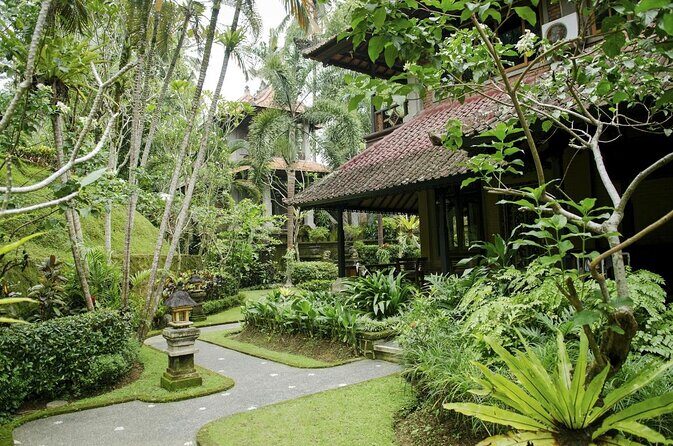
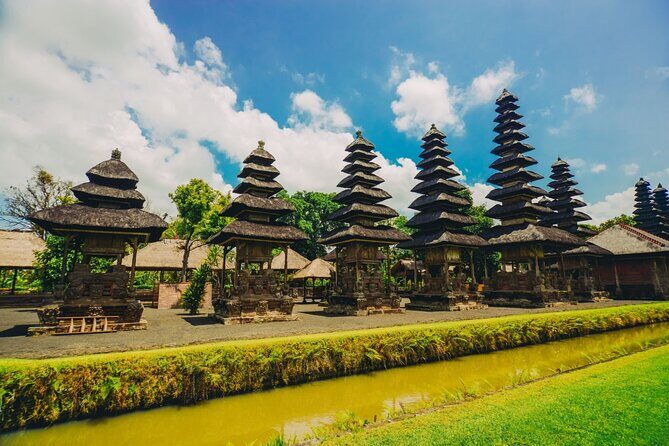
Taman Ayun Temple is famous for its regal setup and lush gardens. It’s a 17th-century site with a majestic pagoda-like shrine and a “water garden” vibe that makes the whole place feel calm, even when the camera phones come out.
What I like about starting here: it sets your eye quickly. You learn how Balinese temple space is meant to be experienced—through paths, courtyards, and layered structures—rather than as one single photo spot.
What to watch for:
- The way the temple complex is arranged around water and greenery
- The carved details and the sense of symmetry in the main areas
- Quiet corners where you can slow down for a breather
One consideration: if you’re expecting a quick “look and go” stop, plan to actually spend time here. The value is in observing the design and letting the guide translate what you’re looking at.
Stop 2: Ulun Danu Beratan (Ulun Danu Bratan) and the Lake-Temple Illusion
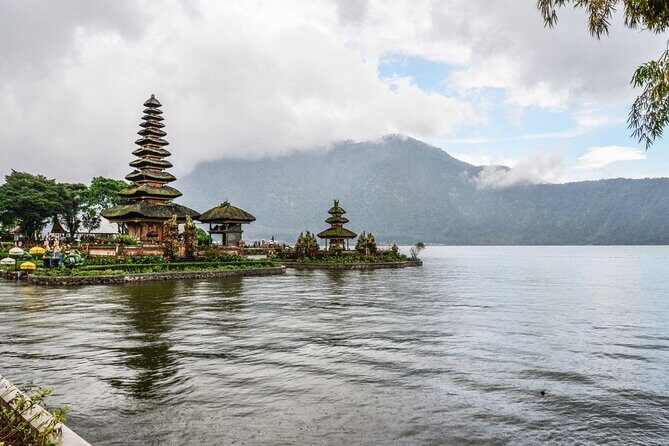
Then you head to Ulun Danu Beratan, the iconic temple built out on or near the water, tied to worship of Dewi Danu, the lake goddess.
This stop is all about atmosphere. The temple’s placement creates that classic “floating” look, especially when the lake surface is calm and the light hits the structures evenly.
Practical tip: bring your patience for changing weather. Central Bali uplands can shift. Even when the sky turns moody, it can still look dramatic around the temple and shoreline views.
Why this stop matters after Taman Ayun: now you’re comparing two kinds of water temple energy. One is a royal water-garden style. The other is a lake-centered spiritual setting.


Stop 3: Jatiluwih Rice Terraces and Why They Feel Like a Living System
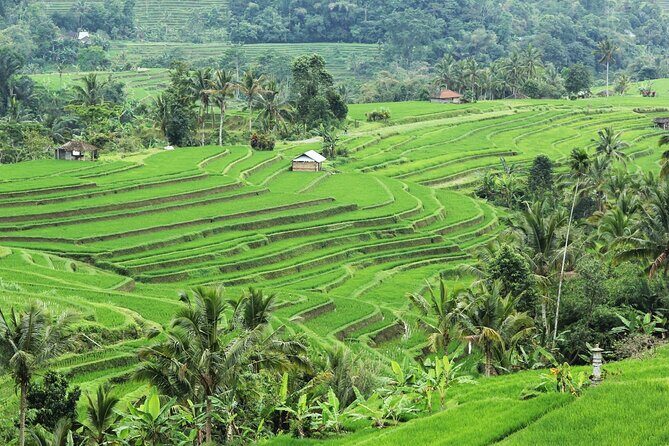
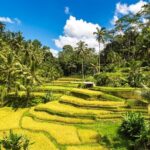
Next is Jatiluwih Green Land—rolling hillside slopes packed with rice paddies. This is one of Bali’s big rice-terrace experiences, and it ties directly into the UNESCO “subak” story.
When you’re standing in Jatiluwih, you can finally see what the irrigation system is doing for everyday life: terraces aren’t just pretty. They’re engineered steps that manage water and farming together.
What you’ll likely love here:
- The scale. It’s wide open and gives you breathing room.
- The “walk with your eyes” effect—layers of terraces keep your attention moving.
- The sense of community work. Rice terraces in Bali aren’t a backdrop; they’re active.
The main caution: this is still a long day, so don’t underestimate the walking. Wear comfortable shoes. If you want photos, you may be stopping every few minutes—totally worth it, but plan for it.
Stop 4: Tanah Lot Sunset and the Sea-Temple Timing Game
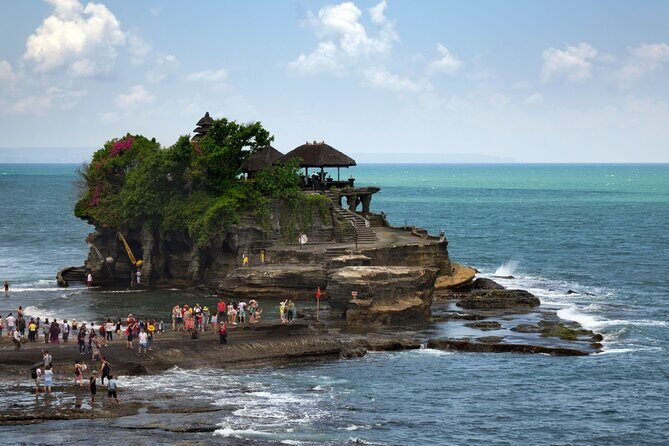
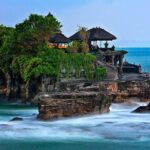
Finally: Tanah Lot. This is a temple by the sea, perched on a rocky islet off Bali’s southeast coast, and one of the best-known sunset viewpoints.
This stop is timed on purpose. Sunset at Tanah Lot isn’t just about the sky. It’s about the contrast between dark rock, sea texture, and the temple silhouettes.
How to make it smoother:
- Arrive ready to linger, not just snap and leave.
- If crowds are a factor when you arrive, shift your focus to angles and details, not only the main view.
- Watch the water and the rock textures; they often photograph well even when the sun is partially blocked.
One more thing: if you’re sensitive to heat, keep water in mind. You’ll have bottled water included, but the sun in late afternoon can still feel strong.
If Time Permits: The Tour’s Bonus Menu (Waterfalls, Hot Springs, and More)
This part is important: your day may include extra stops if time allows. That’s not a weakness—it’s flexibility. But it does mean your exact route can vary based on pacing, traffic, and how long you linger at the main sites.
Here are the possible add-ons, and what they’re good for:
Hidden waterfall moments
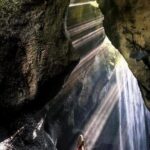
There may be a hidden waterfall with a narrow stream dropping gently into a small shallow pool. If you like nature without a huge crowd vibe, this is the kind of stop that can feel refreshing after temple time.
Ogoh-ogoh culture at a special museum
There’s also a museum specifically focused on preserving one of Bali’s most popular traditions: ogoh-ogoh. If you want a cultural angle beyond worship sites, this can add context to the seasonality and symbolism you’ll see around Bali.
Baturiti caldera lakes near the lake temple area
If there’s time, you might visit one of the caldera lakes in Bali located in Baturiti next to Ulun Danu Beratan. This can support the “lake-and-water” theme so the day doesn’t shift too far away from the UNESCO idea.
Instagram-famous viewpoint stops
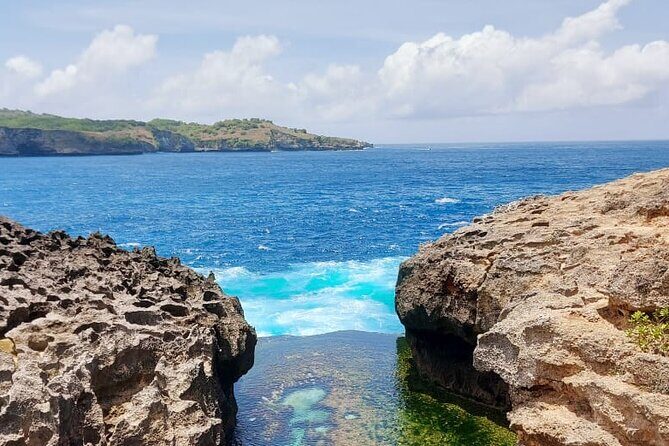
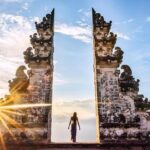
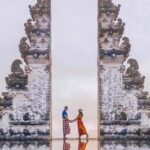
There’s mention of an iconic Instagram spot. I won’t promise it’s your favorite view, but these stops exist for a reason: you typically get a dramatic frame that’s easy to photograph and fun to experience quickly.
Big waterfalls and jungle cliff scenes
Options can include a huge waterfall cascading over a cliff top through a tiny gap in jungle. Another waterfall option is described as around 20 meters tall, which should make the scale feel clear even in photos.
Hot springs with that traditional Bali vibe
Hot springs are on the menu. Expect a scenic tropical setting with traditional Balinese charm, and there may be public and private pool options. This is the sort of stop that turns a temple-heavy day into something more restorative.
Sekumpul-style multi-waterfall views
If time permits, the tour may go near Sekumpul village for waterfalls with different heights—three waterfalls in one area. If you love variety, this kind of stop usually feels better than seeing only one big fall.
Butterfly park and insect preservation
There’s a butterfly park option described as the biggest in Bali and Indonesia for preservation and breeding of butterflies and insects. This can be a nice break if you want something lighter than temples and more relaxed than hiking.
Botanical collections and cool upland air
Another possibility is a place with rare tropical flowering plants and specimens. It’s described as an escape into central Bali uplands, which often means a cooler-feeling break during a hot day.
More rice-terrace viewpoints and mountain sightlines
There may be another natural spot where you can enjoy a view of rice terrace and mountain. If you want extra time in the paddies, this can help you get it.
Beach time for surfers and sunbathers
There’s also a beach option described for surfers and sunbathers in a break from south Bali hustle. This works best if you’re trying to end the day with wind, salt air, and an easy decompression.
A quieter stop: giant sleeping Buddha
A temple with a giant sleeping Buddha is listed as an option. This is the kind of place that can be calmer and less “pushy” than the biggest tourist icons.
Edu-vacation concept stop
There’s mention of a complex with a newer Edu-vacation concept. If you like hands-on ideas or just want a change of pace, it could fit. If you prefer pure nature or pure temples, you might treat it as optional.
In short: the bonus stops are where your day can become more personal. Decide beforehand what you want more of—waterfalls, springs, or culture—and let your guide know. With a private tour, you’re not forced into one-size-fits-all.
Photo Tips That Save Time (And Sanity)
This tour is built for photos: temples, lakes, sunset, rice terraces, plus optional nature stops. The trick is staying efficient so you’re not sprinting for every shot.
Here’s what helps:
- Wear shoes that handle uneven ground at temples and terraces.
- Keep a quick-change mindset: you might need to adjust from temple shade to terrace sunlight to sea-level glare.
- Ask your driver-guide for photo angles before you rush into the crowd spots. A good guide will usually know where the light and composition look best.
If you like video, it’s worth asking what spots are good for both wide shots and close details. The guides tied to this experience are often praised for helping with pictures and video.
Price and Value: How $38.18 Adds Up on a Private Day
At $38.18 per person, the price can feel surprisingly fair for what you’re getting—private air-conditioned vehicle, pickup and drop-off across a wide area, an English speaking driver-guide, and bottled water. Parking fees are included too.
The value gets even better if you add the entry tickets option, since admission tickets are included only if you select that upgrade. Food isn’t included, so budget for lunch or snacks during the ride.
I look at days like this as a balance sheet:
- You pay for private transport and guide time.
- You save on the headache of arranging separate rides for scattered sites.
- You gain context while you travel, which makes photos and memories feel more meaningful.
If you’re traveling with a partner or small group, the “private” part is where the day really earns its keep. You’ll spend less time coordinating and more time actually seeing.
Who This Tour Suits Best (And Who Might Prefer Another Style)
This tour fits you if you want:
- UNESCO-style context without building your own route
- A day heavy on iconic temples and major rice-terrace views
- Easy logistics and a guide who can tailor the pace to your questions
It might not suit you as well if:
- You hate early mornings and long drives
- You want total free time with zero structure
- You’d rather focus on only one area of Bali instead of hitting multiple zones in a single day
If you’re a solo traveler, this is a strong option because the tour is private and your guide can tailor the day around what you want to see.
Should You Book This Bali UNESCO Sites: Water Temples and Jatiluwih Rice Terrace Tour?
I’d book it if you want a single-day answer to Bali’s biggest “water + worship + farming” stories. The route is efficient, the stops match the theme well, and the timing for Tanah Lot sunset is the kind of payoff you’ll remember.
If you do book, decide what you care about most—temples, terraces, or nature add-ons—and tell your guide early. Wear comfy shoes, bring water, and plan to slow down for the moments that actually earn the photos.
This is the kind of day where you come back with images and a clearer sense of how Bali’s traditions shape what you see.
FAQ
What time does the tour start?
The start time is 8:30am.
How long is the tour?
It runs about 9 hours 30 minutes.
Where is pickup available?
Pickup is offered from Ubud/Gianyar, Sanur, Kuta/Legian, Seminyak, Canggu, Jimbaran, Nusa Dua, and Denpasar.
Is the tour private?
Yes. It’s listed as a private tour/activity, with only your group participating.
Are admission tickets included?
Admission tickets are included if you select the option that includes tickets.
What’s included in the price?
Included are private air-conditioned transportation, pickup and drop-off, an English speaking tour guide (who also serves as the driver), bottled water, entry tickets if selected, and parking fees.
Is food included?
No. Food and beverage are available for purchase.
Can I get a refund if I cancel?
Free cancellation is available if you cancel up to 24 hours in advance for a full refund. If you cancel less than 24 hours before the start time, the amount paid won’t be refunded.