REVIEW · UBUD
Besakih Temple Tour: the Biggest Temple in Bali
Book on Viator →Operated by Hire Bali Driver · Bookable on Viator
Bali’s biggest temple trip feels like a mini geography lesson. You start at Besakih Temple, the Mother Temple on the foothills of Mount Agung, then roll north for sweeping Mount Batur and lake views at Kintamani. The day keeps moving to Tirta Empul for the holy spring tied to the legend of Mayadenawa and God Indra, and ends with a stroll through Tegalalang Rice Terrace scenery.
Two things I really like about this experience are how it mixes major sacred sites with real-world Bali visuals, and how smoothly the route is paced for a long day. One possible drawback: it’s about 10 hours, so it can feel like a lot of time in transit if you’re hoping for a slow, low-effort day.
In This Review
- What you’ll remember most
- Key highlights worth planning around
- How this 10-hour route actually plays in real life
- Stop 1: Besakih Temple, Bali’s Mother Temple on Mount Agung’s foothills
- Stop 2: Kintamani for Mount Batur views and a lunch break with meaning
- Stop 3: Tirta Empul Temple and the holy spring behind the legend
- Stop 4: Tegalalang Rice Terrace for a slower ending
- What’s included in the price (and how that affects value)
- Who this tour is best for in Bali
- Booking timing and how far in advance matters
- Should you book this Besakih Temple tour?
- FAQ
- How long is the Besakih Temple tour?
- How much does it cost per person?
- What stops are included in the itinerary?
- Is pickup included?
- What’s included in the tour price?
- Are admission tickets included?
- Is this tour private?
- Can I cancel for a full refund?
- Is alcohol included?
What you’ll remember most
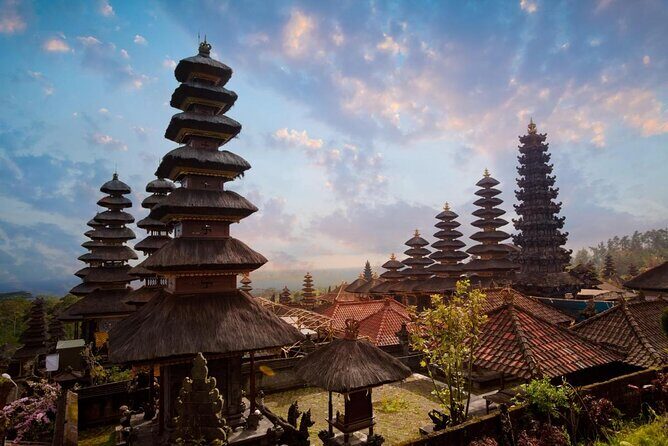
If you’re not usually a temple person, this one can still click—because you’re not only looking at architecture. You’re also seeing how Balinese worship shows up in daily life through offerings and temple activity. And since you get a car with transport plus lunch included, you can focus on the sights instead of logistics.
The main thing to consider is comfort and fit: you’ll be walking around temple areas and rice terraces, and you’ll want clothing that works for temple entry (the tour provides a sarong, which helps).
Key highlights worth planning around
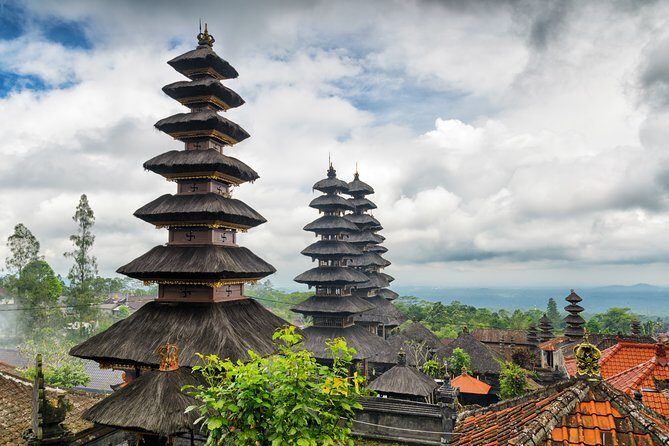
- Besakih Temple’s Mother Temple setting on the Mount Agung foothills gives the day instant scale
- Kintamani lunch pairs food with views over Mount Batur and the lake
- Tirta Empul’s holy spring legend links the site to the Mayadenawa vs. God Indra story
- Sarongs are provided, so temple entry feels simpler than for DIY visits
- Tegalalang Rice Terrace time adds a calmer scenery finish after the more intense temple stops
- Air-conditioned transport matters on a hot Bali day with a full circuit
You can also read our reviews of more tours and experiences in Ubud.


How this 10-hour route actually plays in real life
This is a one-day circuit built around four stops, starting from Ubud. The tour is listed at about 10 hours, and that matters because it shapes your expectations: you’re not just visiting one temple. You’re covering a whole north-and-then-east style sweep and squeezing in key sites plus lunch.
You also get private transportation in an air-conditioned vehicle and the tour includes bottled water. That’s not a small detail in Bali. When you’re spending hours moving between different elevations, staying comfortable keeps you from feeling drained before the best views.
You’ll see the biggest value in how the tour handles entry and essentials. All fees and taxes are included, and you receive a sarong to enter the temple. That means fewer moments where you’re standing around trying to figure out what costs extra.
One more practical point: it’s a private tour/activity, meaning only your group will participate. That’s usually where you gain flexibility and a less chaotic vibe compared to larger shared buses.
Stop 1: Besakih Temple, Bali’s Mother Temple on Mount Agung’s foothills
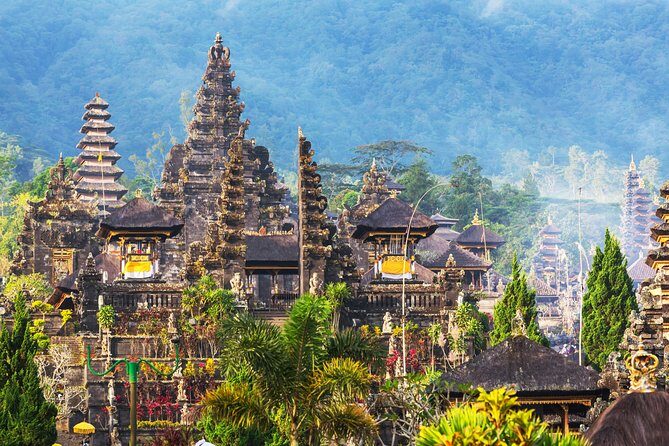
Your first major moment is Besakih Temple, described as the ancient Mother Temple of Hindu in Bali. The setting is the hook. Besakih sits on the foothills of Mount Agung, Bali’s highest mountain. Even if you only take in the view for a few minutes, it gives the temple a different feel than sites you can visit with flat-city surroundings.
Besakih is also treated here as more than a quick photo stop. You get about 1 hour at this first location, and the admission ticket is included. That timing is helpful because Besakih is big, and a rushed visit makes it easy to miss the quieter parts of worship.
What I especially like about starting here is the emotional rhythm. The day begins with a temple that’s central to Balinese Hindu identity, so when you move to later sites, the connections make more sense. You’re building context as the route goes north.
Drawback to keep in mind: this is still a temple visit, so you’ll want to plan for sun and walking on uneven ground. Your sarong helps, but good footwear matters more than you might expect.
Stop 2: Kintamani for Mount Batur views and a lunch break with meaning
After Besakih, the tour continues to the Kintamani highland area. This is the first real “breather stop” of the day. You’re given around 2 hours here, and admission is free, which is nice because it keeps this segment focused on scenery and food rather than more ticketed sites.
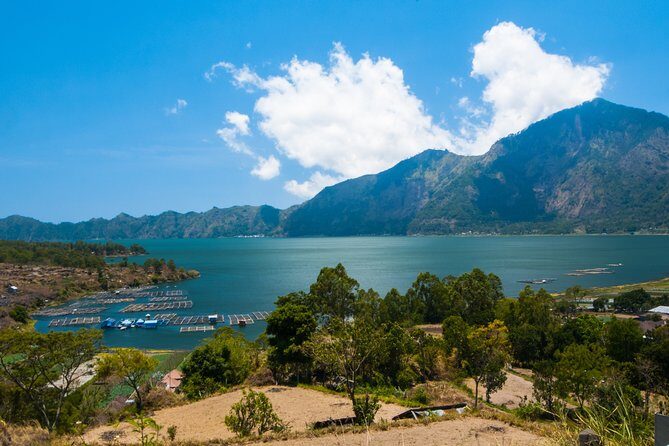
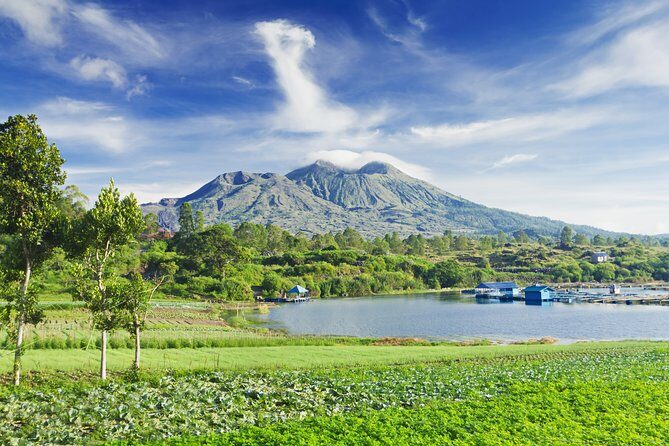
The view angle is the point: you’ll see Mount Batur and a lake view. Kintamani is one of those places where the day feels like it shifts gears—from sacred site intensity to wide open air. Lunch is built into this stop, and lunch is included in the tour price.
I like this arrangement because it gives you a chance to reset. After temple time, the highland scenery works like a palate cleanser. And because lunch is part of the schedule, you avoid the common DIY problem: wandering around looking for food and losing time.
What to watch: since this is a full-day tour, this lunch break is timeboxed. Enjoy it, but don’t plan to linger for hours unless you’re okay running behind later.
Stop 3: Tirta Empul Temple and the holy spring behind the legend
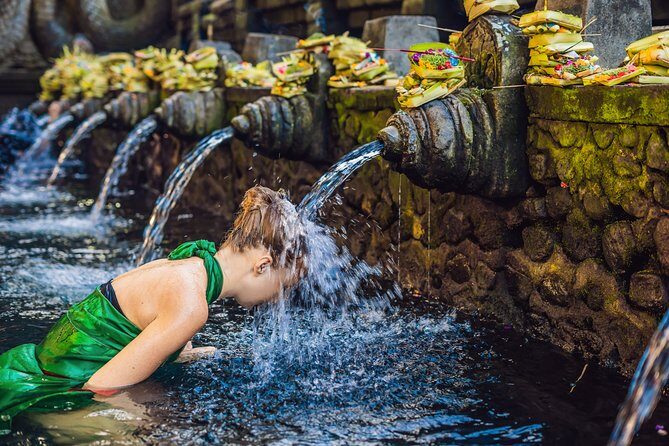
Then you move on to Tirta Empul Temple, also known for its holy spring. The tour frames it through Balinese legend: an epic battle between Mayadenawa and God Indra. In the story, the holy spring is said to heal and save Indra’s troops from dying.
That myth connection isn’t just fun background. It changes how you interpret what you’re seeing. Instead of treating Tirta Empul like a standard temple stop, you’re reminded that the site’s water is central to its meaning. The tour gives you about 1 hour here, with admission ticket included.
I also appreciate that this stop is sandwiched between the big-view Kintamani segment and the final rice terrace walk. It gives the day a strong middle chapter: spiritual intensity after wide-open scenery, before you finish with something visually softer.
Practical consideration: Tirta Empul can involve wet, close-up temple areas depending on where you stand and how the flow is managed. Since the tour doesn’t spell out details beyond the holy spring, I’d treat it as a stop where you may want to be prepared for dampness and plan accordingly.

Stop 4: Tegalalang Rice Terrace for a slower ending
The final stop is Tegalalang Rice Terrace, where you get about 45 minutes. This is where the experience switches tone again. Instead of temple worship, you’re walking around lush agricultural scenery and taking in the pattern of rice paddies.
That final time window is short, but it’s a smart ending. After hours of visiting and learning temple context, you get to relax visually, take photos, and feel like you’re finishing with something light.
The tradeoff: 45 minutes at Tegalalang is not enough for a long, wandering hike if you want to explore far beyond the main viewing areas. So come ready to move at a moderate pace and focus on the views in front of you.
Also, note that the admission ticket is included for this stop, which keeps your schedule clean. No surprise expenses, no guesswork.
What’s included in the price (and how that affects value)
The price is $75.00 per person, and the tour runs about 10 hours. For Bali, that’s best thought of as paying for three things at once:
1) Transport in an air-conditioned vehicle for a full circuit
2) Meals and basics, since lunch and bottled water are included
3) Entry and temple essentials, since all fees and taxes are covered and a sarong is provided
On paper, that can look like a typical day tour cost. The real value shows up when you compare it to doing this yourself. Temple days add up fast once you factor in tickets, time spent traveling between sites, and the hassle of coordinating everything while you’re tired.
Kintamani works in your favor too. Even though it’s a big scenic stop, the schedule notes that admission is free there. The time is mostly for views and lunch rather than more ticketed attractions.
What’s not included is clearly stated: alcoholic beverages. Everything else you need for the main day is built in.
Who this tour is best for in Bali
This tour tends to fit well if you want a focused, high-value “greatest hits” day without building a route yourself.
You’ll likely enjoy it most if:
- you want major Balinese temple sites in one day, starting with Besakih
- you like pairing spirituality with scenery breaks, like Kintamani and Tegalalang
- you prefer private group travel so the day doesn’t feel crowded
- you want transport handled, with air-conditioning and bottled water
It’s also a good choice if your group likes learning cultural context. The route connects sites through story: Mother Temple at Besakih, then Tirta Empul through the Mayadenawa vs. God Indra legend, then agricultural scenery at Tegalalang.
If you hate long days or want slow travel with lots of downtime, you might find the schedule tight. But if you’re the type who enjoys covering a lot while still staying comfortable, this format makes sense.
Booking timing and how far in advance matters
The tour is commonly booked about 16 days in advance on average. That tells me it’s not an impulse-only plan. If you’re traveling during busy periods or you have limited dates in Ubud, I’d book early enough to avoid scrambling for a slot.
You’ll receive confirmation at booking time, and there’s a mobile ticket option. That’s one less thing to worry about when you’re moving around Bali.
Should you book this Besakih Temple tour?
Book it if you want one day that covers Bali’s most meaningful temple energy plus north-side scenery, without turning your trip into a logistics project. The included sarong, admission tickets for multiple sites, lunch, and air-conditioned transport are what make the price feel fair for a full-circuit day.
Skip it (or swap to a lighter plan) if you’re sensitive to long travel days or you prefer wandering unhurried. At about 10 hours, it’s designed for people who want to make the most of their time in Ubud.
If your group is balanced—some want temples, some want views—this is a strong match because the day keeps shifting gears: sacred site, highland lunch views, holy spring legend, then rice terrace scenery.
FAQ
How long is the Besakih Temple tour?
The tour runs about 10 hours (approximately).
How much does it cost per person?
It costs $75.00 per person.
What stops are included in the itinerary?
You visit Besakih Temple, Kintamani (for lunch and views), Tirta Empul Temple, and Tegalalang Rice Terrace.
Is pickup included?
Yes, pickup is offered.
What’s included in the tour price?
Included features are air-conditioned vehicle, private transportation, lunch, bottled water, all fees and taxes, and a sarong to enter the temple.
Are admission tickets included?
Admission is included for Besakih Temple, Tirta Empul Temple, and Tegalalang Rice Terrace. Kintamani is listed as admission free.
Is this tour private?
Yes. It’s a private tour/activity, meaning only your group participates.
Can I cancel for a full refund?
Yes. You can cancel for free up to 24 hours in advance for a full refund.
Is alcohol included?
No. Alcoholic beverages are not included.
You Might Also Enjoy
 4WD Jeep Mount Batur Sunrise Experience By Bali Volcano Jeep
 Ubud Top Attractions: Waterfalls, Temples and Rice Terraces
 East Bali Tour: Gate of Heaven, Water Palace, Sleeping Gajah
 1 DAY Private Car Charter / English and Japanese Drivers / Customization OK / Have fun at your own pace wherever you want!