REVIEW · UBUD
Best of Ubud Tour: Monkey Forest, Rice Terraces & Waterfall
Book on Viator →Operated by tripbylocals · Bookable on Viator
Ubud hits different when you pack it right. This full-day circuit mixes jungle temples, working rice terraces, a holy water purification site, and a chance to cool off at a waterfall. I especially love the Monkey Forest walk through its lush temple jungle, and the stop at Tirta Empul where the water ritual adds real meaning. One drawback to plan for: you’ll be walking in heat and sun, and entry tickets for some stops aren’t included.
You start at 09:30am and spend about 8 to 10 hours on the move, with private transport and an English-speaking local driver-guide. I like that you get bottled water, a sarong for temple visits, and parking fees handled. The other consideration: it’s a long day, so if you want a slow, low-footprint pace, you may feel a bit rushed between stops.
There’s also room to shape the day with optional add-ons like a local coffee plantation, swing, or an artisan village stop, depending on what’s available when you book. If your goal is to see Ubud’s main icons in one shot, this is a strong value way to do it.
In This Review
- Key Highlights Worth Your Time
- A 09:30am Ubud Route That Feels Efficient, Not Chaotic
- Monkey Forest Sanctuary: Dragon Bridge, Jungle Temples, and Monkey-Smart Tips
- Tegalalang Rice Terraces: Seeing Subak in Real Time
- Tirta Empul Temple: The Holy Spring and What Melukat Means
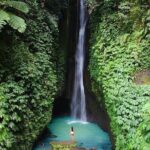
- Ulu Petanu Waterfall: A Short Hike with Real Cooling-Down Potential
- Optional Add-Ons and Flexible Culture Stops (What You Can Add)
- Price and Value: How $25 Makes Sense (and What It Doesn’t Cover)
- The Guide Factor: Local English, Humor, and a Day That Flows
- What to Bring and Wear for a Smooth, No-Stress Day
- Should You Book This Ubud Highlights Tour?
- FAQ
- What time does the tour start?
- How long does the Ubud highlights tour take?
- Does the tour include hotel pickup and drop-off?
- Is this tour private?
- What’s included in the price?
- Are entrance tickets included?
- What should I wear or bring for temples and the waterfall?
- Is Melukat purification at Tirta Empul included?
- Can women enter the sacred grounds at Pura Tirta Empul during menstrual periods?
- What’s the cancellation window for a full refund?
Key Highlights Worth Your Time
- Monkey Forest jungle + temple scenes with the dragon bridge and monkey temple areas
- Tegalalang rice terraces and Subak irrigation views from the valley lookouts
- Tirta Empul holy spring and optional Melukat purification ritual
- Ulu Petanu waterfall with plunge pool time if you want to get wet
- Private, driver-guided pacing with an English-speaking local guide in your car
- Sarong + temple dress support so you’re not stuck improvising at the gate
A 09:30am Ubud Route That Feels Efficient, Not Chaotic
This tour starts at 09:30am, which matters in Bali. You’ll beat some of the midday crush for your biggest outdoor stops, especially the terraces and the waterfall area.
Your day runs about 8 to 10 hours, and it’s built as a full highlights loop rather than a one-stop-and-sit kind of tour. That’s great for first-time visitors who want the “what is Ubud about” answer fast, but it also means you should expect a steady rhythm of short walks, a few stairs, and some time in the sun.
The big practical win is the private transportation. You’re not negotiating public buses or juggling multiple taxis, and you get hotel pickup and drop-off with parking fees included. If you’re traveling with kids or just want your day to run smoothly, that alone can make the schedule feel easier.
You can also read our reviews of more tours and experiences in Ubud.



Monkey Forest Sanctuary: Dragon Bridge, Jungle Temples, and Monkey-Smart Tips

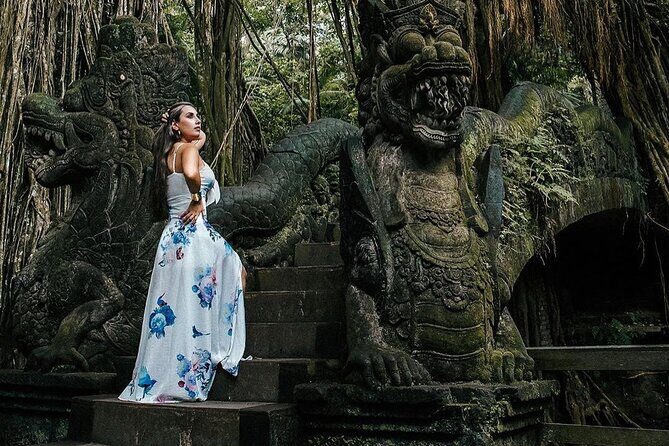
The Sacred Monkey Forest Sanctuary is the type of place where the setting helps you understand the culture. You’re in a lush jungle environment with temple areas, a river canyon feel, and the famous dragon bridge that photographers love for a reason.
Plan about 1 hour here, but also plan that monkeys control the mood. Keep small items secure (bags, sunglasses, anything easy to grab), and don’t approach the animals for selfies. If a monkey comes close, stay calm and let your guide handle the situation if it’s too curious.
What I like about this stop is the mix: it’s not only about wildlife. There’s a temple atmosphere throughout, and the conservation mission behind the sanctuary is part of the story, not just a background note.
Also, bring sunscreen even if you think you’ll be shaded. The tree canopy helps, but the walkway still gets bright, and you’ll feel it once you start moving between viewpoints.
Tegalalang Rice Terraces: Seeing Subak in Real Time
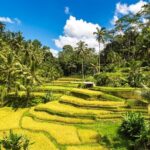
Next up is the Tegalalang Rice Terrace area, one of Ubud’s most recognizable visuals. The views are classic: stepped green fields down into the valley, with a constant reminder that this isn’t just scenery—it’s an active farming system.
You’ll spend around 1 hour here, which is enough time to enjoy the lookouts and take photos without feeling trapped for hours. The key detail is Subak, the traditional Balinese irrigation system that sustains the terraces. When you understand Subak as a community-based water management system, the terraces feel less like a postcard and more like a working landscape.
A practical tip: wear shoes that grip well. Some parts of the path can be slick or uneven, especially after morning mist or light rain. And if you want good photos, aim for varied angles—some spots look best from lower viewpoints, while others shine from higher walkways.
If you’re sensitive to crowds, go easy on peak photo spots. The terraces attract people all day, so it helps to be patient and move with your guide’s suggested timing.
Tirta Empul Temple: The Holy Spring and What Melukat Means
Tirta Empul is where your day gains a spiritual center of gravity. The temple complex is tied to a sacred water spring, and it dates back to around 960 AD, associated with the Warmadewa Dynasty. That timeframe matters because it explains why this place still functions as a living religious site rather than a museum stop.
You’ll have about 1 hour here, and you’ll see why the name matters: Tirta Empul means holy water spring. The water source is at the heart of the experience.
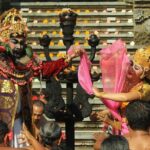
The tour also offers an optional purification ritual called Melukat. This is your chance to participate in the ritual at your own comfort level, if that’s allowed during your visit and you feel ready for the physical part of it. Even if you choose not to join, watching how people prepare and move through the ritual area can be meaningful.
Dress and access rules are strict at sacred sites. You’ll need to cover shoulders and knees, and the tour includes a sarong for you. One important note: entry to the sacred grounds of the Pura is not allowed for women during their menstrual period. If that applies to you, plan on enjoying the surroundings without entering the restricted areas.
The best approach here is calm and observant. Speak quietly, follow your guide’s directions, and remember this isn’t a performance—people come to the water for a reason.
Ulu Petanu Waterfall: A Short Hike with Real Cooling-Down Potential

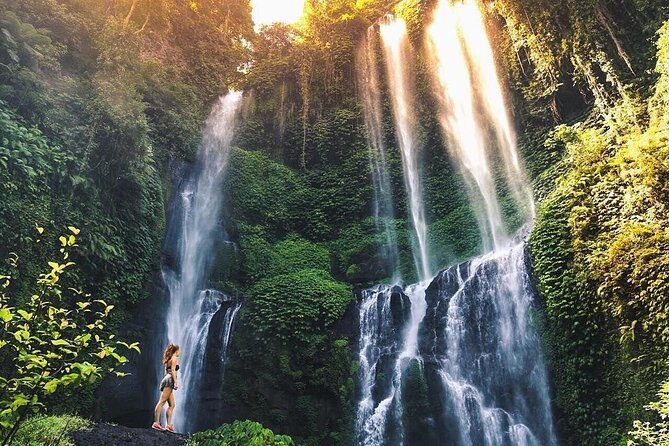
After temples and terraces, the waterfall stop feels like a reset. Ulu Petanu is described as a waterfall about 15 meters high, located roughly 30 minutes north of Ubud.
You’ll spend around 40 minutes at the waterfall area. That time window is good for walking to the viewpoint, taking photos, and deciding if you want to go down to the pebbly base. The cool part: you can go down and enjoy a dip in the plunge pool, if you’re comfortable with the steps and water conditions.
This is where you’ll really feel the value of bringing the right items. Wear shoes that can handle damp ground, and if you plan to swim, bring a towel and extra clothes. The tour info also suggests slippers and a sense of adventure, which is a polite way of saying: move carefully.
If you’re not a swimmer, you can still have a great time. The main win is the combination of jungle greenery and the sound of water nearby, which helps the whole day feel balanced.



Optional Add-Ons and Flexible Culture Stops (What You Can Add)
This tour is built around the big Ubud classics, but you may have options to add cultural extras. Depending on the plan you choose, you could include things like an artisan village stop, a coffee plantation visit, and a swing experience.
One listed stop is Celuk Village, an artisan village hub known for Balinese crafts. In the schedule you provided, it’s a short 30 minutes stop, and admission is listed as free. It’s a nice way to break up the day between nature stops without turning it into a whole separate experience.
Another optional theme is the coffee plantation and Bali swing. Those are not just for fun; they give you a different angle on how rural Bali turns agricultural work into visitor experiences. If you like tasting and learning at a relaxed pace, this can add a lot.
One note on energy: if you add too many extras, the day can start to feel like checklists. I suggest picking just one optional add-on so the main stops stay enjoyable.
Price and Value: How $25 Makes Sense (and What It Doesn’t Cover)
At $25 per person, the deal feels solid because you’re not paying separately for a full private day. You get private transportation, hotel pickup and drop-off, bottled water, an English-speaking local driver-guide, sarongs for temple visits, and parking fees.
The part that can surprise people: entry tickets for some stops are not included. The schedule lists admission tickets as not included for key areas like Monkey Forest, and the other major sites (terraces, Tirta Empul, waterfall) are also marked as not included. So you should budget extra for site entry on the day.
Lunch is listed as optional, which means you can keep costs down or upgrade your food plan depending on your appetite. The tour doesn’t pressure you into a fixed restaurant, which I appreciate when I want to stay flexible.
Where this tour truly shines is the planning. In Ubud, travel time and logistics can eat hours fast. Paying for a driver who strings together multiple stops cleanly can be worth a lot, especially if you’re only in Bali for a short time.
The Guide Factor: Local English, Humor, and a Day That Flows

The tour includes an English-speaking local driver as your guide, and that’s more than a convenience. It affects what you notice and how you move.
Some people describe guides like Ketut as intelligent, very knowledgeable about Bali’s culture, fluent in English, and genuinely funny. That kind of guide experience changes the day from sightseeing into understanding—especially at Tirta Empul, where the meaning matters.
Another small detail that comes up is how the day feels personal in the car. For example, one group noted the guide let them play music during the ride. That tells you the vibe tends to be friendly rather than rigid, which makes a long day feel easier.
What to Bring and Wear for a Smooth, No-Stress Day
You’ll be outdoors most of the day, so don’t pack like it’s a museum visit. The tour info includes a practical list, and I agree with it.
Wear comfortable walking shoes and dress modestly with shoulders and knees covered for temples. The tour supplies a sarong for temple visits, but you still need to meet basic coverage rules.
Bring:
- sunscreen, hat, and camera or smartphone
- cash for small purchases
- towel and slippers if you might swim at the waterfall
- an extra set of clothes if you plan to cool off
You’ll also want to keep things organized in the car so you’re not scrambling at each stop. It’s a small habit that makes the whole day feel calmer.
Should You Book This Ubud Highlights Tour?
Book it if you want a well-paced one-day introduction to Ubud. This itinerary hits Monkey Forest, Tegalalang rice terraces with the Subak irrigation angle, Tirta Empul’s holy water ritual, and Ulu Petanu waterfall—so you see culture, agriculture, spirituality, and nature in one route.
Skip it or adjust expectations if you hate long days or you want a slow, low-walking itinerary. Also, factor in that temple and attraction entry fees are not included, and Tirta Empul has specific sacred-ground access rules for women during menstrual periods.
If you’re the type who values organization and a friendly local guide, this tour’s structure is the point. You’ll come away with a clearer picture of what Ubud is about, without having to figure out the logistics yourself.
FAQ
What time does the tour start?
The tour starts at 09:30am.
How long does the Ubud highlights tour take?
It’s approximately 8 to 10 hours.
Does the tour include hotel pickup and drop-off?
Yes. Hotel pickup and drop-off are included, and pickup is available from Ubud. Pickup from Sanur is also available, with an additional pickup charge.
Is this tour private?
Yes. It’s a private tour/activity, and only your group participates.
What’s included in the price?
The tour includes private transportation, private hotel pickup and drop-off, an English-speaking local driver as a guide, bottled water, a sarong for temple visits, parking fees, and an optional lunch stop.
Are entrance tickets included?
No. Entry to some places is listed as not included, including the Monkey Forest Sanctuary and the other major stops on the route.
What should I wear or bring for temples and the waterfall?
Wear modest clothing with shoulders and knees covered for temples. Bring sunscreen and a hat, plus comfortable walking shoes. If you plan to swim, bring a towel, slippers, and extra clothes.
Is Melukat purification at Tirta Empul included?
Melukat is optional. The tour says you can take part in the purification ritual at Tirta Empul.
Can women enter the sacred grounds at Pura Tirta Empul during menstrual periods?
No. Entry to the sacred grounds of the Pura is not allowed for women during their menstrual period.
What’s the cancellation window for a full refund?
You can cancel up to 24 hours in advance for a full refund. If you cancel less than 24 hours before the start time, the amount paid isn’t refunded.