REVIEW · UBUD
Best Of Ubud Waterfalls, Rice Terrace and Jungle Swing Tour
Book on Viator →Operated by Ubud Driver · Bookable on Viator
Waterfalls in one long day can sound chaotic. This one works because the stops are spread out just enough, with real time at each place for photos and a proper look around. I love the three-waterfall route and the fact that entrance tickets are built in, so you spend less time figuring things out on the ground. The one real consideration: you will get wet, so pack a real change of clothes mindset, and plan for extra costs at the swing.
I also like the pacing: the day runs about 10 hours with roughly two hours at each highlight, and the group stays small with a maximum of 15. You get private transportation plus bottled water, which matters in Bali heat when you’re bouncing between different parts of Ubud and the surrounding regencies. Still, this is a full-day itinerary, so if you want a slow, café-only kind of day, this may feel like a lot.
Overall, it’s a strong value for people who want the classic Ubud scenery without spending half the day commuting. Just go in knowing it’s active, muddy in places, and the waterfall time is the main event, not a museum-style tour.
In This Review
- Key things to know before you go
- How This 10-Hour Waterfall Day Really Flows
- Kanto Lampo Waterfall: The Best Start for Wet Clothes and Great Photos
- Tibumana Waterfall: Clear Pool, Single Drop, Calmer Atmosphere
- Tukad Cepung in a Canyon: Where Light Creates the Drama
- Tegalalang Rice Terrace Walk: Narrow Paths and Traditional Farming
- Ubud Jungle Swing: Plan for Extra Costs and Time for Photos
- What You’ll Actually Spend: Price Breakdown and Value Check
- Getting Ready: What to Pack for Ubud Waterfalls
- Who This Tour Fits Best (and Who Should Skip It)
- Should You Book This Ubud Waterfalls, Rice Terrace and Jungle Swing Tour?
- FAQ
- Is pickup included on this tour?
- How long does the tour take?
- Which attractions are included in the stops?
- Are entrance tickets included?
- What is not included in the price?
- What’s the group size limit?
Key things to know before you go
- Kanto Lampo starts the day wet: you’re expected to swim and take photos at the waterfall pool.
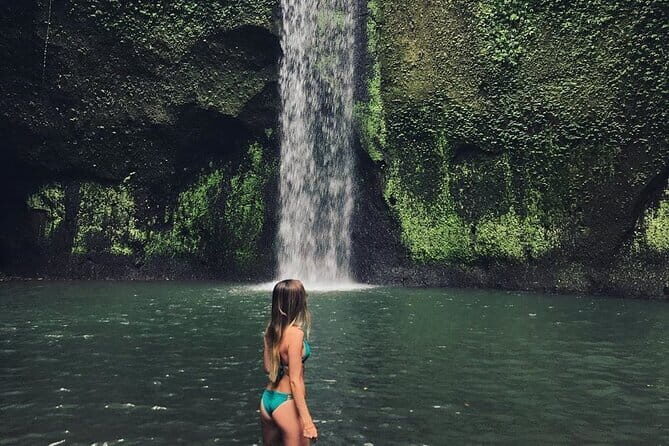
- Tibumana is calmer: it’s known for a single-drop waterfall and a clear pool surrounded by greenery.
- Tukad Cepung is light-driven: the cave-like canyon setting creates dramatic sunlight filtering in.
- Tegalalang is a walk, not a drive-by: you’ll move along narrow paths between rice fields.
- Ubud Jungle Swing is extra: Bali swing fees are not included, so ride time usually costs more.
How This 10-Hour Waterfall Day Really Flows
This tour is built for a full day of Ubud-area nature. You’ll spend about two hours at each of the five main stops, moving from waterfall to waterfall, then into rice terrace walking, and finally ending at the Ubud Jungle Swing area for photos and optional rides. The total duration is listed as around 10 hours, which is long enough that you’ll feel it by the end, but not so long that you’re constantly rushing between points.
A big value point is the private transportation plus bottled water. That’s not just comfort; it reduces the stress of coordinating rides across multiple sites in different nearby regencies. Another practical plus: tickets for the waterfall sites and the rice terrace are included, so you’re less likely to lose time at entrances.
Because the tour caps at 15 travelers, it usually feels more manageable than the massive buses you sometimes see in Bali. You’ll still be in a schedule, though. If you’re the type who hates timetables, bring a little flexibility into your expectations.
You can also read our reviews of more tours and experiences in Ubud.


Kanto Lampo Waterfall: The Best Start for Wet Clothes and Great Photos
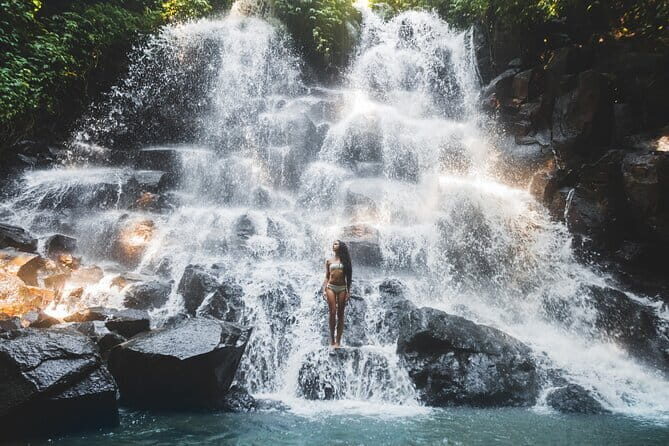
Kanto Lampo is a smart first stop because it’s relatively easy to access and close enough to Ubud that you’re not losing hours just getting there. You start here and are encouraged to begin swimming at the waterfall. That sounds obvious until you’re standing there in real sun and real spray. This is the stop where I’d fully commit to the wet-weather plan.
What makes Kanto Lampo special is the visual style. It’s all about the waterfall view with a scenic backdrop, and the pool area gives you a chance to get your photos with the water and rocks in frame. If you’re traveling with friends, this is often the stop where you can trade phone angles quickly without waiting around too long.
Bring the change of clothes idea seriously. The tour description calls out that you will get wet, and that’s accurate in practice. Wear sandals or water-friendly footwear you don’t mind getting splashed and dirty. For pictures, you’ll want to think about something simple: how will you keep your camera and phone safe while you’re in the pool? Even a small waterproof pouch can save a lot of stress.
A practical note: since Kanto Lampo is the first stop, you’ll likely start feeling the day’s momentum right away. Use that energy well. Get your photos early, then slow down for the actual waterfall vibe.
Tibumana Waterfall: Clear Pool, Single Drop, Calmer Atmosphere
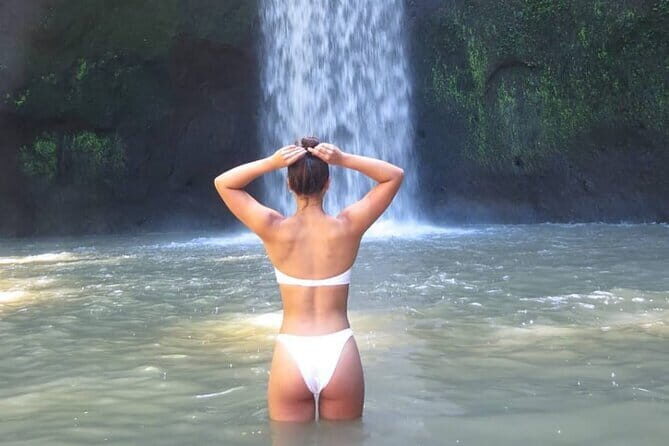
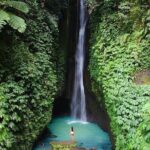
After the first splashy start, Tibumana shifts the mood. This stop is described as a peaceful escape from more crowded places. You’re looking at a single-drop waterfall that cascades into a clear pool, surrounded by lush greenery and jungle-like foliage.
Why I like Tibumana for your itinerary: it’s a change of pace from the first stop without feeling like a detour. The single-drop shape is visually clean and gives you a different kind of photo. Instead of chasing a wide, dramatic flow, you can focus on the water’s path and the way the pool sits below.
The clear pool matters, too. Even if you don’t swim, the water gives you a bright, reflective look that pairs well with the surrounding greenery. It’s also the kind of setting where you can stand back a little and enjoy the sound of water without feeling like you’re stuck in a bottleneck.
Two hours here is plenty for photos, a short break, and time to just be there. Still, remember: Bali’s weather can shift. You’re outdoors at all waterfall stops, so dress for sun and spray, and be ready for a sudden cloud moment.
Tukad Cepung in a Canyon: Where Light Creates the Drama

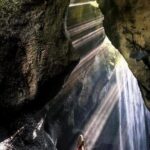
Tukad Cepung is the headliner for people who love scenes that feel a bit cinematic. The water drops inside a cave-like canyon, and sunlight filters in from above. That means the waterfall isn’t just something you look at, it’s something you experience through light and shadow.
This stop has a “slow down” quality. You’ll likely want time to watch how the light changes, especially as clouds move or as you shift your angle for photos. The setting also changes how sound travels, and it can feel cooler or more sheltered than a fully open waterfall area.
Two hours sounds long on paper, but inside a canyon-like environment, it’s useful. You don’t just need time to walk in and out. You need time to adjust, wait for a clear view, and reposition without feeling rushed.
What to consider here is simple: you’ll be in a shaded, damp setting. Wear footwear with grip. Take care stepping on rocks or paths that can be slippery after splashes.
Also, if you’re someone who hates waiting for photos, Tukad Cepung might still be worth it. This one is about waiting for the right view more than chasing action.
Tegalalang Rice Terrace Walk: Narrow Paths and Traditional Farming
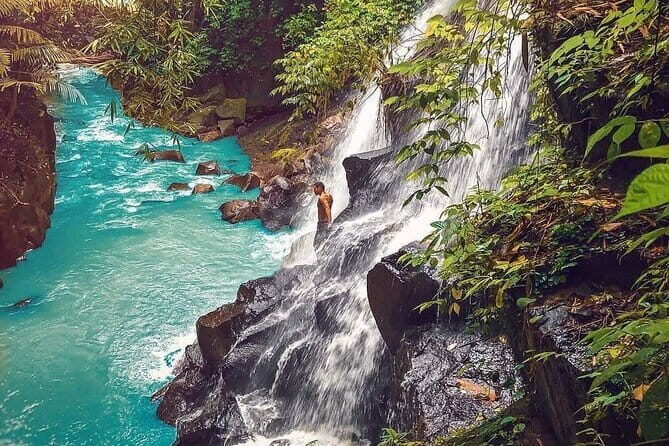
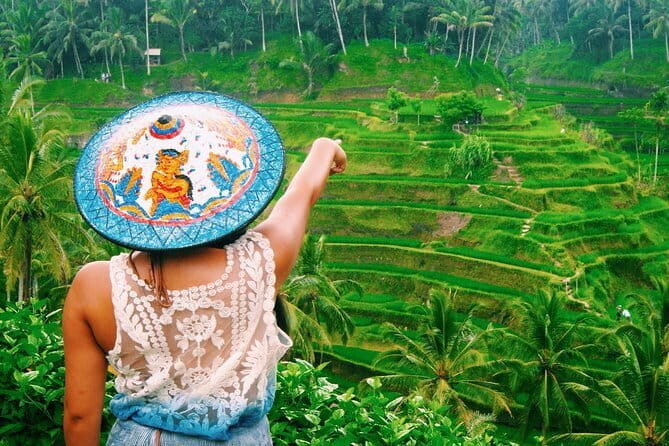
After the waterfalls, you get a different kind of Bali beauty. Tegalalang Rice Terrace is one of the most famous views near Ubud, and for good reason. You’ll walk along narrow paths between rice fields with panoramic views, plus you’ll learn about traditional Balinese farming methods.
What makes this stop valuable isn’t only the scenery. It’s the fact that the tour gives you context for how the fields are used and managed, not just a quick photo stop. Even if you know Bali’s rice terraces are iconic, it helps to understand that these aren’t decorative backdrops. They’re living working landscapes.
The walk style also matters. The paths are narrow, so you’ll want to keep an eye on footing, especially since you’ll be coming from wet waterfall sites earlier in the day. Comfortable sandals help. Overly bulky shoes can be annoying on tight paths.
Two hours gives you time to pause, look, and still not feel trapped in a “tourist line.” If the weather is clear, your best views usually come from the spots where you can see across multiple layers of terraced fields. If it’s misty, the terraces still look great, just with softer contrast.




Ubud Jungle Swing: Plan for Extra Costs and Time for Photos
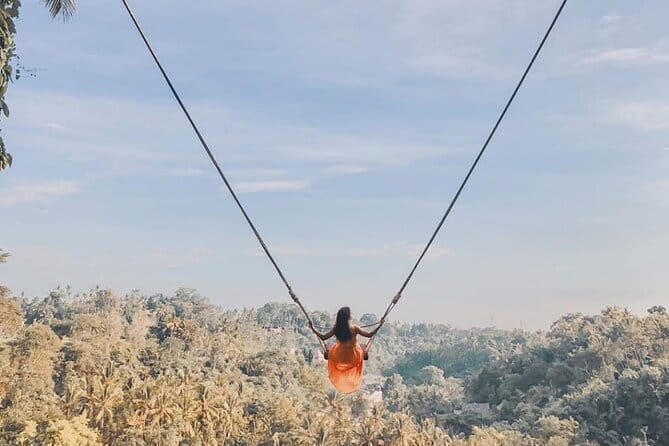
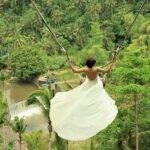
The day finishes with Ubud Jungle Swing, which is one of those places people recognize instantly from photos: tall swings set high above valleys or rice terraces. The appeal is visual. The framing is made for dramatic shots, with greenery and depth in the background.
Here’s the key practical detail: Bali Swing Fees are not included. That means the swing itself is an add-on cost. If you want ride time, budget for it. If you’re only there for photos, you may be able to keep the extra spending down, but you’ll still want to bring cash for any required entry or photo fees on-site, since the tour only includes entrance tickets listed for the other stops.
Two hours at the swing area also means you can take your time. I’d recommend deciding early what you want. If you want multiple shots, try to get the angle you like first, then decide whether you really want a ride for the full photo sequence.
If you’re afraid of heights, treat this as a viewpoint and photo stop. The swing area is designed for getting the classic shot, not for slow, quiet sightseeing.
What You’ll Actually Spend: Price Breakdown and Value Check
The price is $29 per person, and that’s where the tour can feel like a solid deal—if you’re aligned with what’s included. You get private transportation, bottled water, entrance tickets for Kanto Lampo, Tibumana, Tukad Cepung, and Tegalalang Rice Terrace, plus parking tickets. So you’re not paying separately for the big ticket attractions.
What’s not included is the stuff that changes the final cost depending on your choices:
- Lunch (you’ll need to buy it)
- Tips or gratuities
- Bali Swing Fees (since the swing rides are not included)
That means the tour is best value for people who plan to do the main sights and are okay with buying their own meal and paying for the swing ride if they want it. If you skip the swing, you may still enjoy the day, but your cost savings depend on how the swing area fees work on-site.
Also, the tour is listed as free to cancel up to 24 hours in advance for a full refund. That gives you some breathing room if weather looks uncertain.
Getting Ready: What to Pack for Ubud Waterfalls

This is a wet-weather day. The tour notes that you should bring a change of clothes because you’ll get wet. I treat that as a must, not a suggestion.
Here’s what helps most:
- A complete change of clothes in a sealed bag
- Water-friendly footwear with grip for slippery rocks
- A small waterproof pouch or zip bag for your phone
- Towels if you think you’ll want them (not listed as included)
- Sunscreen and a hat for the terrace and open waterfall views
- Cash for lunch and Bali Swing Fees if you plan to ride
You’ll probably spend the day in and around water at multiple stops. Even if you don’t fully swim, you’ll still be hit by spray. Plan like you’re going to enjoy the water, not just stand near it.
Heat is another factor. Bottled water is included, but you’ll still feel the sun during rice terrace walking. Light layers and breathable clothing help.
Who This Tour Fits Best (and Who Should Skip It)
This tour is a strong match if you want classic Ubud scenery in one organized day: multiple waterfalls, rice terrace views, and a photo-ready swing stop. It suits:
- Couples and small friend groups who want a plan with tickets handled
- First-time visitors who want Ubud highlights without organizing separate rides
- People who don’t mind getting wet and would rather save time than DIY the route
It may be less ideal if:
- You hate wet conditions or don’t want to deal with a full change of clothes
- You want a relaxed day with long breaks and minimal movement
- You’re sensitive to heights but still want the swing area as a main event
One caution to keep in mind: there has been at least one reported issue in the overall feedback where a driver did not show up. I can’t predict how your day will go, but I recommend you confirm your pickup details ahead of time and keep your phone handy for updates.
Should You Book This Ubud Waterfalls, Rice Terrace and Jungle Swing Tour?
I’d book it if your goal is a full, high-value day of Bali scenery with entrance tickets included and transportation handled. The best part is the variety: Kanto Lampo for that wet-photo start, Tibumana for a calmer clear-pool feel, Tukad Cepung for the canyon-with-sunlight effect, Tegalalang for rice terrace walking, then Ubud Jungle Swing for the iconic finale.
I wouldn’t book it if you’re looking for a dry, leisurely itinerary or if you’re trying to keep spending tightly controlled, because lunch and swing fees are not included. Still, even with those add-ons, the $29 price can make sense if you’re committed to the waterfalls and rice terrace.
If you go, go prepared. Bring a change of clothes, plan for extra swing costs if you want to ride, and accept that you’ll be outdoors most of the day. Do that, and you’ll come home with a lot more than just one pretty photo.
FAQ
Is pickup included on this tour?
Pickup is offered, and the tour includes private transportation.
How long does the tour take?
The duration is listed as approximately 10 hours.
Which attractions are included in the stops?
You’ll visit Kanto Lampo Waterfall, Tibumana Waterfall, Tukad Cepung Waterfall, Tegalalang Rice Terrace, and Ubud Jungle Swing.
Are entrance tickets included?
Yes. Entrance tickets are included for Kanto Lampo Waterfall, Tibumana Waterfall, Tukad Cepung Waterfall, and Tegalalang Rice Terrace.
What is not included in the price?
Lunch, gratuities/tips, and Bali Swing Fees are not included.
What’s the group size limit?
The tour has a maximum of 15 travelers.