REVIEW · UBUD
Canyoning Bali, Blue Gorge Canyon (Adventure, discovery, nature)
Book on Viator →Operated by Adventure and Spirit · Bookable on Viator
Blue water. Rope down a waterfall. That’s the day. Blue Gorge Canyon is a canyoning discovery route into a hidden gorge where the water can look blue-green depending on the sun, and the whole trip mixes river play with jungle trekking. It’s built to be accessible, with choices like optional jumps in natural deep pools and multiple abseils.
I especially like the safety setup: ICOpro/CE-standard gear, plus ICOpro Canyoneer Initiation training at basecamp so you know how the canyon works before you go. I also like the value for time and comfort: breakfast and lunch, shower/shampoo/soap/towel, and free photos and video, all wrapped into a 3-hour outing with hotel pickup.
The main thing to consider is that this is still an active canyon day. You’ll hike downhill, then spend about 2.5 hours on the water, including rappels up to 12 m, and the schedule depends on good weather.
In This Review
- Key things to know before you go
- Blue Gorge Canyon: what makes it different near Ubud
- The morning flow: pickup, basecamp, and getting kitted up
- The short ride and downhill approach: the part people underestimate
- Blue Gorge Canyon time: 2.5 hours of waterfalls, pools, and rope work
- What happens in the canyon
- Optional jumps: how to think about the decision
- Rappels: the confidence-building part
- Trekking and jungle vibes: the nature component you shouldn’t ignore
- Food, photos, and shower: the part that makes a difference
- Price and value: is $100 fair for what you get?
- Who this canyoning trip suits best (and who should think twice)
- Real guide vibe: what the praised team style tells you
- Practical tips: how to get the most out of Blue Gorge
- Should you book Blue Gorge Canyon? My take
- FAQ
- FAQ
- What time does the Blue Gorge Canyon canyoning trip start?
- How long is the canyoning experience?
- Do I get hotel pickup and drop-off?
- What activities are included in the canyon?
- How many rappels and jumps are there?
- What heights can you expect for rappels and jumps?
- What training and gear are provided?
- What meals are included?
- What should I bring or pay for myself?
- What happens if the weather is bad?
Key things to know before you go
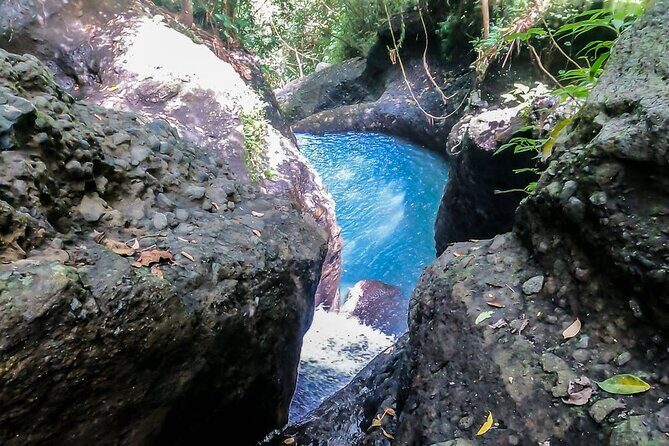
- Blue-green gorge water: The look shifts with the sun, so the canyon feels different at different angles.
- 5 rappels + big waterfall drops: You’ll abseil waterfalls up to 12 m with proper technical ropes.
- Optional 7 m jumps: If you want the thrill, you can choose it in deep natural pools.
- Training before contact with the canyon: You’ll get hands-on initiation (ICOpro CAI) so you’re not guessing.
- Small group size: Maximum of 12 travelers, which usually means more attention from the guides.
- All the practical extras included: Meals, shower kit, and free photo/video save you hassle and cost.
Blue Gorge Canyon: what makes it different near Ubud
Most canyoning in Bali is either very intense or very short on variety. Blue Gorge Canyon mixes both. You’re not just dropping down rocks and calling it a day. You get a discovery style route that threads through a quiet, green gorge with waterfalls and repeated chances to slide, swim, and jump (if you feel like it).
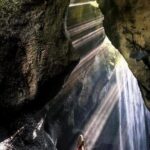
The setting is the headline. The gorge water can turn blue or green depending on sunlight position. That matters more than it sounds. In canyoning, the water color is part of the experience mood: it changes how bright, deep, and punchy the pools feel when you’re jumping in.
Then there’s the easy-to-like structure. The trip is built around a clear sequence: basecamp training, a short ride to the start point, a downhill approach hike, the main canyon segment, and then return for shower and food. When something goes wrong (like a grip getting slick, or you needing extra coaching), the guides have already taught you the system, and you’re not trying to learn it on the fly.
You can also read our reviews of more tours and experiences in Ubud.


The morning flow: pickup, basecamp, and getting kitted up
This tour starts early: 6:00 am. That’s not random. It helps you reach the canyon in better conditions and finish while the day still feels fresh.
If your accommodation is in the specified pickup area, you’ll get pickup and drop-off. You’ll then head to the basecamp for the practical stuff that makes canyoning smoother:
- registration
- coffee/tea and light breakfast
- canyon equipment fitting
- canyon initiation training (ICOpro standard)
The gear is not the cheap, last-minute kind. They use ICOpro and CE-standard equipment plus branded international technical gear, including high-performance canyoning rope from Korda’s. That combination matters when you’re relying on ropes, harness points, and descent systems.
Training is also key. Before you go into the gorge, you’ll get coached on what to do so the later steps feel familiar: how abseiling works, how to move on wet surfaces, and how the team handles spacing and safety.
If you’re a first-timer, this is the part that can decide whether canyoning feels fun or scary. When you know the basics, your brain stops fighting you and starts paying attention to the gorge.
The short ride and downhill approach: the part people underestimate
After basecamp, you’ll drive about 10 minutes to the start point by local small truck. Then comes the downhill hike. It’s described as short, with an approach and return walk of 15 to 20 minutes each way.
This sounds small, but in canyoning it’s part of the experience. You’re getting into the terrain slowly, moving through the green scenery before you hit the river play. Expect wet footing at times and a mix of steps and dirt/rock underfoot.
What I’d plan for mentally: you’re not just showing up for adrenaline. You’re also doing a nature walk. If you’re the type who likes the “in-between” moments—hearing water before you see it, spotting jungle textures, getting oriented—you’ll probably enjoy this more than you expect.
Blue Gorge Canyon time: 2.5 hours of waterfalls, pools, and rope work
The main descent takes about 2.5 hours. This is where the day earns its reputation.
What happens in the canyon
You’ll arrive at the river and then spend the time doing a mix of:
- swimming in natural pools
- sliding (where the route allows it)
- jumping into deep pools (optional)
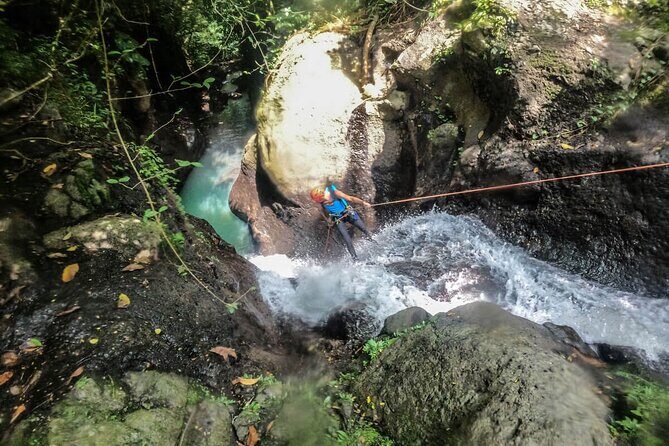
- rappelling waterfalls (abseils)
The adventure is organized around 5 rappels and up to 7 jumps that are optional. Jump height is listed up to 7 meters, and the waterfall rappels are up to 12 meters. The heights make it sound intimidating, but with the training first, you should have a lot more clarity about how each descent will feel.

Optional jumps: how to think about the decision
Optional jumps are a good design choice because the canyon still works if you skip them. If you want the thrill, you can take it in the natural deep pools. If you’d rather watch first or do smaller drops, you still get the core canyon flow.
My practical advice: treat your first jump (if you do one) as a skill step, not a flex. You’re learning how your body behaves when you leave a platform into water. The guides’ job is to pace you, so listen to what they recommend for your comfort level.
Rappels: the confidence-building part
The rappels are the “signature” mechanical piece of canyoning. Blue Gorge includes abseiling waterfalls up to 12 m. That’s high enough to feel real, but not so many rappels that the day becomes one long technical grind.
Also, rope work feels better when you’ve been shown the system. That’s why the basecamp initiation matters. You’re not only trusting equipment—you’re trusting your own understanding of how to use it.
Trekking and jungle vibes: the nature component you shouldn’t ignore
One reason this trip scores high is that it doesn’t feel like pure obstacle racing. There’s a strong nature walk component through untouched Balinese jungle.
You’ll experience the canyon with the sounds and movement of waterfalls in the background, and during the trekking sections you get a break from constant wet-and-wild movement. The description emphasizes a wild green jungle feel and repeated waterfall contact, which matches what you’d hope for in a morning adventure that isn’t just about checking a box.
If you like nature, you’ll find these stretches worth it. If you only want constant action, just remember you’re alternating between movement and water play.
Food, photos, and shower: the part that makes a difference
After canyoning, you return to basecamp for:
- shower
- lunch
- seeing your photos and videos
Meals are included: a tasty breakfast and lunch, plus fresh fruits. There’s also tea/coffee/water and snacks. Lunch can be vegetarian or vegan, which is a nice practical touch if you’re picky.
Free photos and video can be a hidden value booster. In a canyon like this, getting your own usable footage is hard. You’re wearing gear, moving around wet surfaces, and focusing on safety. Letting them handle it saves time and avoids the extra cost of accessories like storage devices that you might not have.
Shower kit is included too: shampoo, soap, towel. That means you can go back to Ubud without feeling like you’re wearing the canyon all day.
Price and value: is $100 fair for what you get?
At $100 for about 3 hours, the price feels reasonable when you look at the full package, not just the canyon.
You’re paying for:
- hotel pickup and drop-off in a specified area
- all canyoning equipment (ICOpro/CE-standard)
- technical gear and ropes (including Korda’s rope)
- ICOpro Canyoneer Initiation training
- supervision from an ICOpro instructor and assistant team
- breakfast, lunch, fruits, tea/coffee/water/snacks
- shower kit
- accident insurance up to USD 10,000 per person
- free photos and video
If you’ve ever done “adventure activities” where you cover gear, guides, meals, and then still end up buying extra costs later, this one is more complete. It’s not the cheapest way to spend your morning, but it’s not just a ticket into a river either.
Who this canyoning trip suits best (and who should think twice)
This tour is described as accessible to everyone, and the structure supports beginners. That doesn’t mean it’s effortless. It means the team coaches you and the route includes optional choices like jumping.
You’ll likely enjoy it if:
- you’re comfortable with basic hiking and wet conditions
- you want a mix of nature walking plus waterfall fun
- you like structured safety and clear training
- you want photos and video without fuss
You might think twice if:
- you dislike heights, even when they’re broken into guided rappels
- you don’t handle early starts well (it begins at 6:00 am)
- you’re traveling on the kind of tight schedule that can’t flex if weather is poor
Also, skip-the-stress tip: plan to bring personal swim needs. Swimwear, extra clothes, and sunscreen are not included.
Real guide vibe: what the praised team style tells you
The reviews lean hard on one theme: the guide team feels caring, supportive, and safety-minded. Names that pop up in that feedback include Rama and Jess/Jessi, plus team members referenced as Rami/Rami and Jas.
That lines up with what a good canyoning operator should do: explain before you do, spot-check your positioning, and help you feel okay with wet gear and rope movements. In canyoning, confidence is a safety tool. When guides are patient and encourage you step-by-step, people usually have more fun and take fewer risks.
Practical tips: how to get the most out of Blue Gorge
- Arrive ready for wet gear: wear clothing you’re fine getting damp. Swimwear and sunscreen aren’t included.
- Pack change of clothes: change of clothes isn’t included, even though you’ll shower afterward.
- Bring a camera only if you really want it: camera and storage for the photos/video are not listed as included, and the canyon day is focused on safety and movement.
- Expect cold-water logistics: you’ll be in wetsuit gear, but comfort still depends on how you handle the first minutes after entering the water.
- Listen to the jump guidance: optional jumps are about choice, but your body will follow the plan the team sets for your comfort and timing.
Also: with water color changing by sun position, canyon timing can change the vibe. You’ll go early, and that’s part of why the water can look different than later in the day.
Should you book Blue Gorge Canyon? My take
If you want a canyoning day that feels like more than just a series of drops, book it. Blue Gorge gives you a structured beginner-friendly setup, a proper training phase, and a full package: equipment, meals, shower, and free photo/video. The gorge itself is the star: waterfalls, natural pools, and blue-green water that looks especially good in a shaded jungle canyon.
Skip the tour if you strongly dislike rope descents or you don’t want to spend 2.5 hours active in wet terrain. Also, keep an eye on weather. When conditions are poor, this experience can be rescheduled or refunded.
FAQ
FAQ
What time does the Blue Gorge Canyon canyoning trip start?
The start time is 6:00 am.
How long is the canyoning experience?
Total duration is approximately 3 hours, with the descent part lasting about 2.5 hours.
Do I get hotel pickup and drop-off?
Yes, pickup and drop-off are offered from/to accommodation in specified areas.
What activities are included in the canyon?
You can expect swimming in natural pools, sliding, optional jumping into deep pools, and rappelling waterfalls.
How many rappels and jumps are there?
The experience includes 5 rappels and up to 7 jumps, with jumping listed as optional.
What heights can you expect for rappels and jumps?
You can abseil waterfalls up to 12 m high, and optional jumps can be up to 7 m.
What training and gear are provided?
You get canyoning equipment that meets ICOpro and CE standards, plus ICOpro Canyoneer Initiation (CAI) training before entering the canyon.
What meals are included?
Breakfast and lunch are included, and lunch can be vegetarian or vegan. Fresh fruits and tea/coffee/water and snacks are also provided.
What should I bring or pay for myself?
Swimwear, change of clothes, and sunscreen are not included. Personal expenses and items like a camera or USB/memory card for photos and videos are also not included.
What happens if the weather is bad?
This experience requires good weather. If it’s canceled due to poor weather, you’ll be offered a different date or a full refund.