REVIEW · UBUD
Day with a Balinese Family in a Village
Book on Viator →Operated by MyTravel Indonesia · Bookable on Viator
Rice fields, hands-on culture, and a real family welcome. This day trip near Ubud is built around visiting a Balinese family in their village, walking through rice fields and plantation areas, then learning how everyday traditions connect to food, faith, and work. You’ll watch how rice is grown, try coconut oil production, enjoy a family meal cooked over a wood fire, drink homemade coffee, and make colorful offerings from leaves and plant fibers.
Two parts I especially like: the coconut oil experience is practical, not just a show—so you understand how it’s used for cooking and for massages. And I also like the offerings portion, because you get the meaning behind the objects, not only the steps for shaping them.
One thing to consider: you’ll be doing a fair amount of walking in the morning around the fields and gardens. If you prefer very low-effort sightseeing, plan for a day that’s more active than it is passive.
In This Review
- Key moments that make this day worth it
- A Balinese family day, not a checklist tour
- 8:30 am logistics from Coco Supermarket (and why small groups help)
- Stop 1: Walking the rice fields and learning how rice is actually grown
- Coconut oil production: from village practice to real uses
- Local lunch at the family house: wood fire cooking and simple hospitality
- Making offerings: hands-on, colorful, and full of meaning
- The guide: French or English, and the difference it makes
- Price and value: what you really get for $72.08
- Who this tour suits best (and who should skip it)
- Should you book this Balinese family village day?
- FAQ
- Where is the meeting point?
- What time does the experience start?
- How long is the day trip?
- Is pickup offered?
- What is the maximum group size?
- What language will the guide speak?
- What food and drinks are included?
- What activities are included during the day?
- Is there a mobile ticket?
- Are service animals allowed?
- Is free cancellation available?
Key moments that make this day worth it
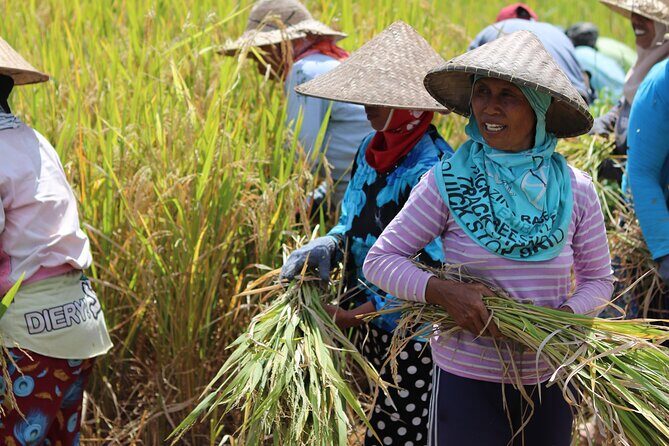
- Rice fields firsthand: you see common rice-growing methods in daily use
- Coconut oil production: learn a process you can actually picture and reuse later
- Wood-fired home lunch: a real family meal, cooked in a traditional way
- Offerings with meaning: you’ll learn why the items are made, not just how
- Small group feel (max 5): more time for questions in a relaxed pace
A Balinese family day, not a checklist tour
Ubud is packed with cultural tours, but this one has a different rhythm. It’s anchored in a family’s day: you arrive, you walk, you work with your hands, and you eat what they prepare at home. That matters, because Bali’s culture isn’t only temples and performances—it’s also what happens around the house and in the fields.
What makes this experience feel authentic is the way the day connects simple tasks to deeper traditions. Rice farming isn’t treated like a museum topic. Coconut oil isn’t treated like a souvenir shop. Offerings aren’t treated like decorations. You’re shown how people make choices, daily, with what they have.
You can also read our reviews of more tours and experiences in Ubud.



8:30 am logistics from Coco Supermarket (and why small groups help)
The tour starts at 8:30 am at Coco Supermarket on Jalan Raya Pengosekan. It runs for about 6 hours and ends back at the same meeting point, so you don’t have to worry about complicated drop-offs. Pickup is offered, and the group travels by an air-conditioned vehicle, which is a nice relief in Bali’s heat.
The group is capped at 5 travelers. That tiny number sounds like a marketing detail, but it changes the feel of the day. You get more back-and-forth with your guide and hosts, and you’re not stuck standing at the edge while someone else asks all the questions.
Also, you’ll get a mobile ticket, which is convenient. And at least on the family-host side, you may be welcomed by different household members—some guests have mentioned hosts named Gaia and Ganyar—so the personality and pace of the day can vary a bit depending on who’s guiding you at home.
Stop 1: Walking the rice fields and learning how rice is actually grown
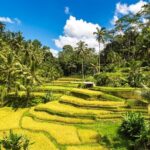
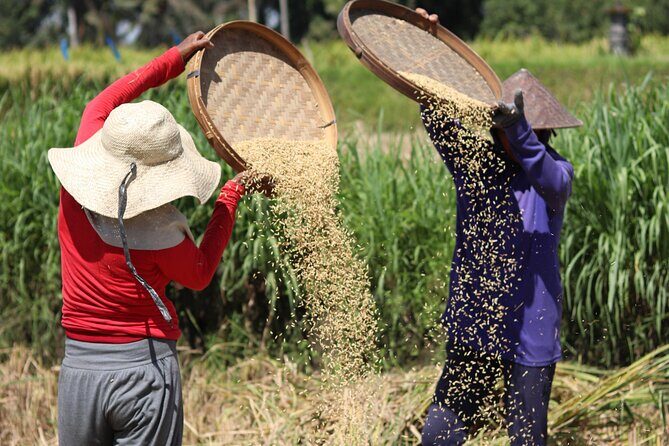
The day begins with a walk through the village countryside, including rice fields and plantation areas. You’re not just looking at scenery—you’re observing daily life and different rice cultivation methods that farmers use.
This part is valuable for two reasons. First, it helps you understand what rice farming really means in Bali: it’s work shaped by the land, the season, and local knowledge. Second, once you’ve seen the setting, everything else on the day makes more sense—coconut trees, cooking styles, even the way offerings relate to daily wellbeing and gratitude.
You should expect a comfortable walking pace, but still plan for uneven ground and warm weather. If you like photos, you’ll have plenty of opportunities—but if you prefer breathing room, this is a good place to slow down and actually watch what people do.
Coconut oil production: from village practice to real uses
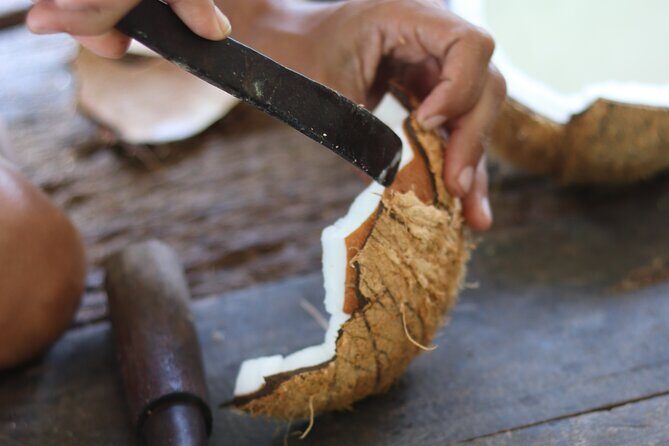
After the rice walk, the focus shifts to artisanal coconut oil production. This is one of the most practical segments of the day because it’s about a product people use for normal life.
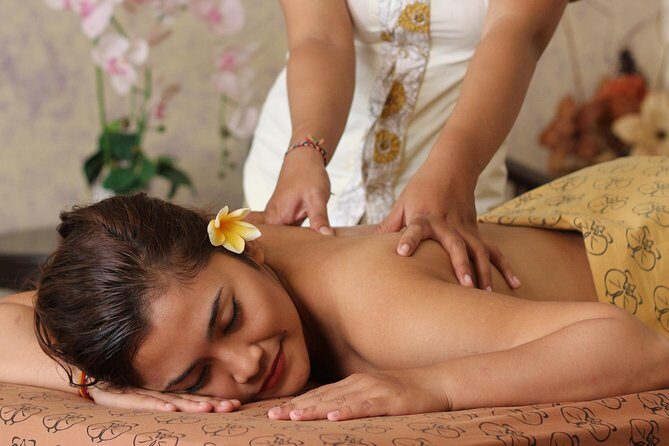
You’ll learn how coconut oil is made, and the day explains why it matters—it’s described as suitable for cooking and also for massages. That combination helps you connect the process to actual needs, not just a finished product. In a place like Bali, where ingredients often do double duty, understanding one process can make the whole island feel more coherent.
If you’ve ever wondered why coconut-based products are so common here, this stop gives you a clearer mental picture. It’s hands-on enough that the information sticks, and it’s relaxed enough that you don’t feel rushed.
Local lunch at the family house: wood fire cooking and simple hospitality
Lunch is included, and it’s served at the inhabitant’s home. The meal is described as traditional and prepared over a wood fire, which gives it a distinct, home-style character compared to buffet lunches in tourist spots.
Beyond the food itself, what I like about eating with the household is the pacing. You’re not waiting in a line. You’re sitting where people cook and talk. You’ll also enjoy coffee and/or tea, and homemade coffee is specifically mentioned as part of the experience.
If you’re traveling with food preferences, this is where you’ll want to be ready to be flexible. The tour includes lunch as part of the day, so you’re not picking and choosing restaurants. That trade-off is what creates the “you’re in someone’s world” feeling—just go in knowing you’re eating what they serve.



Making offerings: hands-on, colorful, and full of meaning
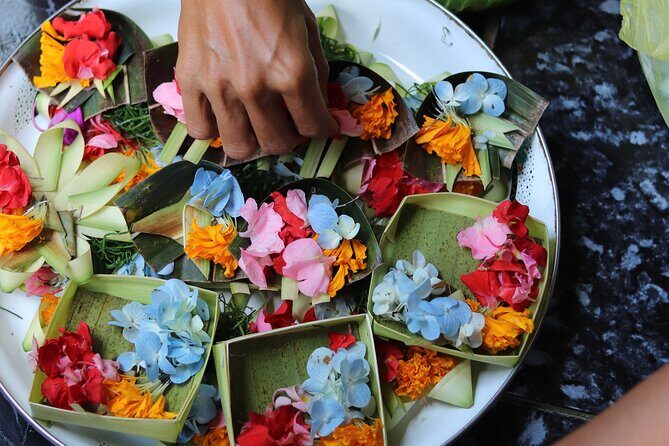
One of the most memorable parts of the day is learning how to make offerings from leaves and plant fibers. You’re shown how to intertwine materials into colorful forms, and you also get an introduction to the making of offerings and the meanings behind them.
This is the kind of cultural moment that can either feel vague or feel real, depending on how it’s taught. Here, the day doesn’t treat offerings like a craft you copy. It frames them as part of belief and daily practice—so your hands learn the technique, and your mind learns the purpose.
It’s also a great segment if you’re traveling with kids (or if you just like crafts). The materials are natural, the colors are bright, and the “why” gives you a story to carry home.
If you want to bring home something more than a photo, this part is the closest thing to a souvenir you made yourself.
The guide: French or English, and the difference it makes
Your guide speaks French or English, and that language choice matters more than you might think on a village day. In smaller settings, you’ll ask questions—about rice farming, household routines, coconut oil, and offering meanings—and you want your questions answered clearly.
Some past guests highlighted hosts and guide-like figures with warmth and humor, including a host named Gaia who welcomed visitors, shared her home life and work, and explained coconut oil and offerings alongside a delicious meal. That style—friendly, animated, and clearly happy to answer questions—is exactly what makes a cultural day feel like a conversation instead of a performance.
And if your French or English is rusty, don’t stress. The practical nature of the day (watching and doing) helps you follow along even when vocabulary slips.
Price and value: what you really get for $72.08
At $72.08 per person for about 6 hours, this day looks simple on paper: walk, make things, eat lunch, learn culture. But when you break down what’s included, it starts to feel like solid value.
Included items you don’t have to budget separately:
- Lunch
- Coffee and/or tea
- Air-conditioned vehicle
- All fees and taxes
- Donation
- French or English speaking guide
What’s not included is the tip, so keep that in mind when you plan your total spend.
One more value point: the tour is capped at 5 travelers. That small-group number is where the price can start to make sense. You’re paying for time and attention from a guide and family, not just transportation.
If you’re comparing costs against big Ubud tours with lots of waiting, this one can feel more “efficient” in the way it uses time—because you’re actively doing things throughout the day.
Who this tour suits best (and who should skip it)
This tour is a great match if you want:
- A hands-on cultural day (coconut oil and offerings are real activities)
- A more personal experience than typical Ubud group tours
- To understand village life through practical topics: food, farming, and daily rituals
It might be less ideal if you:
- Want a strictly sightseeing-based day with minimal walking and minimal interaction
- Prefer restaurant flexibility over a included home lunch
- Dislike hands-on activities, even simple ones like crafting offerings
For most people, though, it’s a rewarding balance of nature walk + home learning + real food.
Should you book this Balinese family village day?
I’d book it if you’re in Ubud and you want your day to feel local in a way that goes beyond photos. The rice fields give you context. The coconut oil production gives you a practical takeaway. The lunch and coffee are the emotional payoff—because you eat what you learn about. And the offerings segment gives you meaning, not just decoration.
If you’re the kind of traveler who likes calm, human-scale experiences (small group, questions welcome, no rush), this is a strong choice. If you’re worried about walking or prefer purely passive sightseeing, consider whether the morning field walk and hands-on steps fit your comfort level.
FAQ
Where is the meeting point?
The tour starts at Coco Supermarket on Jalan Raya Pengosekan, Ubud, Bali.
What time does the experience start?
The start time is 8:30 am.
How long is the day trip?
It lasts about 6 hours.
Is pickup offered?
Yes, pickup is offered, and transportation is done in an air-conditioned vehicle.
What is the maximum group size?
The experience has a maximum of 5 travelers.
What language will the guide speak?
The guide speaks French or English.
What food and drinks are included?
Lunch is included, along with coffee and/or tea.
What activities are included during the day?
You’ll walk in rice fields to observe rice cultivation, learn about coconut oil production, have local lunch at the family’s house, and learn to make offerings and understand their meanings.
Is there a mobile ticket?
Yes, you receive a mobile ticket.
Are service animals allowed?
Yes, service animals are allowed.
Is free cancellation available?
Yes. You can cancel for a full refund up to 24 hours before the experience starts.