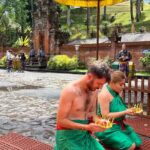
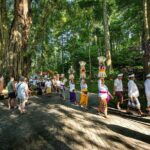
Bronze music, tuned to people. This experience is interesting because you do not just watch Balinese gamelan from a distance. You get a quick demo, pick an instrument, and learn how the parts lock together, in the peaceful countryside near Ubud.
I especially like the hands-on flow: you start with basics, then you actually play and harmonize along with the instructor. I also like that the cultural side is built in, with context about Balinese Hinduism and a visit to a gong maker setting where you can see how instruments are made and tuned.
One possible drawback: the schedule is weather dependent. If conditions are poor, they may shift the date or offer a refund, so it helps to have some flexibility.
In This Review
- Key things to look for before you go
- What makes Balinese gamelan click fast
- Gulingan Village: the quiet place where you start playing
- Why Balinese Hindu ceremonies matter to the music
- The gong smith / workshop stop: seeing sound made by hands
- Your hands-on playing session: harmonize first, perform later
- Refuel breaks that do not derail the flow
- Price and value: is $47.44 worth it?
- Getting there from Sanur, Kuta, Seminyak, Jimbaran, and Nusa Dua
- Group size and the private-tour feel
- Who this is best for (and who might skip it)
- Should you book Discover the Balinese Gamelan?
- FAQ
- Where does the experience take off from in Bali?
- How long is the Discover the Balinese Gamelan tour?
- Is hotel pickup included, and from where?
- What do I do during the lesson?
- Is lunch included?
- What happens if the weather is bad?
Key things to look for before you go
- You play for real, not just a short try-out—your session focuses on harmonizing with the teacher
- Gamelan basics are explained clearly, including what gamelan means and what the instruments are made from
- Countryside setting near Ubud helps you feel away from crowds
- Instrument-making is part of the day, with a traditional gong smith style visit (often with workshop/factory context)
- Hotel pickup is offered from several Bali beach areas, with an air-conditioned vehicle
- Light refreshments and hot drinks are included, so your energy stays steady
What makes Balinese gamelan click fast
Gamelan in Bali is both music and a whole set of instruments that work as a team. The word gamelan can refer to the ensemble, meaning the orchestra of gong, drum, and xylophone-type instruments, and it is also used in everyday talk for the music it produces. In simple terms: you are learning how a group creates patterns together, not how one person performs solo.
You will hear early on that many Balinese instruments are made from bronze with wooden casings, and some smaller ensembles may use iron or brass. That matters because the sound quality and how fast each instrument responds is tied to the metal and construction. When you understand that, the lesson becomes less like random tapping and more like learning a system.
You can also read our reviews of more tours and experiences in Ubud.



Gulingan Village: the quiet place where you start playing
Your day centers around a teaching experience in the peaceful village of Gulingan. They set it up as a spiritual journey as well as a music lesson, and that means you get a little foundation before the banging begins.
At the start, the guide and teacher use a preliminary musical demonstration. This is where you learn the rhythm framework—then you get to choose an instrument to play. Being able to select your instrument is a big deal for value and comfort. If you get handed the toughest part first, the whole session can feel stressful. Here, you get guided choices, so you can match your energy to the lesson.
The learning pace is also built to keep you from freezing. You start with the basics, then you move into harmonizing your part with the instructor. That step is where most people feel the lightbulb moment. The patterns begin to feel less like rules and more like a living conversation.
Why Balinese Hindu ceremonies matter to the music
One of the smartest parts of the program is the cultural context. Balinese Hinduism has thousands of ceremonies, and gamelan plays an important role in many of them. Rather than treating religion as a separate topic, this tour connects the music to daily spiritual life.
So you are not only learning how to hit a note. You are learning why the group sound is so structured. Many Balinese ceremonies need timing, coordination, and a steady rhythmic flow. When you sit in that context, you understand why the ensemble does not behave like a Western band where everyone can follow their own instinct.
This is also where you get a more grounded feel for the instruments themselves. Instead of seeing them as stage props, you start thinking of them as tools for ceremony—objects built, tuned, and used with intention.
The gong smith / workshop stop: seeing sound made by hands
Between the music sessions, you visit a traditional gong smith. This is a practical, high-value stop because you get to connect what you hear with how the instruments are made and tuned.
A lot of tours talk about craftsmanship in vague terms. Here, the whole idea is to see how each instrument is handmade and tuned. And your program can include additional workshop-style details—some people have experienced a gong maker or factory-like stop focused on how production and tuning work.
What I like about this portion is that it breaks the day into something visual and hands-on (even if you are mostly observing). You come back to the instruments after learning that sound is built and tuned, not magic.
Your hands-on playing session: harmonize first, perform later
After the foundation, the program shifts into a private music session where you play the island’s signature instruments—gongs, drums, and xylophones. Even though it is still a guided lesson, the structure is designed for active participation.
The key teaching moment is harmonizing. That means you are not just repeating what the instructor plays. You are matching your instrument to the ensemble rhythm so your part supports the overall pattern. In group music, that is the difference between making noise and making music.
Because this is a private session for your group, you are more likely to get individual attention and corrections. That helps when you are still learning how hard to strike, how to time your hits, and how not to rush the rhythm.
Also, this kind of lesson sticks better than a museum-style experience. You will likely remember the feel of the rhythm and the way the sound blends. You leave with a new skill, not just new facts.




Refuel breaks that do not derail the flow
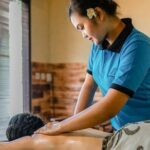
You get local snacks and hot drinks between sessions. That sounds small, but it matters on a 4-hour day. When you are actively playing and listening, hunger and low energy can mess with concentration and coordination.
Light refreshments and bottled water are included, plus coffee and/or tea. So you do not need to plan extra stops to keep the day moving. You can focus on learning, not logistics.
Lunch is not included, so if you are arriving hungry, plan to eat before pickup time or after you finish. The good news is that the included snacks help bridge the gap.
Price and value: is $47.44 worth it?
At $47.44 per person for an approximately 4-hour experience, the value is strong if you want hands-on learning. You are paying for more than entry to a cultural site.
Here is what you get that justifies the price:
- An instructor-led lesson focused on you playing and harmonizing
- Admission ticket included
- A visit to a gong smith/workshop for how instruments are made and tuned
- Hotel pickup and drop-off from major Bali areas, plus an air-conditioned vehicle
- English-speaking guide and light refreshments with water and coffee/tea
You can find cheaper cultural activities in Bali, but many are mostly observing. This one pays off when you care about participation. If your goal is only to take photos, you might feel it is too hands-on.
Booking timing can also affect value. This tour is often booked about 23 days in advance, which usually means popular lesson slots get filled. If you have a tight itinerary, it is smart to lock it in earlier rather than hoping last-minute openings appear.
Getting there from Sanur, Kuta, Seminyak, Jimbaran, and Nusa Dua
One practical win is two-way transfers. Pickup is offered from hotels in Sanur, Kuta, Seminyak, Jimbaran, and Nusa Dua. That saves you the hassle of arranging your own car for a countryside day, and it keeps the schedule smoother.
You travel in an air-conditioned vehicle with an English-speaking guide. The tour also includes bottled water, so you start hydrated and stay that way.
The tour starts at Kemenuh, Sukawati, Gianyar Regency, Bali, Indonesia, and ends back at that meeting point. If you are not using the hotel pickup, you will need to plan to be at the start location.
Group size and the private-tour feel
This is listed as a private tour/activity, meaning only your group participates. That is a meaningful difference from typical big-group entertainment. In a music lesson, smaller groups often mean you get clearer instruction and fewer logistical delays.
There is also a minimum requirement of 2 people per booking. So if you are traveling solo, you will need a partner in the booking unless the provider can accommodate differently through your booking platform.
Most travelers can participate, which suggests the activity is set up as approachable rather than ultra-technical or physically demanding.
Who this is best for (and who might skip it)
You should book this tour if you:
- Want a hands-on cultural experience where you play, not just watch
- Like learning the background behind what you see, especially how gamelan connects to Balinese Hindu ceremonies
- Prefer a quieter countryside setting over a crowd-heavy city stop
- Value hotel pickup and a guided structure that keeps everything timed
You might think twice if:
- You only want a quick stop for sightseeing and photos
- You do not want to strike instruments, even briefly
- You have zero flexibility for weather, since the experience depends on good conditions
Should you book Discover the Balinese Gamelan?
Yes, if your idea of a great Bali day includes learning by doing. The combination of instrument practice, cultural framing around Balinese Hindu ceremonies, and seeing the gong maker/workshop side gives this tour more substance than many “culture shows.”
The price also makes sense for what you get: a guided lesson with you participating, plus transfers and refreshments. Just remember the one trade-off: it is weather dependent, so keep an open window if you can.
If you want more than a souvenir, this is the kind of experience that gives you a real skill and a sound you will still hear in your head later.
FAQ
Where does the experience take off from in Bali?
The start location is Kemenuh, Sukawati, Gianyar Regency, Bali, Indonesia, and it ends back at the same meeting point.
How long is the Discover the Balinese Gamelan tour?
It runs for about 4 hours.
Is hotel pickup included, and from where?
Yes. Pickup and drop-off are offered from major hotels in Kuta, Seminyak, Sanur, Jimbaran, and Nusa Dua, with an air-conditioned vehicle.
What do I do during the lesson?
You get a preliminary musical demonstration, choose an instrument to play, learn basic gamelan rhythms, and harmonize your instrument with the instructor. You also join a private music session to play the signature gongs, drums, and xylophones.
Is lunch included?
No. Lunch is not included, though light refreshments and hot drinks are provided between sessions.
What happens if the weather is bad?
The experience requires good weather. If it is canceled due to poor weather, you will be offered a different date or a full refund.