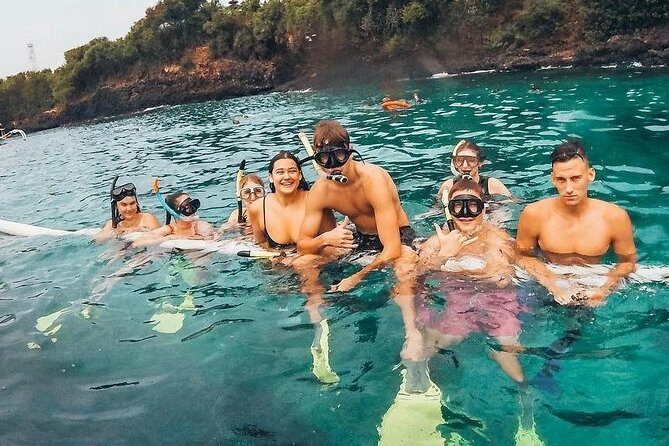
A good first scuba day starts with confidence. This half-day PADI-led intro lets you learn the basics fast, then get your first breaths in the water with a maximum of four people and all the gear handled for you. You practice in calm, protected conditions, then head out to shallow reefs in Amed’s underwater “coral garden” world.
Two things I like a lot: no full course needed (you’re not signing up for days of certification), and everything practical is included—scuba gear, snacks, fizzy drinks, coffee/tea, bottled water, plus hotel pickup and drop-off in the Amed/Tulamben area. One consideration: you do have to be medically fit and meet the swim/health requirements, and the activity can be affected by weather.
In This Review
- Key highlights you’ll feel right away
- Why this half-day scuba tryout works well in Amed
- What happens during your morning (8:30 start, skills then reefs)
- Warm-up: equipment + how not to fight your gear
- Calm-water practice for first breaths
- Optional pool start if you’re nervous
- Your two guided underwater sessions
- Choosing underwater sites: coral garden is the plan, but conditions decide
- Gear, snacks, and the small stuff that saves money
- Getting there from Amed or Tulamben is part of the value
- Why the instructors make or break a first-timer’s experience
- Safety reality check: who should (and shouldn’t) book
- Who this experience is best for (and who will feel bored)
- Price and value: why $121 can be a smart buy
- Practical tips: how to make your first session go smoothly
- Should you book this PADI-style first scuba experience in Amed?
- FAQ
- Do I need a scuba certification for this experience?
- How many underwater sessions are included?
- Where does it take place and what time does it start?
- What’s included besides the instruction?
- What are the age and swimming requirements?
- Is there any medical screening before I can participate?
- Can I do a practice lesson before going into open water?
- How many people are in a group?
- What happens if weather is bad?
- What is the cancellation policy?
Key highlights you’ll feel right away
- PADI coaching without certification: skills first, then guided reef time
- Small group size (max 4): more attention and better control of your pace
- Two underwater sessions in about half a day, with the option to do both
- All equipment included (bring swimwear) and food/drinks provided
- Amed underwater options can range from coral gardens to sites like Jemeluk Wall or USAT Liberty, depending on conditions and your check
Why this half-day scuba tryout works well in Amed
Amed is a laid-back base in Bali for learning how the ocean really works—waves, buoyancy, breathing, and that instant feeling of weightlessness. This experience is built for first-timers who want the real thing, not a long classroom schedule. You start with a proper instructor briefing, then move into water with controlled conditions.
For value, the biggest win is that you skip the full certification path. Instead of paying for multiple training days, you get guided skills plus two supervised underwater sessions. For many people, that’s the sweet spot: enough time to decide if scuba is a “yes,” without committing to an open-water course right away.
You can also read our reviews of more scuba diving tours in Ubud
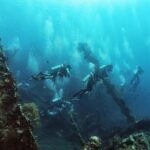
What happens during your morning (8:30 start, skills then reefs)
This runs for about 5 hours, typically starting around 8:30am. You’ll usually begin with pickup if you’re staying in the Amed/Tulamben area, then get geared up and briefed. The program follows a logical flow: fit the equipment, teach how to use it, and make sure you’re comfortable before you go farther from shore.
Warm-up: equipment + how not to fight your gear
You’ll be fitted with scuba gear and taught how it works. The instructor focuses on the basics so you can breathe steadily and handle the equipment without panic. If you’ve ever been worried that you’ll feel clumsy with unfamiliar gear, this is exactly what the staff trains you for.
In one first-time session described in instructor feedback, Pierre ran a 45-minute briefing on equipment and skills with the goal of helping the student manage buoyancy quickly. That kind of structured prep is what makes the rest of the morning feel manageable.
Calm-water practice for first breaths
Next comes the part that matters most: practice in protected, pool-like conditions. This is where you build comfort with breathing underwater, getting used to the regulator, and learning how to move without flailing. You’ll do basic skills in the calm area before heading out for the reef time.
Optional pool start if you’re nervous
If you’re a bit scared, they can start you with a practice lesson in a resort pool before you go into the ocean. That option is worth paying attention to when you’re deciding whether to book. It doesn’t remove the ocean, but it can reduce the first big stress jump—especially for people who freeze at the edge.


Your two guided underwater sessions
The structure is designed so you can do one session, then decide if you want the second. The program explicitly recommends doing both if you liked the first one. In general terms, you can expect:
- Session 1: skills practice in calm water, then guided reef time in shallow areas
- Session 2: a second guided reef session for more marine life and a longer taste of scuba
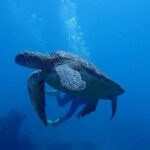
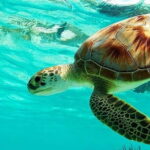
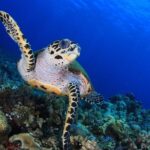
Amed’s reputation here is real: you’re in an area known for coral and marine life, and your instructor will aim you at the right kind of site for your level.
Choosing underwater sites: coral garden is the plan, but conditions decide
The experience centers on shallow reefs and a coral garden style route. But Amed is also a place where dive-site choices can vary by conditions and what the instructor sees during your initial check.
From instructor responses and site examples shared, common underwater options you might hear about include:
- reef and deep reef
- macro-focused underwater life
- wall and drift-style routes
- cavern options
- wreck visits, including USAT Liberty and the Liberty wreck area
- and for some stronger swimmers, even technical options (Tec) are mentioned in their broader offerings
You might also see names like Jemeluk Wall and Lipah show up in route choices. The key thing for your expectations: you’re not locked into one exact map pin. Your instructor can match the plan to your comfort level after the initial skills/check.
Gear, snacks, and the small stuff that saves money
For first-timers, hidden costs can be a buzzkill—rental gear, extra drinks, surprise fees. Here, the basics are handled. You get all the scuba gear you need, and the only personal item you must bring is swimwear.
They also include snacks and drinks—fizzy drinks, coffee, tea, and bottled water. That matters because it keeps you fueled for the full morning and reduces the need to buy things near the water where prices can be higher.
Getting there from Amed or Tulamben is part of the value
The day is smoother if transport isn’t on your mind. This experience offers two-way transfers from hotels in the Amed/Tulamben area. That’s a practical win because you’re spending a half-day with equipment on—moving around on your own after pickup would be more hassle than it sounds.
Also, the operator uses a mobile ticket, which is convenient when you’re bouncing around Bali by phone and not carrying printouts everywhere.
Why the instructors make or break a first-timer’s experience
This is the kind of activity where the instructor personality shows up fast: in calm explanations, in safety checks, and in whether you feel like your questions are welcome.
You’ll see strong praise across multiple guide names and styles, including Roda, Longsor (Bukti), Coco, Pierre, Sasa, Nyoman, and Kadek. The consistent theme is patient teaching. Some guides are highlighted for being kind and professional (Roda), senior and experienced (Longsor with years teaching in Amed/Tulamben), and very careful with first-timers (Sasa, Coco).
One standout point: if you’re talented and learning quickly, some instructors encourage you to continue to a second session. That supports a big goal for first-timers—getting enough repetition to feel that scuba isn’t just a one-off trick.
Safety reality check: who should (and shouldn’t) book
Scuba isn’t for everyone, and the program is clear that you’ll be asked to complete a medical questionnaire. You need to be medically fit for diving, able to swim, and at least 10 years old.
The data also lists several situations where it’s not recommended, including:
- if you take prescribed medications
- diabetes
- ear or sinus problems
- lung injuries
- inner surgeries in the last 12 months
- asthma
- allergies
- and several other conditions
If any of those apply, the best move is to pause and get clarity before booking. The medical form exists for a reason: it’s meant to protect you and your instructor team.
Who this experience is best for (and who will feel bored)
This program fits best if you:
- want to try scuba without the cost or time of a certification course
- like small-group learning and hands-on coaching
- want two underwater sessions in one morning
- enjoy coral reef life and want an instructor-guided plan
It’s also a good match for couples and friends who want a shared experience with minimal group size.
It may not be ideal if you’re looking for a long, slow lesson with no pressure to keep moving. This is still a real underwater activity, and you’ll be asked to follow safety guidance and practice basics quickly.
One more note: the operator is described as family-friendly. Kadek is mentioned in a context involving kids (ages 10 and 13) who continued through the day with support, even when the youngest needed help on the first day. That suggests the team handles nervous moments with patience.
Price and value: why $121 can be a smart buy
At $121 for a half-day, the value comes from what you’re getting together—not just the single price tag. You’re paying for:
- instruction with PADI standards
- two guided underwater sessions (if you continue)
- scuba gear rental included
- snacks and drinks
- and round-trip transfers from Amed/Tulamben hotels
If you’ve ever priced a full scuba certification program, the numbers add up quickly once you include equipment time, multi-day instruction, and course fees. This experience gives you the core try-it-first experience: real coaching, real equipment, real reef time—without the extended commitment.
Are you paying a bargain-basement price? Not exactly. But you’re paying for a guided, safety-focused start with logistics handled. For many people, that’s the point where scuba becomes a decision, not a fantasy.
Practical tips: how to make your first session go smoothly
Here are the common-sense things that help first-timers avoid stress. None of these are fancy, but they work.
- Bring swimwear (that’s the one personal item you’re expected to have).
- Arrive early for pickup so you don’t feel rushed during gear fitting.
- If you’re nervous, tell the team. The program explicitly allows a pool practice option.
- If you’re prone to ear or sinus issues, plan carefully. The activity is not recommended with those problems listed.
- Pack as lightly as possible for a 5-hour morning. You’ll be managing wet gear and time, not doing museum wandering.
If you’re the type who likes structure, you’ll probably enjoy the way the morning flows: briefing, calm-water practice, then reef time.
Should you book this PADI-style first scuba experience in Amed?
If your goal is to test scuba with real instructor support, I think this is a strong booking choice. The combination of small group size, two guided underwater sessions, and gear + drinks + transfers included makes the experience feel efficient and well-supported.
I’d hesitate only if:
- you can’t meet the medical requirements or have listed conditions
- you can’t swim
- you’re expecting a flexible, never-rushed day. This is a scheduled half-day activity with a real plan and safety checks
If you’re on the fence about scuba, this is the kind of trip that turns uncertainty into clarity quickly. You’ll leave knowing whether you want more training—or whether the ocean was fun but not your forever hobby. Either way, you’ll get a memorable morning in Amed’s underwater world.
FAQ
Do I need a scuba certification for this experience?
No. It’s designed for a first-time try with a PADI instructor. You learn basic skills and then do two guided underwater sessions.
How many underwater sessions are included?
The experience includes 2 sessions. You can start and then follow with the second if you liked the first one.
Where does it take place and what time does it start?
It’s in Ubud, Indonesia in the listing details, with pickup available from the Amed/Tulamben area. The start time is 8:30am, and the total duration is about 5 hours.
What’s included besides the instruction?
You get the scuba equipment you need (you bring swimwear). The package also includes snacks, fizzy drinks, coffee, tea, and bottled water, plus two-way hotel transfers in Amed/Tulamben.
What are the age and swimming requirements?
Participants must be at least 10 years old and must be able to swim.
Is there any medical screening before I can participate?
Yes. It’s not recommended if you have certain conditions (including diabetes, ear or sinus problems, lung injuries, inner surgeries within the last 12 months, asthma, allergies, or if you take prescribed medications). You must complete a medical questionnaire to check eligibility.
Can I do a practice lesson before going into open water?
Yes. If you’re a bit scared, you can start with a practice lesson in a resort pool before you go into the ocean.
How many people are in a group?
The activity has a maximum of 4 travelers.
What happens if weather is bad?
This experience requires good weather. If it’s canceled due to poor weather, you’ll be offered a different date or a full refund.
What is the cancellation policy?
You can cancel for a full refund up to 24 hours before the experience’s start time. If you cancel less than 24 hours before, the amount paid is not refunded.