REVIEW · UBUD
Jatiluwih Batukaru Mountain Nature’s Best Tour
Book on Viator →Operated by Tour East Indonesia · Bookable on Viator
Bali away from the crowds tastes better. This Ubud-based day trip pushes into the island’s interior for rice terraces and remote temples, plus a guide who helps you connect what you’re seeing to how Balinese life works. Two big wins: the scenery feels real and local, and the temple stop at Pura Luhur Batukaru is usually quiet enough to breathe. One thing to plan for: the day can involve slow, winding roads and a few timed stops that may feel more shop-heavy than you expect.
You’ll start with pickup around 8:30am, head north past Denpasar into mountain foothills, then move through farming country before reaching the Batukaru Temple complex. Expect a long day (about 8 hours total), but the pace stays friendly thanks to the small group format, usually capped at 15.
In This Review
- Key points I’d highlight before you go
- Morning Pickup Into Bali’s Real Mountain Country
- Stop 1: Mount Batukaru Foothills and the Farming Elite Factor
- Stop 2: Jatiluwih Rice Terraces and the Water-Driven View
- Stop 3: Pura Luhur Batukaru Temple in the Thick Tropical Forest
- The Drive, the Pace, and Why Small Groups Matter Here
- The Restaurant Rest Stop: Convenient Break, Pay-As-You-Go
- The “Not Just Temples” Reality: Crafts, Coffee, and Sales Stops
- Weather and Comfort: Slippery Steps, Rainy-Day Conditions
- Price and Value: Is Around $61.54 Fair?
- Who This Tour Fits Best (and Who Should Skip It)
- Should You Book This Tour?
- FAQ
- What’s the duration of the Jatiluwih Batukaru Mountain Nature’s Best Tour?
- What time does the tour start?
- How big is the group?
- What stops are included during the day?
- Is hotel pickup and drop-off included?
- Does the price include entrance fees?
- Are meals included?
- Is the tour guide available in English?
- Is free cancellation available?
- Where does the tour meet and end?
Key points I’d highlight before you go
- Small-group feel with hotel pickup, an English-speaking licensed guide, and a support vehicle (capped at 15).
- Volcanic farming to temple focus: Mount Batukaru foothills, Jatiluwih rice terraces, then Pura Luhur Batukaru.
- A temple experience that’s often peaceful, with time to wander and learn why this site matters.
- Some stops can turn into sales time, especially around crafts or coffee/spice-style tastings, so set expectations.
- Rain and moss make temple paths slippery, so grippy shoes help.
Morning Pickup Into Bali’s Real Mountain Country
This tour works like a reset button. At 8:30am, you’ll be picked up from your hotel in common Bali resort zones (Kuta, Seminyak, Sanur, Jimbaran, and Nusa Dua areas are specifically listed), then you head north through changing scenery. Urban Denpasar gives way to palm-lined roads, green farm fields, and distant mountains. It’s not just pretty driving. It’s the point: you’re leaving the beach routine and moving into a Bali where most people’s daily rhythms are tied to the land.
The “about 8 hours” timing matters here. You’re not doing a short, tight route. You’re doing a full-day loop that includes travel time and multiple stops. That’s why I recommend booking it when you’re ready for a slower rhythm and a full day outdoors, not when you want to squeeze in extra plans afterward.
You can also read our reviews of more tours and experiences in Ubud.



Stop 1: Mount Batukaru Foothills and the Farming Elite Factor
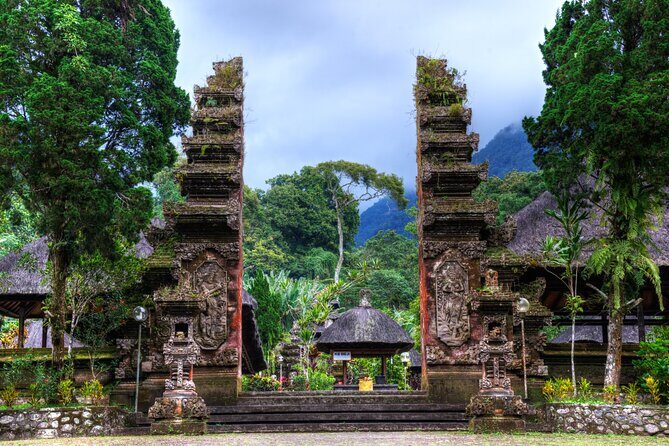
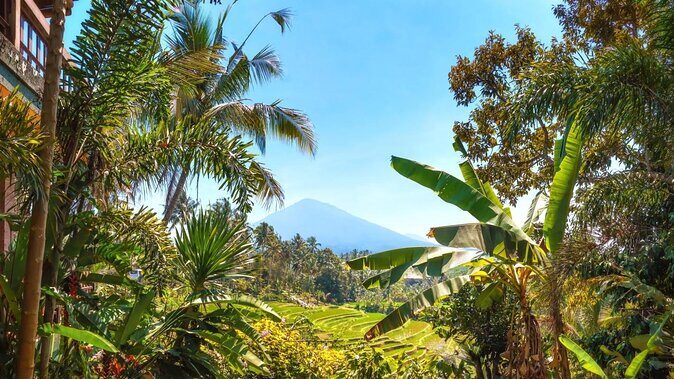
Your first major stop is the Mount Batukaru area, in Bali’s fertile volcanic foothills. This is where the tour starts making sense. The ground here is described as volcanic and productive, supporting crops like spices, vegetables, flowers, and tropical fruits.
Why this stop is worth your time:
- You’re given context for what you’ll see later at Jatiluwih, where rice cultivation becomes the star.
- You get a sense that agriculture isn’t just something people do. It’s part of culture, community life, and income.
There’s also a practical angle. If you’re the type who gets impatient on tours, this foothills portion helps you stay interested because it explains the logic behind the scenery. Even if you only absorb a slice of the details, it makes the rest of the day feel connected rather than like a checklist.
Stop 2: Jatiluwih Rice Terraces and the Water-Driven View
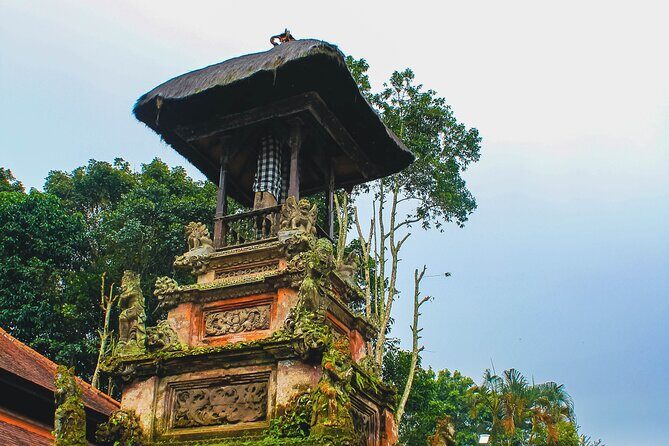
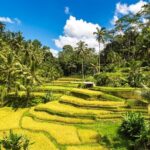
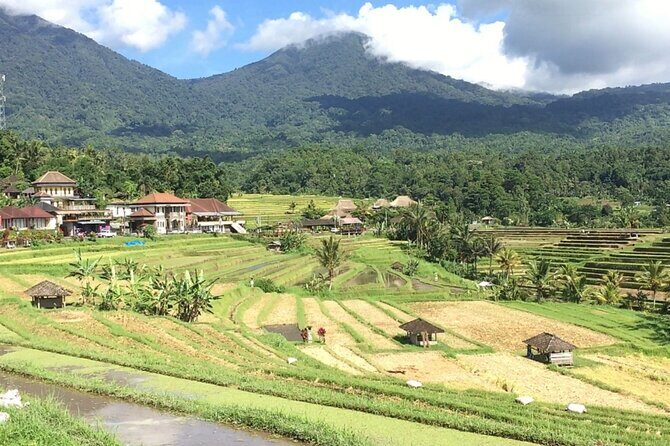
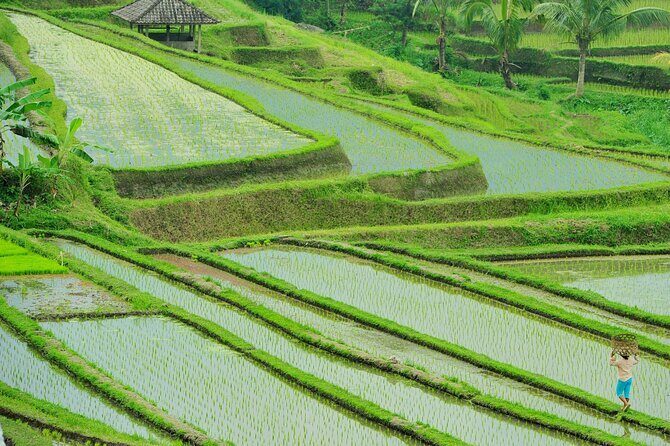
Then comes Jatiluwih Rice Terraces—one of Bali’s most famous agricultural sights, and a place where the scenery matches the effort behind it. The tour frames cultivation here as creative work and a communal effort. Instead of a single viewpoint, you’re looking at an intricate network of curved terraces.
What you should expect on-site:
- Plenty of photo opportunities from different angles.
- A “walk-and-look” style experience (the official format mentions around two hours at this stop).
- A learning vibe: the guide explains how these terraces support the community and why they look the way they do.
This is also where the tour earns its nature label. You’re not just visiting a famous icon; you’re seeing how farming shapes the hills. The terraces are described as “endless and intricate,” and the practical benefit of that is simple: you’ll likely keep finding new views as you reposition.
One timing note: your comfort will depend on weather. In rain, the area can look even more vivid, but you’ll want shoes that handle damp ground well.
Stop 3: Pura Luhur Batukaru Temple in the Thick Tropical Forest
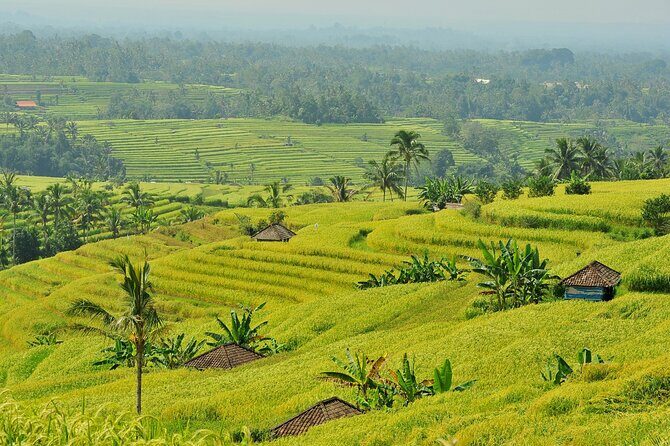
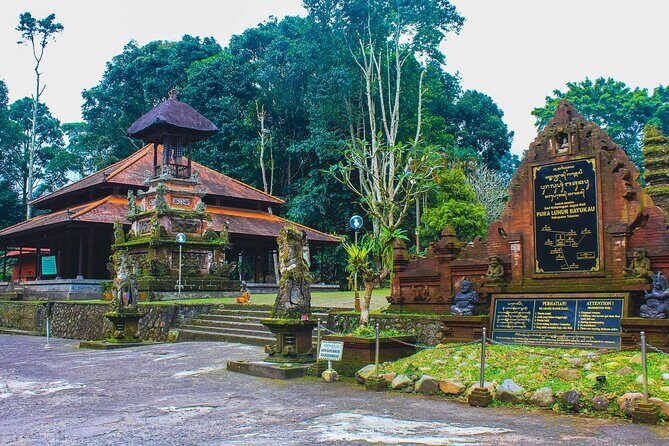
Next is the spiritual highlight: Pura Luhur Batukaru Temple. The route takes you through thick tropical forest beneath Mount Batukaru. That approach changes the feel of the visit. You arrive not from a crowded entrance lane, but from a quieter, greener setting.
This temple complex is described as among the holiest Hindu sites in Bali, with only Besakih listed as more sacred. That matters because it changes how you’ll read the place. It’s not a generic “temple stop.” It’s a living religious site that sits in nature with real meaning for Balinese Hindu families.
What I’d plan for during your visit:
- Time with your guide to explore the temple setting and unique architecture.
- A slower pace to absorb the quiet energy.
- Attention to footing. One review specifically warned that steps and paths can be slippery due to moss and moisture, especially in wet weather.
Also, don’t be surprised if your guide encourages respectful behavior and a calmer mindset while you’re there. In the feedback you provided, some guides even made room for meditative moments in the temple area. You may or may not get that exact timing, but the culture of the visit tends to support it.
The Drive, the Pace, and Why Small Groups Matter Here
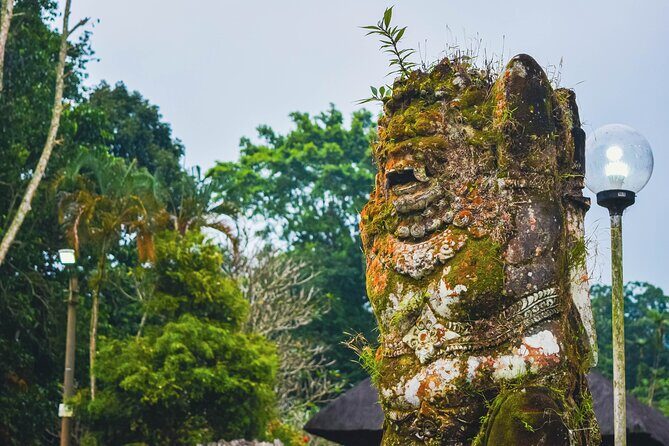
This tour is built for a small group experience. The inclusion list says maximum 15 travelers, and multiple notes point to days where the group is far smaller than the cap. Either way, the difference is real: you’re not herded like luggage into and out of sites.
In practice, that usually means:
- More time for questions without feeling rushed.
- Easier picture-taking.
- Better navigation through the temple and terraces.
Guide quality can vary from person to person, and the names mentioned in your information show that clearly. Several guides were highlighted for friendliness and clear explanations, with names like Darta, Mandara, Gus, Rody, Arya, Benny, Radi, and Rai A. appearing in the feedback. If you’re choosing this tour because you want more than “look here, next,” your best move is to bring curiosity. Ask what’s happening in the farming areas. Ask what makes Batukaru special compared to other temples. Good guides love that.
The other pace factor is the road. Reviews include mentions of winding roads, bumpy driving, and even motion sickness concerns. If you’re sensitive to this kind of ride, consider preparing as you would for a long, curvy mountain drive.


The Restaurant Rest Stop: Convenient Break, Pay-As-You-Go
Between the terrace and the temple return, you’ll have time to stop at a local restaurant for a rest stop. Food and drinks aren’t included, so you’ll pay at your own expense.
How to handle this smartly:
- Use the break to reset your energy. A long day + humidity can wear you down.
- Keep expectations flexible about the quality of lunch. In the notes you provided, lunch got mixed marks, including one mention that the meal looked unclean and another that it was not great but acceptable.
If you care about food quality a lot, bring a small snack along for buffer (just don’t expect it to be part of the tour). The tour itself is the agriculture + temple focus; lunch is support.
The “Not Just Temples” Reality: Crafts, Coffee, and Sales Stops
Here’s the part that can make or break your day: the tour may include additional stops beyond the three headline locations. Your material includes a complaint about time spent at multiple craft houses that were not appealing or relevant to the advertised focus. Another note mentions arts and crafts manufacturers and a coffee tasting/plantation-style stop, including discussion around luwak coffee pricing.
So what should you do with this?
My advice: treat those stops as optional-value add-ons. Look at it like this—
- If you like local crafts and want souvenirs, these can be a bonus.
- If you prefer pure nature and temple time, you’ll want to watch your schedule and stay firm about your priorities.
A good approach is simple: if the guide pushes a “you must see this” vibe, slow down. Ask what the demonstration or product is actually about and decide on the spot. One warning in your notes was pretty direct: if your guide suggests a paid side attraction like Turtle Island, pause and research first rather than rushing into it. Your time here is valuable. Protect it.
Weather and Comfort: Slippery Steps, Rainy-Day Conditions
Bali’s mountain-area weather can be changeable. One review specifically mentions rainy conditions and notes that temple paths can be slippery due to moss and humidity.
For comfort, I’d pack around that:
- Grippy shoes for wet stone or mossy steps.
- A light rain layer. Even if the forecast looks fine, temple humidity can surprise you once you’re in the forested approach.
- Patience for slow moments. When roads and ground conditions are damp, travel time stretches and walking feels more careful.
Also, bring a practical attitude for a full-day outdoor route. This tour isn’t built for people who want everything indoors or who dislike gradual movement.
Price and Value: Is Around $61.54 Fair?
At about $61.54 per person, this tour sits in an accessible range for a full-day outing in Bali. The value isn’t just the ticket price; it’s what’s bundled.
What’s included:
- Hotel pickup and drop-off from major areas listed.
- An air-conditioned vehicle.
- An English-speaking licensed guide.
- Entrance fees (as stated).
- Round-trip transport from your hotel.
What’s not included:
- Food and drinks.
- Any spa entrance fees (if that comes up; not included in the baseline listing).
So where does the value land?
If you’re paying for transport + guide + entrances and you’re getting at least two major nature stops (Batukaru area + Jatiluwih) plus a major temple (Pura Luhur Batukaru), you’re getting a lot for one day. The only time the value starts to feel thin is when too much time shifts into low-interest shop stops. That’s why your expectations matter. If you like crafts/coffee/spice add-ons, you’ll probably feel like it’s money well spent. If you want pure scenery and temple time, hold steady about your preferences.
Who This Tour Fits Best (and Who Should Skip It)
This is a strong fit if you want:
- A nature-and-culture day beyond Ubud’s immediate core.
- Small-group access with time to wander.
- Rice terrace views plus a temple visit that isn’t rushed.
You might skip or reconsider if:
- You hate long car rides and get motion sick easily (the roads can be winding and bumpy).
- You’re very sensitive to shopping detours and want strictly temple + terraces with no extra stops.
It’s also a good first “interior Bali” day. You’ll learn why rice farming and temple life connect, and that context makes later visits easier.
Should You Book This Tour?
Book it if you want a grounded Bali day that mixes Jatiluwih rice terraces with the quieter spiritual side of the Batukaru area. The included guide time and temple/entrance coverage make it a solid value around the listed price.
I’d hesitate if you’re expecting a tight itinerary with zero detours. Based on the notes you shared, some days include extra craft/coffee/spice-style stops, and that can stretch the feeling of the day. If you do book, go in with a plan: enjoy the farming and temple parts most, and treat any shop or tasting stops as optional.
If you want, tell me your travel month and whether you’re sensitive to car sickness. I’ll suggest how to time this day and what to prioritize for comfort and photos.
FAQ
What’s the duration of the Jatiluwih Batukaru Mountain Nature’s Best Tour?
The tour is listed at approximately 8 hours.
What time does the tour start?
The start time is 8:30am, with hotel pickup around 30 to 60 minutes before the tour start time.
How big is the group?
The tour is described as small-group with a maximum of 15 travelers.
What stops are included during the day?
The main stops listed are the Mount Batukaru area, Jatiluwih Rice Terraces, and Pura Luhur Batukaru Temple.
Is hotel pickup and drop-off included?
Yes. Pickup and drop-off are included from major hotels in the Kuta, Seminyak, Sanur, Jimbaran, and Nusa Dua areas.
Does the price include entrance fees?
Yes. The tour includes entrance fees as part of the package.
Are meals included?
Food and drinks are not included. There is a local restaurant rest stop where you can purchase food and drinks at your own expense.
Is the tour guide available in English?
Yes. The tour includes an English-speaking licensed guide.
Is free cancellation available?
Yes, free cancellation is available up to 24 hours before the experience start time for a full refund.
Where does the tour meet and end?
The meeting point listed is Batu Karu Temple (F7X7+9V5, Ubud, Gianyar Regency, Bali 80571). The activity ends back at the meeting point.