REVIEW · UBUD
Kintamani and Tukad Cepung Waterfall Tour
Book on Viator →Operated by Padi Bali Driver · Bookable on Viator
Hidden waterfalls and temples in one day.
This tour is interesting because it strings together Tukad Cepung Waterfall (a tucked-away drop between rocks) with a classic sequence of Balinese culture stops: an 11th-century temple, a traditional Bali Aga village, and scenic highland views around Mount Batur. I especially like the way the itinerary balances nature and people-watching, plus the buffet lunch is timed for the best sightline over Mount Batur and the lake. The main drawback to plan around is the early start and the fact that the experience depends on good weather, especially for the waterfall.
In This Review
- Who runs the show?
- Key highlights (quick hits)
- A morning route built for Ubud to Kintamani
- Tukad Cepung Waterfall: the drama is in the rocks
- Kehen Temple: an 11th-century stop that changes the mood
- Penglipuran Village and the Bali Aga way of life
- Mount Batur: buffet lunch with real views
- Ceking/Tegalalang rice terraces near Ubud
- Price and value: what $78 buys you in practice
- Timing, pacing, and what to pack for a 9-hour day
- Who should book: nature + culture in one tight circuit
- Should you book the Kintamani and Tukad Cepung Waterfall Tour?
- FAQ
- What time does the tour start?
- How long is the tour?
- How much does the tour cost?
- Does the tour include pickup?
- Are admission tickets included?
- Is there lunch?
- Is this a private tour?
- What if the weather is bad?
- Who operates the tour?
Who runs the show?

A key part of the value here is the driver. In feedback, guides like Nyoman and Katur are described as helpful, cheerful, and tuned into what you’re seeing, which makes the drive feel like part of the tour instead of just transportation. Still, this is a packed 9-hour circuit, so if you prefer slow travel with lots of free time, you might feel a bit on a schedule.
Key highlights (quick hits)

- Tukad Cepung Waterfall inside a rock corridor: a dramatic scene when you catch it at the right time of day
- Kehen Temple, built in the 11th century: an older stop that adds depth beyond the view stops
- Penglipuran Village and Bali Aga life: traditional architecture and everyday culture of the Bali Aga people
- Mount Batur buffet lunch with lake views: food plus panorama, not just a meal break
- Ceking/Tegalalang rice terraces near Ubud: a UNESCO-listed style of rice-growing scenery
- Driver-led insights (Nyoman and Katur are mentioned in feedback): the explanations can make the route click
You can also read our reviews of more tours and experiences in Ubud.



A morning route built for Ubud to Kintamani
This is the kind of day trip that works best when you’re willing to get going early. You start around 8:00 am, and you’ll spend the next stretch bouncing between northern Ubud–area culture stops and the cooler highland scenery in the Kintamani/Mount Batur region. The payoff is variety: waterfall, temple, village culture, a volcano-and-lake lunch viewpoint, and then rice terraces before you head back.
Because it’s a private tour (only your group), the pacing can feel a little more flexible than a big bus day. That said, it’s still a “see a lot” plan, so it helps to manage your expectations: you’re not there for deep study at one location. You’re there for a smart sampler that gives you a real sense of central Bali’s contrasts.
Tukad Cepung Waterfall: the drama is in the rocks
The first stop sets the tone. Tukad Cepung Waterfall is famous for how it’s framed—hidden between rocks, with the water showing up through a narrow opening. That means the experience isn’t just about the waterfall itself; it’s about the approach. The sight hits differently once you’re inside that rocky space.
Practical tip: wear shoes you can trust on wet surfaces. Even if you don’t plan to do lots of climbing, you’ll likely be stepping around uneven ground near the waterfall. Also, expect it to feel cooler and more humid here than in the morning streets of Ubud.
The other big consideration is timing and weather. This tour specifically notes that it requires good weather. If clouds and rain roll in, your schedule may change or the day may be offered on a different date, so don’t treat this waterfall stop like it’s guaranteed no matter what.
Kehen Temple: an 11th-century stop that changes the mood
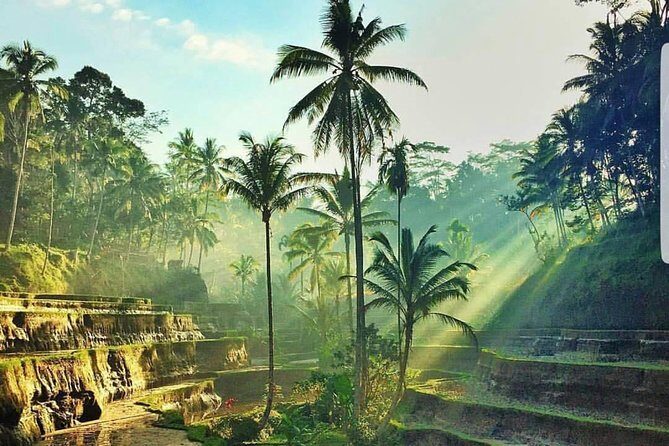
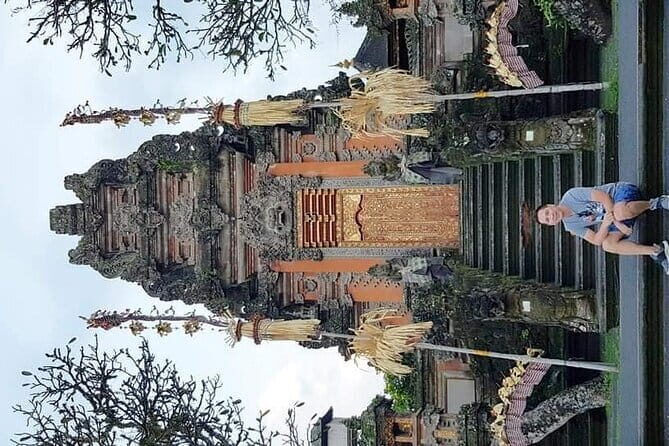
After the waterfall, the day moves into slower, more contemplative territory at Kehen Temple, built in the 11th century. This is where the tour adds cultural weight. You’re not just collecting photos—you’re seeing a temple site with real age behind it, which helps balance the more outdoor, scenic parts of the route.
What I like about putting Kehen in the middle of the day is how it breaks the drive rhythm. After getting your senses turned on at the waterfall, a temple stop gives you a chance to re-center. It’s also a good opportunity to notice details: temple layout, textures, and the general feeling of a site that’s been part of the landscape for a long time.
Because the stop is listed at about 1 hour, it’s enough time to walk through and take it in without turning it into a half-day commitment. If you’re the type who likes a quick, focused cultural moment between nature stops, this fits.
Penglipuran Village and the Bali Aga way of life
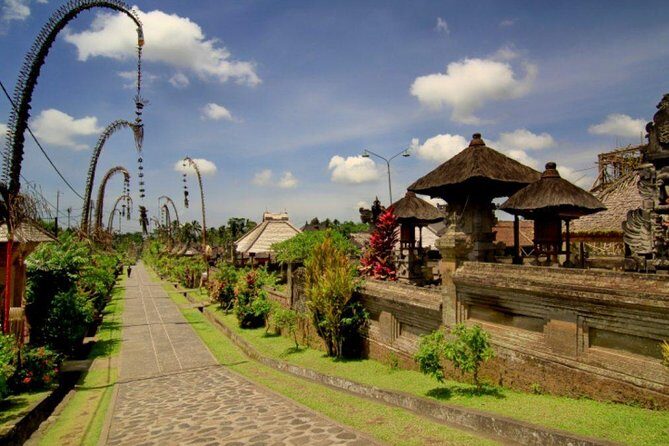
Next you’ll head to Penglipuran Village, where the focus is traditional life and architecture. This stop is especially valuable if you’re curious about how communities maintain traditions over time, since the tour highlights the Bali Aga people—often described as ancient Balinese—along with their culture and daily way of life.
The big win here is that the village isn’t presented as an abstract concept. It’s treated as a living place: you get to see the built environment and how a traditional village functions. Even if you’re not chasing a long narrative tour, a one-hour window works because it keeps the pace moving while still letting you notice patterns—street layout, home style, and the overall feel of the community.
One consideration: village visits can bring crowds at times, depending on the season and day. You’ll likely want to arrive with the mindset of respectful observation, not rushing to the next photo spot immediately.





Mount Batur: buffet lunch with real views
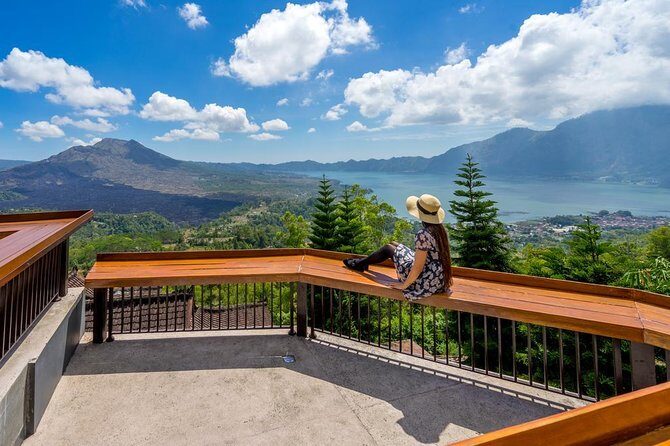
Then comes the highland payoff. You’ll reach the Mount Batur area for a buffet lunch with views of Batur Volcano and the lake. This part matters more than it sounds, because it’s the moment when your day shifts from “walking stops” to a chance to pause, eat, and look out over the scenery you’ve been traveling toward.
A buffet is practical for groups because it’s fast and adjustable—everyone gets a meal without waiting on a single plated order. It also helps keep the schedule on track, which matters on a day trip that’s roughly 9 hours total.
Here’s how I’d frame the value: the lunch isn’t just fuel. It’s timed to give you a scenic break. If you’re the type who enjoys watching weather and light change over the hills, this is the stop where you get that reward while you eat.
Ceking/Tegalalang rice terraces near Ubud
The last major sightseeing block is Ceking Rice Terrace (often also referred to as the Tegalalang rice terrace area near Ubud). This is the classic Bali “look down at terraced green” experience, but the tour positions it as a must-visit, UNESCO heritage-style setting—so you’re going to get that sense of place where rice farming shapes how the landscape reads.
You’ll spend about 1 hour here, which is enough time to walk a bit, find viewpoints, and take photos without feeling rushed through the whole area. The key is to go in with flexibility: rice terraces look different from every angle, and the best views often come after a little wandering.
Practical note: terraces can mean uneven ground. Bring footwear that can handle stairs and damp paths. And if you’re visiting in busier periods, it helps to slow down and stop where you can actually see both the rows and the valley depth.
Price and value: what $78 buys you in practice
At $78 per person, this tour sits in the “worth it if it saves you hassle” category. The value isn’t just that you get multiple stops. It’s that the day combines:
- pickup offered (so you’re not assembling separate rides),
- a private format for your group,
- admission tickets included at each listed stop,
- and a coordinated sequence that keeps you from zig-zagging across central Bali on your own.
Also, the average booking lead time is about 21 days, which hints at demand for this route (likely because it hits big “Bali checklist” experiences without making you plan them). Mobile ticket is mentioned too, which usually means less fuss on the day.
If you’re comparing options, ask yourself one question: would you pay extra to have someone drive and line up tickets while you focus on sights? If yes, this looks like solid value. If you’re the DIY type who loves long waits and independent timing, you might find cheaper ways to piece it together—but you’ll lose the convenience.
Timing, pacing, and what to pack for a 9-hour day
This plan runs about 9 hours, starting at 8:00 am. That means you should treat it like a full day, not a casual “we’ll see what happens” outing. You’re moving from site to site, with stops ranging roughly from 1 to 2 hours each, plus the lunch break.
What helps most on days like this:
- comfortable shoes for wet and uneven spots (waterfall and terraces),
- a light layer for cooler highland conditions,
- sun protection for terrace walking,
- and a rain-ready plan since the tour depends on good weather.
Because pickup is offered and the tour is private, you don’t need to fight with public transport timing. But you should still show up ready to go. Getting hungry and tired during the transit segments is normal; the buffet lunch and fixed sequence are there to keep the day from falling apart.
Who should book: nature + culture in one tight circuit
This is a great fit if you want a day that feels like central Bali in miniature: one dramatic waterfall, one ancient temple, one traditional village culture stop, and the two classic scenic viewpoints (Mount Batur area and rice terraces).
It’s also a strong choice if you care about the “guide effect.” Feedback highlights drivers like Nyoman and Katur as kind, funny, and informative, with the ability to explain what you’re seeing as you drive. That matters because it turns a list of stops into a story you can follow.
You might want to consider a different style of trip if:
- you hate early starts,
- you need lots of free time to wander slowly,
- or you’re traveling during iffy weather and really want the waterfall to be guaranteed.
Should you book the Kintamani and Tukad Cepung Waterfall Tour?
If your ideal Bali day includes both nature and culture, and you’d rather pay to have the logistics handled, then I’d say yes, book it. The route makes sense: you start with the most visually dramatic stop, then build cultural depth with Kehen and Penglipuran, and end on the scenic “wow views” of Mount Batur and the rice terraces.
My main decision point for you is simple: are you okay with a busy 9-hour schedule and the fact that good weather affects the experience? If you can say yes to both, this tour is a practical, high-value way to hit the highlights of central Bali without spending your time coordinating transport and tickets.
FAQ
What time does the tour start?
The tour starts at 8:00 am.
How long is the tour?
It’s about 9 hours.
How much does the tour cost?
The price is $78.00 per person.
Does the tour include pickup?
Yes, pickup is offered.
Are admission tickets included?
Admission tickets are included for the stops listed on the tour.
Is there lunch?
Yes. You get a buffet lunch at the Mount Batur stop with views of Batur Volcano and the lake.
Is this a private tour?
Yes. It’s a private tour, so only your group participates.
What if the weather is bad?
This experience requires good weather. If it’s canceled due to poor weather, you’ll be offered a different date or a full refund.
Who operates the tour?
The experience provider is Padi Bali Driver. Feedback includes drivers such as Nyoman and Katur.