REVIEW · UBUD
Kintamani Vulcano Tour
Book on Viator →Operated by Bali Ubud Tour · Bookable on Viator
North Bali can feel like another world from Ubud. This day plan mixes temples, volcano scenery, and rice-country views in a single 9-hour loop, with a comfort-first ride and key entry costs handled for you.
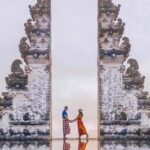
I especially like how the route is built around contrast: sacred cliff carvings and holy spring baths, then you shift to big-sky Kintamani lake-and-volcano overlooks, and end with classic Tegalalang paddies. You also get a guide-led cultural lens, with tour conductors like Kadek and Dewa known for being polite, on-time, and genuinely informative.
One thing to plan for: it’s a full day with lots of time outdoors, and lunch is not included, so you’ll want a simple strategy for food and staying comfortable.
In This Review
- Key Takeaways Before You Go
- Why This North-Bali Route Is Such Good Value From Ubud
- Pickup Timing, Private Comfort, and the Pace of the Day
- The Traditional Produce Market Stop: More Than Just Looking
- Gunung Kawi Temple: Cliff Carvings and Rice-Terrace Drama
- Tirta Empul Holy Water Temple and the Melukat Purification
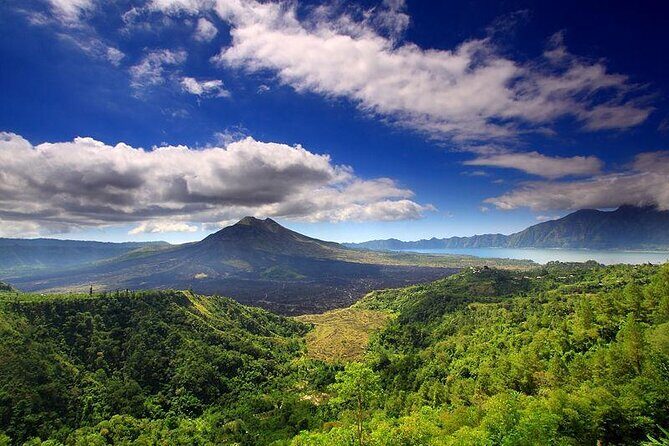
- Kintamani Highland: Mount Batur and Lake Views From the Caldera Edge
- Tegalalang Rice Terrace: The Subak System Behind the Views
- What’s Included (and What You’ll Still Need to Handle)
- Price and Value: Why $52.62 Can Feel Fair
- Guide Style Makes a Difference: Kadek and Dewa’s Strengths
- Who Should Book This Tour (and Who Might Skip It)
- Should You Book the Kintamani Volcano Tour?
- FAQ
- What time does the tour start?
- How long is the Kintamani Volcano Tour?
- Does the tour include pickup from your hotel in Ubud?
- Are temple admission tickets included?
- Is lunch included?
- Is this a private tour?
Key Takeaways Before You Go
- Cliffside Gunung Kawi: old rock carvings set inside rice terraces, not a flat, photo-only stop
- Tirta Empul’s purification ritual: you may watch the Melukat procession at the holy spring
- Kintamani for Mount Batur views: big, clear caldera scenery around Lake Batur
- Tegalalang’s rice terraces: the paddies connect to the subak irrigation tradition
- AC transport + sarong included: fewer hassles so you can focus on the stops
Why This North-Bali Route Is Such Good Value From Ubud
If you’re basing yourself in Ubud, this tour is a smart way to reach North Bali without playing transport roulette. You get a structured day that covers four major experiences: Gunung Kawi, Tirta Empul, Kintamani Highland, and Tegalalang Rice Terrace. The timing matters because each stop has its own mood, from quiet carvings to active ritual space to wide-open views.
The value isn’t just the price tag. It’s what’s already bundled: bottled water, air-conditioned vehicle time, private transportation, and all fees and taxes. Add in sarongs for temple visits, and you’re spending less mental energy on logistics.
The best part is that the day doesn’t feel like a checklist of random photos. It has a theme: Balinese spiritual life in the morning, then the geology and farming landscape that shapes daily life north of town.
You can also read our reviews of more tours and experiences in Ubud.



Pickup Timing, Private Comfort, and the Pace of the Day
The tour starts at 9:00 am and runs about 9 hours. That long, full-day format can be great, as long as you go in with realistic expectations: you’ll be traveling between stops, and you’ll want to stay flexible when it comes to time at each location.
Because this is a private tour/activity, it’s only your group. That matters more than people think. You’re not constantly waiting for strangers, and the driver can usually keep the day smooth even if someone needs an extra minute at a viewpoint or in a temple area.
The vehicle is air-conditioned, which is a big deal in Bali. In the heat, it turns “long drive” into “long-but-manageable drive,” especially if you’re traveling with family or just want your day to feel easier.
The Traditional Produce Market Stop: More Than Just Looking
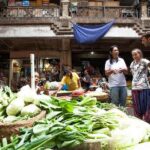
Before the temple circuit, you’ll visit a traditional produce market that serves local villages. This is one of those stops that can feel small on paper, but it’s a great way to ground the day in real daily life.
Markets like this help you understand what the rest of the tour is built on. Temples aren’t isolated artifacts here; they sit inside an everyday culture of farming, food, and offerings. If you’re paying attention, you’ll likely notice how food, ingredients, and routine all connect.
Practical tip: treat this as a sensory stop, not a shopping marathon. You’ll get more out of it if you slow down for a few minutes and look at what people are buying and how sellers organize daily goods.
Gunung Kawi Temple: Cliff Carvings and Rice-Terrace Drama
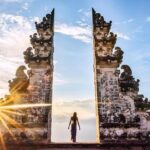
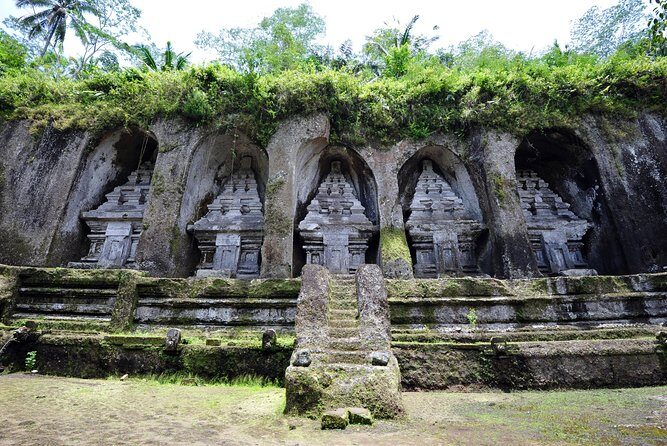
Gunung Kawi is the kind of temple that makes you stand still. The setting is part of the attraction: large old carvings are carved into cliffs, and the temple sits in an area surrounded by rice terraces.
Built in the late 11th century, it’s the sort of place where you can see time layered into stone. You’re not just walking past pretty buildings. You’re dealing with rock carvings in a landscape that still looks agricultural and lived-in.
The tour includes admission and sets aside about 1 hour at this stop. That’s usually enough time to take in the carvings, walk the terrace views, and get photos without feeling rushed.
One consideration: stone and steps mean you’ll want comfortable footwear. Even if you’re not planning to go deep into every corner, temple sites like this demand stable footing.
Tirta Empul Holy Water Temple and the Melukat Purification
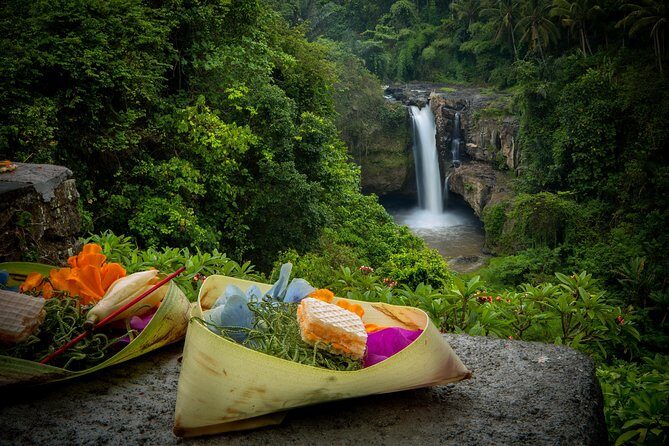
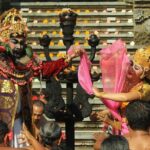
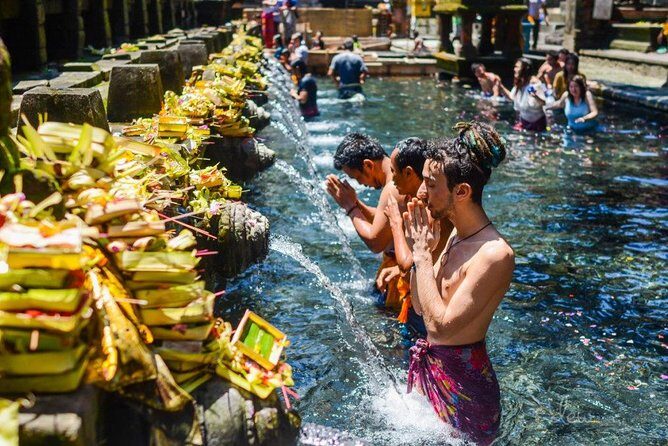
Tirta Empul is centered on a sacred spring believed to have magic curative power, bubbling up in the inner courtyard. It’s one of Bali’s most famous holy water temple experiences, and it’s spiritually active.
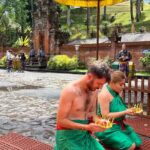
What makes it compelling is that you may be able to watch the Hindu Melukat procession, which involves a purifying bath. This isn’t a staged show in the tourist sense. It’s part of ritual practice, and the atmosphere tends to feel focused and respectful.
You’ll get around 1 hour here, and admission is included. The tour also provides a sarong for temple visits, which makes it easier to follow the dress rules without scrambling for one at the last minute.
Practical respect note: treat this stop like a place of worship. Keep your voice low, give people space, and avoid turning the moment into a free-for-all photo session. If you do that, you’ll enjoy it more, and you’ll get better views too.


Kintamani Highland: Mount Batur and Lake Views From the Caldera Edge
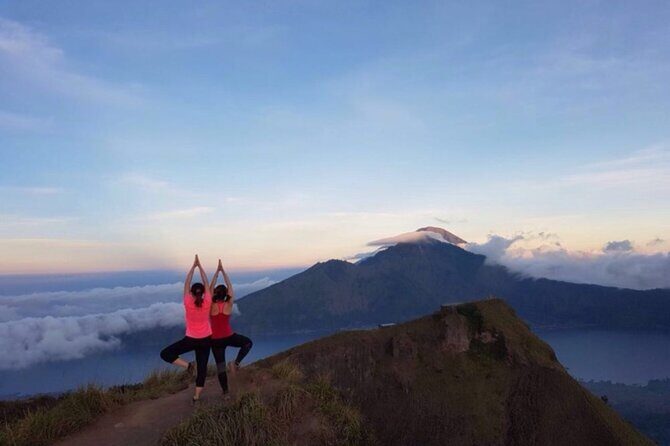
After the temples, the day shifts into pure scenery. North-eastern Bali around the Mount Batur caldera is known as Kintamani, and the area includes villages like Penelokan, Toya Bungkah, Batur, Kedisan, Abung, Songan, and Kintamani itself.
This stop is where you look outward. The highland viewpoint area is known for very beautiful views around Lake and Mount Batur. You’re trading the close-up world of ritual and carvings for wide-open geography—volcano slopes, lake water, and the dramatic sense of place that comes with Bali’s volcanic interior.
The tour schedules about 1 hour at Kintamani, which is enough to:
- enjoy the main viewpoint
- take photos in daylight
- breathe a bit before returning toward Ubud
One thing to consider: weather can change. If clouds roll in, the views may be less dramatic than you hoped. Still, even when it’s not crystal-clear, the caldera scenery is visually interesting.
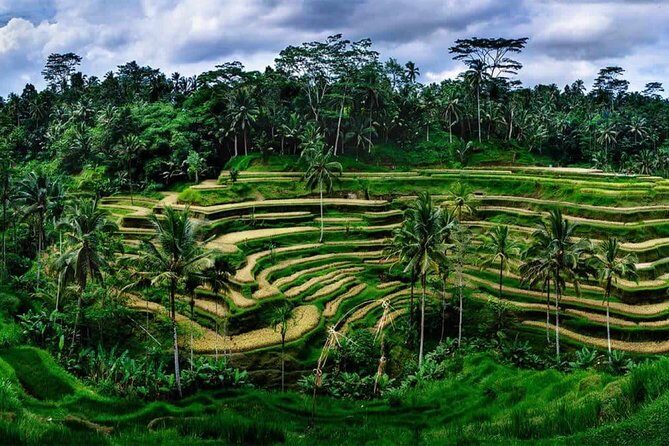
Tegalalang Rice Terrace: The Subak System Behind the Views
Tegalalang rice terraces are the Bali cliché people actually should like. They’re famous because they’re beautiful, yes—but also because the irrigation system behind them is part of the story.
The paddies here are tied to subak, the traditional Balinese cooperative irrigation system passed down through generations. It’s not just a technical detail. It’s the reason farmers can keep rice growing with shared water management, and it helps explain why these landscapes look the way they do.
You’ll have about 1 hour at Tegalalang, and admission is included. This gives you time to walk along viewpoints and find angles that show the terrace lines.
Practical tip: go slow on stairs and narrow paths. The terraces are often uneven, and after hours of driving and temples, you’ll appreciate comfortable pacing.
What’s Included (and What You’ll Still Need to Handle)
This tour is built to remove common day-trip headaches. Included perks:
- bottled water
- air-conditioned vehicle
- private transportation
- all fees and taxes
- sarong for temple visits
What’s not included:
- lunch
- personal expenses
So here’s your simple plan: eat before you start, then treat lunch as your own choice mid-day. If you’re sensitive to long days, consider packing snacks or planning a place near one of the breaks (without assuming your driver will guarantee it).
Clothing matters too. For temple visits, you’ll have the sarong covered. Still, wear breathable clothes and bring something light for comfort. You’ll be outside, and you’ll likely be walking.
Price and Value: Why $52.62 Can Feel Fair
At $52.62 per person, this tour can be a good deal if you compare it to the real cost of doing this yourself. The biggest reason: you’re not just paying for a car ride. You’re paying for:
- an air-conditioned private vehicle
- admission tickets and required fees
- sarongs for temple visits
- bottled water
Even if you’re good at arranging transport, you still have to navigate timing between stops and solve the ticket and temple dress details on your own. Here, those pieces are bundled.
The value gets stronger if you’re booking as a small group. The tour listing mentions group discounts, which means multiple people can reduce the cost per head even if you want the private experience.
Is it the cheapest option? Maybe not. But it’s often the most stress-free option for a day that would be harder to coordinate between temples and viewpoints across North Bali.
Guide Style Makes a Difference: Kadek and Dewa’s Strengths
What stands out most from the best experiences people report is the human factor: the driver-guide style.
For example, Kadek is described as very polite and informative, with a safe driving approach and a tendency to add educational moments beyond just transport. Dewa is praised for being right on time and fantastic as a guide, with lessons that connect local culture to what you’re actually seeing. When a guide can explain why a place matters, the day stops being just sightseeing.
If you care about cultural context—not just photos—this is a tour structure that supports that kind of learning. You’ll spend time in ritual spaces and historic temple settings, so having someone explain the basics helps a lot.
Who Should Book This Tour (and Who Might Skip It)
This tour fits you well if you:
- want a single day to cover temples + volcano views + rice terraces
- prefer private comfort with an air-conditioned vehicle
- like cultural context and respectful explanations
- are staying in Ubud and want an easy way to reach North Bali
You might skip it if:
- you hate full-day schedules and long drives
- you want a lot of free time to wander without structure
- you need lunch included and don’t want to plan around it
Still, for most people using Ubud as a base, this is one of the more practical ways to see the north without turning your trip into a logistics project.
Should You Book the Kintamani Volcano Tour?
I’d book this tour if you want an efficient, culturally grounded North Bali day that doesn’t leave you juggling tickets, transport, or temple prep. The price feels reasonable for what’s included, and the itinerary flow makes sense: sacred sites first, then big scenery, then farming landscapes.
If you’re choosing between “temple-only” or “views-only” tours, pick this one. The mixture is the point. You’ll go from cliff carvings and holy spring purification to Mount Batur caldera views and Tegalalang rice terraces, all in one trip.
If you’re picky about comfort, don’t worry: the AC vehicle, bottled water, and sarong help keep the day smooth. Just remember lunch is on you, and plan footwear for steps at temple sites.
FAQ
What time does the tour start?
The tour start time is 9:00 am.
How long is the Kintamani Volcano Tour?
It runs about 9 hours.
Does the tour include pickup from your hotel in Ubud?
Pickup is offered, so you can arrange to be collected through the tour.
Are temple admission tickets included?
Yes. Admission tickets are included for the temple stops, and all fees and taxes are covered.
Is lunch included?
No. Lunch is not included, and you’ll need to cover it yourself.
Is this a private tour?
Yes. It’s a private tour/activity, meaning only your group participates.