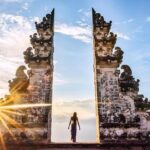
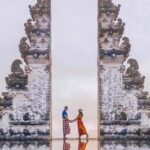
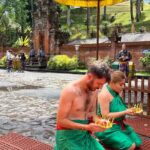
Cleanse your worries in holy spring water.
This private Melukat ceremony at Tirta Empul Temple is more than a quick stop. You’ll get a local-style temple walkthrough, then join the ritual with help from your guide as you make offerings and participate in the cleansing tradition.
I especially love that you can ask questions freely with a private guide. I also love that the essentials for the ritual are handled for you, including a sarong and ceremony setup, so you can focus on doing it the right way.
One practical catch: shuttle transport is not included, so you’ll need to handle your own ride to the temple and back.
In This Review
- Key things to know before you go
- Tirta Empul Temple: why this cleansing ritual matters
- Private guide and temple rules: your attire and mindset
- What happens during the Melukat ceremony step-by-step
- The temple tour part: history, architecture, and what to look for
- Timing in Ubud: early morning vs late afternoon choices
- Early morning is your crowd-control move
- Late afternoon can mean colder water
- Price and value: what your $29 includes (and what it doesn’t)
- Getting to Tirta Empul without a shuttle: plan your ride
- What to bring: the stuff that keeps the day comfortable
- Who this tour suits best (and who should think twice)
- Tips to make the most of your visit
- Should you book this Melukat ceremony at Tirta Empul?
- FAQ
- FAQ
- How long does the Tirta Empul Temple and Melukat ceremony tour take?
- What is included in the $29 ticket price?
- Do I need to arrange my own transport to the temple?
- What should I wear during the ceremony?
- What should I bring with me?
- Can anyone participate in the ceremony?
- Do I need a WhatsApp number for booking?
Key things to know before you go
- Private group experience: only your group joins, so the pacing feels human.
- Attire and ritual materials included: sarong and a simple top, plus ceremony materials.
- Two timing options to beat crowds: early morning or late afternoon slots.
- Guides explain the meaning of each step: you’re not just following motions.
- Locker included: you’ll have a place for your stuff during the ceremony.
- Bring a change of clothes: you’ll want to dry off and change afterward.
Tirta Empul Temple: why this cleansing ritual matters
Tirta Empul is famous for its holy spring water, used for ritual purification in Balinese Hindu life. The Melukat ceremony is the part visitors remember: you’re not just looking at a temple—you’re actively participating in a tradition that locals treat as a serious spiritual practice.
What makes this tour feel different from a standard temple visit is the guidance. A good guide helps you understand why each step exists and what to do so you don’t feel awkward in the middle of something sacred. When you know what you’re doing, the whole thing lands better.
Also, this is one of those Bali experiences that can be calming instead of exhausting. You spend time in a place locals come to seek purification, which tends to reset your mindset quickly—especially if you chose the early slot.
You can also read our reviews of more tours and experiences in Ubud.



Private guide and temple rules: your attire and mindset
Before you enter, you’ll go through the practical basics of temple etiquette. You’ll rent a sarong and wear a top that covers your shoulders, along with short bottoms (above the knee). This keeps things respectful and also makes it easier for you to move around the temple area.
Your guide will also help you get ready for the ceremony itself. In past tours, guides such as Botak, Dana, Ketut, Kadek, Dewa, Komang, and Agung are noted for walking people through the process step-by-step—what’s happening, what it means, and how to do it correctly. That kind of coaching matters, because Melukat isn’t a performance; it’s a lived ritual.
Here’s what I’d treat as your mindset check: go in with a calm pace. You don’t need to be overly serious, but you should be respectful. If you’re thinking about your schedule or taking a long list of photos, the ritual may feel like a checklist. If you slow down, it feels more like a personal reset.
What happens during the Melukat ceremony step-by-step
The ceremony centers on purification in the sacred spring water. After your guided temple exploration, you’ll join the ritual using the ceremony materials provided as part of the tour.
The general flow you can expect:
- You’re prepared with the right attire (sarong and simple clothing).
- You participate in offerings as guided.
- You do the ritual cleansing in the holy water, following instructions from your guide.
- You finish the experience after the cleansing portion, then transition back out to the temple area.
The key value here is instruction. People often get nervous about whether they’re doing it right. With a private guide, you can ask questions as you go, and your guide can correct your timing or posture if needed. That turns an intimidating ritual into something understandable and meaningful.
And yes, it’s physical. You’ll be dealing with water, plus the movement between ritual areas. If you’re sensitive to cold water, plan your timing carefully (more on that below).
The temple tour part: history, architecture, and what to look for
You get more than the water ritual. This experience includes a guided walk of the Tirta Empul Temple grounds, where your guide explains the site’s spiritual importance and tells you about the temple’s setup and design.
What helps is the way the tour ties details together. When a guide connects architecture and ritual use, you start noticing patterns—like how different sections support the ceremony flow. It also helps you understand why locals move the way they do.
In guides who’ve led this before (like Dana and Ketut), the common theme is clear explanations. They tend to answer questions beyond the basics, including how the ritual works and the meaning behind parts of the ceremony. If you’re the type who likes to know what something symbolizes, this tour fits you well.
Timing in Ubud: early morning vs late afternoon choices
This tour offers both early morning and late afternoon/later day options, and that’s not just a convenience—it’s smart strategy.





Early morning is your crowd-control move
If you want the calmer feel, early morning is usually the play. You get the benefit of cooler conditions and fewer people competing for attention in a place where you’re meant to slow down and focus.
Late afternoon can mean colder water
If you pick the later slot, plan for the real possibility of cold spring water. One practical tip: bring your confidence, not your expectations of warm water. If you’re doing Melukat primarily as a spiritual practice, you’ll likely adapt. If you’re someone who hates cold shocks, consider booking early.
Either way, the timing choice makes your experience smoother. You’re less rushed, and you can better absorb what your guide is explaining.
Price and value: what your $29 includes (and what it doesn’t)
For $29 per person, this isn’t just a ticket. You’re getting a package built around the ritual, including:
- Entrance fee
- Attire rental: sarong and a simple top (not the full traditional dress)
- Ceremony materials
- English speaking guide
- Locker
- A private experience for your group
This adds up fast. Temples charge entry, and attire rentals are usually separate elsewhere. Plus, you’re not just getting a guide for walking around—you’re getting help with the ritual steps, which is where many people need the most support.
What’s not included is shuttle transport. That’s the one extra cost you might need to plan for, depending on where you’re staying in Ubud. Still, if you’re already comfortable using a taxi/ride option, it’s easy enough to manage—and the time you save by going with an organized ritual plan can be worth it.
Getting to Tirta Empul without a shuttle: plan your ride
The experience starts and ends back at the meeting point at Pura Tirta Empul, Tampaksiring, Gianyar Regency. Since shuttle transport isn’t included, you’ll want to arrange your own transportation.
Practical advice:
- Give yourself a little buffer time. Temple timing and ceremony readiness can be sensitive.
- If you’re splitting up with friends or traveling with a larger group, confirm pickup timing on the day.
- If you’re using a driver, ask them to wait near the meeting point so you don’t lose time before your guide finds you.
This tour is designed as a private group session, so once you’re there, the flow should be smooth. The only weak point is getting to the right place on time, and that’s on your ride planning.
What to bring: the stuff that keeps the day comfortable
Because you’re participating in a water ritual, packing smart is more important than packing light.
Bring:
- A change of clothes, including underwear
- A towel
- Your temple-appropriate outfit basics (shoulders covered; bottoms above the knee)
Also, plan to handle wet items right away. The tour includes a locker, which helps, but you still want your own towel and backup clothes so you can change without scrambling.
If you’re prone to feeling uncomfortable after being wet, treat the towel and underwear as non-negotiable. This is what keeps the experience from ending in a rushed, miserable scramble.
Who this tour suits best (and who should think twice)
This experience is set up for most travelers, and the private guide format makes it friendly for first-timers. It’s especially good if:
- You want a spiritual tradition with context, not just sightseeing.
- You like asking questions and getting direct answers.
- You want an experience that feels personal, paced by your guide.
You should think carefully if:
- You’re unable to participate in temple entry due to menstruation. The tour states this is strictly not allowed. If you menstruate after booking, you can request a refund or reschedule.
- You dislike cold water and are set on a later-day slot. Early timing is the safer comfort bet.
If you’re celebrating something, this can also be meaningful. Some people have included it in personal milestones like wedding festivities, and it makes sense: it’s a spiritual blessing moment with a clear ceremony structure.
Tips to make the most of your visit
A few small choices can make the biggest difference:
- Ask questions early. When you understand why you’re doing something, the ritual feels more respectful and less confusing.
- Treat it like a ceremony, not a photo shoot. Photos can happen, but your focus is cleansing and offerings.
- Choose your timing based on comfort. Early morning often feels easier; afternoon may mean colder water.
- Use the locker. It helps keep your day organized while you’re in ceremony mode.
- Follow your guide’s pacing. Private tours still have temple flow rules, and your guide will keep you aligned.
The guides leading these sessions have a pattern: they don’t just point; they explain. That’s why you’ll feel less lost and more connected to what you’re doing.
Should you book this Melukat ceremony at Tirta Empul?
If you want a Bali experience that goes beyond temples-as-backdrops, I think this is a smart booking. The private guide helps you understand the steps, and the tour includes the key items you’d otherwise have to figure out on your own (sarong, ceremony materials, entrance, and a locker).
Book it if:
- You’re drawn to purification rituals and want the meaning behind what you’re doing.
- You prefer smaller, private pacing over crowds.
- You’re ready to bring a towel and change of clothes and commit to the water portion.
Skip or reschedule if:
- Temple entry isn’t possible for you due to the rules around menstruation.
- You’re expecting warm water and you tend to struggle with cold.
Bottom line: for $29, you’re buying a structured, guided participation in one of Bali’s most famous purification traditions—without extra hassle once you’re at Tirta Empul.
FAQ
FAQ
How long does the Tirta Empul Temple and Melukat ceremony tour take?
It takes about 1 to 2 hours.
What is included in the $29 ticket price?
The tour includes the entrance fee, attire rental (sarong and a simple top), ceremony materials, an English speaking guide, and a locker.
Do I need to arrange my own transport to the temple?
Yes. Shuttle transport is not included. The activity starts and ends back at the meeting point near Pura Tirta Empul in Tampaksiring.
What should I wear during the ceremony?
Wear a top that covers your shoulders and short bottoms that are above the knee (such as shorts or a short skirt).
What should I bring with me?
Bring a change of clothes, including underwear and a towel.
Can anyone participate in the ceremony?
Most travelers can participate, but menstruating travelers are strictly not allowed to enter the temple. If you menstruate after placing a booking, you can request a refund or reschedule.
Do I need a WhatsApp number for booking?
Yes. You must enter your WhatsApp registered phone number when booking so the team can reach you.