REVIEW · DENPASAR
Nusa Dua: Museum Pasifika Admission Ticket with Audio Guide
Book on GetYourGuide →Operated by Globaltix Indonesia · Bookable on GetYourGuide
Art you can take at your own pace.
Museum Pasifika in Nusa Dua is a calm, curious museum day where you walk through 600+ artworks and spot how Indonesian art and visiting artists connected with the wider Asia-Pacific world. What I like most is the audio guide, which helps you make sense of names, styles, and themes as you go, and the museum’s mix of painting, sculpture, and the Pacific Oceania focus. One drawback to plan for: it can feel humid in spots, and some galleries aren’t strongly climate controlled, so bring light layers and expect slower, lingering viewing.
This is a self-paced visit (valid for your date) with a one-day window, so you can do it like a quick loop or a relaxed crawl through the rooms. You’ll also get practical comforts included with admission: a cold towel, refreshments, and drinks like tea, coffee, or infused water—handy in Bali’s heat. Skip it only if you’re hunting for a polished, modern “air-conditioned-instant-wow” experience instead of art you actually sit with.
In This Review
- Key Highlights You’ll Care About
- Entering Museum Pasifika: Your Easy, Self-Paced Bali Day
- How the Audio Guide Makes the Art Click
- Indonesian Masters and the Asia-Pacific Painting Rooms
- Indo-European Rooms: When Europe Looked at Indonesia and Bali
- The Michoutouchkine & Pilioko Oceania Collection: The Sculpture That Steals Time
- Legendary Western Artists Exhibition: Gauguin and the Asia Connection
- A Worthwhile Refresh: Drinks, Cold Towel, and Museum Breaks
- Photography Rules and Comfort: What to Expect in Bali Humidity
- Price and Value: Why This Feels Like a Bargain in Nusa Dua
- Who Should Book Museum Pasifika (and Who Might Skip It)?
- Should You Book This Nusa Dua Museum Ticket?
- FAQ
- How long is the Museum Pasifika visit with this ticket?
- What’s included with admission?
- What languages is the audio guide available in?
- Where do I check in or show my ticket?
- Is the museum wheelchair accessible?
- Are flash photography and tripods allowed?
- Can children enter for free?
Key Highlights You’ll Care About
- 600+ artworks by 200 artists across historic and contemporary painting and sculpture
- Audio guide in English or Indonesian to help you read the collection room by room
- Indonesian Masters such as Raden Saleh, Affandi, and Hendra, plus others including Lempad and Kobot
- Michoutouchkine & Pilioko Oceania collection: about 200 sculptures from 10 Pacific nations
- Western artists with Asia connections, including Paul Gauguin’s Tahiti period works
- Onsite extras: cafe, free Wi‑Fi, and a large parking area
Entering Museum Pasifika: Your Easy, Self-Paced Bali Day
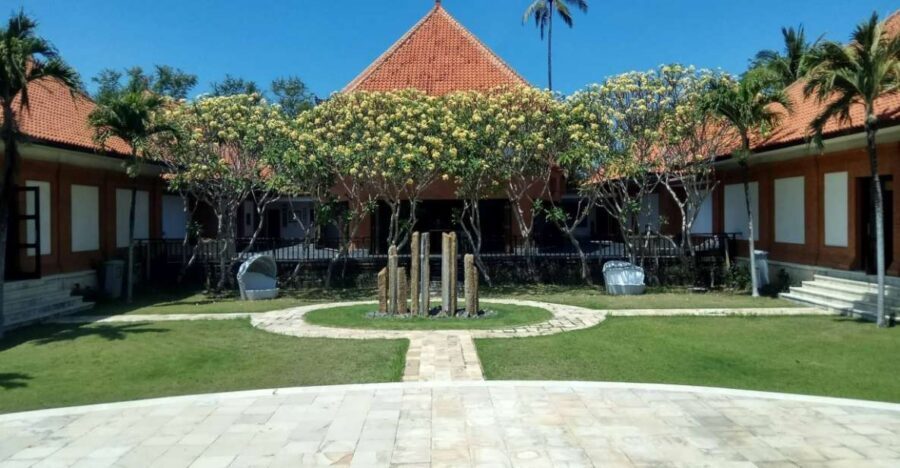
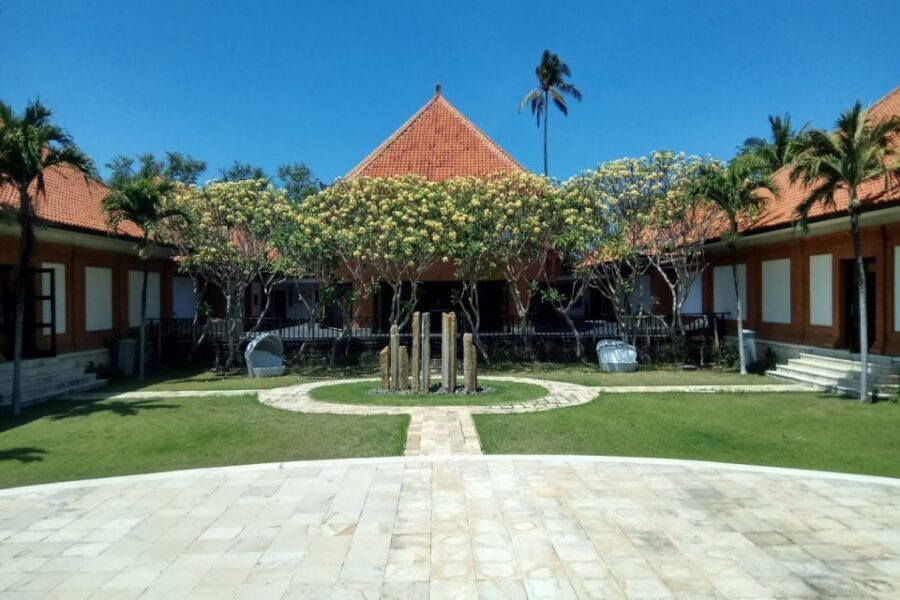
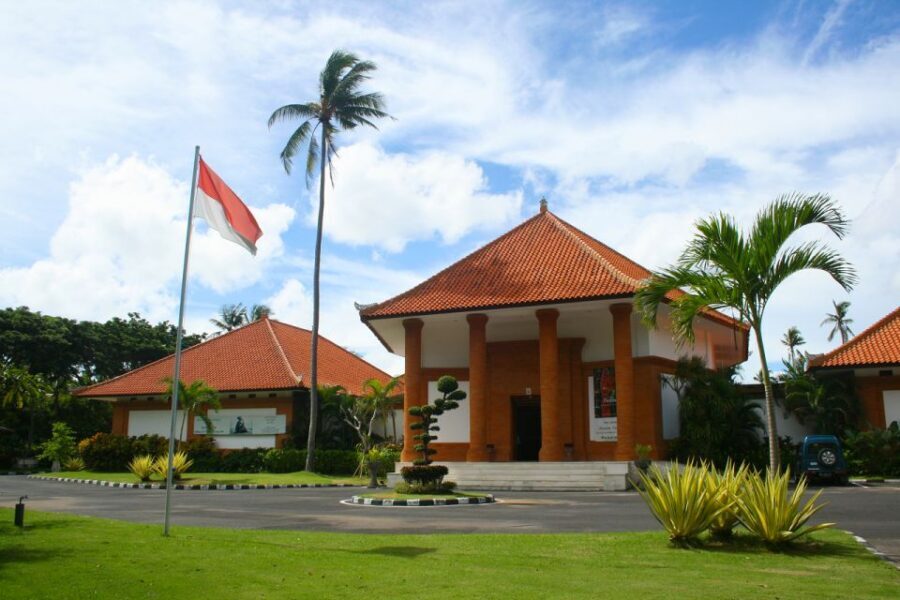
Museum Pasifika sits in Nusa Dua, in a setting that feels more relaxed than many big-city museums. When you arrive, you’ll show your ticket at the reception area and get set up for the galleries. There’s no need to stress about a rigid schedule. The whole point here is that you can wander, stop, and re-read the same wall label if the art is pulling you in.
Admission includes more than just access. You’ll get an audio guide, plus refreshments, drinks (tea, coffee, or infused water), and a cold towel. That may sound like small stuff, but in Bali it matters. A cold towel gives you a quick reset after walking around, and the drinks keep you from spending the whole visit hunting for hydration.
Before you go further, take a minute to learn the rules. Flash photography is not allowed. Tripods are also not allowed. And of course, no sharp objects or weapons. It’s the kind of museum where people generally want you to enjoy the art quietly, not film it like a concert.
You can also read our reviews of more tours and experiences in Denpasar
How the Audio Guide Makes the Art Click
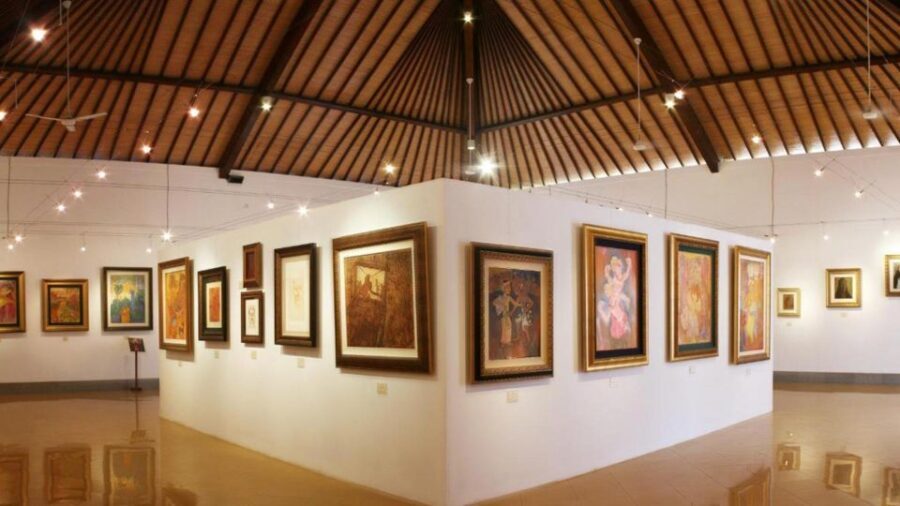
If you’ve ever walked through a museum and thought, I get that this is important, but why… the audio guide is the fix. Museum Pasifika’s audio guide is included, with English and Indonesian options. You’re not stuck with vague impressions—you get help connecting artists, movements, and themes.
Here’s the practical value: the collection covers a lot of ground—Indonesian Masters, Indo-European artists inspired by Asia (especially Indonesia and Bali), and major Pacific sculpture traditions. Without guidance, it’s easy to treat everything like “pretty rooms.” With the audio guide, you can notice patterns:
- which artists influenced which styles
- how European artists looked at Indonesia and Bali
- how Pacific sculpture carries different meanings than Western museum expectations
- how contemporary interpretations relate to older traditions
One more tip: don’t rush the audio. Hit play, but then pause to actually look—at materials, posture, brushwork, carving details, or the way sculptures are grouped. The audio guide works best when you treat it like a conversation, not a lecture you finish.
Indonesian Masters and the Asia-Pacific Painting Rooms
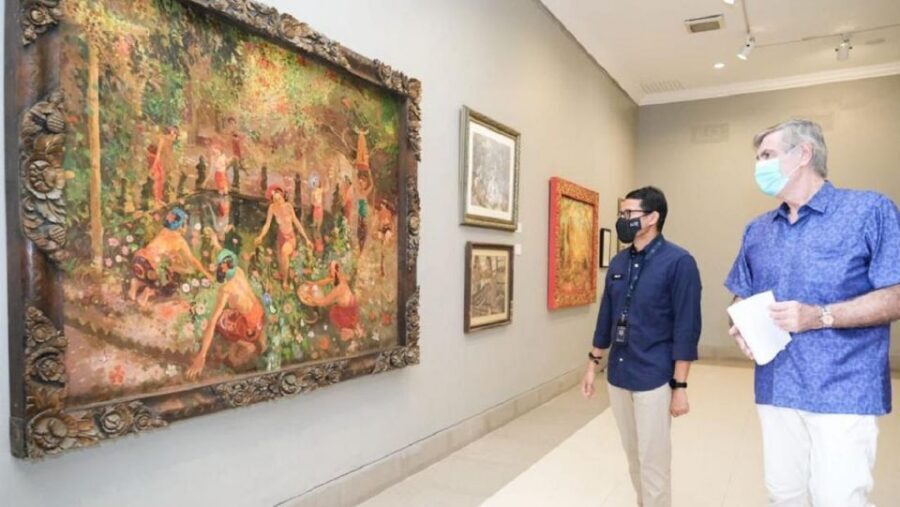
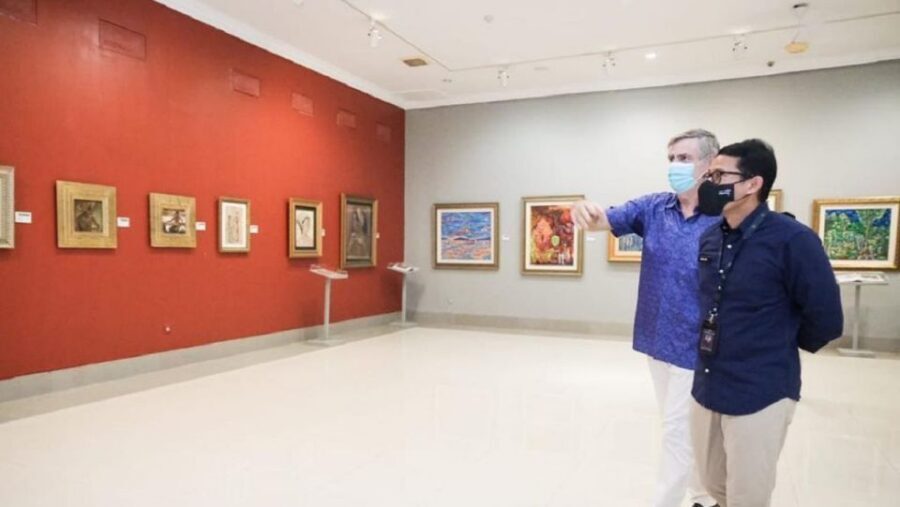
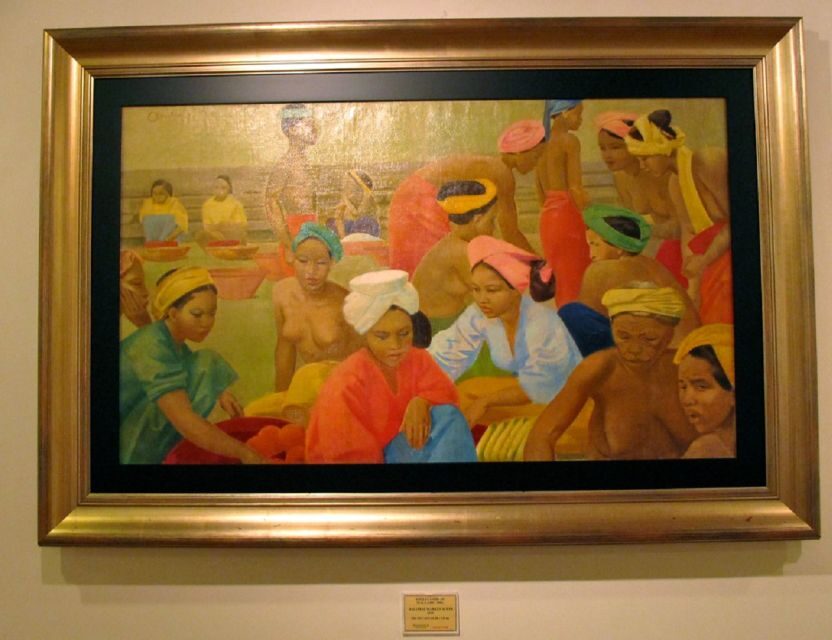
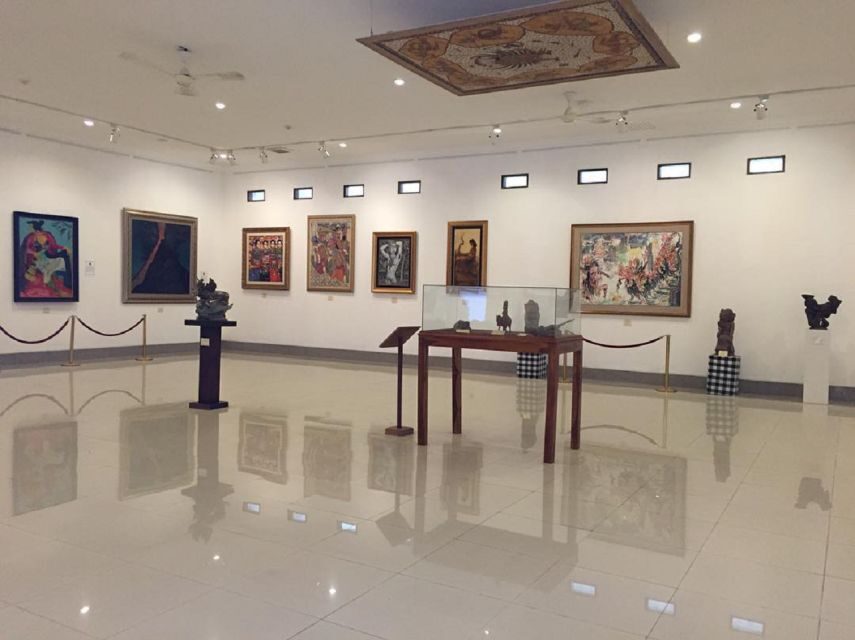
The museum’s painting galleries are where the visit often turns from “nice museum” into “wait, this is really good.” You’ll see a large range—historic and contemporary works—along with standout artists tied to Indonesia’s art story.
Some of the names you should look out for include:
- Raden Saleh
- Lempad
- Affandi
- Hendra
- Kobot
What makes this part rewarding is the variety of approaches. Even if you don’t know the artists, you can still sense the different moods: different brush rhythms, different uses of light and form, and different ways of representing people and place. The museum isn’t just repeating one style—it’s showing how Indonesian art has room to breathe and evolve.
There’s also an excellent logic to how the collection is presented. The museum links Indonesian Masters with other regional influences, including artists inspired by the Asian continent. That creates a more complete picture of how art travels, changes, and adapts.
If you want a good strategy, do this: start with one or two paintings you’re drawn to, then use the audio guide to get context before you move on. It helps you avoid the “scan and forget” trap that happens in museums with many rooms.
Indo-European Rooms: When Europe Looked at Indonesia and Bali
One of the museum’s most interesting ideas is how it stages artists with Indo-European connections—people whose work reflects encounters with Asia, especially Indonesia and Bali. These rooms help you see that the relationship wasn’t one-way. European artists weren’t just copying; they were responding to new subjects, landscapes of daily life, and local artistic energy.
You’ll come across creators associated with Italian, French, and Dutch circles. Names to keep an eye out for include:
- Walter Spies
- Miguel Covarrubias
- Jean Le Mayeur
- Charles Sayers
As you move through these areas, try looking beyond the obvious subjects. Ask yourself what changes in the way the painter composes a scene, or what shifts in mood and color compared to European work you might have seen elsewhere. Even without formal art history, you’ll start feeling the difference between Western expectations and what the artists actually experienced.
There’s also mention of works by students from the “Beaux-Arts” School of Hanoi, recognized in contemporary international exhibitions and publications. That’s a nice reminder that Asia-Pacific art isn’t locked into the past. It keeps moving, training new eyes, and finding new platforms.
The Michoutouchkine & Pilioko Oceania Collection: The Sculpture That Steals Time
If you only have time for one major section, plan for the Pacific sculpture collection. Museum Pasifika houses the Michoutouchkine and Pilioko Collection of Premier Art of Oceania, a set of about 200 sculptures from 10 Pacific nations. The collection was gathered over roughly 50 years by the two artists, which matters because it shapes the museum’s sense of coherence—you’re not looking at random one-offs.
Here’s what I love about this part as a visitor: sculpture often works better when you slow down. You’ll likely find yourself walking different angles, noticing how carvings reflect different cultural priorities—some focus on figure presence and posture, others on symbolism in form, surface, and proportion.
And because the collection draws from multiple nations, you’re not just seeing one Pacific “style.” You’re seeing variety, connected by a broader Oceania focus. The museum makes it easy to compare and contrast, even if you don’t have a degree in anthropology.
One practical note: since the museum includes multiple types of works, you may want to switch your pace here. Spend more time with fewer sculptures rather than trying to “cover everything.” This section rewards attention more than speed.
Legendary Western Artists Exhibition: Gauguin and the Asia Connection
Another major highlight is the Legendary Western Artists Exhibition. This is where the museum leans into famous names—but frames them through their experience with the Asia-Pacific world.
Paul Gauguin’s Tahiti period pieces are included, including sculptures and woodcuts tied to that period. Gauguin alone is reason enough for many art lovers to make a stop, but the museum also includes works by other big names influenced by time in Asia or connected to the Asia experience, such as:
- Henri Rousseau
- Henri Matisse
- Auguste Rodin
- Marvina Hoffmann
- Bernard Buffet
What makes this section more than a celebrity checklist is how it fits into the museum’s overall storyline. Earlier rooms show how artists looked toward Indonesia and Bali and responded with new ways of seeing. Then this section brings in the famous Western art figures whose Asia encounters shaped their work.
If you like art history but find it hard to stay engaged, this is a good compromise. You can recognize names quickly, then use the audio guide to get the “what changed and why” angle.
A Worthwhile Refresh: Drinks, Cold Towel, and Museum Breaks
Small comfort details make this visit feel easier. Admission includes refreshments, a cold towel, and drinks such as tea, coffee, or infused water. That means you’re not forced to stop your museum flow just to find something to drink.
Also keep an eye out for the onsite café and free Wi‑Fi. If you want to plan the rest of your day in Nusa Dua—dinner, a beach stop, or a next museum—you can do it without leaving the area.
This matters when you’re planning a Bali day with heat and traffic. Museum time can be great because it’s controlled and indoor, but you still need to stay hydrated and give yourself short breaks.
Photography Rules and Comfort: What to Expect in Bali Humidity
This museum is an indoor walk, but it’s still Bali. One concern that comes up is that there isn’t strong climate control in every area. Some galleries can feel humid, and doors may be left open. I’m not saying it will be miserable—just don’t treat this like an icebox. Plan your outfit and pace accordingly.
Practical comfort tips:
- Wear light, breathable clothing and expect some humidity
- Use the included cold towel to reset when you feel sticky
- Bring water habits into your rhythm: short drink stops instead of waiting until you’re thirsty
- Take your time with sculptures, but keep an eye on fatigue so you don’t burn out halfway
On the rules side:
- Flash photography is not allowed
- Tripods are not allowed
- Sharp objects and weapons are not allowed
So if you’re planning for photos, just assume it’ll be phone-and-eye viewing, not long tripod sessions.
Price and Value: Why This Feels Like a Bargain in Nusa Dua
At about $7 per person for a 1-day admission ticket, this is strong value—especially because it includes more than entry. You also get:
- the audio guide
- refreshments
- a cold towel
- drinks (tea, coffee, or infused water)
Museums in tourist areas can charge a premium just for doors. Here, you’re paying for actual content and support that helps you enjoy it. And the collection size is not small: 600+ artworks by 200 international artists, plus the large Oceania sculpture collection.
To decide if it’s a good fit for you, think about your style. If you like museums where you can wander, learn at your pace, and notice connections between different art worlds, you’ll likely feel you got your money’s worth quickly. If you hate humidity and need very cold air, you might want to time your visit when you can tolerate a slower indoor day.
Who Should Book Museum Pasifika (and Who Might Skip It)?
I think Museum Pasifika is best for:
- art lovers who enjoy both painting and sculpture
- people who want a museum day without the stress of guided schedules
- travelers interested in Pacific art traditions and how they’re presented in a global museum setting
- anyone who likes recognizable names like Gauguin, Matisse, or Rodin, but also wants context
You might skip it if:
- you need a tightly climate-controlled museum from start to finish
- you’re only looking for one small section and would rather spend time on something with a shorter, more predictable route
- you’re coming mainly for nightlife or beach time and don’t want a structured indoor block
Should You Book This Nusa Dua Museum Ticket?
If you want a calm, art-focused day in Nusa Dua, I’d book it. The value is excellent for what you get: audio guide help, a huge mix of works, and included comforts like refreshments, drinks, and a cold towel. The Pacific sculpture section is a standout, and the Indonesian Masters and Indo-European rooms give the visit real depth.
Just plan realistically for Bali conditions. Wear light clothes, expect some humidity, and don’t treat this like a perfectly air-conditioned escape. If you go in with the right expectations, you’ll probably leave with at least one section that really stayed with you.
FAQ
How long is the Museum Pasifika visit with this ticket?
The ticket is valid for one day, for your chosen visit date.
What’s included with admission?
Admission includes the ticket, an audio guide, refreshments, a cold towel, and drinks such as tea, coffee, or infused water.
What languages is the audio guide available in?
The audio guide is available in English and Indonesian.
Where do I check in or show my ticket?
Show your ticket at the reception area for Museum Pasifika Bali.
Is the museum wheelchair accessible?
Yes, the museum is wheelchair accessible, and facilities are wheelchair and motorized wheelchair accessible.
Are flash photography and tripods allowed?
Flash photography is not allowed, and tripods are also not allowed.
Can children enter for free?
Children aged 0-11 can enter free of charge.