REVIEW · UBUD
Overnight Mount Ijen Blue Fire Trekking Tour From Bali
Book on Viator →Operated by Bali Tour Organizer · Bookable on Viator
Ijen at night can feel unreal. This overnight trek from Bali is built to take the stress out of getting there, then hand you a guide, a route, and the safety basics you need. You’ll start with an organized pickup around Bali, cross by ferry, drive into East Java, and hike up toward the Ijen crater viewpoints when the volcano is most active.
Two things I really like about this tour are how the logistics are handled and how safety gear is included. You don’t have to sort tickets, entrance fees, or transport costs on your own, and you’re provided a respirator gas safety mask for the sulfur fumes near the crater area.
One possible drawback to consider: blue flames and the clearest views depend on conditions. Even with a great guide and a solid route, the night can be less dramatic if visibility is poor or the flames are faint.
In This Review
- Key highlights you’ll actually care about
- Why This Ijen Overnight Route Works From Bali
- Pickup Timing: Getting Ready Before the Ferry Grind
- Crossing to Java: What the Ketapang Handoff Means
- The Hike to the Crater Standpoint: Pace, Dark Steps, and Expectations
- At Ijen Crater: Blue Flames, Sulfur Air, and the Lake Visibility Factor
- Return to Bali: Staying Upright After a 16–18 Hour Day
- Price and Value: Is $144 a Fair Deal for Ijen?
- Who This Tour Fits Best (and Who Might Prefer Something Else)
- Should You Book This Overnight Mount Ijen Blue Fire Trek From Bali?
- FAQ
- How long is the overnight Mount Ijen trek?
- Where is pickup offered in Bali?
- Do I get a gas mask and flashlight?
- Is the ferry crossing included?
- How long is the hike to the crater viewpoint?
- What’s included besides transport?
- Is there an extra charge for pickup from Uluwatu?
Key highlights you’ll actually care about
- Pickup across many Bali areas to reduce how early you need to start and how hard you need to coordinate transport
- Ferry included (Gilimanuk to Ketapang) so you can focus on the hike, not the crossing
- Gas masks provided plus a flashlight for the night portions near the crater
- Guided route to the best viewpoint with a hike timing that’s realistic for most moderate fitness levels
- Small group pace with a maximum group size of 18, which helps keep the trek manageable
- All entry and key transport fees covered so the $144 price is easier to plan around
Why This Ijen Overnight Route Works From Bali
This is one of those trips where the biggest challenge isn’t the volcano itself—it’s the timing and the travel. Mount Ijen is in East Java, and reaching it from Bali requires multiple legs: a long drive to the ferry port, a public ferry crossing, and then another drive into the crater region. Doing it on your own can turn into a headache of ticketing, schedules, and local logistics. Doing it as a package means you show up, get counted, and the plan moves.
The “overnight” part is also key. You’re aiming to catch Ijen when it’s active and when people typically look for the blue fire. That usually means hiking in the dark and watching the crater area in low light, which is why the tour includes a flashlight and a guide who knows how to manage the route up to the viewpoint.
And I like that the tour doesn’t pretend it’s a casual stroll. You’re looking at 16 to 18 hours total, plus a 90 to 120 minute hike from the start of the ascent path to the crater standpoint. If you go in expecting a quick sunrise photo walk, you’ll feel misled. If you go in expecting a long, guided night hike with an organized schedule, you’ll feel prepared.
You can also read our reviews of more hiking tours in Ubud
Pickup Timing: Getting Ready Before the Ferry Grind
Your day starts with pickup from a wide set of Bali locations: Nusa Dua, Uluwatu, Jimbaran, Kuta, Seminyak, Canggu, Sanur, Ubud, Denpasar, and the Gianyar area. The tour also notes Ubud and Gianyar as the start and end meeting area. That matters because it affects how easy it is to get to the pickup point, especially if you’re not staying in one of the super central zones.
From there, you drive to Gilimanuk harbour. The drive is around 4 hours, which is a long stretch to sit, even if the bus is comfortable. This is also where you’ll want to treat the trip like a marathon: hydrate, bring a layer for night air later, and don’t rely on “I’ll eat whenever.” The tour doesn’t include a meal, so having a light plan for snacks can make the long hours feel easier.
Once you reach Gilimanuk, you cross by ferry to Ketapang Harbour in West Java. The ferry crossing is about 1 hour, and it’s included. This is a smart inclusion because ferry timing is not something you want to gamble with when you’re trying to hit a crater schedule later in the night.
Crossing to Java: What the Ketapang Handoff Means
After you arrive at Ketapang Harbour, you meet your driver and head toward Mount Ijen. The drive is listed at about 1.5 hours to the crater area. In practical terms, that’s the “transition” phase: you’re leaving the ferry after the long drive and then gearing up for the hike.
This is where the tour’s structure helps. Instead of you trying to coordinate local transport after a crossing, you’re moved along to the next stage with the itinerary already mapped.
The route then gets you to the Ijen Crater area, and from the foot of the route it takes about 90 to 120 minutes to reach the crater viewpoint. That hike is the heart of the experience, and it’s also the part that shapes how you’ll feel the next day. If you have moderate fitness, you’ll likely be fine—but you should still expect real effort, not just steps.
Also, you’ll be provided a respirator gas safety mask. That’s not a nice-to-have detail. Ijen is known for sulfur fumes, and this gear is meant to reduce your exposure in the crater area where the air can be harsh. Even if you’re curious and excited, treat the mask and safety guidance as the main event, not an accessory.
The Hike to the Crater Standpoint: Pace, Dark Steps, and Expectations
The itinerary gives you a clear sense of timing: the ascent hike is 90 to 120 minutes from the start of the route to the crater standpoint. That’s a wide range because conditions and pace vary. For you, that means planning mentally: this isn’t a sprint, and it also isn’t a long trek where you can stop to stretch every five minutes without slowing the group.
The tour includes a flashlight, which is important for night hiking. Even when the trail is marked, footing and footing rhythm matter in the dark. A flashlight also helps you check your steps before you step on uneven ground. If you’re someone who likes having a backup light, you might bring a small personal torch too, but the tour already covers one.
You’ll follow your trekking guide to what’s described as the best route. In places like Ijen, the “best route” is not about sightseeing points—it’s about finding the safest, most workable path to the viewpoint, and avoiding time-wasting dead ends. It’s also about keeping the group moving in a way that fits the crater schedule.
One more realistic note: nighttime hiking means you’ll likely feel colder than you expect. The tour mentions bottled water, but it doesn’t mention included meals or warm drinks. Bring layers and keep your plan simple: stay warm, don’t overthink it, and conserve energy for the ascent.
At Ijen Crater: Blue Flames, Sulfur Air, and the Lake Visibility Factor

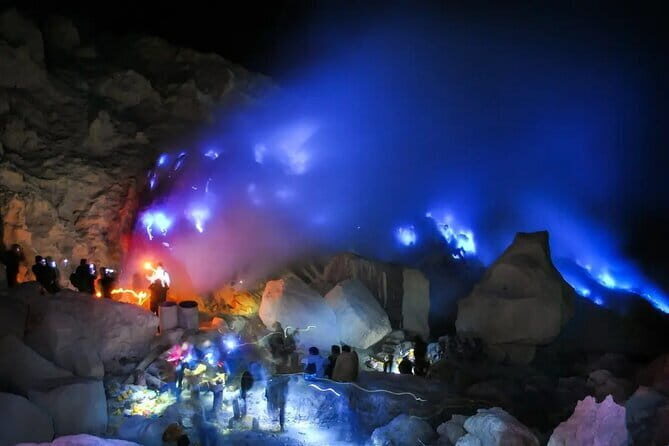
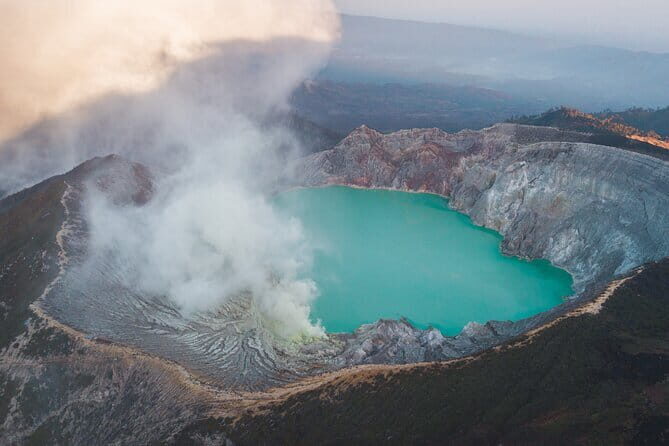
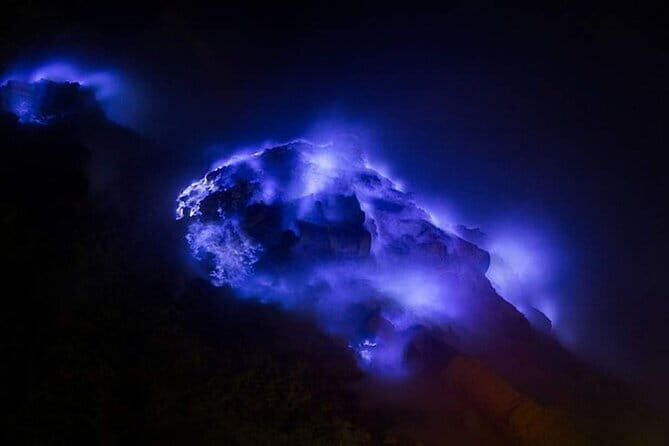
The headline is the blue fire phenomenon at Mount Ijen. This tour is designed specifically around getting you to the crater standpoint at the right time and under a guide who can steer you to where the experience is most likely to come together.
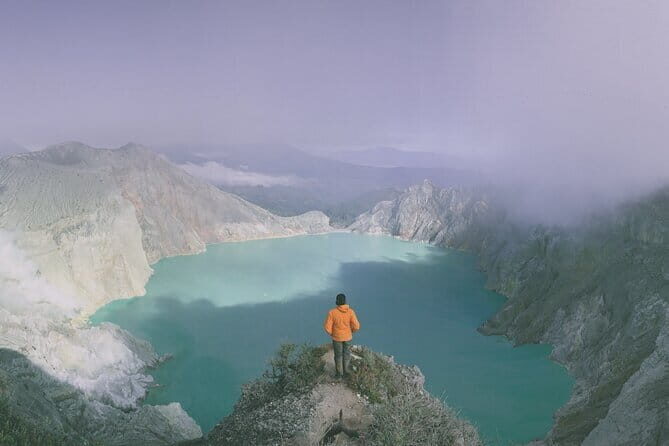
But here’s the honest consideration: blue flames and view clarity aren’t guaranteed. The tour experience depends on the night’s conditions—smoke, visibility, and how well you can see the sulfur lake area from where you’re standing. The tour itself is still worth it because the logistics are organized and you’re guided to the viewpoint. Still, if you’re dreaming of bright, dramatic flames like a textbook photo, you should temper expectations with the reality that sometimes it’s faint or hard to see.
Safety is part of this moment. The inclusion of a gas mask is a big deal. Put it on as instructed and treat the crater zone with respect. If the air feels strong, don’t push through with stubborn curiosity. You’re not there to win a tough-guy award; you’re there to enjoy the phenomenon while staying functional.
Once you’re at the crater area, the itinerary allocates about 2 hours at the Ijen Crater stop. That window is what lets you absorb the scene, adjust to the light, and watch for changes rather than rushing away after a few minutes. This is also where a guide helps you understand where to stand for the best viewing and how to manage your time around the group.
If you’re sensitive to fumes or you feel lightheaded, tell the guide. Practical guidance matters more than stubborn pride in places like this.

Return to Bali: Staying Upright After a 16–18 Hour Day
After the crater stop, the day is a reverse route. You’ll cross back from Ketapang to Gilimanuk Harbour, and then it’s the drive back to your Bali drop-off.
Because the overall duration is listed as 16 to 18 hours, the return trip is part of the “real work” of the day. After two hours near the crater—plus the hike up and down—you’re likely to feel tired, even if the hardest moments were in the dark.
The tour includes bottled water, which helps with hydration. It doesn’t include a meal, so you’ll want to plan your eating around what’s available outside the included items. A snack strategy can be the difference between enjoying the last half of the ride and feeling miserable.
Also, the itinerary ends back at the meeting point. That’s good for planning your night. You can arrange your sleep and recovery without needing to figure out last-minute local transport right after a long haul.
Price and Value: Is $144 a Fair Deal for Ijen?
At $144 per person, this tour sits in a middle zone for overnight volcano experiences. The value isn’t just the hike; it’s the bundle: pickup across many Bali areas, return ferry ticket (public ferry), entrance fees, parking fees, a trekking guide, bottled water, a flash light, and a provided gas mask.
When you break it down, the inclusions reduce the hidden costs that often make DIY trips more expensive than expected. Ferry tickets, transport across islands, entrance fees, and the specialized crater safety gear aren’t free, and they’re hard to coordinate cleanly at the right times.
The other value piece is guidance. A guide isn’t only about leading the group. It’s also about keeping the route moving, managing safety near sulfur fumes, and helping you reach the crater standpoint during the best viewing window.
One caution on value: the biggest “maybe” factor is the blue fire visibility. The tour can maximize your odds, but it can’t control the night’s conditions. So the money is paying for organized access and an expert route—not a guaranteed blue flame spectacle every time.
Who This Tour Fits Best (and Who Might Prefer Something Else)
This is set up for people with moderate physical fitness and an age minimum of 15 years. If you can handle a 90 to 120 minute hike at night and you don’t mind a long day stretching to 16–18 hours, this will likely feel like a great fit.
It’s also a strong pick if you want the Ijen experience without turning it into a logistics project. The tour is explicitly built around pickup convenience across many parts of Bali, and it handles the ferry and key fees. If you’re traveling solo, this can be a manageable way to join a small group without needing to hire separate transport.
If you don’t like early starts, long drives, or hiking in the dark, you might feel worn down before you ever reach the crater. The experience is intense. Go in with the right mindset: this is an overnight adventure, not a relaxed culture outing.
And if your priority is guaranteed dramatic blue flames, keep your expectations grounded. This tour gives you the route and the timing. The phenomenon itself can vary.
Should You Book This Overnight Mount Ijen Blue Fire Trek From Bali?
I’d book it if you want an organized, safety-focused way to reach Ijen at night from Bali. The strongest reasons are the bundle of inclusions—gas mask, flashlight, guide, entrance fees, and ferry—plus pickup from many Bali areas. For most people, that turns a difficult “how do I get there” trip into a clear, guided plan.
Skip it or reconsider if you’re extremely picky about visibility or you hate long travel days. The crater portion is subject to conditions, and you’ll still be hiking and standing in the night for your best chance.
If you’re on the fence, here’s the practical way to decide: ask yourself whether you can handle a full 16 to 18 hours of movement and whether you can accept that blue flames may be faint on some nights. If yes, this is a solid, well-supported way to experience Mount Ijen from Bali.
FAQ
How long is the overnight Mount Ijen trek?
The total duration is about 16 to 18 hours.
Where is pickup offered in Bali?
Pickup is available from Nusa Dua, Uluwatu, Jimbaran, Kuta, Seminyak, Canggu, Sanur, Ubud, Denpasar, and the Gianyar area.
Do I get a gas mask and flashlight?
Yes. The tour includes a respirator gas safety mask and a flashlight.
Is the ferry crossing included?
Yes. You take a public ferry from Gilimanuk to Ketapang, and you also have the return ferry included.
How long is the hike to the crater viewpoint?
From the foot of the route, the hike to the Ijen crater standpoint takes about 90 to 120 minutes.
What’s included besides transport?
Entrance fees to Mount Ijen, parking fees, trekking guide, bottled water, and the ferry ticket return are included.
Is there an extra charge for pickup from Uluwatu?
Yes. Pickup from the Uluwatu area has an extra IDR 200,000 per car.