REVIEW · UBUD
Private Tour to Trunyan Village “Skull Island of Bali”
Book on Viator →Operated by Bali Private Tour Id · Bookable on Viator
Death has a front-row seat in Bali. This private day trip to Trunyan Cemetery, often called Skull Island, takes you to Bali Aga burial customs where bodies decompose in an open setting. I like that you go with a guide, so you learn what you’re seeing and avoid awkward mistakes, and I love the pickup-and-lunch setup that keeps the day smooth.
The main drawback is simple: it’s a long day. Between road conditions, traffic, and the rural approach, you should plan for heat and a bit of jostling, especially if you’re sensitive to motion sickness.
If you’re the type who wants Bali beyond temples and selfies, this is a powerful, unusual cultural stop—done the respectful way.
In This Review
- Key things to know before you go
- Trunyan Cemetery: why Skull Island is so memorable
- The Ubud-to-Skull-Island timeline: long day, real roads, and timing tips
- Stop 1: Trunyan Cemetery—what you’ll see and how to handle the moment
- Stop 2: Kintamani Highland lunch at Grand Puncak Sari
- Stop 3: Kumulilir coffee and the Coffee Luwak option
- Guides and small magic: why the personalities matter here
- Price and value: is $109 fair for a full cultural day?
- Who should book the Skull Island tour from Ubud
- Should you book this private Trunyan Skull Island tour
- FAQ
- How long is the private tour to Trunyan Village?
- Does the tour include pickup and drop-off in Ubud?
- What’s included in the price?
- Is this a group tour or private tour?
- What is the main stop of the day?
- What happens if the weather is poor?
Key things to know before you go

- A guide helps you stay respectful at one of Bali’s most sensitive cultural sites
- Open-air burial customs mean you’ll see bones and learn why they’re treated this way
- Big scenery moments often include Mount Batur views and a boat crossing as you head in
- Lunch and coffee are built in so you’re not hunting for food halfway through the day
- Coffee Luwak may be part of the stop if you want to try it at the coffee place
- Optional upgrades can change the day (hot springs, sunrise jeep, temples, waterfall)
Trunyan Cemetery: why Skull Island is so memorable
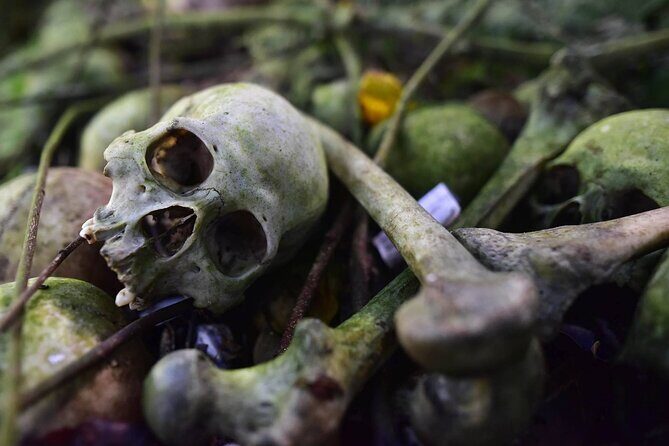
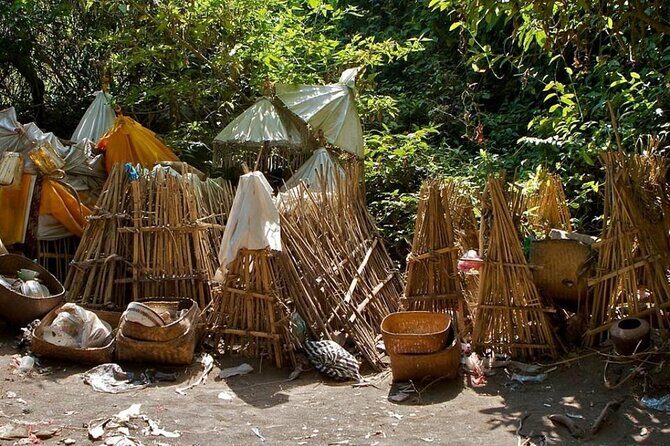
Trunyan Cemetery is famous for one specific reason: the burial custom isn’t underground. Instead, bodies decompose in a separate open cemetery area, tied to local beliefs and ritual practice. You’re not going to a horror attraction here—you’re stepping into a real community way of handling death.
What hits people first is the combination of the setting and the directness. You’ll likely see skulls and skeletons as part of the open arrangement, and the guide will explain what the community considers normal and meaningful. I think that context is the whole point. Without it, the visit can feel shocking in a shallow way. With it, it becomes more thought-provoking and grounded.
I also appreciate the practical framing the tour provides: a guide so you don’t get lost and don’t accidentally act in a way that’s disrespectful. This is one of those places where good intentions still need good guidance.
One more thing: the smell question comes up a lot. In the experience reports I saw, people said there was no strong smell at all at the time they visited. That doesn’t mean it’s guaranteed for everyone, but it suggests you’re not walking into a constant odor assault.
You can also read our reviews of more private tours in Ubud


The Ubud-to-Skull-Island timeline: long day, real roads, and timing tips
This private tour runs about 8 to 10 hours, and most of that is getting there and back. Ubud is close to the action only in a map sense. In reality, you’re dealing with traffic and rural roads, including narrow stretches that can feel bumpy.
Plan for a slower rhythm than a typical Ubud sightseeing loop. People have warned about bad roads and heavy traffic, so if you hate sitting in a vehicle for hours, this one may test your patience. If you do get motion sickness, bring what usually works for you—because part of the journey runs through roads that aren’t smooth.
The upside is that the day isn’t just transit. You often get major scenery moments along the way. Several guides’ descriptions mention Mount Batur views and a boat crossing connected to reaching the cemetery area. That combination—travel plus nature plus a cultural destination—helps make the long day feel like more than just a commute.
Also, come ready for heat. Even if the schedule includes breaks for lunch and coffee, you’ll still be outside at least some of the time. Light layers, sun protection, and staying hydrated matter.
Stop 1: Trunyan Cemetery—what you’ll see and how to handle the moment
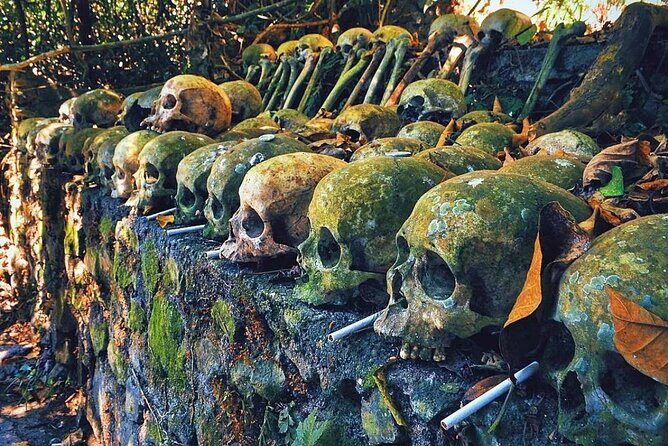
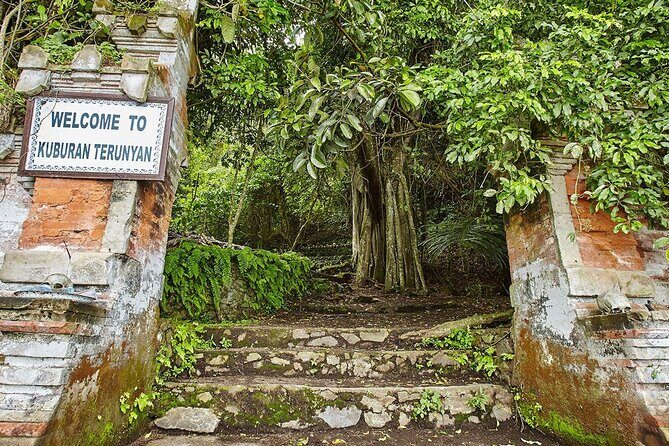
The cemetery visit is about 1 hour 30 minutes, which is enough time to absorb what you’re looking at and ask questions without feeling rushed. You’re visiting one of Bali Aga villages in the region, and the famous open cemetery is located in a separate area nearby. Your guide keeps the visit clear and helps you understand the logic behind where things are placed and how the community treats remains.
This is where a good guide makes the biggest difference. In multiple accounts, guides were described as friendly, calm, and strong with English, and they encouraged questions rather than shutting people down. Names you’ll hear linked to great experiences include Wayan, Wi (Widana), Putu, Ketut Ajuz, and Dwiana. If your guide is one of these personalities, you’re likely to get more than a checklist of sights—you’ll get explanation, context, and cultural perspective.
A practical tip: keep your pace slow once you’re there. Don’t rush to “collect” visuals. Sit for a second, look, then listen. When you understand what the community believes, the experience changes from shock to something closer to cultural learning.
If you’re worried about going as a solo traveler, I’d take the cautious advice from a prior review seriously: one person suggested women should not go without support and noted that focusing on the cemetery (rather than the village portion) could make sense depending on comfort. This tour is private, so you already have built-in support; still, it’s smart to tell your guide what you want to prioritize.
One last consideration: this is not a casual photo stop. If you do take pictures, do it with restraint and follow your guide’s cues. You’re in a place tied to rituals, not a theme park.
Stop 2: Kintamani Highland lunch at Grand Puncak Sari
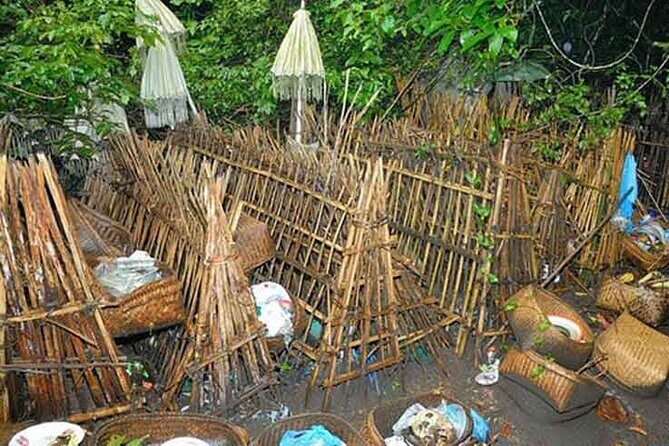
After the cemetery, the tour shifts gears to a proper reset: Kintamani Highland and lunch at Grand Puncak Sari Restaurant. The meal is about 1 hour 30 minutes, giving you time to cool down, eat well, and recharge before the coffee stop.
This restaurant is described as offering Balinese, Indonesian, Asian, and Western options. That variety matters on a day like this because not everyone wants rich local food after a heavy cultural visit. You should be able to find something you’ll enjoy without turning lunch into a stressful food hunt.
What I like about this stop is the pacing. It’s not just food on the side—it’s a buffer. Your brain needs a break from intense visuals and sensitive subject matter, and lunch in the highlands does that job.
Some descriptions also mention meals served as a set course or buffet-style, and people referenced great views. Even if views vary with weather and cloud cover, you’ll still get the practical benefit: a real sit-down lunch that’s included.
Stop 3: Kumulilir coffee and the Coffee Luwak option
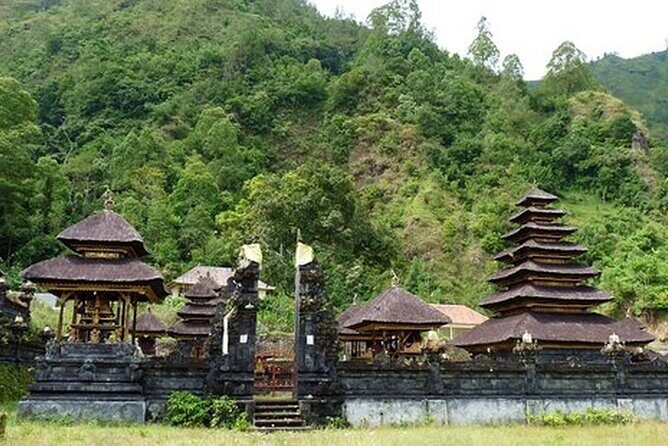
Next comes Kumulilir, where you pause for afternoon tea or coffee in a coffee-focused spot. This stop runs about 1 hour, and it’s built for people who want Bali as more than temple visits.
Coffee lovers may get the chance to taste Coffee Luwak—one of Bali’s most talked-about coffee products. Whether you’re into the story behind it or you just want to try a local specialty, this is a nice contrast to the morning’s emotional weight.
Important practical note: this is a tasting moment, not a promise that you’ll love the flavor. If you know you’re sensitive to strong coffee styles, ask what’s available first. You’ll still get coffee or tea as part of the included plan, so you won’t be forced into anything you don’t want.
Even if you skip specialty tasting, you’ll likely enjoy the social side: it’s a chance to relax, stretch, and let the day slow down before the drive back.




Guides and small magic: why the personalities matter here
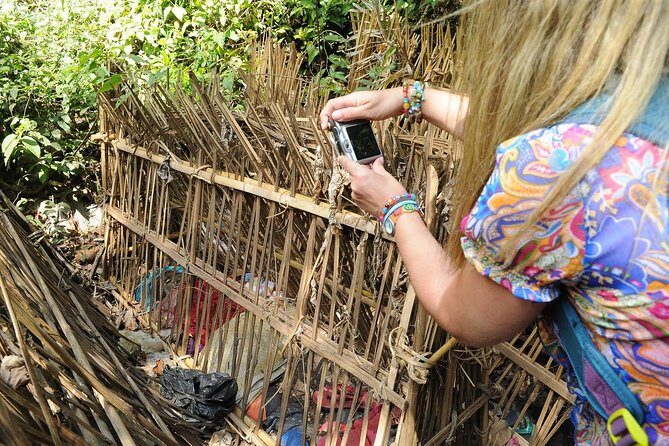
This is the kind of tour where the guide shapes everything. Several accounts emphasize guides who spoke clearly in English, explained culture and history, and kept the tone comfortable even when the topic is hard.
The best guides do three things well:
- They translate what you’re seeing into real cultural meaning.
- They handle logistics so you’re never scrambling for directions.
- They adjust your time so you can linger where you care most.
People specifically praised guides for being prompt and reliable, for encouraging questions, and for explaining details about local burial processes and funeral-related rituals. One person even mentioned that the guide spoke with locals to add context. That’s the difference between “seeing bones” and understanding why this site exists.
If your guide is flexible, you may also notice extra sightseeing that isn’t heavily advertised up front. One review mentioned additional stops tailored to interests. That kind of customization is exactly where a private tour earns its keep.
Price and value: is $109 fair for a full cultural day?
At $109 per person, this private tour lands in the mid-range for a day trip that includes private transport, a guide, lunch, and coffee/tea. The value comes from the fact that you’re not just paying for the cemetery. You’re paying for the full chain: getting there safely, having someone who can explain the cultural rules, and having food and drinks handled.
Here’s what you should treat as clearly included based on the tour info:
- Round-trip private transfer (air-conditioned minivan)
- Driver/guide
- Private tour
- Bottled water
- Lunch
- Coffee and/or tea
And admissions are marked as included for the main stops in the plan. That matters because it removes one more layer of guessing. For a day that’s already long and emotionally intense, fewer decisions is a win.
Now the add-ons. The tour can be upgraded with extras like a Mt. Batur sunrise jeep, a waterfall, a hot spring, and temple visits such as Tirta Empul or Besakih, plus Penglipuran Village. Upgrades can be great if you want more classic Bali included with your cultural stop, but don’t assume everything is automatically part of the base price.
One review example included a mention of hot spring time without ticket inclusion, so I’d recommend you check what’s actually covered in your exact upgrade selection. In plain terms: if hot springs are on your must-do list, confirm whether admission is included or if you’ll pay at the site.
Who should book the Skull Island tour from Ubud
This tour fits best if you:
- want a real cultural experience rather than a standard checklist day
- are curious about Bali Aga traditions and burial rituals
- like having a guide steer you through sensitive places
It may not be for you if:
- death-related sights make you deeply uncomfortable
- you dislike long drives and rougher road conditions
- you expect a light, casual outing
You’ll also want to consider your comfort level with bumpy rural travel. Even with a private vehicle, the route can feel more rugged than central Ubud. And because the day is structured around driving plus 3 main stops, it’s not built for people who want to hop out for short photo breaks every few minutes.
For couples and solo travelers who want privacy, the setup is strong. The guide support also helps you feel less exposed—especially for topics that require local etiquette.
Should you book this private Trunyan Skull Island tour
If you’re choosing between a generic Ubud day and something truly different, I’d lean toward this one—as long as you’re comfortable with the subject matter. The cemetery is the main event, and the guide support is what turns it into cultural understanding instead of confusion.
Book it if:
- you want pickup, lunch, and coffee handled
- you’d appreciate a guide who encourages questions and gives context
- you’re okay with a full-day time commitment
Skip or reconsider if:
- you need a relaxing, low-stress itinerary
- you’re very sensitive to motion sickness
- you’re expecting a typical Bali brochure day
Overall, this tour offers a rare type of experience: not just a destination, but a guided way of seeing an important tradition—without the logistics headache.
FAQ
How long is the private tour to Trunyan Village?
It runs about 8 to 10 hours.
Does the tour include pickup and drop-off in Ubud?
Yes. Pickup is offered, and round-trip private transfer is included.
What’s included in the price?
The tour includes a driver/guide, private tour, air-conditioned minivan transport, bottled water, lunch, and coffee and/or tea. Admission tickets are listed as included for the main stops in the plan.
Is this a group tour or private tour?
It’s a private tour. Only your group will participate.
What is the main stop of the day?
The centerpiece is Trunyan Cemetery, where you visit the open cemetery associated with Bali Aga burial customs.
What happens if the weather is poor?
The experience requires good weather. If it’s canceled due to poor weather, you’ll be offered a different date or a full refund.