Ubud gets busy fast, so this private route feels like a cheat code. In about 10 hours, you’ll cover several of the big hits around town in an air-conditioned vehicle with a schedule that actually makes sense. What I like most is that it mixes iconic views with spiritual stops, so your day feels varied instead of repetitive.
Two other things I really like: the flexible morning departure helps you dodge the worst timing, and the inclusions (bottled water, sarong, donation, onboard Wi‑Fi) reduce little hassles that can add up. One consideration: the day is packed and driven by fixed timing between stops, so you’ll want comfortable shoes and a calm pace mindset.
If you like having one driver-guide coordinate everything, this is a strong way to see Ubud without constantly renegotiating plans on the fly.
In This Review
- Key things that make this Ubud private day worth it
- How this private Ubud route saves your day
- Price, inclusions, and what you’re actually paying for
- Your morning plan: pickup to Tegalalang Rice Terrace
- Ubud Swing: the photo stop with a real reality check
- Gunung Kawi Temple: culture plus slower, respectful pacing
- Kintamani and Mt. Batur viewpoint time: where the long ride pays off
- Tirta Empul Holy Water Temple: ritual, not just sightseeing
- Tegenungan Waterfall: a high-reward finish
- Guide names, language help, and the small things that matter
- What to pack for a full Ubud highlights day
- The best fit: who should book this tour
- Should you book this private Ubud highlights tour?
- FAQ
- How long is the private Ubud tour?
- How much does the tour cost?
- Where does the tour start?
- Is this a private tour or a shared group tour?
- What are the main attractions included in the day?
- What’s included in the tour?
- Are departure times flexible?
- Do I get a mobile ticket?
- What happens if the weather is poor?
Key things that make this Ubud private day worth it
- Private and focused: only your group rides together, so the pace and photo stops feel easier
- Comfort between sights: pickup plus an air-conditioned vehicle for the long stretches
- Stops with big variety: rice terraces, swings, two temples, Mt. Batur viewpoint time, then a waterfall
- Easy spiritual access: sarong and a donation are included for temple visits
- Real guide energy: guides like Ketut, with helpers such as Ricky or Putu, are often the difference-makers in how smooth the day feels
How this private Ubud route saves your day

Ubud is the kind of place where you can spend the whole day moving slowly and still feel like you missed something. This tour is built for momentum: you start around 9:00, then you move from one major highlight to the next without wasting hours on figuring out transport.
The private setup matters more than people think. You’re not stuck waiting for other groups to finish their photos or negotiate entry. You can ask for practical things—like better photo angles or time to rest—and your guide can steer the day around what you care about.
The other smart part is the spread of stops. You get agriculture (Tegalalang), adventure photos (Ubud Swing), culture and ritual (Gunung Kawi and Tirta Empul), a volcano viewpoint (Kintamani/Mt. Batur), then a classic nature finish (Tegenungan Waterfall). It’s not just Instagram stops. It’s also a sequence that changes your mood every few hours.
You can also read our reviews of more private tours in Ubud

Price, inclusions, and what you’re actually paying for
At $36 per person for about 10 hours, the value comes from the bundle: pickup, private transport, multiple sites, and “annoyance reducers” that add up.
Here’s what’s included that directly affects your comfort:
- pickup service (meeting point is Ubud)
- bottled water
- sarong for temple areas
- a donation included (important for temple visits)
- Wi‑Fi onboard
- group discounts (helpful if you’re traveling with friends or family)
When you compare this to buying separate tickets and trying to stitch together transport on your own, this kind of pricing can make sense—especially if you’re not staying right in the most central area of Ubud or you don’t want to plan a full route.
Also, you get a mobile ticket, which sounds small but helps when your day is tight and you’re hopping between several locations.
Your morning plan: pickup to Tegalalang Rice Terrace
The day usually kicks off with pickup around 9:00 from your hotel, then you head out toward the Tegalalang Rice Terrace area. This is where the tour earns its early start.
Why the timing works:
- Morning light is usually better for photos.
- The rice terrace viewpoints tend to feel more comfortable before the heat and peak crowds hit hard.
- You start with agriculture, so you’re not going from hotel to temples immediately.
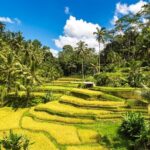
What to expect at Tegalalang: classic terraced green views and viewpoints where you can pause for photos. If you’re sensitive to steep steps, keep that in mind—rice terraces often mean uneven paths.
If you’re planning to buy anything at roadside stalls here, set aside a little cash. The tour focuses on the highlights, but you’ll still see plenty of small vendors around.
Ubud Swing: the photo stop with a real reality check
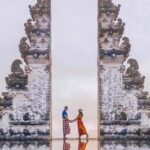
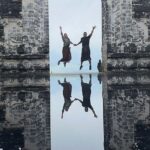
After Tegalalang, the schedule moves to Ubud Swing around 11:00 (time depends on your exact start). This is the stop that many people come for, and it’s often the one they remember most.
Here’s the reality check part I’d plan for: it’s fun, but it’s also physically active. You’ll likely move through stairs and walkways, and you’ll spend some time waiting your turn. Wear shoes you can trust, and don’t expect the day to be fully relaxed in this section.
The upside is that this stop breaks the day into two different styles of sightseeing. Before this, you’re looking and learning. Here, you’re doing—posing, swinging, and getting dramatic angles that you just can’t recreate from a flat viewpoint.
If you want great photos, ask your guide about timing—like when it’s best to take pictures at the edges of the flow. A guide who knows the area can help you avoid the most chaotic moments.
Gunung Kawi Temple: culture plus slower, respectful pacing
Around 12:00, you’ll head to Gunung Kawi Temple. This stop shifts the day from viewpoints to heritage and sacred spaces.
What I like about putting this after Ubud Swing:
- It acts like a palate cleanser.
- The mood changes from high-energy photo time to quieter, more respectful exploring.
- You’re also better prepared mentally for the temple etiquette that comes next.
Temple sites often require a bit more patience: you’ll likely pause, look around carefully, and keep your voice down. The good news is that this tour includes a sarong, which helps you feel less stressed about whether you’re properly dressed.
One practical note: temples can be slippery or uneven in places, especially after rain. Move slowly, and keep an eye on your footing.


Kintamani and Mt. Batur viewpoint time: where the long ride pays off
Next, the tour goes to Kintamani Volcano (Mt. Batur) around 13:00 and typically brings you back toward the Ubud area after 15:00.
This part of the day is the pay-off for all the driving. On clear weather days, the viewpoint experience can be the moment you realize you covered more than just town highlights—you saw a real volcanic region.
Why timing matters here: this tour runs only about 10 hours, so the Mt. Batur segment isn’t endless wandering. You’ll have time to see the view and take photos, but it’s not a long hike style of experience. If clouds roll in, your visibility may not be what you hoped.
That’s also why the tour is described as requiring good weather. If conditions are poor, you might need to swap dates or get a refund depending on the provider’s decision.
Bring something light for comfort in the cooler air you might encounter at higher elevations (you might find temperatures feel different than central Ubud).
Tirta Empul Holy Water Temple: ritual, not just sightseeing
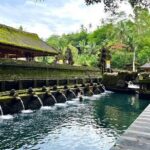
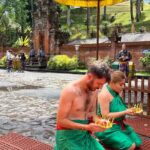
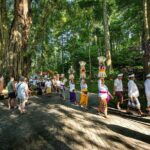
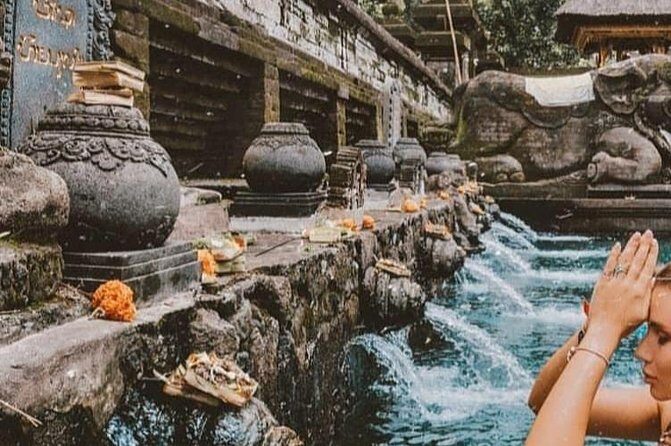
Around 15:00 to 17:00, you’ll visit Tirta Empul Temple (described as a holy water temple in the schedule). This is the stop where the tour can feel genuinely meaningful.
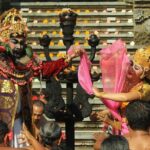
In feedback from people who went with this service, guides such as Ketut have helped guests understand and participate in special purification moments connected with the temple. If you’re curious about what you’re seeing, ask questions. A good guide will translate what people believe and why the ritual follows a certain flow.
This is also where the included sarong and donation make the day smoother. You’re not scrambling at the last second, and you’re more likely to feel comfortable joining in the temple atmosphere respectfully.
Pacing tip: if the ritual areas are busy, don’t rush. Take your time to watch first, then decide whether you want to step closer. Your guide can usually help you navigate where to stand and when to move.
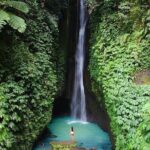
Tegenungan Waterfall: a high-reward finish
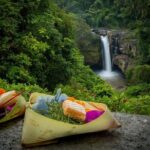
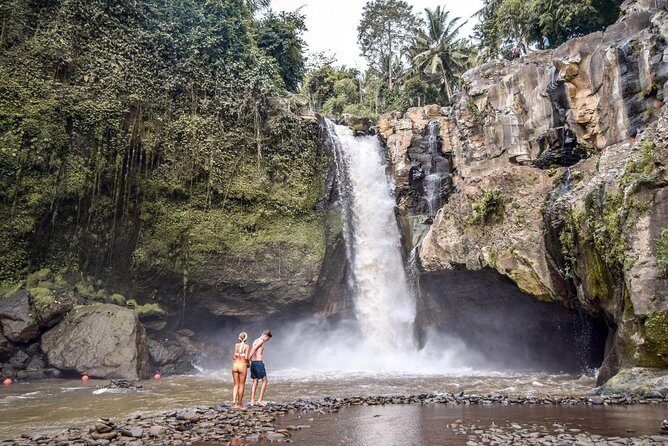
The last big highlight on the schedule is Tegenungan Waterfall, usually around 17:00, with return to your hotel around 19:00.
Waterfalls are a great closer because they change the visuals again: greenery, sound, and natural movement. They also give you something different from temples and viewpoints—especially if you want one last fun photo before dinner.
Practical considerations:
- You may get mist or wet ground, so shoes matter.
- The areas can be crowded depending on timing.
- The day is coming to an end, so avoid planning a huge extra activity right after your pickup back.
Then you’re back at your hotel in the evening, which is honestly the best part of a one-day route. You don’t have to keep negotiating transport at the end of a long day.
Guide names, language help, and the small things that matter
A tour lives or dies on coordination, and this one is often praised for the guide-driver team approach.
Names that come up in experiences with this service include Ketut, plus helpers such as Ricky and Putu. One itinerary experience also notes that Ketut speaks Spanish, which can be a big deal if you’re not confident in English.
What you’re really buying with a good guide isn’t just facts. It’s timing, comfort, and how smoothly you transition between places. In practical terms, a strong guide helps you:
- get photo opportunities without chaos
- understand what you’re seeing at temples and viewpoints
- keep the day moving without feeling rushed all the time
If you have preferences—like spending extra minutes at a temple courtyard or getting better angles at the rice terrace—say it early. A private schedule is flexible within reason, especially compared with fixed-group sightseeing.
What to pack for a full Ubud highlights day
Because your day includes temples, a volcano region viewpoint, and a waterfall, you’ll want gear that works across very different conditions.
I’d pack:
- comfortable, grippy shoes (temple areas and waterfalls can be slippery)
- a light layer (viewpoints can feel cooler than Ubud)
- swimwear or quick-dry clothes if you plan to get close to water
- a small day bag with sunscreen and water (you’ll have bottled water, but personal supplies help)
Also, since a sarong is included, you don’t need to bring one. Still, dress respectfully for temple stops—comfortable clothing you can move in tends to work best.
The best fit: who should book this tour
This is a smart choice if you want:
- a private day covering major Ubud highlights
- comfort during the long drives (air-conditioned vehicle)
- a sequence that mixes photos, nature, and religious sites
- flexibility in the morning departure so you can fit it into your schedule
It may be less ideal if you prefer slow travel with lots of free time between stops. The schedule is timed, and you’ll feel that momentum. If you’re the type who wants to linger in one place for hours, consider whether you’d rather do fewer stops with more downtime.
Also note the weather requirement. If you’re traveling in a period with rain risk, build your flexibility into your overall Bali plan. Weather can change visibility at Mt. Batur and comfort at outdoor sites.
Should you book this private Ubud highlights tour?
Yes, if you want a well-paced one-day hit list with actual comfort and support. The value is strongest when you like structure: pickup, air-conditioned transport, included temple necessities, and a route that strings together rice terraces, swings, temples, Mt. Batur, and a waterfall without you doing route math.
I’d say skip it or re-check your expectations if you hate packed itineraries. This isn’t a slow wander day. It’s a coordinated highlights circuit, and the best results come when you show up ready to move.
If your priority is seeing Ubud efficiently while still getting thoughtful guidance—people like Ketut-style cultural explanation and help at the holy water ritual are a big part of why this tour gets strong satisfaction—this one is a solid bet.
FAQ
How long is the private Ubud tour?
It lasts about 10 hours.
How much does the tour cost?
The price is $36.00 per person.
Where does the tour start?
The meeting point is Ubud, Gianyar Regency, Bali, Indonesia, with pickup offered from your hotel.
Is this a private tour or a shared group tour?
This is private. Only your group will participate.
What are the main attractions included in the day?
The schedule includes Tegalalang Rice Terrace, Ubud Swing, Gunung Kawi Temple, Kintamani Volcano (Mt. Batur), Tirta Empul Temple (holy water temple), and Tegenungan Waterfall.
What’s included in the tour?
Pickup and a private air-conditioned vehicle are included, along with bottled water, sarong, donation, and Wi‑Fi onboard.
Are departure times flexible?
Yes. Morning departure times are flexible to fit your schedule.
Do I get a mobile ticket?
Yes. A mobile ticket is included.
What happens if the weather is poor?
The experience requires good weather. If it’s canceled due to poor weather, you’ll be offered a different date or a full refund. Cancellation is free up to 24 hours in advance for a full refund.