REVIEW · UBUD
Sacred Spring Experience – Ubud Tour
Book on Viator →Operated by WanderWayTour · Bookable on Viator
Ubud packs a lot into one day. This private Sacred Spring Experience is built for first-timers who want a smooth, air-conditioned route and a guide who can shape the day to your interests while you hop between the big hitters: Sacred Monkey Forest, Tegalalang Rice Terrace, Tegenungan area waterfalls (if added by your guide), and Tirta Empul’s holy springs. In the best-case scenario, you’ll get a guide like Aji, praised for being easy to connect with and even making a last-minute pit stop when needed.
Two things I really like here are the guided walking tour at the Monkey Forest (with time to look closely at what’s going on around the temples and paths) and the chance to see the SUBAK irrigation system explained at Tegalalang, not just photographed from a viewpoint. One consideration: this is a long, packed day (about 8 to 10 hours), with multiple outdoor stops, so you’ll want comfortable shoes and you should plan for sun and walking.
Because it’s a private tour with pickup, the pacing usually feels less stressful than trying to coordinate multiple tickets and rides on your own. And most admissions are included across key stops, so you can spend your time actually looking instead of doing paperwork. Just don’t expect a slow stroll day—you’re going to be moving, taking photos, and switching locations fairly often.
In This Review
- Key highlights you’ll actually feel
- How this Ubud tour hits the right mix of nature and culture
- Pickup and the comfort factor in Ubud traffic
- Stop 1: Sacred Monkey Forest Sanctuary and the dragon bridge walk
- Stop 2: Tegalalang Rice Terrace and the SUBAK irrigation system
- Stop 3: Uma Ceking Resto and Swing with bird-nest photo time
- Stop 4: Tirta Empul Temple purification at the holy spring fountains
- Stop 5: Cantik Agriculture coffee plantation and the LUWAK story
- Guide and driver quality: why people keep bringing up Aji
- How long 8 to 10 hours really feels (and how to prep)
- Value check: is $96.51 per person worth it?
- Who this Sacred Spring Experience suits best
- Should you book this tour?
- FAQ
- How long is the Sacred Spring Experience tour?
- Is pickup offered in this Ubud tour?
- Is this a private tour or a shared group tour?
- Are admission tickets included for the stops?
- What’s the main theme of Tirta Empul Temple?
- What is SUBAK in the Tegalalang Rice Terrace stop?
- What coffee experience is included at Cantik Agriculture?
- Is there free cancellation?
Key highlights you’ll actually feel

- Private-only group time in an air-conditioned car, so you’re not stuck waiting on other people.
- Monkey Forest guided walk with Bali long-tail macaques in their habitat, plus the dragon bridge area.
- Tegalalang Rice Terrace and SUBAK, explained in a way that helps the scenery make sense.
- Uma Ceking swing + bird-nest photo setup, with built-in time for pictures.
- Tirta Empul holy spring bathing ceremony, centered on spiritual purification at the fountains.
- Coffee plantation stop with LUWAK-style story and tasting, plus a calmer end to the day.
How this Ubud tour hits the right mix of nature and culture
This route is a smart way to understand Ubud fast. You start in a forest full of macaques, then shift into the engineered beauty of rice terraces, then you switch to sacred rituals at Tirta Empul, and you end with coffee learning and tasting. That mix matters because Ubud isn’t only about views. It’s about how people live with the landscape and the spiritual meaning they attach to it.
You’ll also appreciate the “guided, not rushed” feel. You’re not just dropped at a gate with a map. The order of stops helps you build a mental picture: animals and temple life first, then agriculture systems, then purification traditions, then the coffee story that ties into everyday Bali flavors.
You can also read our reviews of more tours and experiences in Ubud.


Pickup and the comfort factor in Ubud traffic
Ubud can be slow, and the roads can be stop-and-go. The big practical win here is pickup offered plus an air-conditioned vehicle for the transfers between stops. That’s not luxury for its own sake—it’s energy. When you’re moving between forests, temples, and viewpoints, you want your battery to last.
This tour is also private, meaning only your group participates. In real life, that usually translates to less waiting, more flexibility, and a guide who can match the pace to your comfort level. If you’re traveling as a couple, with family, or with friends who want control over timing, that matters more than you’d think.
Also, you’ll have a mobile ticket, which simplifies day-of entry so you’re not juggling paper confirmations.
Stop 1: Sacred Monkey Forest Sanctuary and the dragon bridge walk

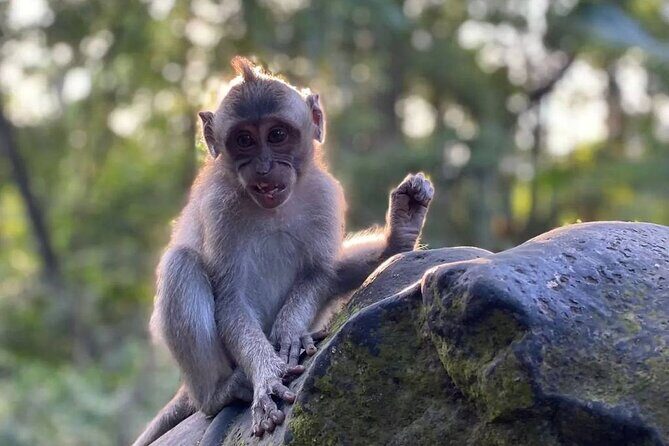
The day kicks off with the Sacred Monkey Forest Sanctuary and a guided walking tour. You’ll be in the middle of the action with around 900 Bali long-tail macaques living in their real habitat. This is one of those places where a guided route helps, because there’s a lot to notice beyond the monkeys themselves.
Expect time to explore the dragon bridge, plus the forest paths, river canyon areas, and a monkey temple setting. The whole point of the guided format is that you’re not just staring at animals. You’re also learning how the site is organized and what you’re looking at as you move through it.
A practical note: monkey areas mean you should keep things tidy. Bags, snacks, and anything dangling is basically asking for trouble. I’d treat this like a wildlife visit: keep control of your belongings and watch where you step.
Stop 2: Tegalalang Rice Terrace and the SUBAK irrigation system
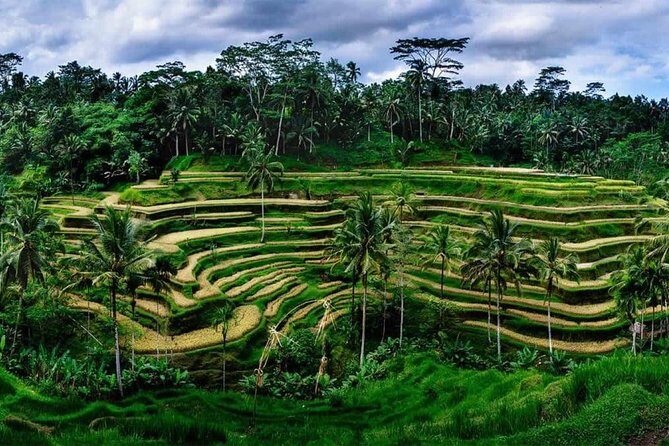
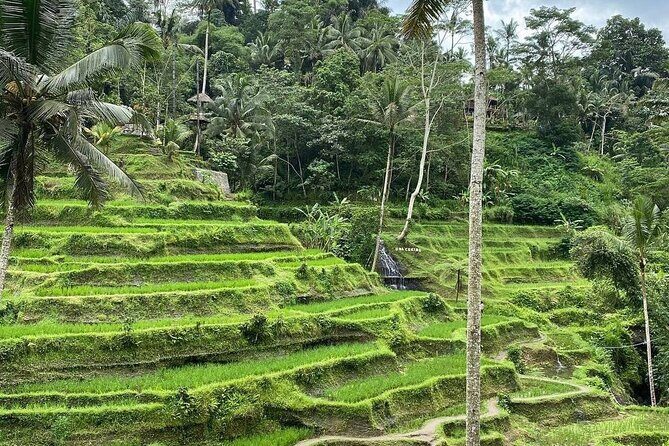
Next is Tegalalang Rice Terrace, where the views are the headline—but the explanation is the upgrade. The terraces are described as sitting about 600 meters above sea level, and the guide’s job is to help you understand what you’re seeing.
The key concept here is SUBAK, Bali’s ancient irrigation system. If you’ve ever looked at terraced rice and wondered how it actually works, this stop gives you a framework. Instead of treating the scenery like a postcard, you start seeing the logic behind it: water management, timing, and how the system supports agriculture.
You’ll have about one hour at this stop. That’s usually enough time to walk a few sections, take photos, and absorb the explanation without feeling like you’re rushing through it.
Stop 3: Uma Ceking Resto and Swing with bird-nest photo time
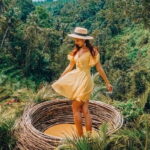
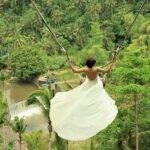
If you’re here for photos (and honestly, who isn’t), this stop delivers. At Uma Ceking Resto and Swing, you get a swing experience with rice terrace views, plus time for photos in a setup described as a beautiful bird nest. You also get around two hours here, which is helpful because photo moments take time—especially if you want different angles.
From the way guides are praised, this is also the kind of stop where having a guide who’s good at directing the shot can make a big difference. In the feedback, Aji is specifically called out for guiding people to get the perfect angles and positions. That’s exactly what you want when you’re paying for a swing experience rather than waiting around for someone else’s camera skills.
One consideration: the swing experience is an activity, and that means you’ll likely spend time standing, waiting, and following instructions. If you don’t like anything that involves heights or getting strapped into a setup, you might want to mentally plan for that part of the day.
Stop 4: Tirta Empul Temple purification at the holy spring fountains
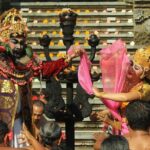
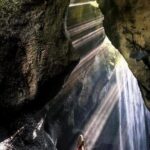
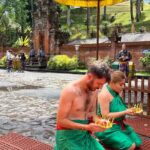
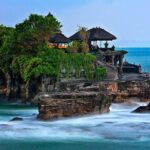
Then it’s a mood shift in the best way. Tirta Empul Temple is all about spiritual purification. You’ll observe how local Hindu practice includes bathing at the holy spring fountains, focusing on purification of the body’s water element. The stop is described as having origins in 969 and centers on the sacred water coming from volcanic springs.
This is one of the stops that benefits most from a guide. Even if you’ve read about temple bathing, it helps to understand the meaning and the rhythm of what you’re watching. The ceremony isn’t meant to be a spectacle; it’s a ritual. The respectful approach here makes the whole visit feel more grounded.
You’ll have about two hours at Tirta Empul. That’s long enough to watch calmly and still have time to take in the temple environment without feeling like you’re being rushed through.
Stop 5: Cantik Agriculture coffee plantation and the LUWAK story
To close the loop on everyday Bali experiences, you’ll stop at Cantik Agriculture. This is a coffee plantation time slot (about one hour) focused on tasting and learning.
You’ll hear about famous coffee, including the LUWAK story—described here as beans coming from an animal that eats the best coffee beans. The important part for you is that this is not just a sales stop. It’s framed as learning plus tasting, so you leave with something concrete you can actually bring home: a flavor memory.
This stop is marked with admission free, which helps the value of the whole day. And because it’s only an hour, it’s a gentler final stretch after temples and photography.
Guide and driver quality: why people keep bringing up Aji

The best thing about this experience isn’t only the sights. It’s the human layer that makes the day run smoothly. Across feedback, Aji shows up as the standout: kind, funny, and genuinely easy to connect with. He’s also praised as a great photographer and a pro at getting people the right shots.
That matters because in Ubud, small details can make or break your photos and your timing. A good guide helps you:
- arrive with less stress,
- choose good viewing spots,
- understand what you’re seeing so your pictures feel meaningful, and
- move through each location at a pace that matches your group.
Navigation is also mentioned as excellent, with recommendations that lead to great ricefield views. That kind of routing is especially valuable in a place where traffic, road turns, and timing can feel confusing if you’re on your own.
How long 8 to 10 hours really feels (and how to prep)
This tour runs about 8 to 10 hours, which is a full day. You’ll switch between five distinct stops, and you’ll have guided time at the Monkey Forest, photo-activity time at the swing stop, and observation time at the temple.
So here’s how I’d prep as if I were doing it myself:
- Wear comfortable walking shoes since you’ll be on foot at multiple places.
- Bring water and plan for rehydration during outdoor segments.
- Keep your phone charged for photo stops, but don’t treat it like the only thing you’re seeing.
- If you’re doing the swing, set aside patience for the photo process.
If you like structured days with clear stop-to-stop flow (and you don’t want to spend your trip figuring out transportation logistics), this length will feel right. If you want a slow, flexible half-day, it might feel like too much.
Value check: is $96.51 per person worth it?
At $96.51 per person for roughly 8 to 10 hours, value comes down to three things: transportation, guidance, and admissions. Here’s the practical math.
You’re getting:
- Private-only group arrangement,
- pickup offered,
- admission tickets included at major stops (Monkey Forest, Tegalalang Rice Terrace, the swing experience, and Tirta Empul),
- and an extra coffee plantation stop (Cantik Agriculture) marked admission free.
That means you’re not just paying for a car. You’re paying for multiple entries plus guided time in several places that are much easier with a local at your side. If you were to try to recreate this alone, you’d likely spend extra time on tickets, directions, and deciding pacing on the fly.
In short: if your goal is to hit the classic Ubud highlights in one day without stress, this price makes sense. If you only care about one or two stops, a smaller tour might be better value.
Who this Sacred Spring Experience suits best
This tour is a strong match for:
- first-time visitors to Ubud who want a full sampler of culture and scenery,
- couples or small groups who like private pacing,
- travelers who want photo direction (especially at the swing stop),
- anyone who enjoys guided explanations, not just looking at places from the side of the road.
It may be less ideal if:
- you hate long days and lots of movement,
- you want a highly flexible itinerary with minimal structure,
- or you dislike activities that involve getting strapped into a swing setup.
Should you book this tour?
If you want an organized Ubud day that covers macaques, terraces, a swing-photo stop, and sacred purification at Tirta Empul, this is a solid pick. The price feels fair when you factor in the included admissions and the private-guide attention.
I’d book it when you care about the details—like learning what SUBAK is at Tegalalang and understanding the purpose behind holy spring bathing at Tirta Empul. I’d skip or choose something lighter if you’re trying to keep things low-key and don’t want to spend an entire day moving between sites.
FAQ
How long is the Sacred Spring Experience tour?
It runs about 8 to 10 hours.
Is pickup offered in this Ubud tour?
Yes, pickup is offered.
Is this a private tour or a shared group tour?
This is a private tour/activity where only your group will participate.
Are admission tickets included for the stops?
Admission tickets are included for Sacred Monkey Forest Sanctuary, Tegalalang Rice Terrace, Uma Ceking Resto and Swing, and Tirta Empul Temple. The Cantik Agriculture stop is listed as admission free.
What’s the main theme of Tirta Empul Temple?
You’ll observe a spiritual bathing / purification ceremony at the holy spring fountains.
What is SUBAK in the Tegalalang Rice Terrace stop?
SUBAK is Bali’s ancient irrigation system, and it’s explained during the Tegalalang visit.
What coffee experience is included at Cantik Agriculture?
You’ll get a coffee plantation experience with tasting, including the LUWAK coffee story.
Is there free cancellation?
Yes. You can cancel for free up to 24 hours in advance for a full refund.