REVIEW · UBUD
Snorkeling & Trekking at West Bali National Park
Book on Viator →Operated by Menjangan Snorkeling & Diving · Bookable on Viator
Menjangan Island has a way of grabbing you fast. This 2-day outing pairs snorkeling over some of Bali’s best-known reef areas with a guided trek inside West Bali National Park, so you get both underwater wildlife and land-based critters in one tight plan.
What I like most is how practical it feels: you get round-trip hotel pickup and clear guiding for both days, so you spend less time figuring things out and more time looking around. The second big win is the wildlife focus—on the water you may spot animals like electric clams, scorpionfish, starfish, and eels, and on land you’re looking for wild chickens, lizards, and monkeys.
One thing to keep in mind: this experience runs in nature, so it depends on good weather. If conditions are poor, plans can shift or be refunded, and that can change the timing of your snorkeling.
In This Review
- Key moments that make this tour worth your time
- Why Menjangan Island is the star of this 2-day plan
- Day 1: Banyuwedang Beach to Menjangan Island (and two reef stops)
- A practical tip for cleaner water visibility
- What you’ll likely see underwater
- The snorkeling details that matter (gear, pace, and expectations)
- For first-timers: what you should plan for
- Day 2: Jayaprana & Layon Sari temple sights, then monsoon forest walking
- Herbal medicine leaf spotting (yes, it’s part of the walk)
- Wildlife scanning on the trail: monkeys, lizards, and wild chickens
- What to expect from the jungle feel
- Price and value: what $65 gets you (and why it’s not just about snorkeling)
- A note on group size
- Getting there: meeting points and how pickup affects your day
- Who this tour fits best (and who might want a different plan)
- You might want to rethink if…
- Should you book this West Bali snorkeling and trekking tour?
- FAQ
- How long is the tour?
- Is hotel pickup included?
- Where does the Menjangan Island snorkeling start from?
- What will I do on Day 2 in West Bali National Park?
- Is this tour suitable for beginners at snorkeling?
- What happens if weather is poor?
Key moments that make this tour worth your time
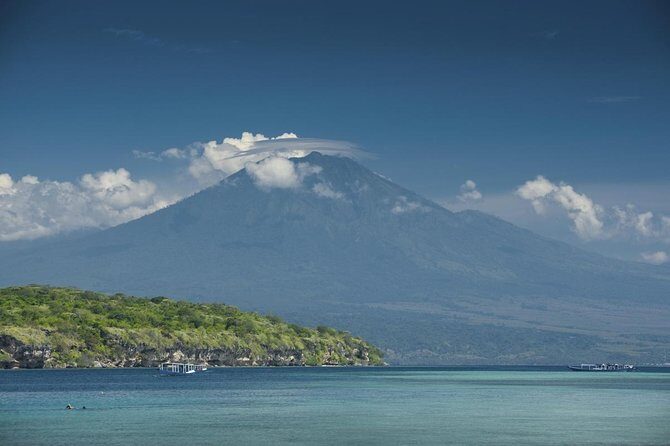
- Menjangan Island snorkeling with guides taking you to multiple reef spots (not just one quick stop)
- Short boat ride from Banyuwedang Beach to the island, with time built in for actual snorkeling
- Wildlife you can name, from electric clams and eels to scorpionfish and starfish
- West Bali National Park trek that mixes temple sights with a walk into the monsoon forest
- Herbal-plant spotting as part of the jungle walk, not just a straight line from A to B
- A realistic chance at spotting monkeys, lizards, and even wild chickens during the hike
Why Menjangan Island is the star of this 2-day plan
If your Bali trip is heavy on beaches, it’s nice to add something more focused and nature-first. Menjangan Island is special because it’s built for seeing underwater life in a way that feels organized but not tour-bus loud. You’re not doing a frantic speed run. Instead, you’re getting a guided setup that helps you actually enjoy what you came for.
Also, this plan is designed so you’re not choosing between water and land. Day 1 concentrates on the reef, and Day 2 moves into the park for jungle walking and wildlife scanning. That balance matters: snorkeling is sensory and visual, while trekking is slower and more about tracking movement, sounds, and small details like leaves.
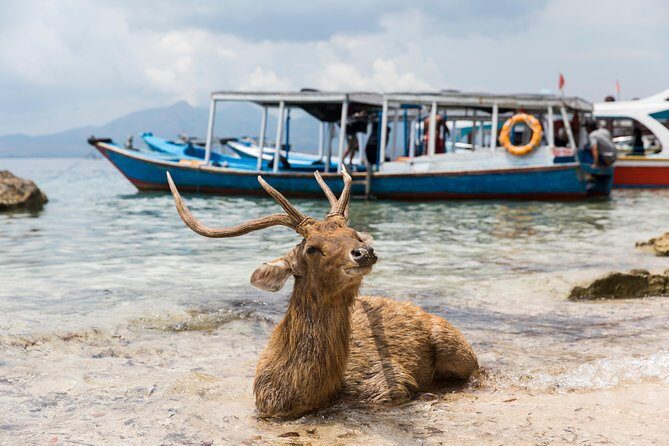
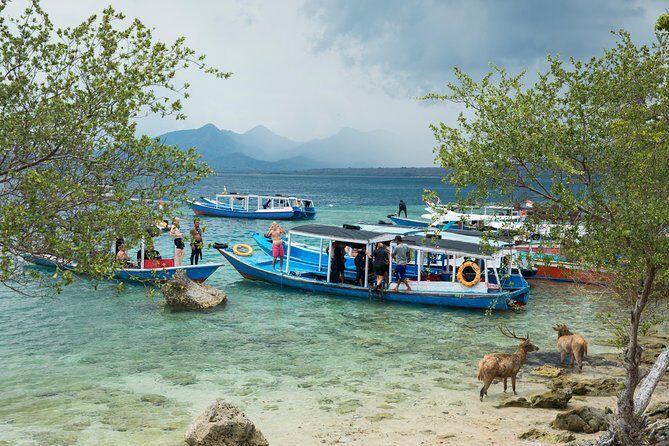
Finally, Menjangan seems to be the sort of place where you can get surprise wildlife, not just fish. I like that one of the on-island moments you may get is seeing Menjangan deer behavior, even something like a deer fight—exactly the kind of extra nature drama that makes a day feel more memorable.
You can also read our reviews of more hiking tours in Ubud

Day 1: Banyuwedang Beach to Menjangan Island (and two reef stops)
Day 1 starts with a trip over to Menjangan Island by boat from Banyuwedang Beach. The boat ride is short, and it keeps the day moving without feeling rushed. Once you arrive, you get guided snorkeling at more than one spot. That matters because reef areas often differ: one location can be better for fish density, while another might be where certain animals like to hang out.
You’ll be given snorkeling time with help from experienced guides. I like that the setup is geared toward people at different comfort levels. One review specifically mentioned guides being helpful and patient for someone who wasn’t very experienced, which is exactly what you want if you’re not a confident swimmer or you’re new to snorkeling.
Food and water are included for the day. That’s a small detail that becomes a big deal in practice. Snorkeling can make you hungry faster than you’d expect, and sun + saltwater can dehydrate you quickly. Having water on hand keeps the focus on the reef.
A practical tip for cleaner water visibility
One note stood out from a reviewer: you might want to stay far enough from shore to avoid floating trash. That’s not a guarantee, and conditions change, but it’s still smart advice. When you’re choosing where to float and look, listen to your guide and avoid hovering right against the nearshore area if you see more debris there.
What you’ll likely see underwater
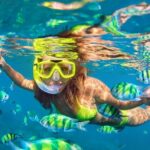
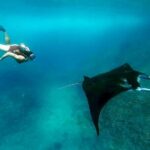
This tour highlights a list of animals you should watch for: electric clams, scorpionfish, starfish, and eels. You’re also likely to see lots of reef fish, and the guides’ job is to point you toward the right spots and help you hold position long enough to actually notice what’s there.
And if you’re hoping for those “wow” moments, the good news is that one of the reviews emphasized snorkeling at two different spots and calling them amazing. That matches how reef tours should work: a second location often turns a good day into a great one.
The snorkeling details that matter (gear, pace, and expectations)
Even without getting too technical, you’ll feel the difference between a reef tour that’s more about “getting in the water” and one that’s about showing you what’s worth seeing. This experience leans toward the second.
You’re getting:
- Guided snorkeling so you’re not stuck drifting and hoping you picked the right corner of the reef
- Multiple snorkeling stops so you’re more likely to find varied fish life
- Time on the water instead of a rushed rinse-and-repeat
Also, the day is structured around the island itself. That helps because Menjangan’s best viewing comes from time spent at the right spots, not from trying to cover every square meter.
You can also read our reviews of more snorkeling tours in Ubud

For first-timers: what you should plan for
If you’re not a confident snorkeler, don’t worry, but do set your mindset. You’ll likely start by getting oriented, then you’ll spend time practicing comfortable breathing and buoyancy. The most important thing is to go at your pace and let the guide handle the spot decisions.
If you want the best results, come with clear goals: look slowly, don’t chase fish with your fins, and keep your eyes on the reef features where animals like electric clams and scorpionfish tend to blend in.
Day 2: Jayaprana & Layon Sari temple sights, then monsoon forest walking
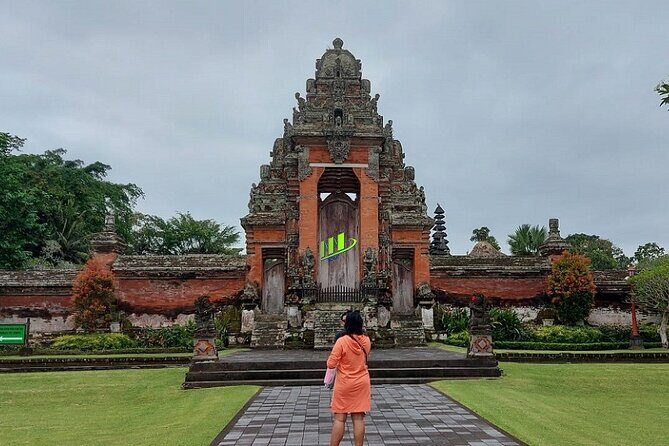
After the reef day, Day 2 shifts gears into West Bali National Park trekking. The trek begins with sightseeing at the complex of the temple of Jayaprana & Layon Sari. The couple’s love story is part of what’s explained, and it gives the walking route a cultural anchor before you move into the forest.
This isn’t just a random trail walk. You start with temple context, then you head toward the monsoon forest. That sequence matters because it makes the trek feel connected—like you’re going somewhere meaningful rather than just hiking because hiking is on the itinerary.
You’re in the jungle area for about 3 hours. That’s long enough to feel like you did something, but not so long that it becomes a slog unless you’re in particularly hot conditions.
Herbal medicine leaf spotting (yes, it’s part of the walk)
One of the itinerary details that I really like is that you’ll learn about kinds of leaf used for herbal medicine. That turns the trek into something more than scenic walking. You’re not only looking for animals—you’re also learning to recognize plant details.
If you enjoy nature with a bit of context, this is a great addition. It also helps you slow down and pay attention when the forest can be visually busy.
Wildlife scanning on the trail: monkeys, lizards, and wild chickens
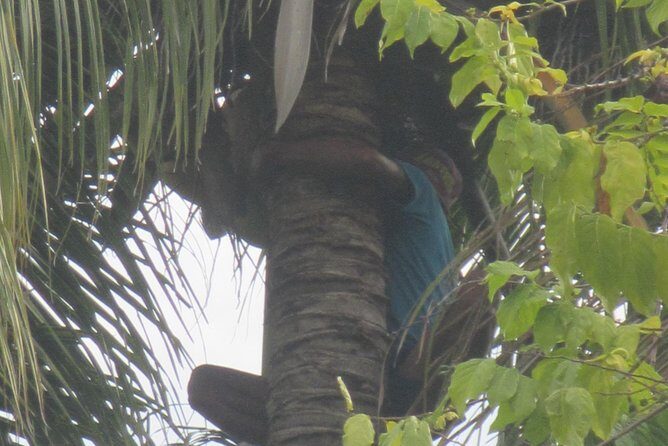
Your mission during the trek is simple: find wildlife. The tour specifically points you toward spotting wild chickens, lizards, and monkeys. That’s the kind of wildlife list that makes sense for a guided walk in a national park area—noticeable enough to be realistic, but still not guaranteed.
Here’s how to make your wildlife chances better:
- Keep quiet when you hear movement. Animals often act like they’re trying to avoid attention.
- Slow your pace on turns and shaded sections. That’s where lizards and other small movement might show up.
- Don’t stare only at the ground. Monkeys and some birds can be higher up, and the guide is there to help you track what you’re seeing.
What to expect from the jungle feel
A monsoon forest walk can be humid. Even when it isn’t actively raining, the air can feel heavy. If you’re thinking about what to wear, think practical: shoes with grip, breathable clothing, and something to protect your head from sun when sections open up.
The good part is that this day is guided, so you’re not alone trying to interpret trails or scrambling to identify things. Your guide handles the route, and you can focus on watching.
Price and value: what $65 gets you (and why it’s not just about snorkeling)
At $65 for about 2 days, the value depends on what you’re comparing it to. Snorkeling-only tours in Bali can cost more, and once you add a day of national-park trekking, the price starts looking more reasonable—especially because this plan includes round-trip hotel pickup.
That pickup changes the math. For many visitors, getting across Bali’s north-west areas can take time and stress. When pickup is included, you lose less time to transport uncertainty and you arrive ready to start looking at the reef.
You also get admission ticket structure that’s split by day: Day 1 has an admission ticket included, and Day 2 is listed with admission free. The exact details can vary in how operators package fees, but the overall effect for you is that your money is going into actual guided time rather than lots of extra add-ons at every step.
A note on group size
The maximum group size is listed as up to 100 travelers. That sounds big on paper, but the experience is still guided and time-based. In practice, it’s more about how guides manage snorkeling groups and how the trek is handled. If you’re the type who wants maximum quiet or a private feel, you might prefer smaller operators, but for most people this size is workable because the activity has built-in structure.
Getting there: meeting points and how pickup affects your day
The tour lists a meeting point at West Bali Explorer, with the address along Jl. Mimpi in Gerokgak (Buleleng area). It also says pickup is offered and that round-trip hotel pickup is included.
So for you, the practical takeaway is this: if you’re being picked up, you may not need to worry much about the meeting point. Still, it’s smart to note where the activity meets in case your hotel is outside pickup range or your pickup time needs confirmation.
If you like arriving early and not scrambling, plan to be ready at your pickup location a little before the scheduled time. In north Bali, roads and timing can be unpredictable, and having a buffer keeps the day calm.
Who this tour fits best (and who might want a different plan)
This is a good fit if you want:
- A strong chance at seeing wildlife on both land and water
- Guided snorkeling with help for less confident snorkelers
- A trek that includes both cultural context (temple storytelling) and nature learning (herbal medicine leaves)
It’s especially appealing if you like variety. Day 1 is sensory—fish, reef structures, underwater animals. Day 2 is slower—monsoon forest walking, monkey scanning, and learning about plants.
You might want to rethink if…
- You’re only interested in beach time and want zero boat involvement
- You dislike humid jungle conditions, even for a 3-hour trek
- You need guaranteed snorkeling visibility regardless of weather (since the tour requires good weather)
Should you book this West Bali snorkeling and trekking tour?
I’d book it if your priority is value plus nature. Menjangan Island is the hook, and the fact that you get guided snorkeling at multiple spots makes the snorkeling part feel like it’s actually designed for wildlife viewing, not just a checkbox.
I’d also like it for Day 2 because it mixes three useful elements: temple storytelling at Jayaprana & Layon Sari, a guided walk into the monsoon forest, and learning about herbal medicine leaves. That gives the trek a reason to exist beyond exercise.
The only big “wait” is weather. If you’re flexible and you don’t mind that nature decides the final outcome sometimes, this is a smart, straightforward way to see more of Bali than just sun and scooters.
FAQ
How long is the tour?
It runs for about 2 days, with Day 1 at Menjangan Island for about 4 hours and Day 2 at West Bali National Park for about 3 hours.
Is hotel pickup included?
Yes. Round-trip hotel pickup is offered.
Where does the Menjangan Island snorkeling start from?
The snorkeling day includes a short boat ride from Banyuwedang Beach to Menjangan Island.
What will I do on Day 2 in West Bali National Park?
You’ll visit the temple complex of Jayaprana & Layon Sari, then walk to the monsoon forest. The trek includes sightseeing and opportunities to learn about leaf types used for herbal medicine.
Is this tour suitable for beginners at snorkeling?
Most travelers can participate, and one review specifically noted that the guides were helpful and patient for snorkeling beginners.
What happens if weather is poor?
This experience requires good weather. If it’s canceled due to poor weather, you’ll be offered a different date or a full refund.