REVIEW · UBUD
Tanah Lot and Jatiluwih Unesco Rice Terrace Private Tour
Book on Viator →Operated by Peaceful Bali Tour · Bookable on Viator
That sea-temple plus rice-terrace combo is special. This private tour from Ubud strings together Bali’s most photogenic sacred sites with time to look, walk a bit, and breathe. I especially like how the day mixes Tanah Lot (a 16th-century temple set by the ocean) with Jatiluwih, a UNESCO-listed rice-terrace landscape recognized as world heritage since 2012. One possible drawback: it’s a long, full-day schedule, and you’re out in the sun and on the move for much of it.
You’ll also want to plan for meals on your own, since your tour includes water but not lunch. If weather is rough, the experience may get adjusted or canceled, so keep flexibility in your schedule.
In This Review
- Key highlights if you like temples plus terraces
- Tanah Lot Temple: the 16th-century seaside stop that sets the mood
- Jatiluwih UNESCO rice terraces: walking time in the world-heritage paddies
- Luhur Batukaru Temple: a quieter temple break in the forest zone
- Taman Ayun (Royal Temple): gardens, water, and a 1634 feel
- The guide and the “no-rush” rhythm that makes the day work
- Inclusions that actually reduce stress (and why they’re worth it)
- Timing, weather, and how to plan your day like a local
- Who this tour fits best (and who should choose differently)
- Price and logistics: what you’re really paying for at $65
- Should you book this Tanah Lot and Jatiluwih private tour?
- FAQ
- FAQ
- How long is the Tanah Lot and Jatiluwih private tour?
- Where does the tour start?
- Is pickup offered from Ubud?
- What are the main stops on the itinerary?
- Are entrance tickets included?
- Do I get help with temple dress?
- What about meals during the tour?
- What transportation is included?
- Is this tour private?
- Is there a baby seat available?
Key highlights if you like temples plus terraces

- Tanah Lot Temple: a classic 16th-century seaside temple experience with the nearby Batu Bolong temple area
- Jatiluwih UNESCO rice terraces: the big rice landscape at around 700 m elevation with cooler air and sweeping views
- Forest calm at Pura Luhur Batukaru: a quieter temple stop at the foot of Mount Batukaru
- Taman Ayun’s gardens: a royal-family temple built in 1634, set in beautiful grounds
- Private, unrushed pacing: your group only, with explanations built into the driving plan
- Practical inclusions: entrance fees, sarong use, AC car, parking/procedural costs, plus bottled water
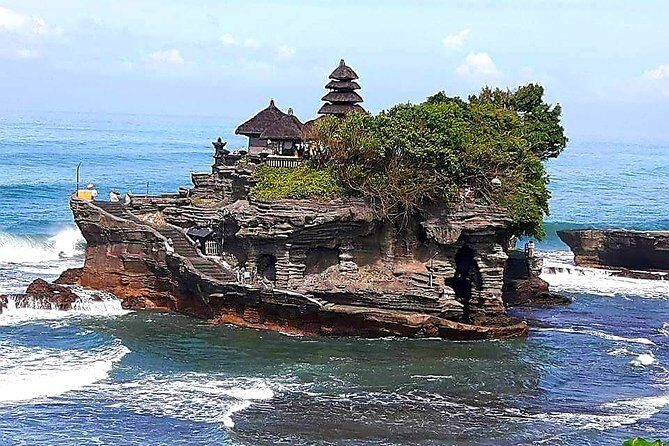
Tanah Lot Temple: the 16th-century seaside stop that sets the mood
Tanah Lot is the kind of place that looks unreal in photos. In person, it just feels more grounded and more dramatic—because it’s really sitting out there by the water. This temple dates to the 16th century, and that matters: it gives you the sense you’re seeing something that has outlasted plenty of changing fashions, boats, and waves.
Your stop also includes time around the Batu Bolong temple area nearby, which helps you understand how this area of the coast fits into Bali’s temple traditions. If you love structure and views, Tanah Lot delivers both: you get the stone-and-coast setting and the cultural meaning of a temple designed for worship, not just sightseeing.
What I’d watch for: you’ll likely be out close to the shoreline conditions and bright light. Wear shoes you trust and bring a light layer for wind or sudden weather shifts.
You can also read our reviews of more private tours in Ubud



Jatiluwih UNESCO rice terraces: walking time in the world-heritage paddies
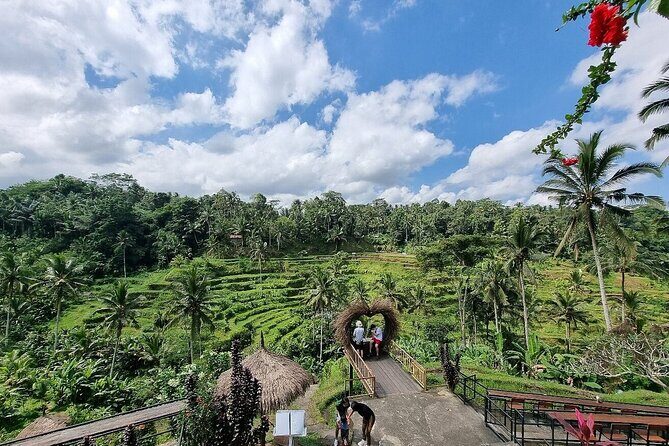
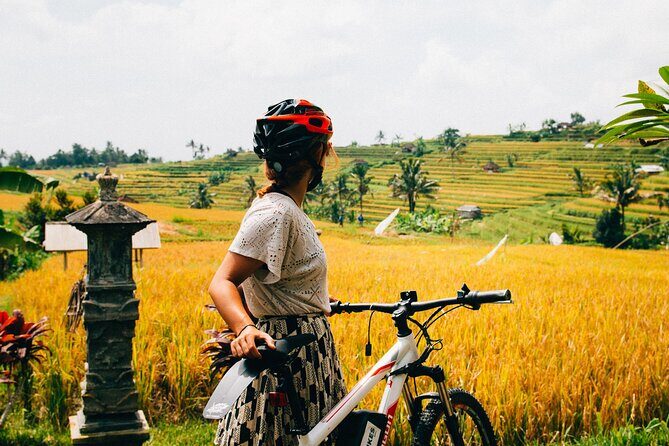
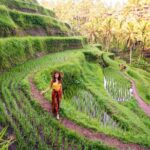
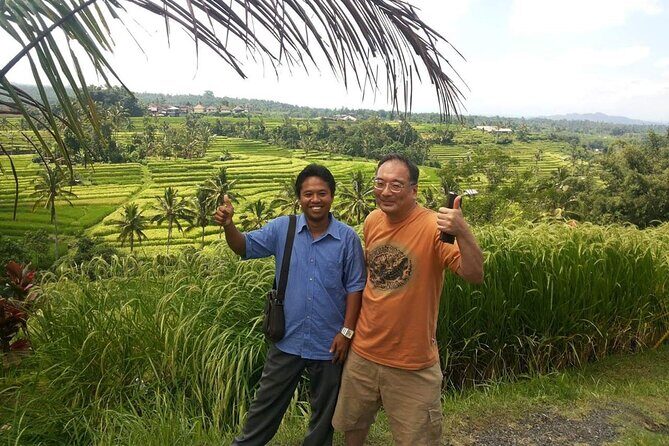
Jatiluwih is where Bali slows down. The key detail is scale: Jatiluwih is described as the largest rice field in Bali, and it sits at the foot of Mount Batukaru at an elevation of about 700 meters. That height isn’t just trivia—it’s why the air can feel fresher, and why the views stretch out farther than you might expect.
This is also the UNESCO draw. Jatiluwih has been recognized as a world heritage site since 2012, and during your visit you’ll have time to enjoy the panorama. You’re not just stopping for a quick picture and leaving. The plan gives you time to walk around the terrace paths and take in how the water and contours shape the whole scene.
Why this stop feels worth it: rice terraces in Bali are not only scenery. They’re part of a working landscape tied to agriculture and local life. Jatiluwih’s wide open viewpoints make that relationship easier to see than in a smaller terrace spot.
A practical consideration: you’ll be outdoors and moving at least a bit. If your knees get cranky, go slow, take breaks, and choose stable footing on uneven ground.
Luhur Batukaru Temple: a quieter temple break in the forest zone
After the open terrace views, Pura Luhur Batukaru feels like a reset. This temple is at the foot of Mount Batukaru in a more secluded forest setting. The vibe is calmer, and that difference matters on a long day. You get a change of pace: from wide panoramas to shaded paths and a more inward feeling.
You’ll typically only need about 45 minutes here. That length is smart. It’s enough time to see the temple atmosphere and wander a bit, without turning the day into a series of short stops where nothing sinks in.
What to do here: use this stop to slow down your photos and pay attention to how the temple sits within nature. Even without extra explanation, the location helps you understand why the place feels peaceful.
Possible drawback: forest stops can mean cooler shade, but also more damp ground. Wear the same shoes you trust for terrace paths, not slippery sandals.
Taman Ayun (Royal Temple): gardens, water, and a 1634 feel
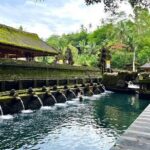
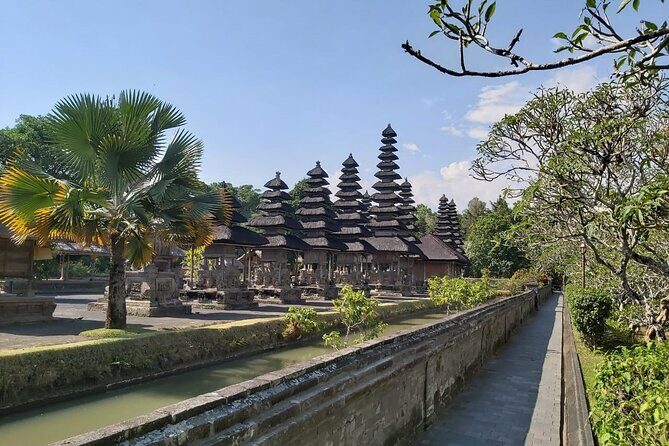
Then the day shifts again to courtly Bali with Taman Ayun Temple. This one is built in 1634 as a royal-family temple, and the setting is classic: temple structures surrounded by beautiful gardens. It’s not just an architectural stop; it’s also a mood stop. Compared to the ocean drama of Tanah Lot and the height-and-horizon feeling at Jatiluwih, Taman Ayun gives you something calmer, curated, and visually soothing.
The garden setting also helps you slow down after walking. Even if you’re not a garden person, the layout makes the temple feel less like an object and more like a lived-in place where worship and routine have room to breathe.
What to watch for: because this is a garden environment, expect greenery and possibly small walking routes around the grounds. Plan for a bit more time on your feet than you might expect, even if the scheduled visit is around 45 minutes.
The guide and the “no-rush” rhythm that makes the day work
This is a private tour, so it’s just your group. That matters more than people think. When there’s no queue of strangers controlling the pace, you can actually follow the day instead of sprinting through it.
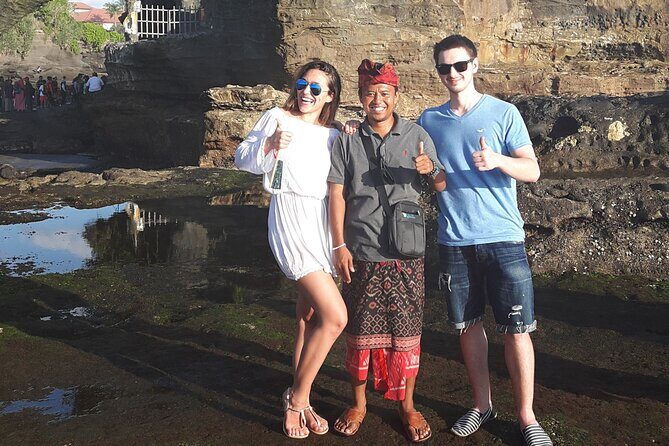
The tour is run by Peaceful Bali Tour, and in past experiences with guides like Agung, Kotaro, and Ketut, the strong theme is clear explanations and helpful context as you drive. You’re not stuck with silence between stops. That’s when you learn the difference between what you’re seeing and what it means.
If you’re the type who likes to connect dots—temple location, ocean setting, mountain context, and rice terrace agriculture—this style of guiding makes the day feel less like a checklist.
Tiny humorous truth: driving in Bali takes time. A good guide turns that time into part of the experience rather than just a transfer.



Inclusions that actually reduce stress (and why they’re worth it)
At $65 per person for a full-day private program, value comes from what’s already handled for you. Here’s what you don’t have to think about:
- Sarong to use for temple entry (you don’t need to chase one last-minute)
- Entrance fees for the listed stops
- Comfortable AC car, plus parking fees, petrol, and tax
- Bottled water during the day
That bundle matters. In Bali, the cost and hassle can stack up fast if you try to DIY temple entries, transport, and parking. This tour packages those annoyances into one predictable price.
What’s not included: meals and personal expenses. Plan for lunch and snacks on your own. A water-included day is nice, but you’ll still want something to eat—especially if you’re doing any extra walking around Jatiluwih.
Timing, weather, and how to plan your day like a local
The tour runs about 8 to 10 hours. That’s a real commitment, so choose a date you can fully give. Also note the experience requires good weather. If conditions are poor, you may be offered a different date or a full refund.
For your own sanity:
- Wear comfortable shoes you can walk in for terraces and temple grounds.
- Bring sun protection (a hat and sunscreen help more than you think).
- If you care about temple comfort, plan for modest clothing. The sarong is provided, but you’ll still feel better in clothes that respect the setting.
If you’re booking from Ubud, I’d also recommend arranging it when you’re not trying to cram something else right afterward. After Tanah Lot + Jatiluwih + two more temples, you’ll be ready for dinner—no matter how energetic you think you are.
Who this tour fits best (and who should choose differently)
This tour is ideal if you want:
- Temple highlights plus UNESCO-class scenery in one day
- A private plan where you can take your time
- A guide-led approach that helps you understand what you’re seeing
It’s also a good fit for couples, small families, and anyone who doesn’t want the stress of arranging car + tickets + timing across multiple locations.
You might consider a different style of tour if:
- You hate long days and prefer shorter, closer sightseeing
- You don’t enjoy walking around uneven outdoor paths
- You need meals fully included (this one doesn’t)
Price and logistics: what you’re really paying for at $65
The headline number is $65 per person. The real question is what that buys you in time and effort. Here, it buys you an AC car, entrance fees, sarong use, and the driving plan between four meaningful stops: Tanah Lot, Jatiluwih, Luhur Batukaru, and Taman Ayun.
Compared to piecing it together, the value is in:
- fewer moving parts
- fewer chances to lose time at ticket counters or parking
- less mental load while you’re on vacation
Another small practical point: this tour is commonly booked about 5 days in advance on average. If you’re traveling in a busier stretch, book earlier so you’re not negotiating with your own schedule.
Should you book this Tanah Lot and Jatiluwih private tour?
Book it if you want a classic Bali day that goes beyond one landmark. Tanah Lot gives you the ocean-side sacred scene. Jatiluwih gives you the big UNESCO rice-terrace landscape with time to actually walk and look. Luhur Batukaru adds forest calm, and Taman Ayun brings royal-temple gardens back into the mix.
Skip it (or at least think twice) if your idea of a great day is light and short. This is a full-day program, and you’ll be spending hours between sites.
If you can handle a long sightseeing day and want strong variety—coast, terraces, forest, and gardens—this private tour is a smart, cost-effective way to get it done.
FAQ
FAQ
How long is the Tanah Lot and Jatiluwih private tour?
The tour lasts about 8 to 10 hours.
Where does the tour start?
It starts at Tanah Lot Temple.
Is pickup offered from Ubud?
Yes, pickup is offered.
What are the main stops on the itinerary?
The stops are Tanah Lot Temple, Jatiluwih rice terraces, Luhur Batukaru Temple, and Taman Ayun Temple.
Are entrance tickets included?
Yes. Entrance fees are included for the stops.
Do I get help with temple dress?
Yes. A sarong is included for use when visiting the temples.
What about meals during the tour?
Meals are not included, so you’ll need to plan for lunch and snacks on your own.
What transportation is included?
A comfortable car with AC is included, along with parking fees, petrol, and tax.
Is this tour private?
Yes. It’s a private tour/activity, and only your group participates.
Is there a baby seat available?
Baby seats are available on request for ages 1 to 4 years.