REVIEW · UBUD
The Majestic Mount Ijen Sunrise Trekking From Bali
Book on Viator →Operated by Bali Exploring Tours · Bookable on Viator
Blue fire under a black sky sounds unreal. This Mount Ijen sunrise trek from Ubud is built around one thing: hiking in the dark to catch the famous blue flames and then a crisp sunrise over the crater. You’ll also see sulfur miners at work before heading back down, which makes the whole night feel real, not staged.
I love how personal this tour feels, especially with guides such as Nunu, Mufi, and Putu leading the way. The other big win is door-to-door private transportation plus the basics you need for the climb, including a gas mask and flashlight, so you spend less time chasing logistics and more time actually watching.
One consideration: if the viewing area is packed, you might struggle to spot the blue flames clearly. That crowd factor can turn a once-in-a-lifetime moment into a rushed stare, so keep your expectations flexible.
In This Review
- Key things to know before you go
- Why the Ijen Blue Fire Trek Starts After Midnight
- From Ubud to East Java: Private Transport That Cuts Stress
- The Night Hike: Safety Gear, Pace, and What the Climb Feels Like
- Blue Flames and Sunrise: How the Moment Works at Ijen
- Watching Sulfur Miners at Work (And Why It Changes the Mood)
- Price and Logistics: Is $134 Good Value?
- Who Should Book This Ijen Sunrise Trek From Bali
- Tips That Help You Get the Best Out of the Hike
- Should You Book This Ijen Sunrise Trek From Bali?
- FAQ
- How long is the Mount Ijen sunrise trekking experience?
- Where does pickup and drop-off happen?
- What safety equipment is included for the trek?
- What meals are included?
- Is the ferry ticket included?
- Is the trolley taxi service included at Ijen?
- Who should not take this tour?
- Is this a private tour or a shared group?
- What is the cancellation policy?
Key things to know before you go
- Private guide, all the way: you stay with your English-speaking guide from start to finish
- A night hike that starts just after midnight: plan for cold, darkness, and a steady pace
- Blue flames plus sunrise: you’re aiming for both the crater glow and morning light
- Safety gear is included: a gas mask and flashlight are part of the setup
- Ferry and ground transport are covered: ferry ticket, hotel pickup/drop-off, and fees help cut hassle
- Trolley taxi is optional (extra cost): it costs about USD 50 to USD 80 if you need it
Why the Ijen Blue Fire Trek Starts After Midnight
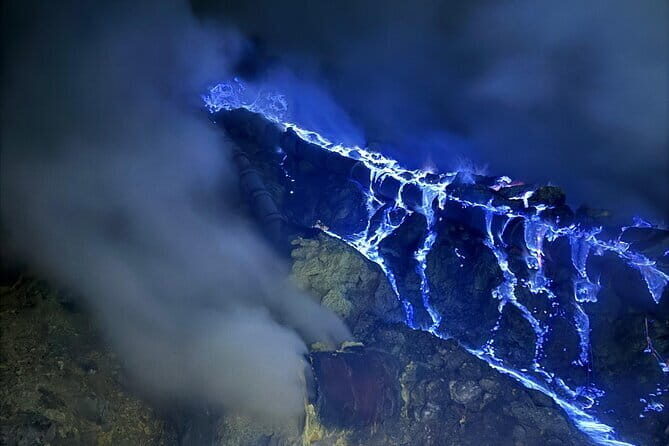
This is a sunrise trek, but the day actually begins in the dark. You’ll be moving just after midnight toward Mount Ijen’s crater, with the hike timed so you reach the viewing area before the light show. The payoff is the rare blue flame phenomenon caused by sulfuric gases rising from the earth. It’s not something you can replicate with better weather or a longer viewpoint. Timing matters.
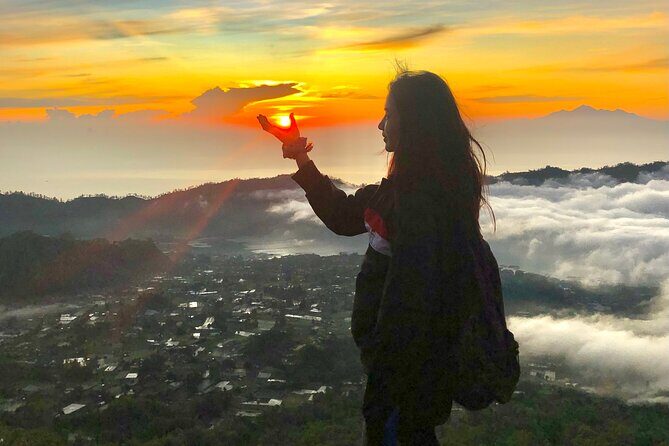
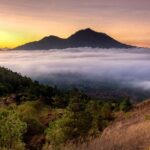
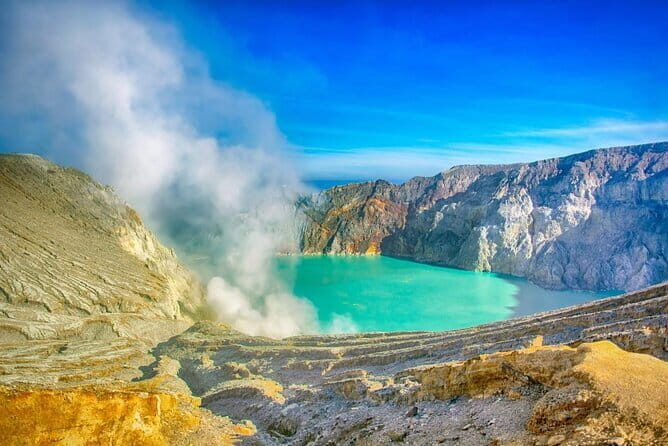
Once you’re in position, you’re also waiting for sunrise over the crater area. The crater lake is described as turquoise and acidic, which gives the scene a color contrast you don’t see in most volcanos. Even if you only catch the last minutes of the glow, the moment still feels special because you’re watching the world change from night to day while the crater stays active below you.
The night setting is part of the experience. Your guide will keep things moving, and the darkness makes the crater feel closer, sharper. It’s the kind of hike where the group’s rhythm matters: slow enough to stay safe and steady, fast enough that you’re not freezing your brains out before dawn.
You can also read our reviews of more hiking tours in Ubud
From Ubud to East Java: Private Transport That Cuts Stress
This trip is positioned for convenience. Instead of you figuring out buses, trains, and local connections around Banyuwangi, you get hotel pickup and drop-off and private transportation that handles the main leg. There’s also a ferry ticket included, which matters because ferries tend to be the kind of detail that can break your schedule if you’re winging it.
The practical benefit is simple. When you’re leaving for a midnight-style climb, every delay feels amplified. A private setup reduces the chance of you missing the timing window for the hike. It also tends to keep the whole day calmer: fewer handoffs, fewer waiting points, and one point of contact.
One small detail I appreciate is that the experience includes free highway entrance fee and free parking fee. Those sound boring, but they add up in the real world when drivers are trying to run on time. You’re paying for fewer surprise add-ons, and your guide can keep you focused on the climb and the timing rather than administrative stuff.
The Night Hike: Safety Gear, Pace, and What the Climb Feels Like
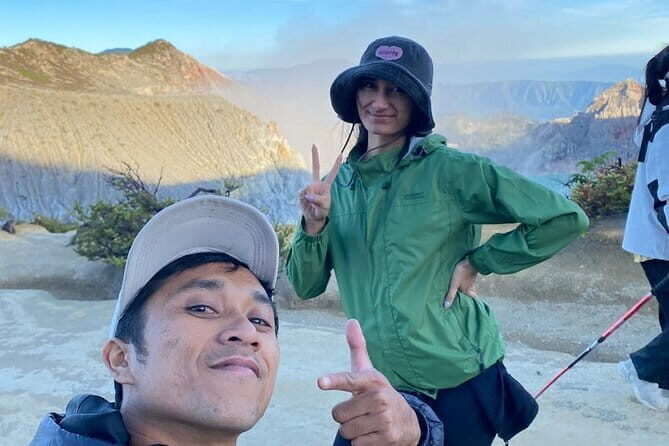
The hike portion is described as about 1.5 to 2 hours to reach the crater area. You’ll be walking under the stars, and you should plan for uneven ground and a steady uphill effort. This isn’t just a casual stroll, so a moderate physical fitness level is your baseline.
What I like is that the essentials for safety are included: a gas mask and a flashlight. You’re not left scrambling to buy the right gear in a hurry. And because the gas is part of what creates the famous blue flames, the safety kit isn’t an afterthought. It’s tied to why you’re there.
Your guide accompanies you for complete peace of mind and provides the essential safety equipment you need for the night climb. That’s a big deal on Ijen, where conditions can be harsh even when the hike itself is short. The fact that the guide stays with you also helps with pacing. You’re more likely to avoid the classic mistake: going out too fast in the dark, then burning energy before you reach the best viewing spot.
If you’re sensitive to altitude or have health concerns, read the restrictions carefully. The tour states limitations for people with high blood pressure and for people with altitude sickness, plus babies under 3 years aren’t included. Don’t treat those as fine print. They are deal-breakers for comfort and safety.
Blue Flames and Sunrise: How the Moment Works at Ijen
The star of the show is the blue flame phenomenon. You’re hiking specifically to see sulfuric gases bursting into blue fire near the crater. From a photography standpoint, that means you’re not only chasing light; you’re chasing contrast: flame against dark rock, then rock against the brightening horizon.
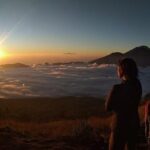
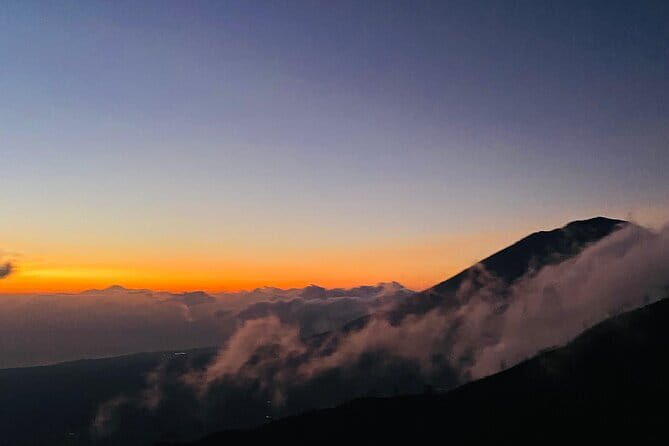
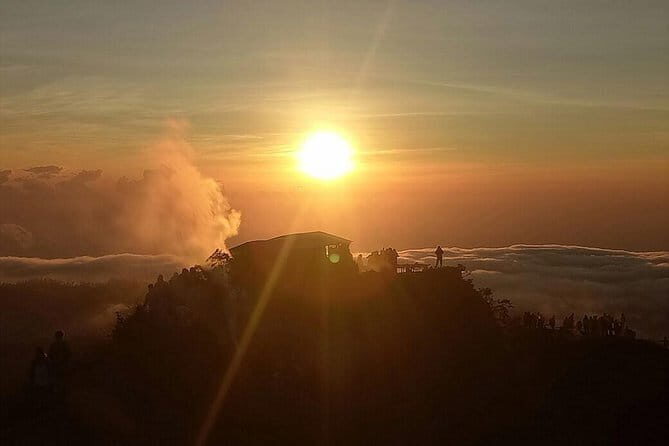
The timing is what makes sunrise meaningful here. You’re not walking out into the morning and hoping for a view. You’re positioned to see the crater wake up. The described result is sunrise over the turquoise acidic crater lake, which gives you that bright background that makes the whole scene feel more dramatic.
Now for the honest caution: visibility can depend on crowding. One experience noted that blue flames were harder to see because the area was crowded. That tells you something important: even with perfect timing, the last stretch of the experience can get busy. If you’re the type who needs a clear, unobstructed view for photos, you may want to accept that you’ll be sharing space and moving with the flow.
How do you make the best of that? Go with your eyes open. Let your guide help place you. Follow the pace and don’t force sudden surges forward. If you try to play hero in the dark, you’ll trade viewing time for frustration, and the crater doesn’t care about your perfect shot.
Watching Sulfur Miners at Work (And Why It Changes the Mood)
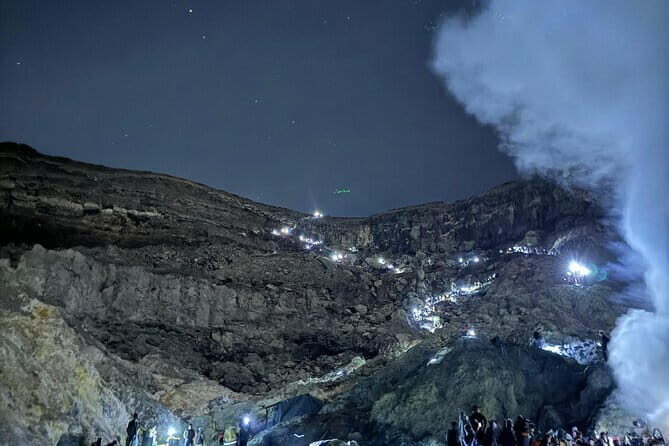
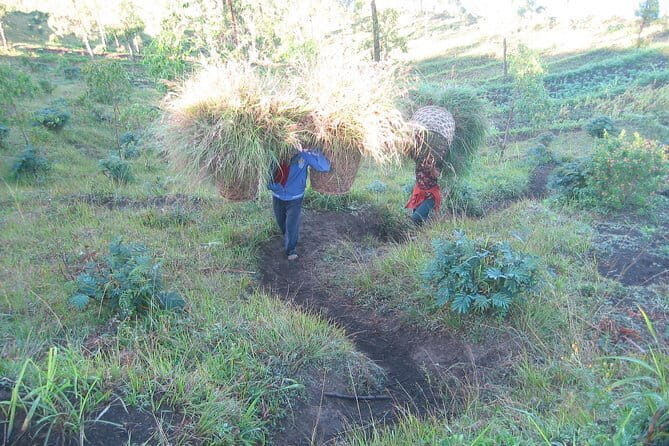
Before the descent, you get a chance to witness daily life of traditional sulfur miners. This is one of the most grounded parts of the night. It shifts the mood from purely spectacle to human reality. The blue flames are incredible, but the miners are what make the place feel alive.
There’s a difference between seeing a tourist prop and seeing people doing their work with practical routines. The tour includes that element before you head back down. That means you’re not only chasing an effect in the air; you’re also seeing the system of labor and survival that exists around the crater.
The experience also includes a return to the base and a light refreshment afterward. That matters more than you might think. After a cold, early morning trek, you’ll appreciate a little pause and something simple to reset your energy before you travel back to Bali.
You can also read our reviews of more tours and experiences in Ubud
Price and Logistics: Is $134 Good Value?
At $134 per person, this is not a cheap add-on. But for what’s included, the price starts to make sense. You’re paying for a private guide, hotel pickup and drop-off, private transportation, a ferry ticket, plus key safety gear (gas mask and flashlight). You’re also covered for free parking and a free highway entrance fee.
The biggest value shift is time and mental effort. Midnight treks are high-pressure by nature. When you remove the need to coordinate your own transport across regions, you reduce the risk of arriving late, which is the one thing that can ruin the sunrise plan.
The other cost consideration is what’s not included: lunch and dinner. So you’ll want to plan meals around the overnight schedule. Also note the optional expense at Ijen: the trolley taxi service costs an additional USD 50 to USD 80 if you decide you need it. That’s not included, so your budget should account for it if you think you’ll want that backup.
Overall, this price looks like it buys you smoother logistics and safety support, not just access to a mountain. If you already have a strong plan for transport and you’re comfortable navigating solo, you might find cheaper options. But if you want one organized team handling timing and safety, $134 can be a fair trade.
Who Should Book This Ijen Sunrise Trek From Bali
This tour fits best if you want a guided, structured experience with real safety attention. You’ll likely enjoy it if you:
- like early starts and don’t mind hiking in the dark
- want the blue flames and sunrise as a two-part goal
- prefer having an English-speaking guide who stays with you the whole time
- value convenience, especially with door-to-door transport
You should think twice if you have high blood pressure or if you’ve experienced altitude sickness before. The tour explicitly lists these as not recommended. Also, babies under 3 years aren’t included, and the hike requires at least moderate physical fitness.
If you travel as a couple or solo, the private setup can be a plus. This is described as private, meaning only your group participates. That tends to reduce the waiting game and keeps your pace more manageable.
In short: book it when you want structure. Skip it when you want flexibility or you’re unsure about physical demands.
Tips That Help You Get the Best Out of the Hike
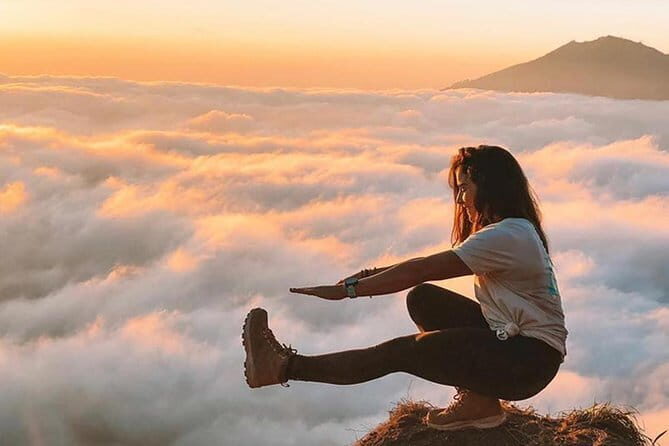
I’ll keep this practical. The hike is short but demanding, and it’s happening at night. Wear shoes with solid grip. If you’re cold easily, prepare for early morning chill. Even with a flashlight provided, you’ll move more confidently with good footing and layers you can handle in changing temperature.
Bring a calm attitude about viewing conditions. Crowds can affect what you see, especially for spotting the blue flames. When that happens, the goal becomes: stay safe, stay patient, and let your guide manage the best spots rather than chasing an ideal frame.
Also, plan your food expectations. Since lunch and dinner aren’t included, you’ll want to avoid getting hungry in the wrong window. The itinerary includes a light refreshment after descending, but that won’t replace a full meal for most people.
Finally, if you think the trolley taxi might be helpful, budget for it ahead of time. The optional cost is listed between USD 50 and USD 80. Waiting until the last moment can turn a small choice into a stressful one.
Should You Book This Ijen Sunrise Trek From Bali?
Book it if you want a guided, private route from Ubud that handles transport and the important safety pieces. You’re paying for less hassle, more support, and the ability to focus on the crater instead of logistics. The combination of blue flames plus sunrise plus a look at miners at work is a rare mix.
Skip or reconsider if you’re dealing with health limits like high blood pressure or altitude sickness risk, or if you’re not comfortable with a night hike that’s harder than it sounds. And if you need perfect visibility for photography, remember that crowding can get in the way at Ijen.
My simple rule: if you can handle the climb and you want the full experience as one organized package, this is a strong choice.
FAQ
How long is the Mount Ijen sunrise trekking experience?
The duration is listed as 1 day (approx.). The hike itself is described as about 1.5 to 2 hours, starting just after midnight.
Where does pickup and drop-off happen?
Pickup and drop-off are included, with the location tied to Ubud, Indonesia. The tour includes hotel pickup & drop-off.
What safety equipment is included for the trek?
The tour includes required equipment for the activity, specifically a gas mask and a flashlight.
What meals are included?
Lunch and dinner are not included. The experience includes a light refreshment after the descent.
Is the ferry ticket included?
Yes. A ferry ticket is included as part of the package.
Is the trolley taxi service included at Ijen?
No. The trolley taxi service at Ijen requires an additional fee of USD 50 to USD 80.
Who should not take this tour?
The additional info lists people with high blood pressure, people with altitude sickness, and babies under 3 years as not suitable for this experience. It also recommends a moderate physical fitness level.
Is this a private tour or a shared group?
It is a private tour/activity. Only your group will participate.
What is the cancellation policy?
Free cancellation is offered. You can cancel up to 24 hours in advance for a full refund, and changes within 24 hours are not accepted.