REVIEW · UBUD
Transforming Plastic Waste A Hands On Recycling Experience
Book on Viator →Operated by r•Plastic · Bookable on Viator
Plastic waste turns into something useful.
This is a working recycling studio visit in Bali, not a quick sightseeing stop. You’ll get hands-on sorting of plastic caps by color and type, then make your own recycled artwork. The best part is seeing how the studio’s self-built machines—including a CNC machine—turn waste plastic into real products like surfboard racks and furniture.
I also like that the session is built around practical sustainability, explained by Martijn Huizing and his team. You’ll learn why plastic can be tricky to recycle, including that there are seven different types of plastic you’ll need to recognize. One possible drawback: there’s no lunch here, and the experience requires good weather.
In This Review
- Key highlights you should know
- A working recycling studio in Bali (Kemenuh, near Ubud)
- What you’ll do in 90 minutes: sorting, making art, and the CNC moment
- The studio tour and machine demos: learning how decentralized recycling works
- Price and value: why $15.06 can feel fair here
- Bottled water, no lunch, and what to wear
- Who this suits best (and who might want to skip it)
- Small group size and Q&A: why the pace feels human
- The souvenir keychain: small, but meaningful
- Weather, timing, and how to plan around the workshop
- Should you book r•Plastic in Bali?
- FAQ
- Where is the meeting point for the r•Plastic workshop?
- How long does the experience last?
- How much does it cost?
- What’s included in the workshop besides the tour?
- Is lunch included?
- Is bottled water provided?
- How big are the groups?
- Do I get a ticket on my phone?
- What if the weather is bad?
- Is free cancellation available?
Key highlights you should know
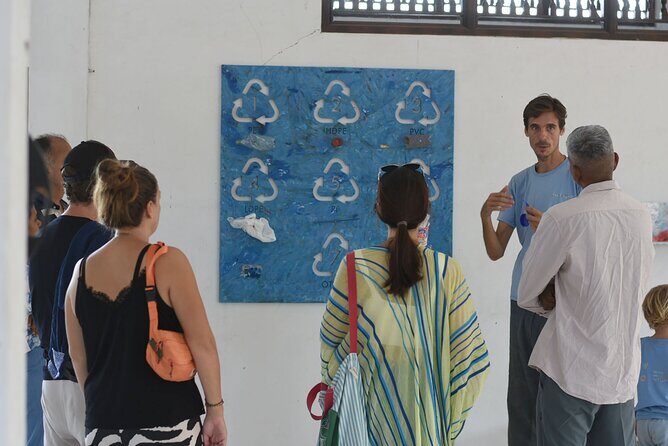
- Sort bottle caps by color and type, then use the results in your hands-on making
- Create recycled artwork from plastic waste, guided end to end
- Watch a CNC demo where plastic gets cut into products like surfboard racks and furniture
- Learn why recycling is complicated, including different plastic types used in everyday items
- Take home a handmade keychain made from Bali’s recycled plastic
A working recycling studio in Bali (Kemenuh, near Ubud)
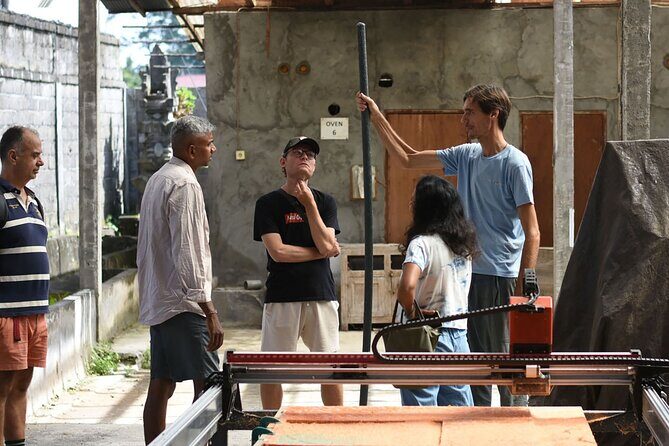
If you’ve seen Bali’s scenic side, this workshop gives you the other side of the island—the materials side. r•Plastic runs a real studio where waste is processed into usable items. That means you’re not just hearing a lecture. You’re standing in the workflow.
The location is Kemenuh, in the Gianyar area, starting at F73J+CFR on Jl. Ir. Sutami, Sukawati. The activity ends back at the same meeting point, so you’re not juggling a long transfer or multiple drop-offs.
The session lasts about 1 hour 30 minutes. The group stays small, up to 20 people, which helps when it’s time to sort, make, and ask questions. You’ll also use a mobile ticket for the experience.
You can also read our reviews of more tours and experiences in Ubud.



What you’ll do in 90 minutes: sorting, making art, and the CNC moment
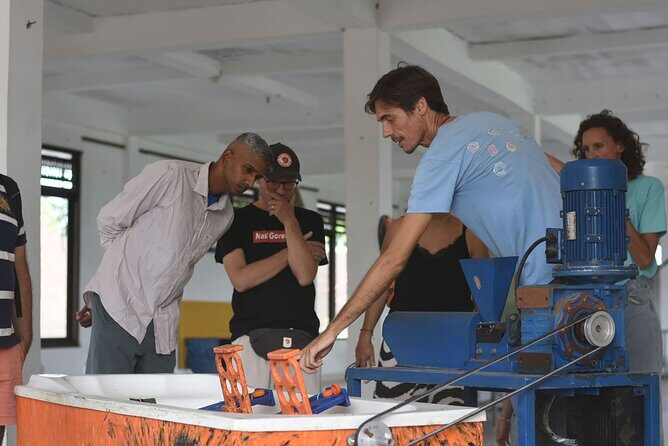
This workshop is built to keep your hands busy. It’s also built to show you how much sorting affects outcomes.
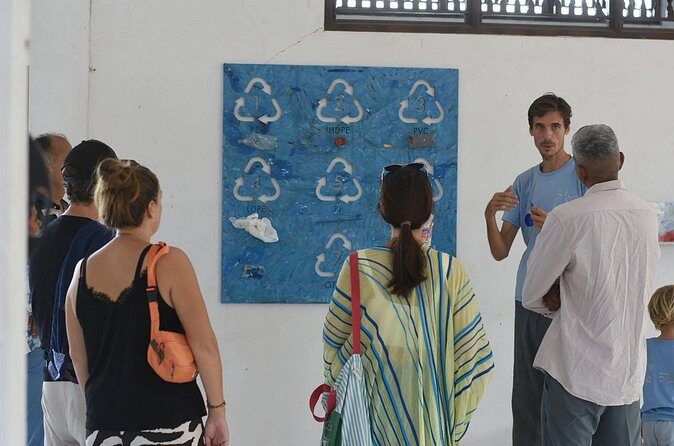
You start with a welcome and intro that frames the “why.” Martijn and the team talk about Bali’s plastic problem and why recycling matters, with insights drawn from years in sustainability and product design. That context matters because it turns the activity from a cute craft into something you understand.
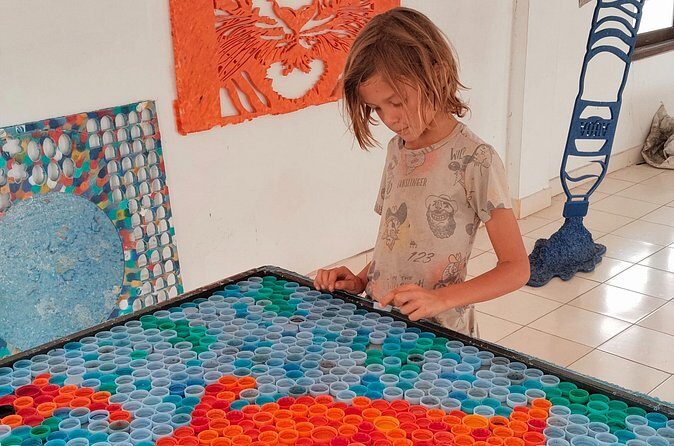
Then you move into the main hands-on part. You’ll sort plastic bottle caps by color and type. This isn’t busywork; it’s the foundation for making consistent materials later. If you’ve ever wondered why recycling rules feel confusing, this is where you start to see the logic.
After sorting, you’ll create your own artwork from recycled plastic. The point isn’t to produce a museum-quality sculpture in 90 minutes. It’s to experience the process—how pieces combine, how you handle recycled material, and how design ideas show up when your “raw material” is waste.
Next comes the machine demo that many people remember most: the CNC machine. You’ll watch plastic turn into products, including surfboard racks and furniture. Even if you don’t know CNC terminology, you’ll get the idea: the studio isn’t only collecting plastic. It’s actively transforming it into specific shapes for real-world use.
Finally, you wrap up with Q&A and a souvenir. You can ask anything during the conversation time, and you’ll take home a handmade keychain made from Bali’s recycled plastic. It’s the kind of reminder that feels more honest than a fridge magnet.
The studio tour and machine demos: learning how decentralized recycling works
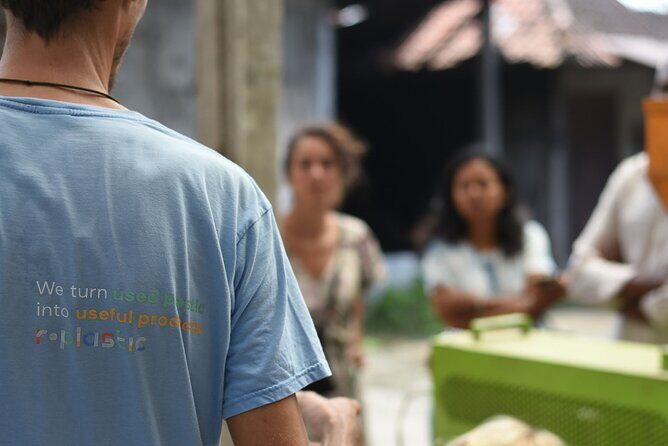
One thing I appreciate about this experience is how the studio shows its process without hiding behind vague claims. You’re walking through a functioning setup where machines help convert sorted plastics into usable outputs.
You’ll see how plastic is recycled using self-built machines. That detail is important. It suggests a hands-on, problem-solving approach rather than a one-size-fits-all pipeline. It also helps you understand the bottlenecks: sorting takes effort, and not every piece of plastic behaves the same way.
The team also explains plastics and recycling in a clear, practical way. You’ll learn about plastic types and Bali’s waste challenges. One of the educational takeaways from school groups is that people can learn about the seven different types of plastic used in daily life. Even if you don’t memorize all the categories, you’ll leave with a better sense that recycling isn’t one switch you flip.
The studio’s product design angle comes through in the demos. When you see plastic being cut for functional items, you understand the difference between recycling as disposal vs. recycling as manufacturing. In other words: it’s not only about reducing trash. It’s about making better use of material that already exists.
Price and value: why $15.06 can feel fair here
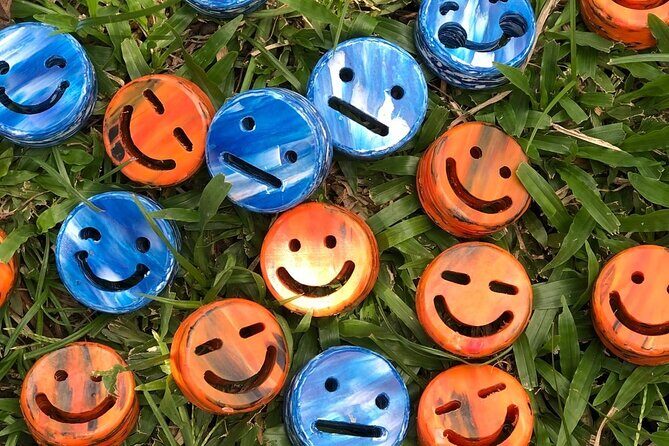
At $15.06 per person for about 1 hour 30 minutes, this workshop can be good value if you care about more than a quick photo stop. You’re paying for a guided process plus materials and outcomes you can take home.
Here’s what your money effectively buys:
- A working studio visit and explanations about plastics and recycling
- Hands-on activities (sorting and making recycled artwork)
- A machine demonstration, including a CNC cut demo into real products
- A handmade keychain souvenir made from recycled plastic
- Bottled water is not provided in plastic form, but you can top up your own bottle for free
- Parking space is available
A lot of activities in Bali charge for entertainment, then send you back without much to show. Here, you get both learning and a physical reminder. If you’re traveling with kids or you just like hands-on activities, that added value can matter more than it does for a passive tour.
Bottled water, no lunch, and what to wear
This experience has one simple rule: bring yourself, and bring a reusable bottle if you can. Bottled water is not available because they avoid single-use plastic. You can top up your water bottle for free.
Lunch isn’t included. So plan a snack or a meal before or after. Also, since the experience requires good weather, dress like you might be outside for part of the session. Light layers are smart. Closed-toe shoes help if you’re moving around workshop spaces.
If you’re sensitive to heat, aim for a time of day that doesn’t fry you. The tour duration is short, but Bali sun is not subtle.




Who this suits best (and who might want to skip it)
This is a strong fit if you:
- Want a Bali experience beyond beaches, temples, and rice terraces
- Like practical activities where you can see cause and effect
- Travel with kids or teens who learn better by doing
- Care about sustainability but prefer real examples over slogans
It’s especially friendly for young groups. School field trips have visited r•Plastic for hands-on learning, including Grade 2 classes and workshops for children around ages 7 to 8. Families have also reported that kids enjoy the creative angle and the machine demos.
You might not love it as much if you’re only looking for scenic photos or a very passive experience. There’s a learning component and a making component. It rewards curiosity and patience.
Small group size and Q&A: why the pace feels human
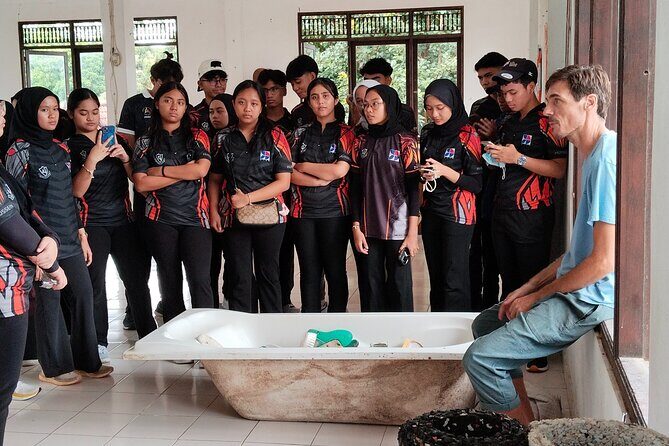
The workshop caps at a maximum of 20 travelers. That matters for two reasons.
First, you can actually participate in sorting and making without feeling like you’re stuck watching others. Second, it’s easier to ask questions during the Q&A. Martijn and the team explain the process with enthusiasm, and the setting supports real back-and-forth.
The pace is also compact: 1 hour 30 minutes. That’s long enough for the storyline—intro, sorting, making, machine demo, wrap-up—but short enough that it won’t steal half your day. For many people, that time window is perfect.
The souvenir keychain: small, but meaningful
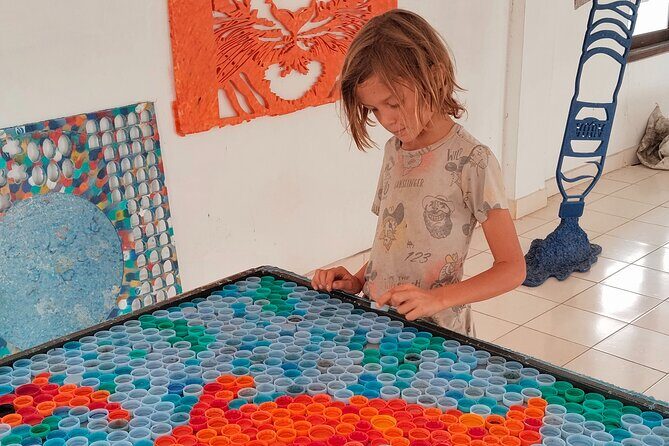
Most tours hand you a discount coupon or a generic store bag. This one ends with a handmade keychain made from Bali’s recycled plastic.
That matters because it keeps the message grounded. You’re not only learning about recycling. You’re leaving with an object that demonstrates the studio’s output.
It also makes a nice gift. It’s small and personal, and it connects to something you did—not just somewhere you went.
Weather, timing, and how to plan around the workshop
This experience requires good weather. If weather is poor, it may be canceled with an option to choose another date or receive a full refund. You’ll also get confirmation at booking time.
If you’re planning your Bali days tightly, treat it like a real activity with a “weather check” built in. Since the workshop is about 1.5 hours and returns to the same meeting point, you can usually plan it as an early or late block between other plans.
Booking tends to happen in advance—on average, it’s booked about 23 days ahead—so if your dates are fixed, plan early.
Should you book r•Plastic in Bali?
Book this workshop if you want a Bali activity with real substance. You’ll sort plastic caps, make recycled artwork, watch a CNC demo, and take home a handmade keychain. You’ll also leave with a better understanding of why recycling depends on plastic types and careful separation.
Skip it if you’re short on time, strongly prefer passive sightseeing, or you won’t be able to match the weather requirement. Also remember: no lunch is included, and you’ll need to rely on water bottle top-ups.
If you’re the type who likes learning by doing, this one is hard to beat for the price.
FAQ
Where is the meeting point for the r•Plastic workshop?
The start point is F73J+CFR, Jl. Ir. Sutami, Kemenuh, Kec. Sukawati, Kabupaten Gianyar, Bali 80582, Indonesia. The activity ends back at the meeting point.
How long does the experience last?
The duration is about 1 hour 30 minutes.
How much does it cost?
The price is $15.06 per person.
What’s included in the workshop besides the tour?
You’ll get bottled water top-ups, a studio introduction and machine demos, hands-on sorting and artwork activities, and a handmade keychain souvenir.
Is lunch included?
No. No food or drinks are available. You can top up your own water bottle for free.
Is bottled water provided?
Bottled water is not available, since they avoid single-use plastic. You can top up your own reusable bottle for free.
How big are the groups?
There is a maximum of 20 travelers.
Do I get a ticket on my phone?
Yes, the experience uses a mobile ticket.
What if the weather is bad?
The experience requires good weather. If it’s canceled due to poor weather, you’ll be offered a different date or a full refund.
Is free cancellation available?
Yes, you can cancel for free up to 24 hours in advance for a full refund.