REVIEW · UBUD
Ubud Arts & Crafts Tour
Book on Viator →Operated by Tour East Indonesia · Bookable on Viator
Want crafts without the long haul?
This 4-hour Ubud arts and crafts tour is a smart way to connect the dots between Bali’s workshop culture and its art scene. You’ll head from the tourist coast inland to Celuk for gold and silver work, then to Mas for hand-carved wood pieces and dance masks, and finish in Ubud where galleries mix traditional and contemporary painting.
I especially like the hands-on focus: you watch skilled makers work in their own spaces, not just admire finished items. The guide’s explanations also help you understand what you’re looking at—like how specific carving styles or jewelry details come to life.
The main thing to consider is shopping. You’ll spend time in higher-end shops and galleries, and you may see the same or similar pieces for less money in other areas like Legian/Kuta. Go in with patience, compare prices, and treat purchases as a choice—not a requirement.
In This Review
- Key Things I’d Not Skip
- Ubud’s Crafts Trail: A Fast Way to See Celuk, Mas, and Ubud
- Morning Logistics: Pickup, Timing, and How the Day Moves
- Celuk Village Gold and Silver Workshops: What You’ll Actually Watch
- Mas Carving Center: Masks, Hand Tools, and Hindu Myth
- Ubud Art Market and Galleries: How to Shop Smart
- Price and Value: Is $50 Worth It for 4 Hours?
- Who This Tour Fits Best (and Who Might Want a Different Plan)
- Should You Book the Ubud Arts & Crafts Tour?
- FAQ
- What time does the Ubud Arts & Crafts Tour start?
- How long is the tour?
- Does the tour include hotel pickup and drop-off?
- Are food and drinks included?
- Are admission tickets included?
- Can I cancel for free?
Key Things I’d Not Skip
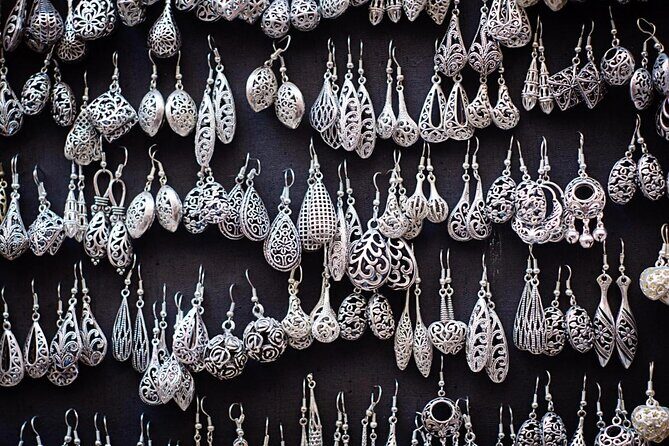
- Celuk Village gold and silver workshops where jewelry is made in real working studios
- Mas woodcarving with attention to natural forms and Hindu myth characters
- Ubud’s art shopping stop mixing traditional paintings and contemporary works
- Hotel pickup and drop-off included for an easier inland morning
- Small-group feel (max 15 people) that keeps the pace from getting too rushed
- Admission tickets included for the three stops, so your time is used efficiently
Ubud’s Crafts Trail: A Fast Way to See Celuk, Mas, and Ubud
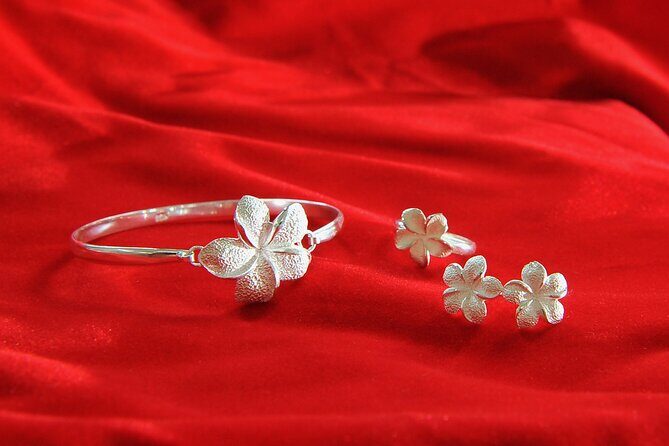
If you’re in Bali with limited time, this tour hits a solid sweet spot. In about four hours, you get three different craft “worlds” that are usually scattered across the island—metalwork in Celuk, woodcarving in Mas, and art and galleries in Ubud. It’s not a museum day. It’s closer to seeing how Bali’s creative economy actually works.
What makes this route work well is the flow. You start with jewelry—process-heavy, detail-heavy, and easy to follow once you see the steps. Then you move to woodcarving, where the changes happen from rough shaping to fine cuts, including traditional dance masks. Finally, you end in Ubud, where you can step back and look at how artists market their work, from local styles to more international painting.
You’ll also get a guided frame that matters. Without someone to connect the dots, it’s easy to treat every shop like the next one. With a guide, the differences between styles become easier to spot, and you’re more likely to ask the right questions (like materials, techniques, and what’s actually handwork versus factory-style production).
This is also a good reminder that Bali isn’t only about beaches. One of the best “side effects” of craft tours is that they can change where you want to base yourself. After seeing Ubud this way, it’s easy to understand why people often wish they’d planned their stay closer to the center.
You can also read our reviews of more tours and experiences in Ubud.



Morning Logistics: Pickup, Timing, and How the Day Moves
The tour starts at 8:30 am and runs about 4 hours. That timing is great because you’re inland early, before the hottest part of the day and before the shops get crowded with day-trippers.
You’ll have hotel pickup and drop-off included from major areas such as Kuta, Seminyak, Sanur, Jimbaran, and the Nusa Dua area. So you’re not stuck figuring out transport between scattered villages. The plan is by coach, which also helps if you’re traveling with luggage, or if you just want an easy morning rhythm.
If you’re not picked up from a hotel, the meeting point is listed in the Celuk area (Celuk, Sukawati, Gianyar Regency). Either way, it helps to be ready a few minutes early, since coach schedules can be tight.
Two small details worth noting:
- The tour uses a mobile ticket, so have your confirmation ready on your phone.
- The group is capped at 15 travelers, which usually means shorter lines at stops and more room for your guide to answer questions.
What I’d plan mentally: this is a “see and understand” tour, with shopping options at the end. You’ll have time to look around, but it’s not designed for slow browsing for hours.
Celuk Village Gold and Silver Workshops: What You’ll Actually Watch
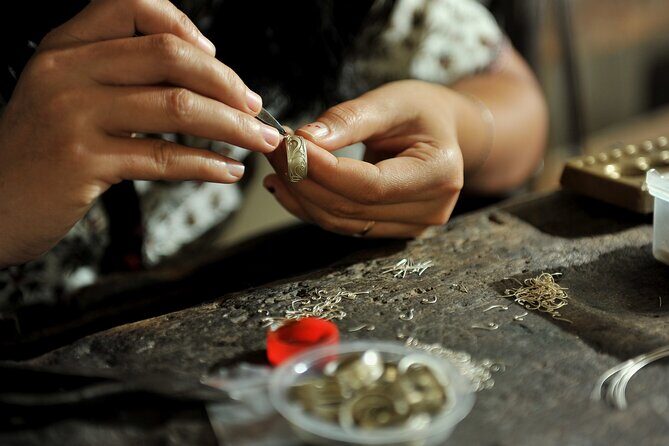
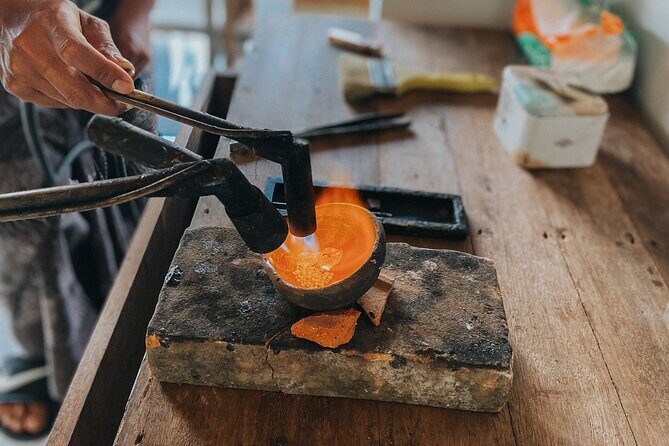
Celuk is known for gold and silver work, and this stop is the tour’s most process-driven moment. You’ll walk through areas with artisan workshops and galleries, where jewelry makers design and create pieces in working spaces.
The best part here is not just the shine of the finished jewelry. It’s the way the guide helps you connect the finished product to the steps behind it. Once you’re watching the process, details that might look like decoration start to feel like craft decisions—like how parts get shaped, finished, and assembled into something you can wear or gift.
You’ll also get cultural context that makes Celuk feel more than a sales stop. The guide talks about the families behind the craft—jeweler households that keep knowledge going through generations. Even if you’re not buying anything, that framing helps you appreciate why the work looks the way it does.
A practical tip for this stop: decide early what your goal is. If you’re shopping for a ring or pendant, spend the first part of Celuk learning the look and quality signals you want—then shop with that checklist in mind. If you’re not buying, keep your questions focused on technique and materials so the visit stays interesting.
One more reality check: this is Bali, so you’ll see lots of display pieces. Some are higher-end and some are more budget-friendly. Your guide can help you interpret what you’re seeing, but you’ll still want to compare, especially later when you’re in other parts of Bali.
Mas Carving Center: Masks, Hand Tools, and Hindu Myth
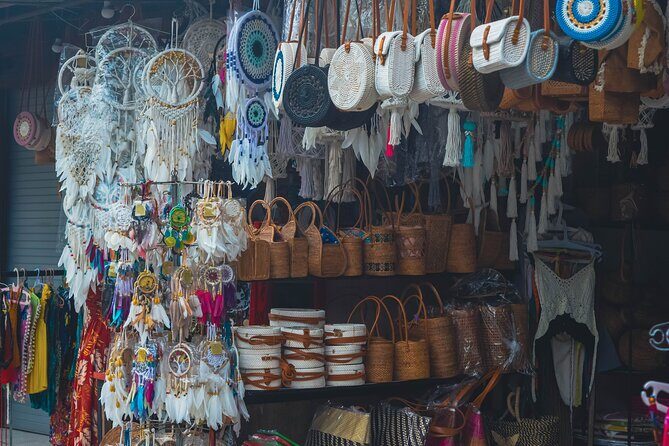
Mas Village is where Bali’s woodcarving style becomes the star. Expect more than souvenir carvings—you’ll see woodworkers creating naturalistic forms and characters drawn from Hindu mythology.
This stop works because it’s visual. Woodcarving is easier to understand when you can see the tool marks and the sequence of shaping. You’ll have a chance to meet local woodcarvers who still carve by hand. That matters: even if two pieces look similar from far away, handwork tends to show itself in texture and the way details are formed.
And yes, masks are a big highlight here. Traditional dance uses masks that aren’t just decorative—they’re part of ritual storytelling. Seeing the carvers make something designed for performance gives you a better sense of why certain facial expressions and patterns are so specific.
What can be a downside? Woodcarving centers can feel sales-forward, especially when you’re taken through workshops and showrooms. It’s not automatically bad—it’s just the environment. Go in knowing you’re paying for education and access, not just browsing.
If you want the most value from Mas:
- Ask how specific designs relate to dance or myth characters.
- Watch for craftsmanship differences, not only the final image.
- Keep your expectations realistic about price; handwork costs more than mass-produced art.
Ubud Art Market and Galleries: How to Shop Smart

Ubud is the art-and-culture hub, and the final stop reflects that. You’ll visit a high-quality shop or gallery area with a guide, where you can view traditional Balinese paintings alongside contemporary works.
This is the part of the tour where shopping becomes more likely. The positive side is that the guide helps you understand what makes Balinese art distinctive, so you’re not just looking at pretty frames—you’re learning how the region’s style works and how artists communicate through it.
The cautious side is pricing. One clear piece of advice from the people who enjoyed this tour most (and also compared later) is that you can find similar items for less money in other parts of Bali, like Legian/Kuta. That doesn’t mean everything here is overpriced. It just means you should treat this stop like a place to learn, then decide where and when to buy.
If you’re trying to avoid regret:
- Don’t buy the first thing you like in Ubud.
- Ask what’s handmade and what’s mass-produced when it’s not obvious.
- Keep an eye on the price difference between items that look almost identical.
Also, remember the tour doesn’t include meals or drinks, so your energy matters. If you’re scanning artworks for quality, get water when you can and take a short breather if you feel rushed.





Price and Value: Is $50 Worth It for 4 Hours?
At $50 per person, this tour isn’t just a simple “drive-by craft day.” It includes meaningful value points:
- Hotel pickup and drop-off from major areas
- A guided visit that explains what you’re seeing
- Admission tickets included for the three stops
- A small group setting (max 15), which usually improves the quality of questions you can ask
The value depends on how you like to travel. If you enjoy learning—process, techniques, and culture—this price can feel fair. You’re paying for time saved and knowledge provided, not only for access to shops.
On the other hand, if your main goal is bargain shopping, the structure can work against you. The tour includes stops that can skew toward higher-end galleries. The experience can still be great, but bargains might require extra comparison on your own afterward.
One note that can cause confusion: the tour details say food and drinks are not included. Still, some departures may include a pleasant break that guests remember fondly as lunch. Regardless, plan as if you’ll need to cover snacks and drinks yourself. Keep a small amount of cash for water and simple items you want during the day.
If you’re traveling as a group, the tour advertises group discounts. The practical move is to ask your guide how those work, since discount rules can vary depending on the stop and what you’re shopping for.
Who This Tour Fits Best (and Who Might Want a Different Plan)
I think this tour suits you if:
- You want a short, guided arts itinerary without planning transport between three different areas.
- You like seeing makers at work—especially the jewelry process in Celuk and hand carving in Mas.
- You’re curious about Balinese art beyond what you see in tourist shops.
- You want a structured way to decide what you’d like to buy later (if anything).
I’d be a bit more selective if:
- You hate shopping pressure. Even when it’s educational, the environment is still full of sales.
- You’re mainly chasing the lowest prices. The tour can include higher-end stops, and other areas like Legian/Kuta may offer better deals on similar items.
- You want a long, slow craft experience. Four hours is enough for a strong overview, but not for deep specialization in one craft.
Also consider your base location. If you’re staying on the coast, this tour is a great “inland taste test.” If Ubud clicks for you, you’ll quickly understand why some people end up regretting not planning their stay closer to the action.
Should You Book the Ubud Arts & Crafts Tour?
I’d book it if you want an efficient first look at Bali’s craft culture—especially if you’re the kind of person who likes to understand how things are made. The Celuk + Mas + Ubud mix is a tidy way to learn the range of Bali’s creative strengths in one morning, and the pickup makes it stress-free.
I would hold off if your priority is pure value shopping at the lowest possible price. This tour can be excellent for learning and seeing craftsmanship up close, but it’s not designed as a budget-hunt route.
If you do book, go in with a plan:
- Spend your first stop learning what quality looks like.
- In Ubud, browse with a comparison mindset.
- Keep snacks and water in mind, since meals aren’t included.
If that style of day matches how you travel, this is a solid pick.
FAQ
What time does the Ubud Arts & Crafts Tour start?
The start time is 8:30 am.
How long is the tour?
The tour lasts about 4 hours (approx.).
Does the tour include hotel pickup and drop-off?
Yes. Pickup and drop-off are included from major hotels in Kuta, Seminyak, Sanur, Jimbaran, and the Nusa Dua area.
Are food and drinks included?
No. Food and drinks are not included.
Are admission tickets included?
Yes. Admission tickets are included for Celuk Village, Mas Carving Center, and the Ubud Art Market stop.
Can I cancel for free?
Yes. You can cancel for a full refund if you cancel at least 24 hours before the experience’s start time. Free cancellation is listed.