REVIEW · NUSA DUA
Ubud Pottery Ceramic Class in Bali
Book on Viator →Operated by Bali Tourist Information · Bookable on Viator
Pottery class in Ubud can be surprisingly useful. Here, you spend about 3 hours with local artisans, shaping 2kg of clay into pieces you can actually use as souvenirs or gifts. It’s not just watching a demo—it’s making decisions with your hands, from molding to wheel work, with guidance as you go.
I like two big things: you get both hand-building and wheel time, so you leave knowing more than one method. And I also like the teaching approach—mentors start from basics and explain key techniques clearly, including how different clays work and why not every soil is suitable for ceramics.
One thing to plan for: if you want to take your pottery home, you need at least 4 days left in your trip. That timing matters.
In This Review
- Key highlights
- Ubud pottery in Singapadu: why this setting feels like Bali
- 2kg of clay and two methods: hand-building plus wheel throwing
- The mentor-led approach: clear basics you can actually use
- Inside Tana ampo Pottery Studio: what the 3 hours feel like
- Getting there from central Ubud: Singapadu travel time reality
- Price and value: what $31.31 buys you in the real world
- Taking your pottery home: plan for at least 4 days
- Who this class suits (and when it might not)
- Should you book this Ubud pottery class?
- FAQ
- How long is the pottery class?
- Where does the class start?
- What’s included in the price?
- Is the group small?
- Can I take my pottery home?
- How much does it cost?
Key highlights

- Small group size (max 10) helps you get more direct coaching
- 2kg of clay gives you enough material to actually shape, test, and finish
- Hand-building plus wheel work so you learn two core styles
- Garden setting at Tana ampo Pottery Studio makes the class feel calmer than a typical workshop
- You’ll learn clay basics like different clay types and core techniques (spinning, molding, hand-building)
- Mobile ticket and confirmation at booking make it easy to organize
Ubud pottery in Singapadu: why this setting feels like Bali
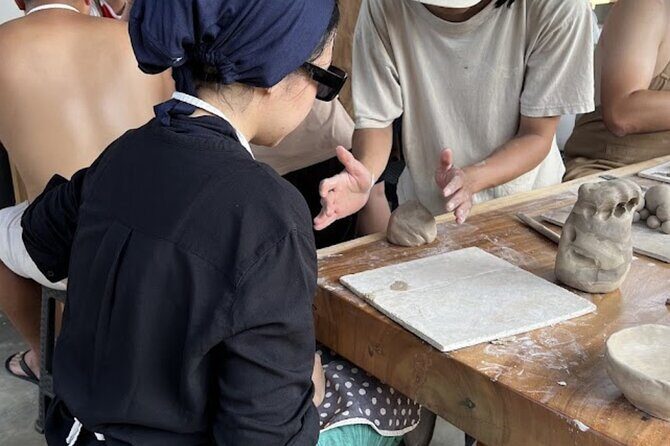
This class runs out of Tana ampo Pottery Studio in Central Singapadu, Sukawati (Gianyar Regency), which puts you in a real working area—not a theme-park version of craft. The studio is described as set in a beautiful garden, and that matters more than you’d think. When your session is hands-on, you want somewhere that feels calm while you’re learning something messy, physical, and a little unpredictable.
The big value for you is the mix of simplicity and authenticity. You’re not juggling a long sightseeing schedule. Instead, you focus on one craft with local artisans guiding you. That’s how you get a skill-level experience rather than a quick souvenir stop.
There’s also a practical rhythm to the class: you’ll do steps in order (basic shaping, then wheel work, then finishing touches), and the mentor team stays close enough to correct common mistakes early. That keeps the session fun instead of frustrating.
You can also read our reviews of more tours and experiences in Nusa Dua

2kg of clay and two methods: hand-building plus wheel throwing
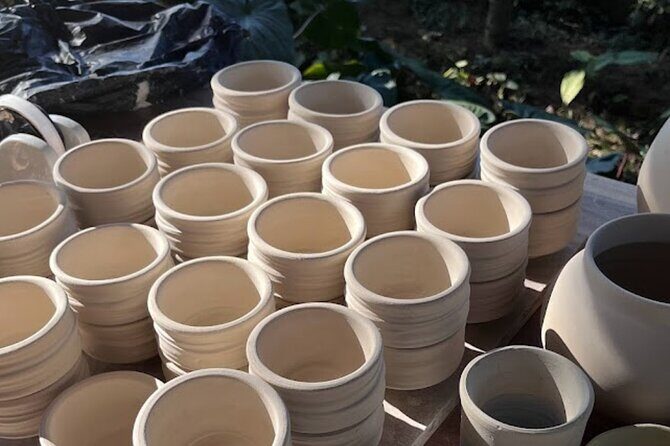
The core of the experience is the clay itself: 2kg of material that you shape into your own pieces. Based on past sessions, the most common outcome is that you’ll make two pieces—often one made by hand and one thrown on the wheel.
That combination is great value. If you only do hand-building, you miss the satisfying moment when the wheel pulls your form into shape. If you only do wheel throwing, you miss the slower, more sculptural side where you learn how to build a form from the ground up. Getting both means you can compare methods right away, and you’ll understand what each technique is good for.
Here’s what this usually teaches you during the 3 hours:
- Molding and shaping: learning how to create a form without making it too thin or too lumpy
- Wheel work (spinning): understanding how pressure, centering, and pacing affect the final shape
- Personal touches: adding marks and choices so your pieces don’t look like carbon copies
And yes, your hands will look clay-smeared by the end. That’s normal. If you’re the type who hates mess, you can still enjoy this—just wear clothes you don’t mind risking, and plan to wash up afterward.
The mentor-led approach: clear basics you can actually use
A lot of Bali craft activities feel like you’re following instructions at arm’s length. This one feels closer to a real lesson. The teaching style shows up repeatedly: mentors are described as professional, and they teach from the basics in a way that’s easy to follow.
You also learn more than just what to do with the clay. One review highlights learning that not all soils can be used to make ceramics. That’s a useful lesson because it turns the class from a simple activity into real understanding. Once you know that clay type matters, the rest of the workshop makes more sense—why your piece behaves the way it does while shaping and why some techniques work better than others.
You’ll likely come away knowing the names (and purpose) of core approaches like:
- Wheel throwing (spinning)
- Hand-building
- Molding
Even if you don’t remember every term later, the takeaway is practical: you’ll better understand what you’re looking at when you see Balinese ceramics for sale. And that makes the souvenir value more meaningful.
Inside Tana ampo Pottery Studio: what the 3 hours feel like
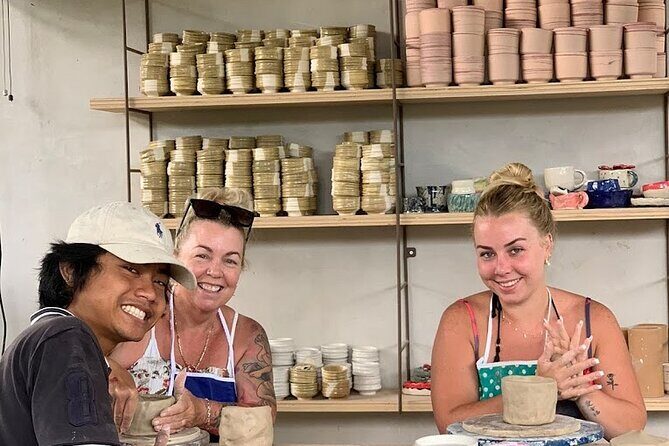
This class is short enough to fit a day trip, but long enough to feel like you did something real. The stated duration is about 3 hours, and the class ends back at the meeting point, Tana ampo Pottery Studio.
A typical flow (based on how the class is described and what people report making) looks like this:
- Arrive and get started with guidance from the mentor team
- Work with your first piece by hand, learning how to shape and manage thickness
- Move to the wheel for spinning and forming
- Add personal details so your pieces feel like yours, not like a kit project
- Wrap up and move into the take-home timing process (if you want pickup)
Why this pacing is good: you don’t spend all your time watching or waiting. You rotate through skills, so you stay engaged. And if you’re a beginner, the hand-building portion helps you learn control first, before wheel work asks for faster coordination.
Also, because the group max is 10 people, you’re less likely to get stuck waiting for help. That small-group detail is a quiet quality upgrade.
Getting there from central Ubud: Singapadu travel time reality
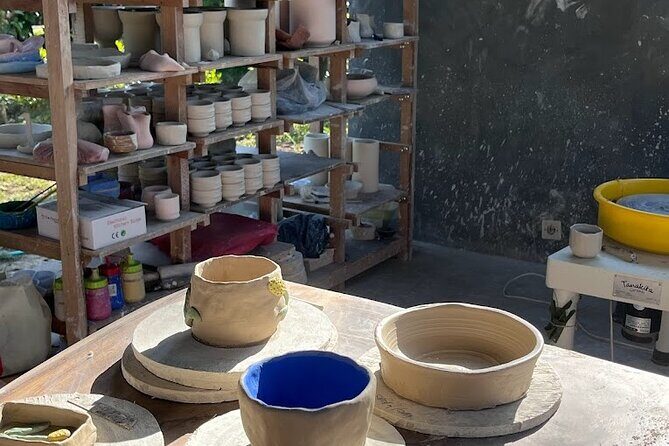
Location is the main logistics consideration. The studio is in Singapadu/Sukawati, which is roughly 30 minutes from central Ubud in easier traffic, but it can take longer depending on where you’re staying and what the roads do that day.
If you’re planning this on the same day as temples, rice terraces, or a sunset plan, I’d treat this as a “buffer-friendly” activity. Going to and from the studio can eat time—especially if you hit traffic near Ubud’s busiest areas.
Practical tip: schedule this class for a time when you’re not under pressure to be somewhere else right afterward. That keeps the ride stress low and your mind focused on the lesson.





Price and value: what $31.31 buys you in the real world
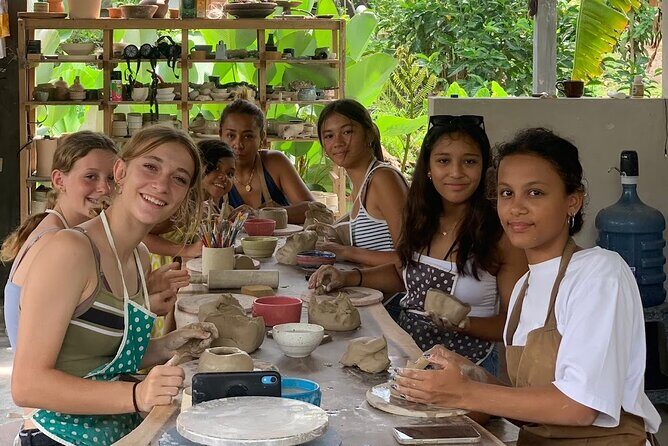
The price is $31.31 per person, and that’s only a fair deal if you feel the learning time is “worth it.” Here, you’re paying for guided instruction plus 2kg of clay, and the class is designed for small groups.
So where the value comes from:
- You’re not just paying for a souvenir. You’re paying for a guided making session.
- 2kg of clay is meaningful. That’s enough to learn, make choices, and produce finished-looking pieces (not just one quick attempt).
- Wheel time plus hand-building gives you more skill coverage than a single-style class.
What’s not included is mostly personal spending: the listing notes personal expenses are on you. That’s normal for most experiences, but it’s still worth noting. If you want to buy additional ceramic items at the studio or nearby, keep a little budget set aside.
Also, the experience includes a mobile ticket, and you receive confirmation at booking time, which reduces admin headaches when you’re juggling a busy Bali trip.
Taking your pottery home: plan for at least 4 days
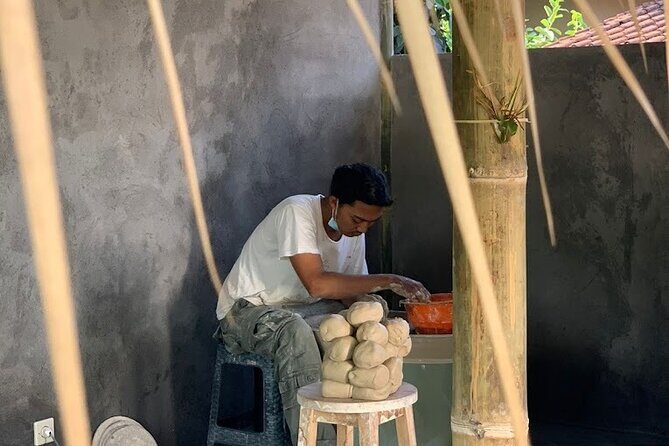
Here’s the key detail that changes how you should book. The class notes say: if you want to take your work home, make sure you have minimum 4 remaining days.
That rule likely exists because ceramics need time after shaping—time for drying and processing before they’re stable enough to pack. Even without getting technical, the practical point is simple: don’t schedule your class on your last day if you want the pieces to be ready.
How to use this advice:
- If you have a longer Bali stay, this class fits beautifully.
- If you’re on a tight schedule, either plan pickup timing carefully or treat it as a learning-only experience and focus on photos and notes.
Who this class suits (and when it might not)
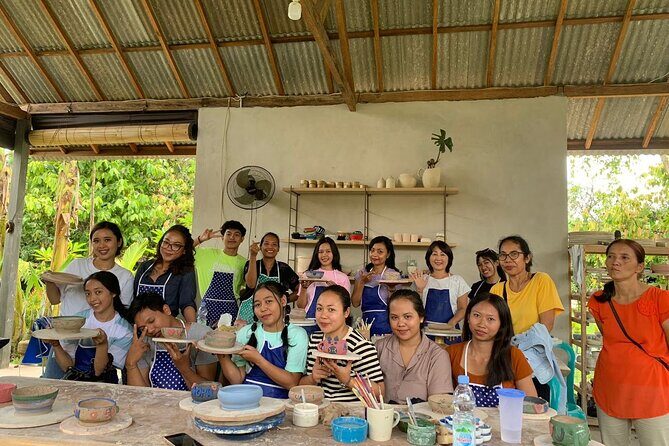
This is a solid choice if you want a hands-on cultural activity that teaches you real craft basics in a short window. It’s especially good for people who like learning by doing and who want an activity that’s not dependent on big group tours or loud bus schedules.
It also works for different comfort levels. The class says most people can participate, and the teaching is described as starting with basics, which helps first-timers feel grounded.
You might consider skipping it if:
- Your itinerary is too tight for the 4-day take-home rule
- You hate mess and hands-on work (clay is clay)
- You’re looking for a major sightseeing day, because this is mostly about the studio and the craft
Should you book this Ubud pottery class?
I think you should book it if you want a memorable Bali activity with real output—especially if you’re interested in how ceramics are made, not just buying something finished. The small group size, the 2kg clay amount, and the chance to do both hand-building and wheel work make it feel like more than a quick “try it” session.
If you can handle a bit of scheduling around the 4-day pickup timing, this class is a smart value at $31.31. And if you’re already near Ubud, it’s a nice change of pace that trades temples and traffic for a calm garden studio and practical craft lessons.
FAQ
How long is the pottery class?
The class runs for about 3 hours.
Where does the class start?
The meeting point is Tana ampo Pottery Studio, with the location given as C793+8PH, Central Singapadu, Sukawati, Gianyar Regency, Bali 80582, Indonesia.
What’s included in the price?
The guided pottery class and 2kg of clay are included.
Is the group small?
Yes. The class has a maximum of 10 travelers.
Can I take my pottery home?
Yes, but you need at least 4 remaining days in your trip if you want to take your work.
How much does it cost?
The price is $31.31 per person.