REVIEW · NUSA DUA
Bali Art Experience: Batik Painting & Cultural Connection
Book on Viator →Operated by Oedel Batik Experience · Bookable on Viator
Batik is craft time with real payoff. This workshop in Nusa Dua teaches the wax-resist batik method in a relaxed setting, and you leave with a personal cloth design you made by following a clear step-by-step flow. I like that the process starts with tracing a template onto your fabric, so beginners can jump in without feeling lost. I also like the human side: the licensed instructor Jenn explains each move clearly and still lets you make the design your own.
One important consideration: the last part happens later. You do the main class steps at the table, but the remainder of the process is done at home after at least 24 hours, using a handout. That means you’re not done the moment you stand up from the workshop table, but you also aren’t rushed.
For practical travelers, this is a straightforward, private-style class (only your group) with most tools and fabric handled for you. Food and transportation are not included, so you’ll want a plan for getting there and grabbing a meal before or after.
In This Review
- Key things you’ll notice in this batik class
- What you actually make: a batik print you own
- The class flow: tracing, melted wax, colors, then fixing liquid
- Nusa Dua Beach and Mengiat Beach: why the day starts coastal
- Jenn’s teaching style: clear steps with room for your choices
- Price and value: what $33.45 really buys you
- Logistics that actually matter: timing, private setup, and what to plan
- The take-home step: completing the remainder after 24+ hours
- Who should book this batik workshop
- Should you book the Oedel Batik Experience in Nusa Dua?
- FAQ
- What is included in the batik class price?
- How long does the batik workshop take?
- Will I need to do anything after the workshop?
- Does the tour include food or transportation?
- Where does the activity start and end?
- What is the cancellation policy?
Key things you’ll notice in this batik class
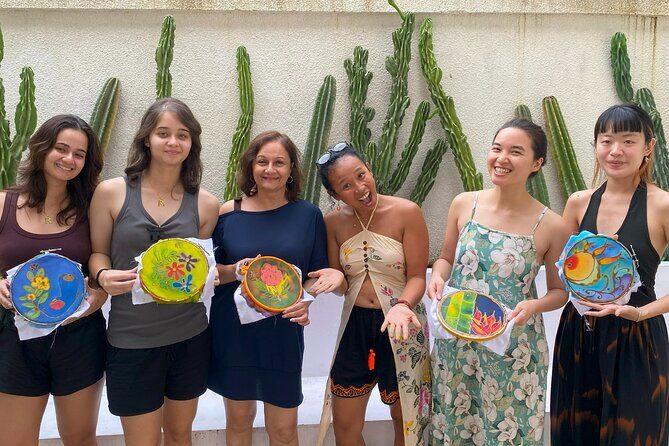
- Tracing first, painting second: you copy a chosen design onto cloth before wax goes on
- True batik workflow in plain steps: melted wax, color painting, then a color-fixing liquid
- Jenn’s clear guidance: you get instruction that supports both creativity and accuracy
- 24+ hour at-home finishing: you complete the remaining step after the initial workshop session
- Beach start area: your day includes a stop at Nusa Dua Beach and Mengiat Beach
What you actually make: a batik print you own
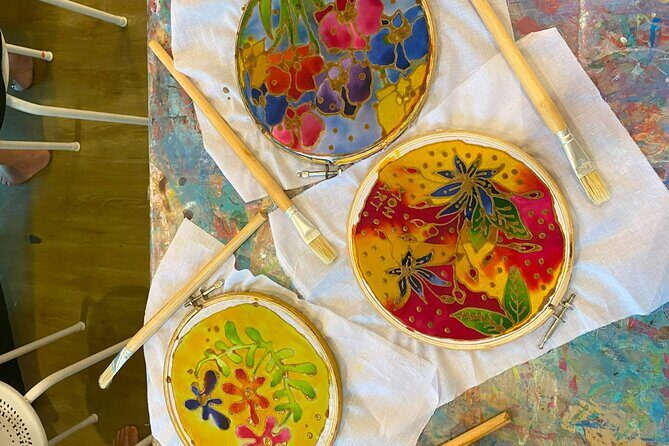
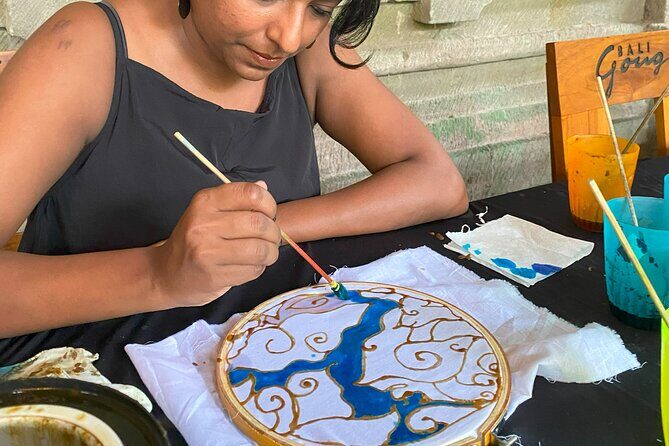
The big value here is simple: you don’t just watch a demo. You create your own batik cloth, starting from a design you choose and ending with a finished piece that’s meant to be taken away. The workshop is built around the classic batik idea: wax resists dye, so your lines and shapes stay crisp while color develops around them.
Even if your artistic skills are limited, the structure helps. You trace your design first, then you follow that traced pattern when applying wax. That matters because it turns batik from something that looks intimidating into something you can actually complete in one sitting, with guidance from a licensed instructor.
Also, the included materials take the guesswork out of the day. You’re provided with batik tools, the cloth, and a design template you can trace. If you want to bring your own simple design, you can, but you don’t have to.
You can also read our reviews of more tours and experiences in Nusa Dua.



The class flow: tracing, melted wax, colors, then fixing liquid
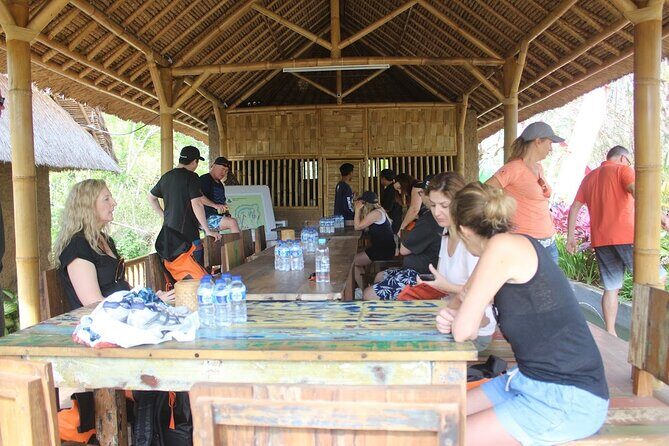
This is a hands-on class that usually lasts about 1.5 to 2.5 hours at the table, depending on how quickly your group moves through the steps. You start seated around one table, and you begin with a demonstration of the skills involved. Then you do the steps yourself, with your guide keeping an eye on what you’re doing.
Here’s the process, in the order you’ll follow:
- Choose artwork and trace it onto cloth: you use pencil to trace the chosen design onto your fabric
- Paint melted wax over the traced lines: wax is applied following your pencil outlines
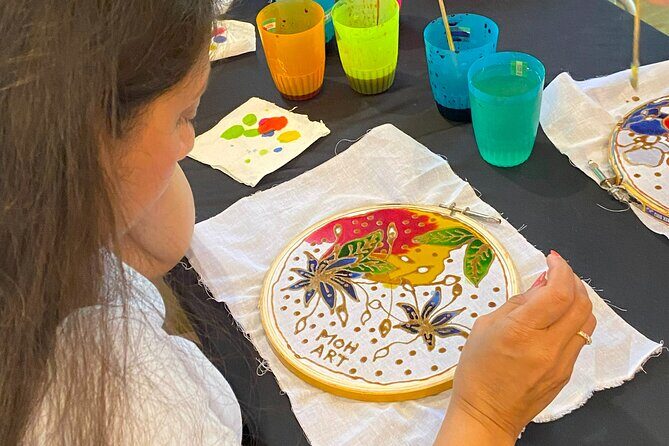
- Paint colors onto the cloth: you add color once the wax pattern is in place
- Apply a liquid to fix the colors: this step helps set the colors on the cloth
- Finish the remainder at home after 24+ hours: a handout gives you the instructions to complete the final part later
It’s a lot on paper, but it’s manageable in real time. You’re not trying to freestyle everything. Each stage has a clear purpose: tracing makes the design visible, wax creates the resist pattern, dye brings in color, and the fixing liquid helps stabilize what you put down.
Nusa Dua Beach and Mengiat Beach: why the day starts coastal
Your itinerary includes stops at Nusa Dua Beach and Mengiat Beach. That sounds like a minor detail, but it changes the feel of the day. Instead of doing a straight studio workshop in the middle of the island, you start your experience in a coastal area and then transition into craft time.
Practically, this can also help if you’re already spending most of your trip around southern Bali. You’ll likely find it easier to fit a class like this into a day that already includes beach time. Just keep in mind that transportation is not included, so getting to the meeting point and back matters.
If you’re thinking photo-wise, treat those beach stops as a quick visual break rather than the main event. The real attention is on the batik process at the table.
Jenn’s teaching style: clear steps with room for your choices
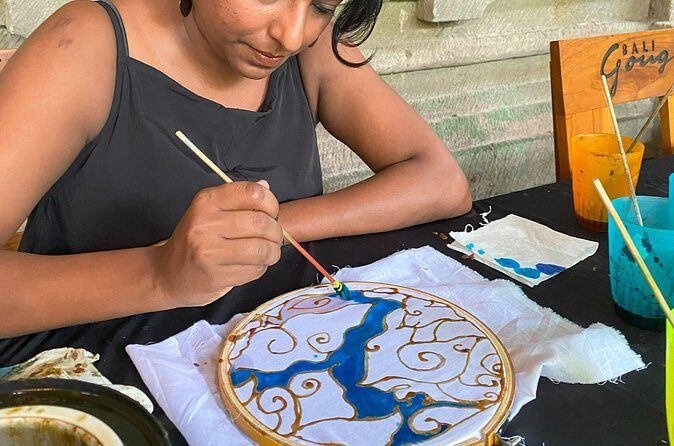
The most consistently praised part is the teaching. In this workshop, Jenn is repeatedly described as a lovely instructor who gives lots of information and keeps the class fun. That combination matters because batik has a few “pay attention” moments. Wax lines and color placement affect how the final print looks, so having an instructor who can explain each step clearly is the difference between a good-looking result and a frustrating one.
What I like about the setup is that it isn’t purely technical. You’re encouraged to be creative in your design. Even though you start with something you can trace, you still get to decide what you’ll put on the cloth. For many people, that’s the moment batik stops feeling like a craft lesson and starts feeling like your own souvenir.
Also, the class can feel personalized because it’s designed for just your group. You’re not squeezed into a giant crowd where questions get lost. That’s a big deal if you’re trying to learn the steps rather than just get something to take home.
Price and value: what $33.45 really buys you
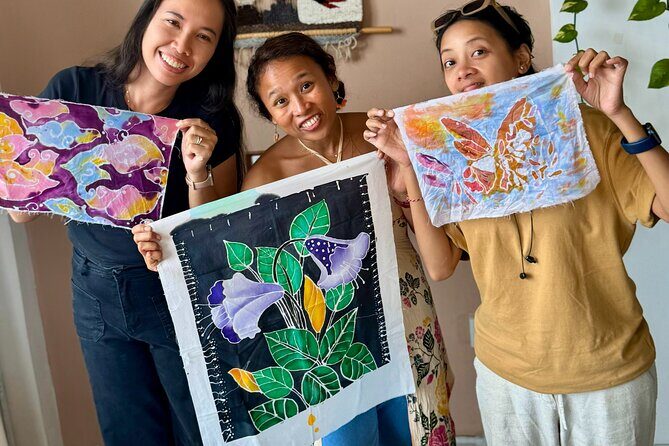
At $33.45 per person, this is not an over-the-top “tourist craft add-on” price. You’re paying for a licensed guide, the batik tools, and the cloth, plus a design meant for you to trace. If you’ve ever bought DIY craft kits at home, you know that those supplies alone can cost real money. Here, you also get instruction during the process.
What’s not included is also clear:
- Food and drink
- Transportation
So the way to think about value is this: you’re buying time, teaching, and materials. The class is priced like an experience first, not like a simple souvenir shop purchase.
Another value point is timing. The workshop is short enough to fit into a day plan, about 2 hours 30 minutes total (approx.), and you don’t need to take multiple days to learn and make the item. The only “split” is the at-home finishing step after 24+ hours.




Logistics that actually matter: timing, private setup, and what to plan
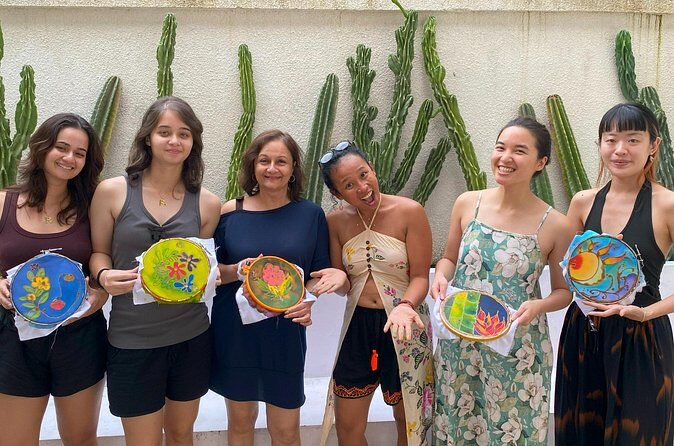
This activity runs in a window listed as Monday to Friday, 9:00 AM to 5:00 PM. The class itself is the key block, but your day planning needs to account for getting there and making it back to the meeting point, since transportation is not included.
A few more practical notes:
- It’s private for your group, not shared with strangers
- You use a mobile ticket
- The tour ends back at the meeting point, so you can plan your next stop without a long transfer
Also, it’s non-refundable and cannot be changed for any reason. That’s the kind of policy you only notice after you buy, so I’d treat it like a real commitment: plan your schedule carefully before you book.
The take-home step: completing the remainder after 24+ hours
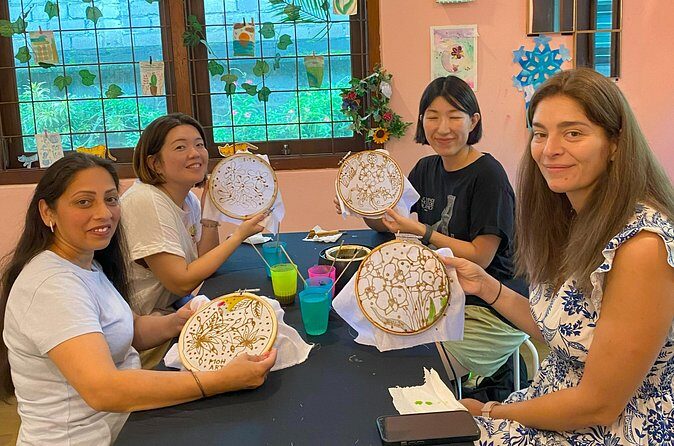
You’ll do the main workshop steps at the table, but the rest happens later. The process requires you to do the remainder at least 24 hours later at home, and the guide provides a handout with instructions.
What this means for you in real life is simple:
- Don’t schedule another “must-do” activity right after the class day that would cause you to forget the at-home part.
- Keep the handout somewhere safe. Losing it would be a pain since it’s specifically meant to guide your finishing step.
- Expect the craft result to be a two-stage project. You’ll feel the progress during the workshop, but the final part is part of the deal.
If you’re the kind of traveler who likes take-home projects, this is a good fit. If you hate follow-up tasks, you might find it slightly annoying. But it’s also common for batik, and the trade-off is that the cloth has time to settle before you complete the last phase.
Who should book this batik workshop
This class is a great match if you want a meaningful Bali activity that’s hands-on and creative. It’s especially good for:
- Anyone who enjoys crafts and wants to learn a process, not just watch it
- Beginner-friendly learners who benefit from tracing and guided steps
- Travelers who want a take-home item that feels personal
- People who like small-group instruction and a clear teacher-to-student ratio
Most travelers can participate, which helps if you’re unsure whether you’re “crafty enough.” And since it’s private for your group, you’ll get a calmer learning pace.
If you’re coming with kids, the data says most travelers can participate, but ages aren’t specified. In that case, you’ll want to judge based on your child’s attention span and comfort with detailed handwork.
Should you book the Oedel Batik Experience in Nusa Dua?
I’d book it if you want a craft souvenir with real hands-on learning. The value is strong because the price covers tools, cloth, and a licensed guide, and you create something you can call your own. The teaching seems to be the standout strength, especially with Jenn’s clear step-by-step guidance and encouragement to be creative.
You should think twice if you dislike at-home tasks. The workshop isn’t fully complete the same day. You’ll need to plan for the final step after at least 24 hours and follow the provided handout.
If your schedule and energy are flexible enough to handle that two-stage finish, this batik class is one of the more satisfying ways to spend a morning or afternoon in southern Bali.
FAQ
What is included in the batik class price?
The class includes batik tools, a design to trace into the cloth (you can also bring a simple design), the cloth, and a licensed guide.
How long does the batik workshop take?
You’ll be seated for about 1.5 to 2.5 hours, depending on how fast the process goes. The overall duration is listed as about 2 hours 30 minutes.
Will I need to do anything after the workshop?
Yes. The remainder of the process is done at least 24 hours later at home, and you’ll receive a handout with instructions.
Does the tour include food or transportation?
No. Food and drink are not included, and transportation is not included.
Where does the activity start and end?
It starts at TOPM PIZZERIA, Jl. Siligita No. 99x, Benoa, Kec. Kuta Sel., Kabupaten Badung, Bali 80361, Indonesia. It ends back at the same meeting point.
What is the cancellation policy?
This experience is non-refundable and cannot be changed for any reason. If you cancel or ask for an amendment, the amount you paid will not be refunded.