REVIEW · NUSA DUA
Individual Private Car Hire with English Speaking Chauffeur
Book on Viator →Operated by Seminyak Tour Driver Bali · Bookable on Viator
Bali from Nusa Dua feels a lot more doable when you’re not juggling rides between stops. This private hire is built for a customizable full-day route (usually 5 to 10 hours) with pickup from your lodging and air-conditioned comfort while you move across the island.
Two things I really like: you get an English-speaking chauffeur who can help shape the day around your interests, and there’s onboard Wi-Fi so you can stay connected between photo stops and viewpoints. One thing to consider up front is that entrance tickets aren’t included, and since a small number of past customers reported cooling issues, it’s smart to quickly check the air-conditioning right after pickup.
In This Review
- Key takeaways before you go
- Private, air-conditioned comfort with an English-speaking chauffeur
- What you really pay for: value of $21.54 and what’s not included
- The Ubud warm-up: Monkey Forest and the quick scenic hits
- Rice terraces, art, and the photo-stop Bali crowd will love
- Waterfalls you can swap in: Tegenungan, Tukad Cepung, and Tibumana
- Temple time: Monkey Forest, Elephant Cave, Batuan, and Saraswati
- North and east add-ons: Batur viewpoint, Tirta Empul, Goa Lawah, and Lempuyang
- Sunset-side Bali: Tanah Lot, Water Blow, and Uluwatu
- Big views in the rice world: Jatiluwih UNESCO and the Subak spirit
- How long this day really takes (and how to avoid feeling rushed)
- Should you book this private car hire from Nusa Dua?
- FAQ
- How long is the private car hire tour?
- Does the price include admission tickets?
- Is pickup included in Nusa Dua?
- Is this a private tour or shared group experience?
- Is the car air-conditioned and is there Wi-Fi onboard?
- Can the itinerary be customized?
Key takeaways before you go
- Door-to-door pickup from Nusa Dua means you lose less time to logistics and more time to sightseeing.
- Flexible route planning lets you swap between Ubud scenery, temples, and waterfall swims depending on your mood.
- Onboard Wi-Fi helps for maps, messaging, and quick planning during the drive.
- Entrance tickets aren’t included, so factor that into your daily budget.
- Bring water and be ready to confirm the car comfort at pickup, just in case conditions vary.
Private, air-conditioned comfort with an English-speaking chauffeur
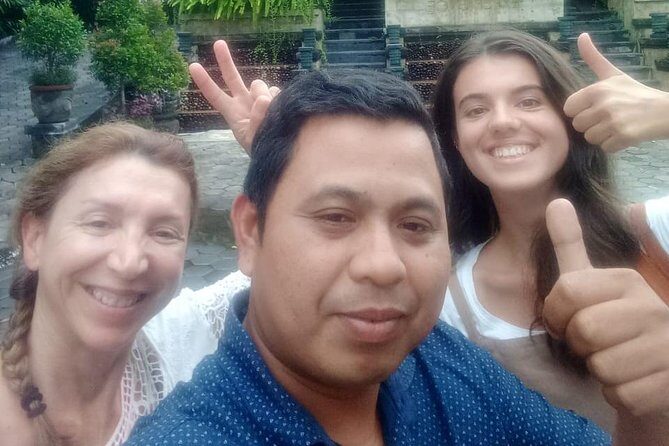
This experience is all about control: your day, your pace, your stops. You’re traveling in private transportation for your group only, which matters on Bali where traffic can be chaotic. Instead of waiting around, you’re going stop to stop with a chauffeur handling the driving while you focus on the views.
The English-speaking part is also practical. Bali has plenty of helpful signage, but when you’re trying to decide fast—Do we go now or later? Is this the best time?—a clear explanation helps. In the real world, you may hear names like ADI or Arya connected to this service, and that’s usually code for strong local handling and smoother coordination.
You also get onboard Wi-Fi, which sounds minor until you’re actually using it. It can help you confirm opening hours, find the right entrance before you arrive, or just share photos without burning your phone data right away.
You can also read our reviews of more private tours in Nusa Dua
What you really pay for: value of $21.54 and what’s not included
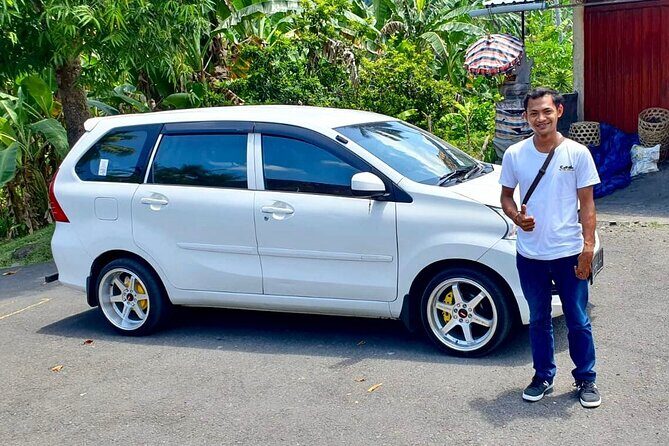
At about $21.54 per person, the big value is that you’re paying for the whole logistics package: private car, chauffeur, and a day shaped around your choices. When you compare that to the cost of multiple rides and last-minute tours, it’s often a good deal—especially if you’re traveling as a group and can spread out the total.
What you should expect to pay separately: most stops list admission tickets not included. That’s normal in Bali, but it changes the math. If you’re the type who wants to enter everything (monkeys, temples, markets, viewpoints), budget a bit more for tickets and a few small local fees.
Also, even with a private car, not every stop is “free time sightseeing.” Many stops come with around 30 minutes on the ground. That’s enough for photos, a walk-through, and a quick experience, but you’ll want to pick what matters most and let the chauffeur help you keep the day realistic.
The Ubud warm-up: Monkey Forest and the quick scenic hits
Your day can start with the Sacred Monkey Forest Sanctuary, where gray macaques roam around Hindu temple areas. It’s a compact, walkable mix of nature and sacred space, and you’ll see temples tucked right into the environment. Give yourself time to watch the animals from a respectful distance—try not to startle them, and keep your belongings secure.
From there, you may head to Campuhan Ridge Walk, a classic “walk-and-look” stretch with green views around Ubud. This one is simple and calming. You’re not paying for a ticket with a complex schedule; you’re just getting fresh air and a slow change of scenery. If you like your sightseeing light and photogenic, this is a good anchor stop.
This is also where I’d set your tone for the day. If you want fewer temples and more nature, you’ll keep your pace easy. If you want photos everywhere, you’ll move quickly and plan for short bursts of time at each spot.
Rice terraces, art, and the photo-stop Bali crowd will love
Next, the route often includes Tegalalang Rice Terrace, one of Bali’s best-known rice terrace viewpoints. The interesting part isn’t only the view—it’s the mention of the local irrigation concept called Subak. Even with limited time, learning that the system is traditionally managed locally adds meaning to the scenery. It turns a photo stop into something you can actually explain to friends later.
Ubud also gives you a couple of “do it for the memory” choices. The Ubud Art Market is a lively, central marketplace where you’ll likely enjoy browsing and practicing friendly negotiation. If you want to buy a small piece of Bali—crafts, textiles, souvenirs—this is where it makes sense to spend time.
Then there are the Aloha Ubud Swing and Terrace River Pool Swing photo stops. These are exactly what they sound like: quick set-ups for selfies and bold perspective shots. You don’t need to love heights to enjoy the moment, but you should know the time window is short, so go in with your “photo plan” ready (what angle you want, what outfit you’re wearing, and whether you’re okay waiting briefly).
For me, the biggest practical win here is variety. You get temples, then greenery, then markets, then Instagram-style viewpoints. If your group can’t agree on one type of activity, this format keeps everyone satisfied.
Waterfalls you can swap in: Tegenungan, Tukad Cepung, and Tibumana
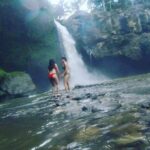
Waterfalls are the payoff in this kind of flexible Bali day. Tegenungan Waterfall is a popular choice south of Ubud, and the listing includes the possibility of swimming. If you enjoy water time and don’t mind a busier scene, it’s a great “yes, we came to Bali” stop.
For something quieter, you might choose Tukad Cepung Waterfall, often described as a more hidden-feeling spot. The guidance here is time-sensitive: it’s recommended before lunch time, which likely helps with light and crowd flow. If you want a more atmospheric walk and a more dramatic waterfall vibe, this is the stop to prioritize.
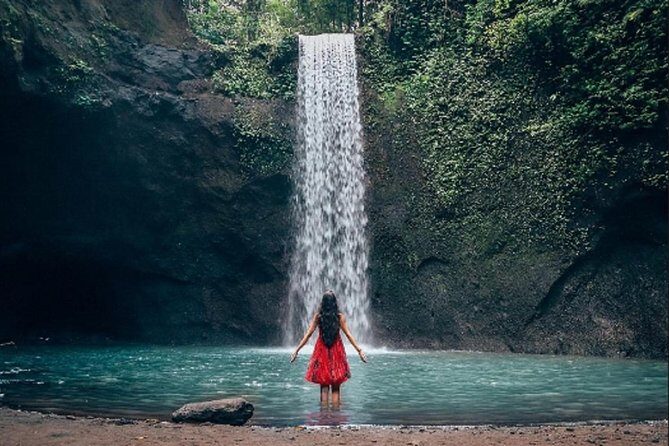
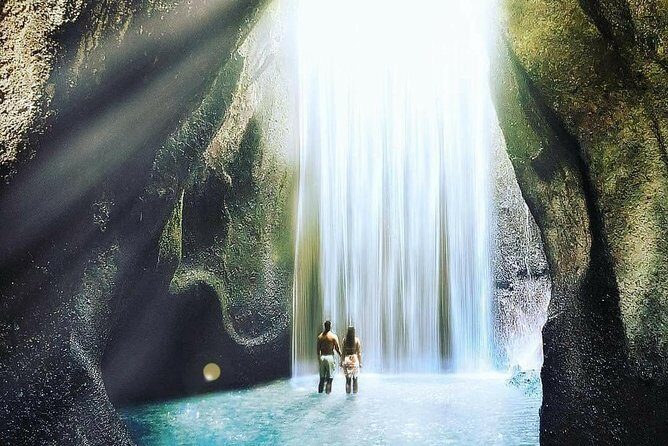
Another strong option is Tibumana Waterfall, where the listing notes you can swim while enjoying the fresh blue water. This one also reads as photo-friendly, with mineral-origin water mentioned. If swimming is on your list, Tibumana and Tegenungan are the most “check the box” options in the set.
Practical note: plan for wet weather gear even if the day looks clear. And yes, bring shoes or sandals that handle uneven ground. A short stop becomes annoying fast if you’re slipping around with flip-flops.
You can also read our reviews of more tours and experiences in Nusa Dua




Temple time: Monkey Forest, Elephant Cave, Batuan, and Saraswati
Bali temples aren’t all the same, and this tour style helps you sample differences without overcommitting. Elephant Cave (Goa Gajah) is an example where the time feels worth it: you’re looking at an ancient temple area with rock wall carvings and a bathing pool. It’s a good stop if you like “old stone + sacred setting” more than big ceremonial spaces.
Batuan Temple is another Balinese complex where you can notice the formation of the temple, including how the tree part relates to the most important temple side. The short visit still gives you enough to spot patterns and understand that Balinese temple architecture has distinct thinking behind it.
In Ubud, Saraswati Temple brings in a different mood with a lotus garden front area. It’s dedicated to the Hindu Goddess Saraswati, connected to learning, literature, and art. If you enjoy places where the spiritual purpose is clear, this one gives you a simple story to attach to the scene while you walk through.
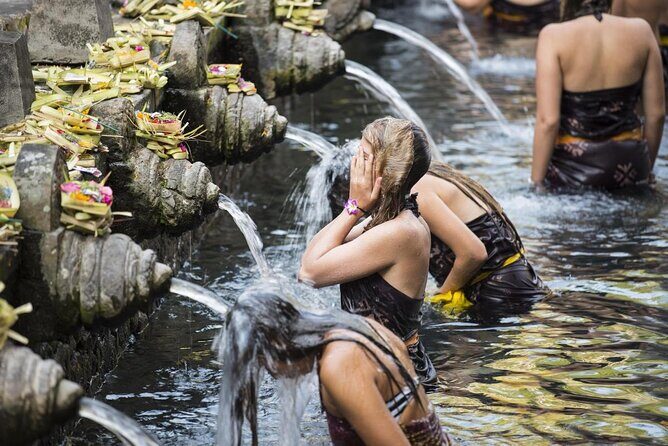
And if your day includes Tirta Empul Temple, that’s a more distinct experience. Here you can observe worshipers purifying at a holy spring. The description focuses on blessing to remove bad spirit, which is the kind of ritual meaning that makes the place more than a backdrop.
North and east add-ons: Batur viewpoint, Tirta Empul, Goa Lawah, and Lempuyang
If you’re traveling far enough to reach northern or eastern sections, you’ll often get a mix of viewpoints and sacred stops.
Mount Batur viewpoint gives you a distance view over the volcano and Batur lake. At about 30 minutes, it’s not for hiking. It’s for that first-look moment—when you can finally see the scale of Bali beyond Ubud’s greenery.
Then there’s Goa Lawah Temple, described as a sacred site in the east of Bali, with salt mining traditions noted in the area. Even if you don’t linger, it helps break up the day so you don’t feel like you only visited one “type” of Bali.
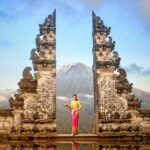
Lempuyang Temple is famous for the gate photo in front of Heaven (the well-known framed view idea). In a short time slot, you can focus on getting the iconic shot without turning it into a half-day mission.
You’ll notice a pattern across these stops: they’re spread out so you see how Bali changes by direction. That’s the real value of having a chauffeur and a flexible route. You’re not stuck in one neighborhood for the whole day.
Sunset-side Bali: Tanah Lot, Water Blow, and Uluwatu
If you want the classic “end the day with a view” feeling, include the sea and cliff temples.
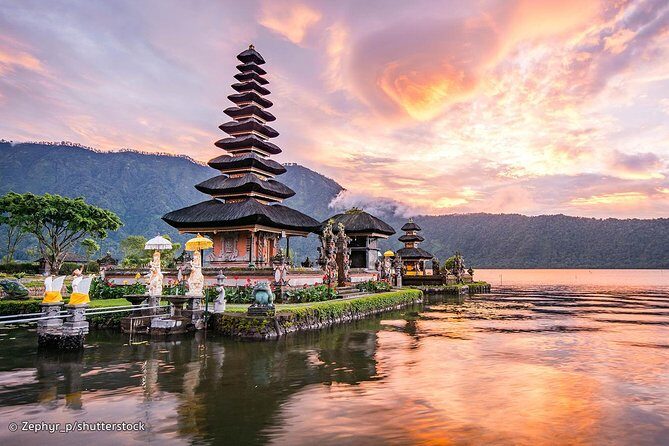
Tanah Lot is described as a temple standing on a sea-side rock, and it’s also positioned as one of the best sunset temples on the west side. The timing guidance here is clear: aim to arrive around 17:00. If you show up much earlier, you may wait. If you arrive late, you might miss the show.
For a less temple-only stop, Water Blow is listed as a spot to capture pictures during high tide water action, with a driver helping you get the best angle. It’s dramatic and quick, and it’s an easy stop to add if you want a little variety between temples.
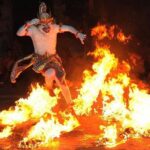
Then you can roll into Uluwatu Temple, known for sunset and a Kecak dance performance at the Uluwatu Stage with Ramayana history narrated. If your timing works, this is the stop that turns your day from sightseeing into a real performance moment.
Big views in the rice world: Jatiluwih UNESCO and the Subak spirit
Not all rice terraces are the same. Jatiluwih Green Land is described as the biggest rice terraces in Bali, and it’s noted as a UNESCO World Heritage site. That matters because UNESCO status usually signals that the area has a broader cultural and environmental value, not just a pretty view.
You’ll also feel the common thread from earlier rice stops: the role of traditional farming practices and local water management. Jatiluwih is a strong choice if you’re the kind of person who wants your Bali photos to include meaning, not only scenery.
If you’re short on time, you might choose between Tegalalang and Jatiluwih based on your priorities. If you want the most famous terrace look, go Tegalalang. If you want a bigger, more recognized heritage feel, pick Jatiluwih.
How long this day really takes (and how to avoid feeling rushed)
The duration is listed as about 5 to 10 hours, and the schedule style is built on short ground time per stop (around 30 minutes each). That means you can fit in a lot, but only if you’re okay with quick transitions.
A smart approach: pick a theme for the day. If your theme is waterfalls, you’ll cluster Tegenungan, Tukad Cepung, and Tibumana and trim temples and photo swings. If your theme is culture and sacred spaces, you’ll prioritize Monkey Forest, Tirta Empul, Elephant Cave, and one or two of the big iconic temples like Uluwatu or Tanah Lot.
This is also where the customization claim becomes real. You can tell your chauffeur what you care about—photos, spirituality, nature walks, swimming—and they can steer the day to match. That’s the difference between a rigid group tour and a private hire.
Should you book this private car hire from Nusa Dua?
Book it if you want maximum flexibility with door-to-door comfort and a day that can include Ubud highlights, temple stops, rice terraces, and waterfall options. The English-speaking chauffeur and Wi-Fi are practical upgrades that help the day feel less chaotic.
Skip it or at least double-check expectations if you’re strict about comfort details like air-conditioning, or if you need long, unhurried time at each site. Because many entrances aren’t included and stops are timeboxed, you’ll get the best results if you’re okay with quick walks, quick photos, and making choices.
If you do book, do this: decide your top 5 stops before pickup, then let the chauffeur fill the remaining slots. And bring water and a small towel for the waterfall possibilities—Tegenungan and Tibumana are set up for swim time, and that’s the kind of fun that’s easier when you’re prepared.
FAQ
How long is the private car hire tour?
It typically runs about 5 to 10 hours, depending on the route and how many stops you choose.
Does the price include admission tickets?
No. Most listed stops note that admission tickets are not included.
Is pickup included in Nusa Dua?
Yes, pickup is offered, and transportation usually starts and ends at your lodgings.
Is this a private tour or shared group experience?
This is private transportation for everyone in your group, and only your group participates.
Is the car air-conditioned and is there Wi-Fi onboard?
Yes. The experience is described as air-conditioned transportation, with onboard Wi-Fi to stay connected between stops.
Can the itinerary be customized?
Yes. The tour is described as customizable based on your interests.