Ubud can feel like a photo conveyor belt. This one tries to slow it down with a private guide and a route that mixes temples, landscapes, and a classic waterfall stop. I especially like the onboard Wi‑Fi, because you can check maps, swap photos, and keep your messaging going between sights.
Two things I really appreciate here: first, the day is handled start-to-finish with pickup, air-conditioned transport, and entrance tickets already built in. Second, the guide style tends to be practical and responsive—when my guide was Adi, he answered questions fast and helped set up great photo moments without turning it into a rush job.
One thing to consider: the Bali swing portion is optional and can be time-limited by the rules on-site. In one real-world case, the swing time didn’t unfold the way people hoped, so if the swing is your top priority, ask how long you’ll have there before you commit to any extra activity.
In This Review
- Key highlights and what they mean for you
- A full 10-hour “Ubud highlights” day that still feels personal
- Price and logistics: what $22.67 covers (and what might cost extra)
- Stop-by-stop: what each place is really like
- Sacred Monkey Forest Sanctuary (plus the Campuhan River bridge moment)
- Happy Swing Bali: the Instagram spot and the optional swing time
- Tegalalang Rice Terrace: classic north Ubud views
- Gunung Kawi Sebatu Temple: a historic stop with a hot-weather story
- Tampaksiring: coffee or tea time with flower fields
- Tegenungan Waterfall: the splashy finale
- Guides and the human touch: why Adi’s style mattered
- What can trip you up (and how to avoid it)
- Who this tour is best for (and who might want something else)
- Should you book this Gunung Kawi Rice Terrace Swing And Waterfall tour?
- FAQ
- How long is the Gunung Kawi Rice Terrace Swing And Waterfall private tour?
- Is pickup included?
- What’s included in the price?
- What isn’t included?
- Is Wi‑Fi available during the tour?
- Is this a private tour?
Key highlights and what they mean for you
- Private guide, private pacing: You’re not stuck waiting while strangers argue about which angle to shoot.
- Onboard Wi‑Fi: Useful for quick updates, navigation, and sharing photos while you’re still moving.
- Entrance tickets built in: You avoid the little ticket-stress moments at each stop.
- Waterfall time with a local guide: Tegenungan is scenic, and having someone help with timing beats solo wandering.
- Optional swing add-on: It’s there for the Instagram crowd, but plan around extra access limits and time.
A full 10-hour “Ubud highlights” day that still feels personal
This is billed as a private guided tour, and you’ll feel that difference right away. With only your group, the schedule can flex a bit around your pace—photo breaks, questions, and even how long you linger at viewpoints. The day runs about 10 hours, so think of it as a long, active sightseeing day rather than a quick half-day sprint.
Transport is part of the value. You ride in an air-conditioned vehicle, you get mineral water, plus a snack and coffee or tea at a rest area. Those little comfort items matter in Bali, where the heat and humidity can turn “one more stop” into “please, no more stops.”
And then there’s the connection factor: Wi‑Fi on board. That’s not just a nice-to-have. It helps you stay organized—especially if you’re coordinating with a driver later, using maps, or syncing plans with your travel party.
You can also read our reviews of more guided tours in Nusa Dua
Price and logistics: what $22.67 covers (and what might cost extra)
At $22.67 per person, the big win is what’s included. Your package covers premium all-inclusive entrance tickets for the listed attractions, plus a professional English-speaking tour guide, AC transport, water, snacks, and insurance. For many first-time Bali visitors, that’s the difference between a smooth day and a day spent budgeting at each gate.
Still, read the fine print mindset: the tour notes that lunch isn’t included (estimated around $4 per person), and there’s also mention of paid entrance tickets for visiting all attractions (around $18 per person). On top of that, the Bali swing experience is treated as an optional add-on with additional on-site rules and activities. So if you want to count the swing as a guaranteed “full experience,” you’ll want clarity before you arrive.
A smart way to budget: plan on the base tour price, then add a small cushion for lunch and any optional activities you decide to do that day.
Stop-by-stop: what each place is really like
Sacred Monkey Forest Sanctuary (plus the Campuhan River bridge moment)
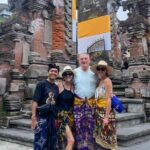
Your day often starts at the Sacred Monkey Forest Sanctuary. The key thing here is the setting. This isn’t just a zoo-style stop—it’s a temple-and-garden environment, and you’ll get a guide to help you find good photo angles quickly.
The itinerary also points to a bridge over the Campuhan River inside the area. That’s the kind of scenic stop that’s easy to miss if you’re wandering solo. With a guide, you’re more likely to get the classic composition without spending your entire hour hunting for the best spot.
Practical tips for this segment:
- Wear shoes you trust. Walkways can be uneven and slippery.
- If you’re bringing a phone for photos, use a case you don’t mind getting splashed or dusty.
Happy Swing Bali: the Instagram spot and the optional swing time
Next up is Happy Swing Bali, one of those places that lives on social media for a reason. You’ll see the iconic swing structures, and the experience may include a bird-nest spot photo area and complimentary dress for swing activities.
Here’s the consideration: swing access can be structured. One issue that came up is that people didn’t always get to explore the swing space the way they expected, even when they had entrance-related costs connected to the activity. The lesson for you is simple—if swing is non-negotiable, plan to get clear timing on what you’re actually allowed to do and how long you’ll have inside.
Also, manage expectations on pictures. You’ll likely get staged moments, but you shouldn’t count on a slow, roaming style experience here. Bring the mindset of quick setups and multiple quick shots.
You can also read our reviews of more private tours in Nusa Dua




Tegalalang Rice Terrace: classic north Ubud views
Then you head to Tegalalang Rice Terrace in the north of Ubud. This is the one where you’ll feel your camera work automatically—layered greenery, jungle edges, and terrace lines that keep pulling your eyes deeper into the scene.
The value here isn’t only the view. It’s the way a guide can help you move between viewpoints efficiently. If you show up and wander without a plan, you can end up repeating the same photo angles. With a guide, you can usually get the “main looks” first and then decide whether you want longer stops.
If the weather turns, don’t panic. Rain can change the feel of the terraces fast, and you might even get more dramatic lighting depending on timing. Just be ready for damp ground.
Gunung Kawi Sebatu Temple: a historic stop with a hot-weather story
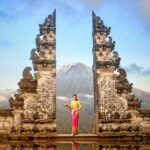
Next is Gunung Kawi Sebatu Temple, described as a site tied to the 9th century, connected to a holy man named Rsi Markandya. The story goes that he was traveling on the way to Mount Agung, and in very hot weather he found this place.
That historical context matters more than you might think. Without a guide’s explanation, it’s easy to treat the temple like another scenic backdrop. With context, you’re more likely to notice the details—because you’re looking at it as a sacred site with a reason to exist, not just a stop on a route.
The itinerary gives this stop about an hour. Use that time to slow down. Temples reward quiet attention more than speed.
Tampaksiring: coffee or tea time with flower fields
Tampaksiring is a breather stop. You get complimentary coffee and tea time, plus chances to take photos in a flower field with multiple varieties mentioned like mary gold and rose, along with others.
This is a nice pacing reset after temples and terraces. It’s also one of the times where your guide can answer the practical travel questions you’ve been saving up: where to go next, what to avoid, what’s worth the entrance fee, and how to plan your remaining Bali days.
If you like making your trip feel “lived in,” this is one of the better moments. It’s not a hard-sell shopping stop. It’s a comfort stop built into the schedule.
Tegenungan Waterfall: the splashy finale
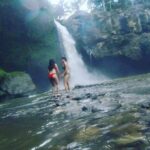
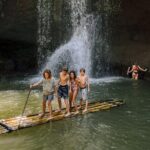
Finally, you reach Tegenungan Waterfall. This stop is all about the atmosphere: tropical water splash, greenery around the falls, and that satisfying sense of being somewhere alive.
An hour here is usually enough to get photos, watch the flow, and decide whether you want to spend time just standing and letting it cool you off—without feeling like you’re rushing through. With a guide, you also get help with where to position yourself for better views and photos.
Bring a towel mindset—even if the tour doesn’t provide one, you’ll likely appreciate having something ready if water gets thrown your way. And keep your bag handled. Waterfall areas can be damp in unexpected spots.
Guides and the human touch: why Adi’s style mattered
The strongest praise connected to this tour format is how guides manage the day. One guide named Adi stood out for being friendly and able to answer questions about the local spots. He also helped with photos in a way that didn’t feel stiff.
That matters because a lot of Bali tours fall into two extremes:
- Pure transport with minimal talk
- Or a script that leaves no room for your questions
This tour aims for the middle. You’re not just herded between gates. You get context, plus enough guidance to make your photos look intentional.
What can trip you up (and how to avoid it)
Two things to plan around.
First: the swing portion. Because it’s optional and governed by how the site runs access, you can end up with less time exploring than you expected. If you’re paying for an activity there, it’s fair to treat it like a time commitment. Ask what’s included in the swing entry you’re buying, and how long you’ll actually be inside.
Second: long drives can test anyone’s patience. One concern that came up in a real-world case was a driver who seemed to doze off mid-journey, which understandably makes you feel uneasy. You can’t control who you’re paired with, but you can control what you do next: if you ever feel something is off, speak up early and request a safer, more alert driving approach for the rest of the day.
Who this tour is best for (and who might want something else)
This fits well if you:
- Want a single organized day to see Monkey Forest, Tegalalang, Gunung Kawi Sebatu, Tampaksiring, and Tegenungan
- Prefer a private guide that can help with timing and photos
- Like the idea of Wi‑Fi on board and included comforts like water and coffee/tea
You might want a different kind of tour if you:
- Care less about multiple “high-visibility” sites and more about slow, unstructured cultural wandering
- Expect the swing experience to be a long, fully exploratory free-for-all
Should you book this Gunung Kawi Rice Terrace Swing And Waterfall tour?
Yes, if you want strong value for an organized Ubud day and you’re okay treating the swing as optional. The included entrance tickets, English-speaking guide, AC transport, snacks, water, and insurance make the pricing feel practical for many people trying to pack in highlights without daily planning headaches.
Don’t book it blindly if swing is your dream centerpiece. Get clarity on how swing access works and how much time you’ll have. And if you’re the kind of traveler who notices safety signals, trust that instinct.
If you want a day that’s part scenery, part culture, and part photo stops—with enough structure to keep the heat and logistics from stealing your fun—this is a solid pick.
FAQ
How long is the Gunung Kawi Rice Terrace Swing And Waterfall private tour?
The tour lasts about 10 hours.
Is pickup included?
Pickup is offered. The details also mention free airport pick up or drop off when you book 2 days tours.
What’s included in the price?
Entrance tickets are included, along with a professional English-speaking tour guide, air-conditioned transport, mineral water, and a snack plus coffee or tea at a rest area. Insurance is also included.
What isn’t included?
Lunch is not included, with an estimate of about $4 per person. There’s also mention that some additional paid entrance tickets may apply for attractions if you visit all of them.
Is Wi‑Fi available during the tour?
Yes, Wi‑Fi is available onboard between stops.
Is this a private tour?
Yes. Only your group will participate.