REVIEW · UBUD
Ubud: Private Customized Highlights Tour
Book on Viator →Operated by Ubud Daily Trips · Bookable on Viator
Ubud can be a lot. This private, customized highlights tour gives you one-on-one time with a guide instead of bouncing around with the crowd. You start with hotel pickup and can shape the day around what you care about, from purification temples to steep rice terraces and multiple waterfalls.
I especially like how the guide explains what you’re seeing in plain terms, not just names and photos. I also love the comfort details: bottled water for the heat, a sarong for temple visits, and private transport so you’re not guessing routes in Ubud traffic.
One thing to keep in mind: you’re moving. With multiple stops packed into a half-day or full-day window, you’ll spend less time lingering at each place—so pick what you’d actually like to photograph, pray at, or cool off in.
In This Review
- Key points to know before you go
- Why a Private Ubud Highlights Tour Feels Better Than DIY
- Price and Value: What $58.98 Covers (and Why It Can Still Be a Smart Deal)
- How the Timing Works: Half-Day vs Full-Day Without Feeling Rushed
- Temple Morning: Tirta Empul, Mount Kawi, Sacred Purification, and Holy Water Caves
- Temple etiquette you should plan for
- Rice Terraces and Forest Culture: Tegalalang, Monkey Forest, and Ubud Palace
- The Waterfall Circuit: How to Choose Between Tibumana, Goa Raja, Suwat, and More
- A smart way to pick your waterfall set
- Ubud’s Art Side: Painting, Silverwork, Wood Carving, Markets, and Coffee
- Getting Around in Bali: Car Comfort, Rain, and Temple-Ready Basics
- Should You Book This Private Ubud Highlights Tour?
- FAQ
- How long is the tour?
- Can I choose which places we visit?
- Is pickup and drop-off included?
- Are entrance fees included?
- What’s included for temple visits?
- Is bottled water provided?
- Is lunch included?
- Does the tour run in rainy season?
- Is this a private tour?
- What if I need to cancel?
Key points to know before you go
- Private and customized: you choose up to a set number of destinations for your time window
- Licensed guide with real explanations: you’ll learn the why behind temples, carvings, and rituals
- Bali heat support: complimentary bottled water and a sarong for temple visits
- A tight highlights loop: rice terraces, monkey forest, ridge walks, caves, and several waterfalls
- Rain-season friendly planning: bring an umbrella and rain jacket since showers happen
- Koman is a frequent standout: many guides in English are praised for attentiveness and humor
Why a Private Ubud Highlights Tour Feels Better Than DIY

Ubud works best with context. A car ride between sites can be the easy part; it’s knowing what you’re looking at that makes the temples, art, and nature feel meaningful instead of random. This tour is built around that: you get a private guide and a route you can adjust on the fly.
The tour also solves a big practical headache: planning. You’re not juggling maps, parking, ticket lines, and backtracking. Pickup and drop-off mean you can spend your energy on the places that matter—like Tirta Empul’s ritual pools or the stepped views at Tegalalang.
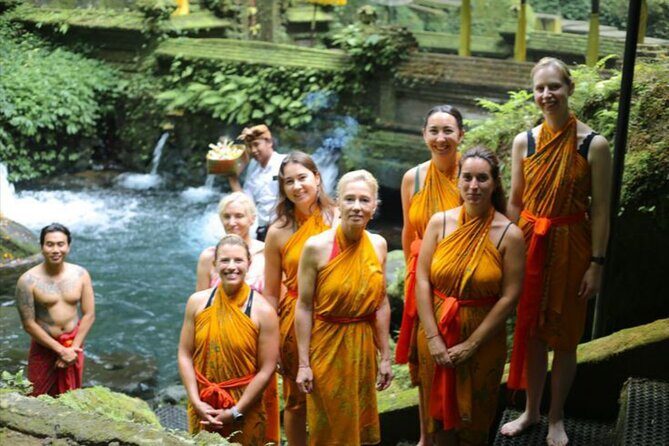
And yes, it’s nice when comfort is included. Complimentary bottled water helps you stay moving in the Bali heat. A sarong is provided for temple visits, which matters because dressing right is not optional.
If you’re choosing a guide, keep this in mind: in the feedback you can see a recurring name—Koman. People describe him as attentive, easy to talk to, and good at answering questions. If he’s available for your date, that’s a strong sign.
You can also read our reviews of more private tours in Ubud



Price and Value: What $58.98 Covers (and Why It Can Still Be a Smart Deal)

At $58.98 per person, this isn’t trying to be the cheapest way to see Ubud. The value comes from what you’re not doing yourself: coordinating transport, covering long distances, and paying for a guide’s time across many separate stops.
Here’s how I’d think about value for your group:
- If you’re traveling solo or as a couple, you’re paying for convenience plus interpretation. That can be worth it if you don’t want to spend your trip doing logistics.
- If you’re traveling with friends, the group discount can help shrink the per-person cost, and private transport becomes even more economical.
Also, the itinerary includes a mix of included admission and places where entrance isn’t part of the fee list. That means you should expect a few small out-of-pocket moments depending on which stops you pick. The plan is still structured so you don’t have to build everything from scratch.
The real “hidden cost” in Ubud is time. A private route cuts down wasted hours. Even when stops are shorter, you’re still getting a lot of variety without the stress.
How the Timing Works: Half-Day vs Full-Day Without Feeling Rushed
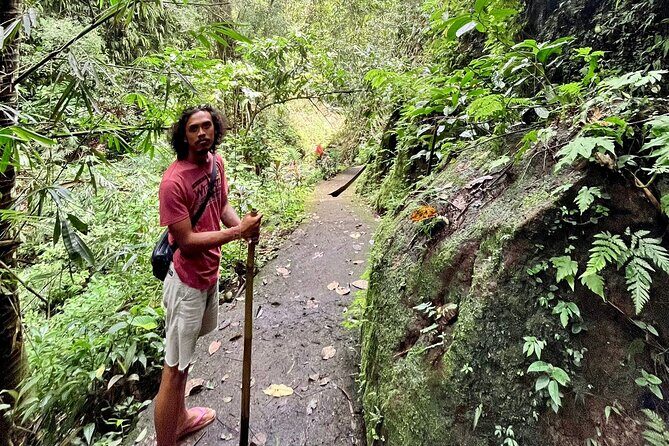
This tour gives you two main time options:
- Half-day: up to 6 hours, choose up to 4 destinations
- Full-day: up to 9 hours, choose up to 5 destinations
That “choose your destinations” rule is important. It’s the difference between a checklist day and a day that matches your energy.
Now, one realistic expectation: the tour is designed to cover multiple highlights, so time per stop is limited. Instead of spending hours at one place, you’ll do quick but meaningful visits—enough to understand the basics, take photos, and move on before the next site gets overly packed.
My practical tip: don’t pick 5 stops that all require the same vibe. Mix one “hands-on” site (like Tirta Empul’s cleansing pools) with one scenic stop (like Campuhan Ridge Walk) and one “cool off” stop (waterfalls). You’ll feel like you saw Ubud, not just drove through it.
Temple Morning: Tirta Empul, Mount Kawi, Sacred Purification, and Holy Water Caves
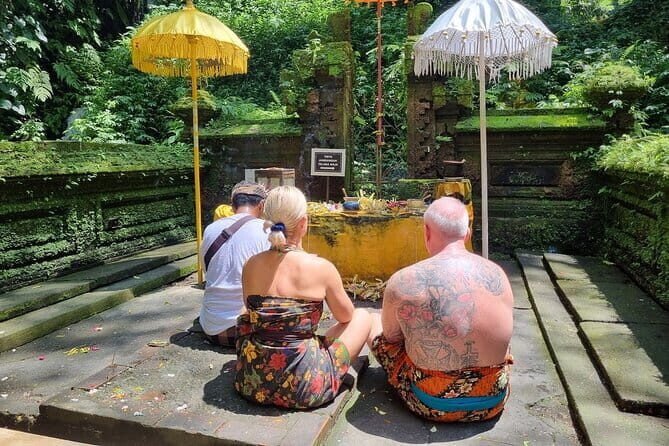
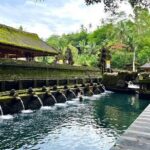
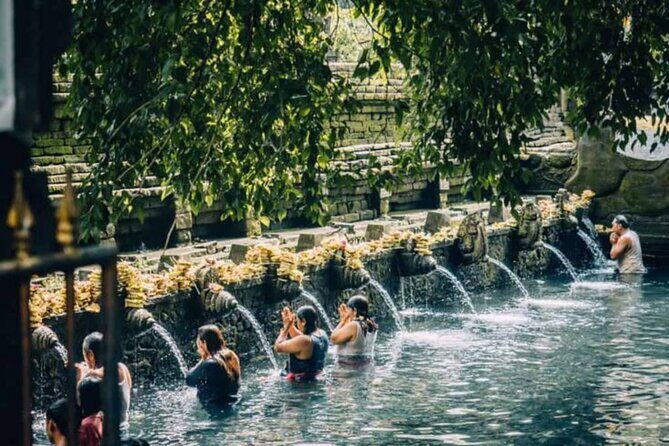
Start your day at Tirta Empul Temple, known for its natural purification pools. This is one of the best places in the area to see Balinese spirituality in action. You’re not just looking at architecture; you’re witnessing a cleansing ritual connected to tradition and daily life.
A good guide matters here. You’ll want context about what people are doing and why sarongs and respectful behavior matter. The tour provides a sarong, but your mindset should be simple: treat it like a working sacred site, not a photo set.
Next, Mount Kawi (often visited for its rock-cut temple complex). The setting is striking—temples carved into rock cliffs with rice fields and a river nearby. It’s the kind of place where you’ll appreciate a guide pointing out what you’re seeing in the carvings and how the site fits into the surrounding valley.
After that, you can include Gunung Kawi Sebatu Temple, another holy water temple experience. The focus here is spiritual significance and purification rituals. These are great choices if you want your Ubud day to feel more than scenic.
If you’re in the mood for something slightly quieter, add Mengening Temple, described as a peaceful sacred site with holy springs. A guide can connect what you see with how purification is part of Balinese culture—so it feels less like a stop and more like understanding a system.
And for a more unusual “how did they do that?” moment, there’s Elephant Cave. It features a carved cave and sacred pools used for meditation. Even if meditation isn’t your thing, the site is still worth it because the carved details give you a sense of history you can’t get from a street-level view.
Temple etiquette you should plan for
- Expect a need for respectful clothing: the tour includes a sarong
- Keep your body language calm—this is a site people treat seriously
- If you want photos, ask first where it’s okay to shoot




Rice Terraces and Forest Culture: Tegalalang, Monkey Forest, and Ubud Palace

For classic Ubud scenery, Tegalalang Rice Terrace is a must. You’ll get that stepped view across fields that look almost too perfect—until you notice how active farming is in the background. It’s a quick stop, but it’s one of those places where your eyes keep finding new details: terraces, pathways, and the way people live in harmony with the land.
Then, consider Sacred Monkey Forest Sanctuary. This one blends nature with culture: a forest setting with temples and long-tailed monkeys. It’s famous for a reason, but go in with a realistic attitude. You’re entering a living environment, not a theme park. Keep your valuables secure and follow your guide’s advice about how to behave around the monkeys.
Next up: Ubud Palace. This is the historical residence tied to Ubud’s royal family. What I like about pairing the palace with rice terraces is that both show you how landscape and culture connect. At the palace, you’ll see intricate Balinese carvings and get a sense of how performance and tradition connect to the site.
If you want a change of pace, swap in Saraswati Temple. It’s known for its architecture and lotus ponds, a calmer scene in central Ubud. It’s a good break if your day is already full of action.
And for a scenic walk option, don’t ignore Campuhan Ridge Walk. It’s a hilltop trail along a lush ridge, a perfect spot for sunrise or sunset energy. Even in the middle of the day, the walk feels like a reset button.
The Waterfall Circuit: How to Choose Between Tibumana, Goa Raja, Suwat, and More

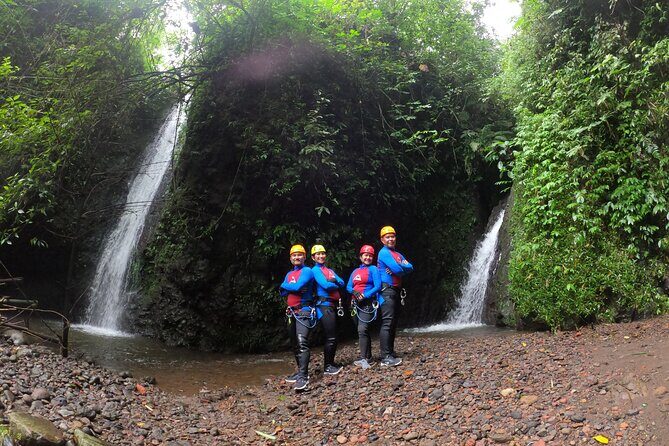
Ubud can be waterfall-rich, and this tour supports that. You’ve got several choices, and each one has a different vibe—some are more dramatic, some are calmer, and some feel more tucked away.
Here’s how I’d think about the waterfall stops you can include:
Tibumana Waterfall
Tibumana is described as a less-traveled feel with a single cascade into a natural pool, surrounded by tropical greenery. The note here is practical: admission is listed as not included, so you may need to pay at the site. If you want a quieter swim moment, this is a strong pick.
Goa Raja Waterall
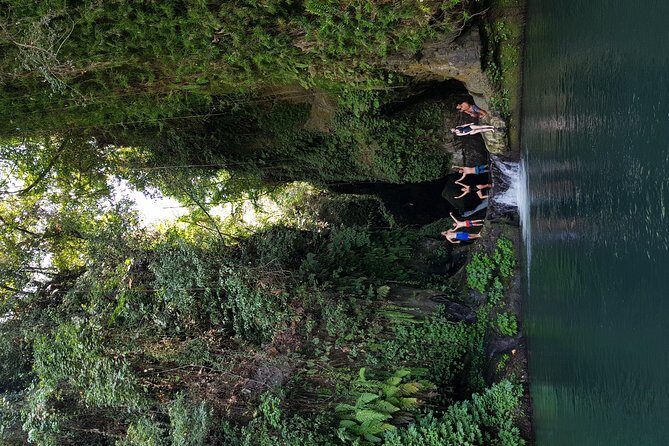
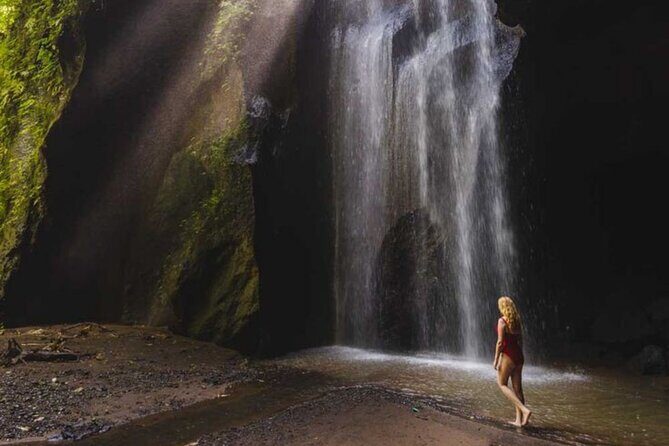
This one is a standout because the waterfall flows through a cave-like rock formation. That means the atmosphere changes—you’re not just watching water drop; you’re seeing it shaped by the rock. Admission is included, and it tends to feel more “mythic” than straightforward.
Suwat Waterfall
Suwat is described as secluded with crystal-clear water and a calm, relaxing atmosphere. If the goal is to cool off without chaos, choose this. Admission is included.
Kanto Lampo Waterfall
Kanto Lampo is a multi-tiered waterfall with shallow pools, which can make it easier to refresh and take photos. Admission is included. If you want classic waterfall angles and a pool-friendly stop, this fits.
Taman Sari Waterfall
Taman Sari is noted as picturesque and surrounded by lush vegetation, offering a peaceful escape from crowds. Admission is included. It’s a good “slow down” stop if you’ve been driving and walking a lot.
Ulu Petanu Waterfall
Ulu Petanu is described as serene and lesser-known, near Kedisan Village. It sits in a forest and rice field setting, so it feels more like a break than a headline attraction. Admission is included.
Kanto-to-Tegenungan option: Tegenungan Waterfall
Tegenungan Waterfall is close and easy to access. It’s described as having a strong water flow and being great for sightseeing and photography. Admission is included. If you want one big waterfall experience that’s more straightforward, this is a safe choice.
A smart way to pick your waterfall set
If you only have half-day time, don’t try to do two waterfalls that both require lots of stepping. Pick one “main” waterfall plus a different style stop (temple or art). Full-day gives you the time to mix types.
Also, pack for wet conditions. This tour runs during the rainy season, so sudden showers can turn trails slick. Bring an umbrella and rain jacket as recommended, and treat sandals or shoes with grip as your best friend.
Ubud’s Art Side: Painting, Silverwork, Wood Carving, Markets, and Coffee

Ubud isn’t just temples and waterfalls. It’s also art culture, and this tour includes multiple stops that show how Balinese art is made and sold.
Dewa Putu Toris
This is tied to classic Balinese painting styles, with themes from mythology and daily life. It’s a good stop if you want to connect the sights you saw earlier (temples, rituals, carvings) with what artists depict.
Yana Art Gallery
Here, you can watch skilled artisans carve detailed sculptures from wood. That’s a meaningful shift from looking to learning how a craft gets done. Admission is listed as free.
Ubud Art Market
This is where you can browse handcrafted souvenirs, textiles, and Balinese art. Admission is free. If you like shopping, go with a plan: decide what you want (textiles, small art, gifts) before you get pulled into everything at once.
UC Silver Gold
This stop focuses on silversmith craftsmanship, and it’s another good place to look closely rather than just buy. Admission is free. If you’re even slightly interested in jewelry making, spend a bit of time watching the details.
Umah Bali Kuno coffee
This is a beautifully designed home showcasing authentic Balinese architecture and family compounds. Admission is listed as not included. It’s a cultural stop, and even if you don’t buy coffee, it can give you another lens on home life and architecture.
Bonus reality check: art and market stops can be personal. If you’re not interested in shopping or craft demonstrations, you’ll probably prefer swapping them for another nature or temple stop within your time limit.
Getting Around in Bali: Car Comfort, Rain, and Temple-Ready Basics
Ubud traffic is part of life, and private transport helps you avoid the extra stress. This tour also adds rules that keep things comfortable: no smoke and no drinking in the car, plus bottled water included.
Because the tour operates in the rainy season, plan for weather swings. The recommendation is clear: bring an umbrella and a rain jacket. Rain can mean fewer crowds at some spots and more dramatic waterfalls, but it also means slippery paths and sudden downpours.
Clothing-wise, think “temple first.” You’ll likely visit multiple sacred sites. Since a sarong is provided for temple visits, you can keep your outfit simple and comfortable, but still expect you’ll be asked to dress appropriately.
And one more practical note: lunch isn’t included. If you want a food stop, tell your guide and they’ll build it into the day. That’s often the best way to avoid wasting precious time later.
Should You Book This Private Ubud Highlights Tour?
Book it if you want a smarter way to see Ubud: private pickup, a licensed guide, and a flexible plan across rice terraces, temples, art stops, ridge walks, and several waterfalls. It’s also a good choice if you care about understanding what you’re seeing, not just checking boxes.
Don’t book it if you hate the idea of a packed day. This tour is built for highlights, which means shorter visits per stop. If you want long, slow wandering in one place—pick fewer destinations and give yourself time, or choose only the stops that match your pace.
If you want my straight advice: this is the kind of tour that works best when you tell your guide what you want—spiritual, scenic, nature, art, or all of the above—and you let the route do the heavy lifting.
FAQ
How long is the tour?
It runs for about 6 to 9 hours, depending on whether you choose a half-day or full-day option.
Can I choose which places we visit?
Yes. For a full-day tour, you can choose up to 5 destinations. For a half-day tour, you can choose up to 4 destinations from the available list.
Is pickup and drop-off included?
Yes. Hotel pickup and drop-off are included for certain areas in Ubud.
Are entrance fees included?
Some stops include admission tickets and some do not. For example, Tirta Empul and Tegalalang Rice Terrace are listed as admission ticket included, while Tibumana Waterfall and Umah Bali Kuno coffee are listed as not included.
What’s included for temple visits?
The tour includes a sarong for temple visits.
Is bottled water provided?
Yes. Bottled water is included to help you stay hydrated in the Bali heat.
Is lunch included?
Lunch is not included. You can ask your guide to stop for lunch if you want.
Does the tour run in rainy season?
Yes, it operates during the rainy season. It’s recommended to bring an umbrella and a rain jacket.
Is this a private tour?
Yes. It’s a private tour/activity, and only your group participates.
What if I need to cancel?
Free cancellation is available. You can cancel up to 24 hours in advance for a full refund. Canceling less than 24 hours before the start time does not receive a refund.