REVIEW · BOROBUDUR
Yogyakarta: Borobudur Temple Entry Ticket
Book on GetYourGuide →Operated by Globaltix Indonesia · Bookable on GetYourGuide
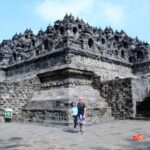
Borobudur always feels a bit unreal. This entry ticket gets you to the world’s biggest Buddhist monument, where you can read stone stories and look out over the hills and Menoreh Mountains. I especially love the way the 2,672 relief panels turn the temple into a visual book, and the carvings make the whole place feel thoughtful, not just impressive.
My second favorite part is the scale without the fuss. You’re walking a monument built between AD 780 and 840 under the Sailendra dynasty, and even after centuries of neglect and an eight-year UNESCO-backed restoration in the 1970s, it still holds together like it was meant for visitors today.
One drawback to watch: the ticket mainly covers entry, not the top climb. Add-ons and time limits can turn your visit into a sprint if you don’t plan your route and pace.
In This Review
- Key highlights to expect
- Entering Borobudur: why this simple ticket still feels like a big deal
- Redeeming your digital entry ticket at the entrance kiosk
- Green Park walk-in: where the visit starts before the temple steals your attention
- What to focus on inside the monument: reliefs, Buddha carvings, and the philosophical storyline
- Menoreh Mountains views: the best reason to slow your pace
- Sailendra dynasty and architecture mix: Indian influence, local character
- Timing you can trust: operating hours and how to avoid a rushed visit
- Optional top climb: what you may be missing without the extra ticket
- Price and value: $3.08 is the entry, not the whole experience
- Practical checklist: what to bring so you don’t lose minutes at Borobudur
- Who this Borobudur entry ticket suits best
- Book it or skip it? My take on the Borobudur entry ticket
- FAQ
- What is included with the Borobudur Temple entry ticket?
- Do I get access to climb to the top of Borobudur?
- Where do I redeem my digital entry ticket?
- What are the Borobudur Temple operating hours?
- What ID do I need to bring?
- What should I wear and bring for the visit?
- How long is this ticket valid for?
- Is the entry ticket wheelchair accessible?
- What language support is available?
- Is this ticket refundable if my plans change?
Key highlights to expect
- Green Park entrance: start your visit with a walk-in approach before you reach the main temple areas
- Stone storytelling: learn the monument’s philosophical meaning through carved legends and Buddha imagery
- Gupta-meets-Indonesian design: see Indian architectural influence with local scenes woven in
- Big views from the temple zone: Menoreh Mountains and distant hills frame the experience
- Optional top access: an extra ticket is required if you want to climb higher
Entering Borobudur: why this simple ticket still feels like a big deal
With Borobudur, you don’t need a long, complicated tour to enjoy it. A pre-booked entry ticket gets you inside a site that’s been carefully preserved and restored, where the stone work is the main event. You’ll spend your day moving slowly around the temple grounds, pausing to look at carvings and stepping back to take in the overall shape.
What makes this experience genuinely worth your time is the combination of scale and detail. The monument covers about 2,500 square meters, and it’s decorated with 2,672 relief panels and originally featured 504 Buddha statues. That means you can enjoy it two ways: as one massive, intentional design, and also as thousands of small scenes.
The Menoreh Mountains backdrop adds the “wow” layer too. Even if you’re not a temple person, the way the site sits on a hilltop over green fields and distant hills helps you understand why Borobudur was built there in the first place.
You can also read our reviews of more tours and experiences in Borobudur
Redeeming your digital entry ticket at the entrance kiosk
This ticket is designed for a straightforward start. You redeem your digital entry at a kiosk near Borobudur’s entrance. No long check-in ritual, just show the ticket, get your entry confirmed, and move on.
Because your ticket is time-sensitive, I recommend you plan to arrive with buffer time. Gates close 30 minutes before the operating hours end, so you don’t want to burn your best viewing minutes stuck in a last-minute queue or figuring out where to go.
Also, keep your identity document ready. They ask for a passport or ID card, and it’s smart to bring it even if you’re tempted to travel light. Borobudur isn’t the place to gamble on “I’ll figure it out at the gate.”
Green Park walk-in: where the visit starts before the temple steals your attention
Once inside, you can walk through Green Park from the entrance. It’s not just a transition zone. It helps you ease into the experience, especially if you want to slow down and get your bearings before you face the stone maze of carvings and levels.
You’ll also notice vendors offering souvenirs and small items. The key detail is that there are regulations meant to keep vendors from disturbing visitors. In other words, you can browse without feeling like you’re trapped in a street market.
Still, you’ll want a plan. If you’re the type who likes photos, decide early where you want your first “big picture” shots from the temple zone. If you don’t plan, you’ll spend time wandering and then realize you’ve lost your timing near the best viewing moments.
What to focus on inside the monument: reliefs, Buddha carvings, and the philosophical storyline
Borobudur’s carvings aren’t random decoration. The stone reliefs show legends and stories with philosophical significance, so your eyes feel rewarded when you pause and actually read what’s there (even if you only catch parts).
Here’s how I suggest you approach it:
- Start wide, then go close. First look at the temple’s overall geometry and layers. Then return to the carvings and pick out a few sections instead of trying to see everything at once.
- Choose a theme for your own sanity. You might focus on Buddha imagery, or on the way legends appear in repeated patterns across panels.
- Take breaks for views. When you step back, the monument’s design makes more sense, and the distant hills help you reset your brain.
The restoration story also matters because it explains why the site looks the way it does today. In the 1970s, Indonesia and UNESCO worked together on restoration, and the process took eight years. That’s part of the reason you’re looking at sharp stonework now instead of a fragile shell.
Menoreh Mountains views: the best reason to slow your pace
One thing you’ll notice as you move around is the way the temple sits against the Menoreh Mountains. It gives the site a sense of place, like it belongs to the hills and fields rather than feeling dropped in from another world.
This matters because Borobudur can be visually overwhelming. If you spend the whole visit staring at carvings without stepping back, you’ll miss the monument’s “big design” impact. So I’d build in intentional view breaks—moments where you’re not hunting details but checking the overall layout.
The views also help you understand the temple’s hilltop position. You’re walking a monument that was meant to be seen from multiple angles, and the setting turns your visit into more than just a museum-style circuit.





Sailendra dynasty and architecture mix: Indian influence, local character
Borobudur was built during the Sailendra dynasty between AD 780 and 840. That timeline helps explain the mix of cultural influences you’ll see in the design.
The temple reflects Gupta architecture influence from India, but it also includes indigenous scenes and elements. In practical terms for your visit, this means the carvings and motifs feel varied. You’re not just looking at a single “style.” You’re seeing an interpretation that took foreign architectural ideas and made them local.
If you like architecture, this is where the entry ticket pays off beyond just sightseeing. You can walk the monument and notice patterns in form and decoration. Even if you’re not reading every label, you’ll get a sense of structure and intention.
Timing you can trust: operating hours and how to avoid a rushed visit
Borobudur’s operating hours are 06.30 to 16.30 WIB, and gates close 30 minutes earlier than the official end time. That one detail changes how you plan.
If you arrive late, you’ll still see the temple, but you’ll cut your time with relief panels and lose the chance to sit and look. If you arrive early, you’ll give yourself options: a slower route, more photo stops, and time to choose which sections you want to study.
There’s also a pacing lesson from on-the-ground experiences: some people end up moving too quickly to truly understand what they’re looking at. You don’t need a guide to enjoy Borobudur, but you do need time. Plan for at least a calm walk-through of the main areas and don’t treat it like a checklist.
A small practical note: the site is about walking and standing. Comfortable shoes aren’t optional. You’ll thank yourself for it after an hour.
Optional top climb: what you may be missing without the extra ticket
The entry ticket does not include the additional ticket needed to climb to the top of the temple. If you want the highest viewpoints, you’ll need to plan for that extra step and cost.
One useful reality check: some visitors have managed to upgrade at the entrance so they could climb. That suggests the top access isn’t always a completely separate world—you might be able to handle it onsite depending on availability and rules at the time. Still, don’t count on it as your guaranteed plan. If top access is a must for you, factor in extra time and be ready to purchase the additional ticket when you arrive.
If you skip the top climb, you can still enjoy the main temple experience. You’ll see the reliefs and Buddha carvings from the accessible areas, and the views over the hills are already a big part of the payoff. The question is how “max height” matters to your travel style.
Price and value: $3.08 is the entry, not the whole experience
At $3.08 per person, this is one of those prices that feels almost too low for what you get. That’s the value here: entry to a world-class monument without a big packaged price tag.
But the real value calculation includes what’s not included. The top climb requires an extra ticket, and you should expect you’ll spend time deciding how much of the monument you want to study deeply. The cheapest ticket can turn expensive in a different way if it pushes you into hurried viewing.
So I’d think of this ticket as a strong base:
- You pay for entry and freedom to explore.
- You save money compared with pricier guided packages.
- You keep control over your pace.
Then you decide whether top access is worth the extra money and time for you.
Practical checklist: what to bring so you don’t lose minutes at Borobudur
Keep your packing simple and your day smooth. Here’s what you’re told to bring, and what I’d treat as must-haves:
- Passport or ID card
- Comfortable shoes
- Comfortable clothes
- A face mask or protective covering
Also, remember the site rules can be strict at entry points. Having your documents ready means fewer delays and less stress.
Because you’re walking, dress for comfort over style. And if you’re sensitive to sun, plan your clothing choices accordingly—Borobudur is an outdoor experience for most of your time inside.
Who this Borobudur entry ticket suits best
This ticket fits well if you:
- Want to see Borobudur and spend time with the reliefs
- Like architecture and cultural history, even if you don’t want a full guided day
- Prefer a flexible pace instead of being swept along
It may be less ideal if you:
- Only want the highest viewpoints and consider the top climb non-negotiable
- Hate timed entry pressure and can’t handle gates closing before the end of the day
- Want a fully guided explanation included with the ticket, since what you get here is entry and basic onsite support rather than a guaranteed deep-dive guide experience
If you’re traveling as a couple or solo, this format can be especially comfortable because you set the rhythm. If you’re a family with kids, comfortable walking shoes and a realistic time plan become even more important.
Book it or skip it? My take on the Borobudur entry ticket
I’d book this if you want the heart of Borobudur at a very low entry price. The carvings, the monument scale, and the hilltop setting make it worth your effort, and pre-booking helps you avoid the scramble.
Before you confirm, do one important check: make sure your ticket is valid for your visitor category and you’re buying the right type for tourists. There’s at least one report of a pre-booked ticket being invalid for tourists, which means wasted time at the gate. That’s the one planning risk I’d rather not gamble on.
Also, be honest about your pace. If you want to truly absorb the reliefs and stories, arrive when you can and don’t leave top-climb decisions to the last second.
If you want to see Borobudur and you’re willing to slow down, this ticket is a smart, cost-friendly way to do it.
FAQ
What is included with the Borobudur Temple entry ticket?
The ticket includes entry to Borobudur Temple. Exact inclusions can vary based on selected options, but the ticket is for visiting the monument areas covered by the entry.
Do I get access to climb to the top of Borobudur?
No. Climbing to the top requires an additional ticket that is not included with this entry ticket.
Where do I redeem my digital entry ticket?
You redeem the digital entry ticket at a kiosk near Borobudur’s entrance.
What are the Borobudur Temple operating hours?
Borobudur Temple operates from 06.30 to 16.30 WIB. Gates close 30 minutes earlier than the operational hours.
What ID do I need to bring?
Bring a passport or an ID card.
What should I wear and bring for the visit?
Bring comfortable shoes and comfortable clothes. You are also advised to bring a face mask or protective covering.
How long is this ticket valid for?
The ticket is valid for 1 day.
Is the entry ticket wheelchair accessible?
Yes, it is wheelchair accessible.
What language support is available?
The host or greeter is available in English and Indonesian.
Is this ticket refundable if my plans change?
This activity is non-refundable.