REVIEW · UBUD
Atman Bali Journey water blessing
Book on Viator →Operated by Atman Bali Journey · Bookable on Viator
Water blessings start with handmade offerings. I like how this morning is led by Wayan Wawan, who walks you through Balinese daily-spiritual life: making canang offerings, learning what they mean, and tasting (and even learning) traditional jamu herbal drinks. It feels practical, not performative.
My other favorite part is the water purification at the holy water temple in the Bangli area, paired with a calm 9 direction meditation practice for inner peace. One thing to plan around: this experience requires good weather, so it can be moved or refunded if conditions are poor.
In This Review
- Key Points Before You Go
- Entering the Day: Canang Making and Jamu in Ubud
- Traditional Attire and the 9 Direction Meditation Moment
- Taman Pecampuhan Sala Temple: Why This First Temple Stop Matters
- Holy Water Purification in Bangli: Two Waterfalls, Sacred Bells, and a Natural River
- What the Water Blessing Feels Like (and How to Watch It Without Turning It Into a Show)
- The Balinese Meal: Nasi Goreng and Pepes Ikan After the Blessing
- Transportation, Timing, and the Private-Group Advantage
- Price and Value: Why $30.42 Can Make Sense Here
- Who This Tour Is Best For (and When to Think Twice)
- My Booking Checklist Before You Go
- Should You Book Atman Bali Journey Water Blessing?
- FAQ
- Where does the experience start in Bali?
- Is pickup available?
- How long is the Atman Bali Journey water blessing experience?
- What happens at the holy water temple?
- Is the Balinese meal included?
- What is included in the price besides the activities?
- Is alcohol included?
- What if the weather is bad?
Key Points Before You Go
- Hands-on canang making in a local Ubud home, plus help with traditional attire
- Jamu herbal drinks included, with time to learn about what you’re drinking
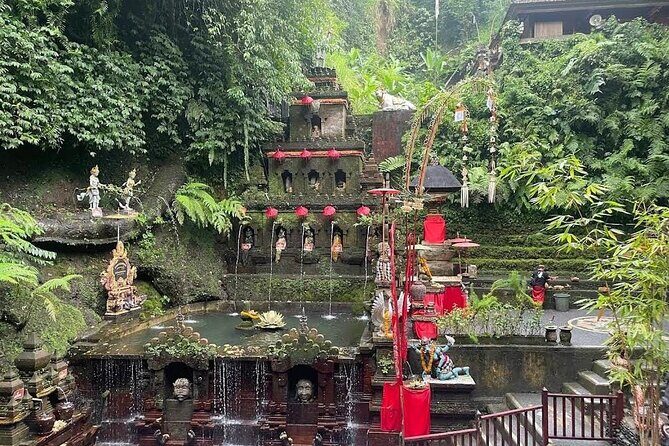
- A holy water temple in Bangli with two waterfalls, a natural river stream, and sacred bells during purification
- 9 direction meditation practice built into the spiritual flow of the day
- All entrance fees and food included (plus mineral water), which makes the $30.42 price feel fair
- Private group experience with pickup offered for hotels in the Ubud area
Entering the Day: Canang Making and Jamu in Ubud
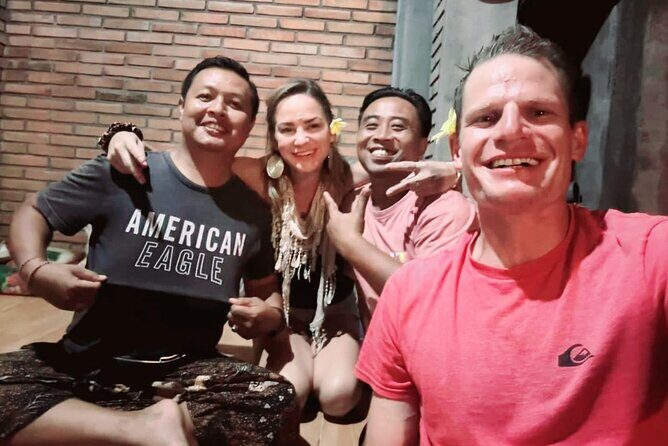
The experience starts in Ubud, with pickup offered and private transportation available for hotels in the Ubud area. After you meet at the listed redemption point (Wawan House, in Siangan), the day shifts to a local home setting. This is where you get the kind of context that’s easy to miss when you only visit temples with a quick photo stop.
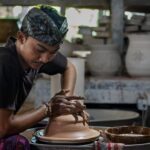
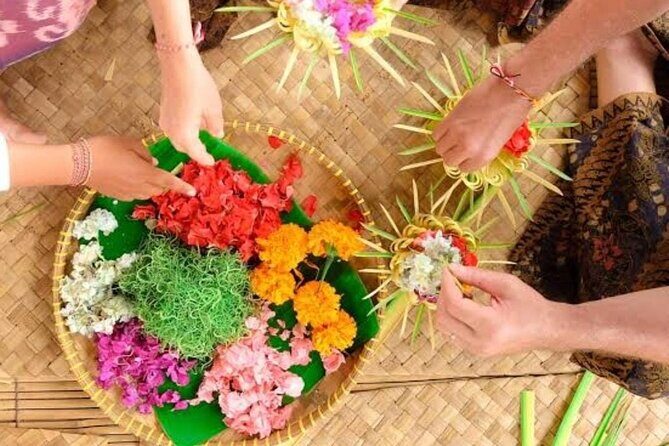
First up is making canang offerings. You’ll learn how to create these small, everyday offerings and what role they play in Balinese spiritual life. The important part here is not just the craft. It’s the guided meaning—why these offerings matter and how they connect daily routine to belief.
Then there’s jamu, the traditional herbal drink. You get to enjoy the refreshing tea-like flavors, but the experience also gives you a chance to learn how to make it yourself. If you’ve ever wanted to bring Bali home in a practical way, this is one of those skills that actually travels well. You can’t pack the whole island, but you can pack a recipe and the story behind it.
What I also appreciate is the pace. You’re not rushed from one highlight to the next. Instead, you’re learning the building blocks: offerings, herbs, and everyday spiritual practice—before the day gets to the more dramatic setting of holy water and waterfalls.
You can also read our reviews of more tours and experiences in Ubud.


Traditional Attire and the 9 Direction Meditation Moment
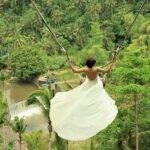
Balinese culture shows up early, not later. You’ll learn how to wear traditional Balinese attire as part of the morning’s hands-on cultural program. This matters because it’s not treated like costume theater. It’s part of how the day explains respect and intention, especially as you move toward purification.
After the offering-making and jamu time, the day includes 9 direction meditation for inner peace. Even if meditation isn’t your usual travel style, this is the kind of practice that works well when it’s short and framed by local guidance. You’re not just watching a ritual—you’re preparing yourself for it.
The practical takeaway for you: treat this part like a reset. If your morning is already packed with scooters, temple stairs, and sun glare, slow down here. Even a few minutes of focused calm can make the rest of the day feel less like a checklist and more like a real experience.
Taman Pecampuhan Sala Temple: Why This First Temple Stop Matters
The itinerary lists a stop at Taman Pecampuhan Sala Temple, and it’s worth understanding why that early temple visit can change how you experience everything after it.
A first temple stop gives you orientation: you see how ceremonies and spaces are organized, and you start to understand the rhythm of Balinese religious life. When your later highlight is a purification ritual near waterfalls and river water, being mentally tuned to the temple atmosphere makes the experience feel more coherent.
Also, this kind of start helps if you’re the type of traveler who likes to know what you’re looking at. You’ll have a better sense of what’s important—offerings, bell sounds, and the role of water—because the day builds toward them rather than dropping them on you all at once.
Holy Water Purification in Bangli: Two Waterfalls, Sacred Bells, and a Natural River
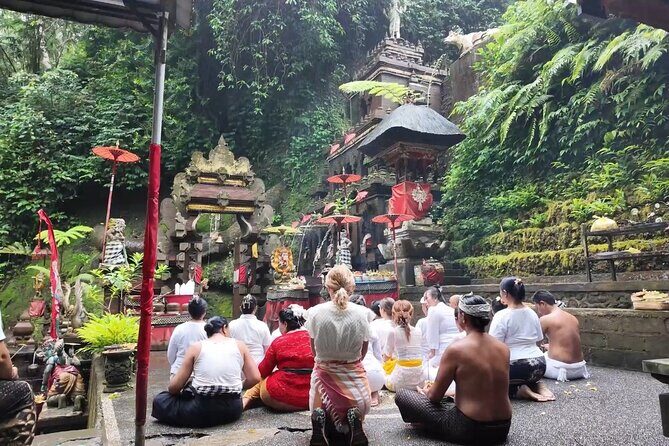
After Ubud, you’ll head to the holy water temple in the Bangli area. This is where the experience becomes truly scenic and spiritual at the same time.
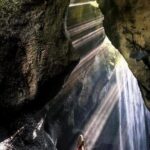
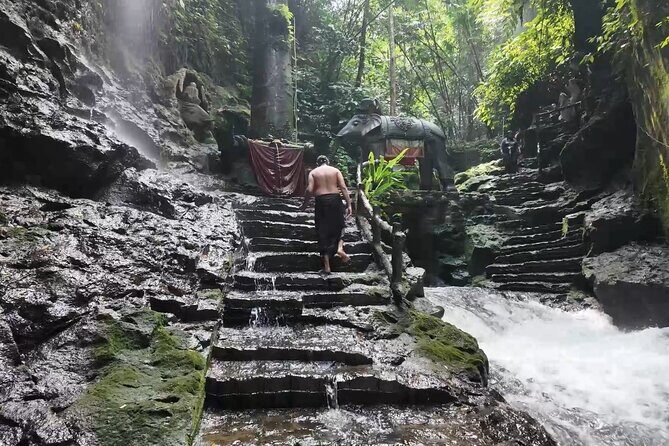
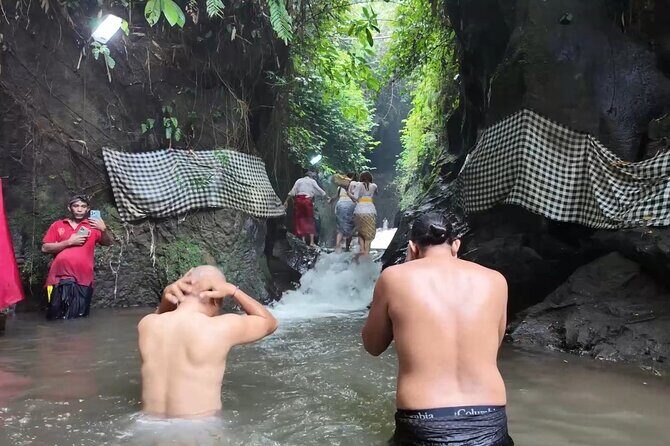
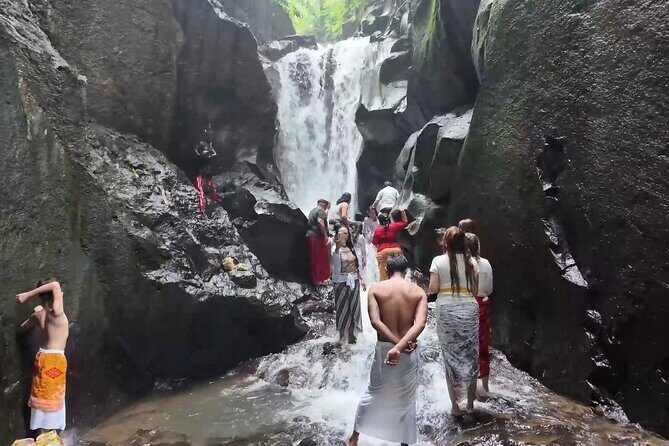
At the temple, you’ll find two waterfalls and a natural river stream—plus the sound of sacred bells used by holy men during the purification ritual. That detail matters more than it sounds. In Bali, sound and timing are part of how ceremonies are felt. If you’re used to temples where you mainly look, this shifts you into the experience’s tempo.
The purification ritual is described as a water blessing / water purification. The big value for you is that the day isn’t only sightseeing. It’s structured as a guided spiritual practice, with the bells and the setting reinforcing the meaning.
One practical note: even though the ritual is spiritual, you’re still outdoors near water features. Wear shoes or clothing that you’ll feel comfortable moving in, and keep your phone protected from splash risk. The day includes mineral water, but you’ll want to manage your own comfort around humidity and wet surfaces.
If your goal is to get away from the most crowded areas, this route tends to fit that. The experience is positioned around a beautiful natural temple setting, and the emphasis on a calmer environment shows up in the way the day is described.
What the Water Blessing Feels Like (and How to Watch It Without Turning It Into a Show)
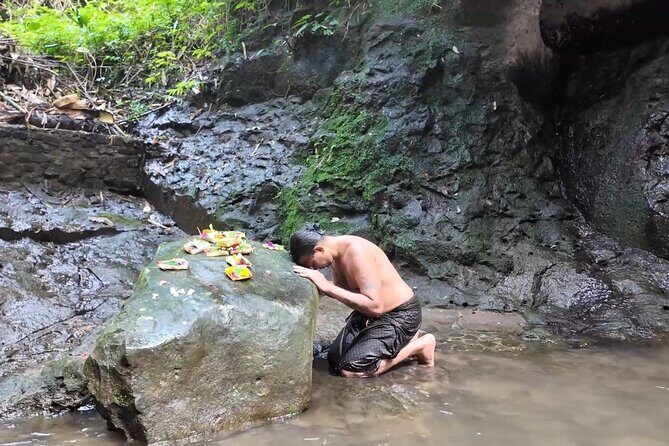
The best way to enjoy a purification ceremony is to treat it like something happening with you, not for you. Here’s how that plays out in this tour format:
- You come with context from the morning: canang offerings, jamu, traditional attire, and meditation.
- You arrive to a setting built for ceremony: waterfalls, river water, and bell sounds.
- You focus on the process, not just the moment.
That approach tends to make the ritual more meaningful, even if you’re not sure what every element symbolizes. A skilled local guide is key here, and Wayan Wawan is repeatedly noted for being friendly, clear, and genuinely invested in helping you understand what you’re doing.
Also, the experience includes time for practical participation. It’s not a rigid script where you’re only watching from a distance. You’ll join the water blessing or purification as part of the program, guided through what to expect.
And since photography matters on a trip like this, you should know the guide also helps with capturing photos and videos. It’s the kind of small support that keeps you from constantly juggling camera settings while trying to stay present in the ritual.
The Balinese Meal: Nasi Goreng and Pepes Ikan After the Blessing
After the purification experience, you eat like you’re actually in Bali, not in a tourist line. The meal includes nasi goreng (fried rice) and pepes ikan—fish wrapped in banana leaves. That banana-leaf detail isn’t just cute. It’s part of the flavor style, helping keep moisture in and adding a distinct aroma.
I like this placement: you eat after the spiritual part, so you’re not treating the meal like a rushed stop. You can settle your body, cool down, and then enjoy food that matches the day’s theme: Balinese tradition, guided and served without feeling like a scramble.
Alcohol isn’t included, and extra food portions aren’t included either. That means if you know you’ll want a drink or a bigger appetite, plan on paying extra for that part. But with mineral water included and the main food included, you won’t get surprised by basics.
Transportation, Timing, and the Private-Group Advantage
This experience runs about 6 hours. That’s a practical length for travelers who want something meaningful without giving up an entire day of beach time.
It’s also set up as a private tour/activity, meaning only your group participates. For a cultural and spiritual experience, that’s a big deal. A private format usually makes it easier to ask questions, move at a comfortable pace, and keep the mood steady when you’re in quieter temple spaces.
Pickup is offered, and private transportation covers hotels in the Ubud area. If you’re staying outside that area, you’ll want to confirm how pickup is handled in your specific case, since the details say Ubud area coverage for private transport.
Price and Value: Why $30.42 Can Make Sense Here
At $30.42 per person, this is positioned as a value-forward cultural experience. The key isn’t the headline price. It’s what’s included.
Included items cover the everyday cost drivers that often add up on Bali tours:
- entrance fees and parking
- Balinese offerings
- herbal tasting (jamu)
- mineral water
- Balinese food (including nasi goreng and pepes ikan)
- learning experiences like wearing traditional attire
- participation in the water blessing / purification
- the 9 direction meditation component
That means you’re paying for a full morning-to-meal arc rather than piecemeal attractions. Optional coffee or tea is included, with a note that it could be coconut water or tea/coffee. The tour also clearly states that alcohol and extra food portions aren’t included, so you can control spending.
In short: if you like experiences where the guide handles the structure and you just show up ready to participate, this price reads as fair.
Who This Tour Is Best For (and When to Think Twice)
This experience fits best if you want Bali that feels lived-in: offerings, herbs, temple ritual, and local food in one connected day. It’s also a good choice for families and groups who want something educational but not overly technical.
It’s especially good for you if:
- you want cultural learning that involves your hands, not only your eyes
- you prefer calmer, less “touristy hotspot” environments
- you value a guide who can explain what you’re seeing while keeping the day comfortable
- you want photos and video support without turning the trip into constant posing
When to think twice:
- If your travel dates are tight and you’re worried about rain, remember the experience requires good weather. If it can’t run safely in poor conditions, plans can shift.
My Booking Checklist Before You Go
To get the best out of this water blessing day, I’d plan for the practical side even though the focus is spiritual:
- Expect an outdoor temple setting with waterfalls and a natural river area, so dress for wet conditions.
- Bring something for sun protection since you’ll be outside for multiple parts of the morning.
- Keep your phone protected if you’ll want to record video, since water features can splash.
- Come hungry for the included Balinese meal afterward, especially if you skip extra snacks that day.
- If you drink alcohol, budget for it separately since it isn’t included.
Should You Book Atman Bali Journey Water Blessing?
If you want a Bali experience that’s more than temples-without-context, I’d book this. You get a full flow: making canang, learning jamu, joining traditional attire time, doing 9 direction meditation, and finishing with water purification in a natural holy water setting with waterfalls and sacred bells. Then you eat a real Balinese meal that matches the day.
The only strong caution is weather. If you’re traveling during a season when rain is unpredictable, you’ll want flexible plans.
Overall, the guide’s role is central here, and the experience is built so you understand what you’re doing—whether you’re participating for spirituality, curiosity, or just the kind of day that feels uniquely Bali without needing crowds to make it memorable.
FAQ
Where does the experience start in Bali?
The ticket redemption point is Wawan House, F8P6+VQ2, Siangan, Gianyar, Bali. The experience is located around Ubud and includes travel to the Bangli area for the holy water temple.
Is pickup available?
Pickup is offered. Private transportation will pick you up at your hotel free for the Ubud area.
How long is the Atman Bali Journey water blessing experience?
It runs for about 6 hours (approx.).
What happens at the holy water temple?
You join a water blessing or water purification at a beautiful natural temple. The site features two waterfalls and a natural river stream, and there are sacred bells used by the holy men during the ritual.
Is the Balinese meal included?
Yes. The meal includes nasi goreng (fried rice) and pepes ikan (fish wrapped in banana leaves).
What is included in the price besides the activities?
Entrance fees, parking, Balinese offerings, herbal tasting, Balinese food, mineral water, and guided experiences like making offerings and wearing traditional attire are included. Coffee/tea is also optional.
Is alcohol included?
No. Alcohol and extra portions of food are not included in the price.
What if the weather is bad?
This experience requires good weather. If it’s canceled due to poor weather, you’ll be offered a different date or a full refund.