REVIEW · UBUD
HALO BIKE Downhill Bali Countryside Cycling Tour
Book on Viator →Operated by Bali Panoramic · Bookable on Viator
Bali goes on a different gear on two wheels. This downhill cycling tour around Ubud mixes views at Tegalalang Rice Terrace with quiet back-road riding and cultural stops that feel tied to daily life.
I love the way this tour keeps things small (a maximum of 30 people) and runs with a family-style team where the same people handling messages also lead the ride. I also really like the lunch setup at a Balinese home, which is described as a homemade, multi-course-style meal paired with a short cooking learning program.
One thing to plan for: the drive in and out can be slow due to traffic, which is outside the tour’s control. And like most active tours, it depends on good weather, so rain can shuffle the plan.
In This Review
- Key Things to Know Before You Go
- Downhill, Rice Terraces, and Real Village Life near Ubud
- Pickup and Timing: how the tour handles Ubud heat and your day
- Stop 1: Tegalalang Rice Terrace with admission handled
- Stops 2–3: Bangli villages, rice paddies, and temple compound culture
- Stop 4 and the Bali Go Bike temple visit
- Your bikes, helmets, rain coats, and staying comfortable for hours
- Lunch at a Balinese home: cooking learning and a homemade meal
- Coffee and tea tasting: a bonus stop that adds flavor to the day
- Guides make the difference: Made, Mardy, and the family-run feel
- Price and value in Ubud: what $56 is really buying
- Who this downhill cycling tour suits (and who should think twice)
- Should you book it? My quick decision guide
- FAQ
- How long does the Halo Bike downhill cycling tour last?
- Is pickup offered for this tour in Ubud?
- What bike and safety gear are included?
- Is lunch included, and is it part of the experience?
- Do you visit Tegalalang Rice Terrace and temple sites?
- Can I request a baby seat for a child?
- What happens if the tour can’t run due to weather or group size?
Key Things to Know Before You Go
- Small group size (max 30 people): easier to ask questions and keep the pace human.
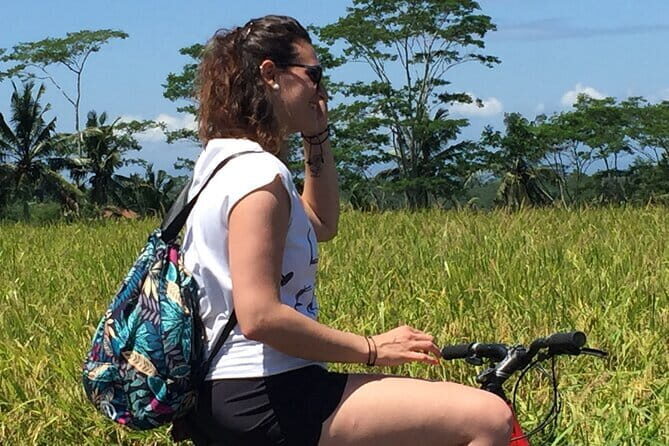
- Downhill-focused riding: designed so you’re not doing constant work all day (electric-assist is mentioned in reviews).
- Tegalalang Rice Terrace included: admission is part of the tour, so you don’t have to figure it out on arrival.
- Bangli villages plus temples: you get countryside riding and stops where you’re given cultural context.
- Bike comfort kit: mountain bike, helmet, cold water, and a cold face towel during the ride.
- Lunch at a Balinese home: described as a homemade, multi-course-style meal with hands-on cooking learning.
Downhill, Rice Terraces, and Real Village Life near Ubud
If you like your Bali with fewer buses and more everyday rhythm, this is the kind of day you’ll appreciate. The core idea is simple: start in the Ubud area, cycle through rural back roads, then slow down at spots where people actually live, work, pray, and grow rice.
The ride is called downhill for a reason, and the “effort level” seems built around making the experience fun instead of a fitness test. In the reviews, I saw that many people didn’t feel like they were working nonstop, thanks to how the bikes are set up (including electric-assist options mentioned by riders). That makes a big difference if you want the scenery without arriving totally cooked.
You also get more than just pretty stops. The day includes cultural explanations along the route—especially at temple compounds—so the photos come with context, not just location tags. And because the tour is capped at 30 people, you’ll likely spend more time with your guide and less time waiting around.
You can also read our reviews of more cycling tours in Ubud

Pickup and Timing: how the tour handles Ubud heat and your day
This tour offers pickup, and in practice that matters. One review noted an early pickup around 8am to beat the heat, which is a smart move in Ubud if you don’t want to roast while everyone else is still stretching.
The total time runs about 6 to 7 hours. That’s long enough to feel like a real day out, but short enough that you still have energy for a normal evening meal back in town.
You’ll also get a few practical comfort touches during the ride: cold water and a cold face towel are included. Rain gear is planned for too, with rain coats available if needed. So you’re not stuck improvising with whatever you packed at home.
Stop 1: Tegalalang Rice Terrace with admission handled
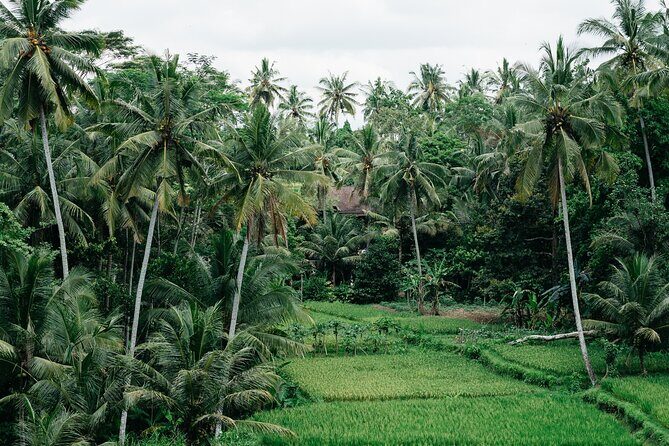
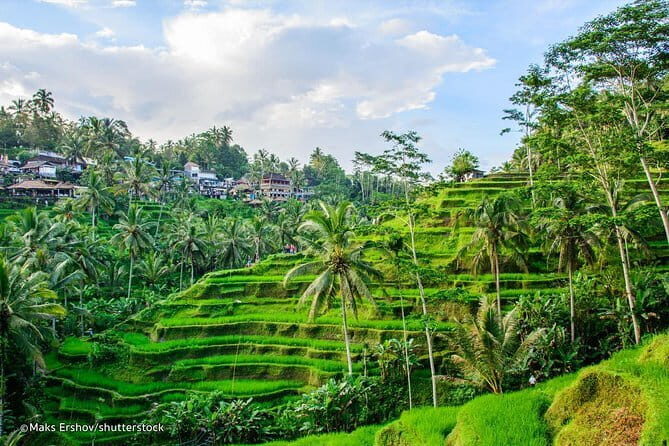
Your first major sightseeing moment is Tegalalang Rice Terrace, about 20 minutes from Ubud on the north side. You’ll spend around 1 hour here, and admission is included, which is one less thing to manage mid-day.
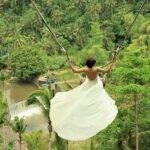
Tegalalang is popular for a reason: you get layered views of rice terraces and those classic Bali-green tones that show up in photos for a reason. But what makes this stop work better than a quick “walk and snap” is the way it fits into the wider flow of the day. You’re not just dropping in for views—you’re about to ride through countryside that connects to what you see here.
A small consideration: if crowds are a concern for you, go in ready to move at a normal travel pace. Even with guides, you’re still visiting a famous stop.
Stops 2–3: Bangli villages, rice paddies, and temple compound culture

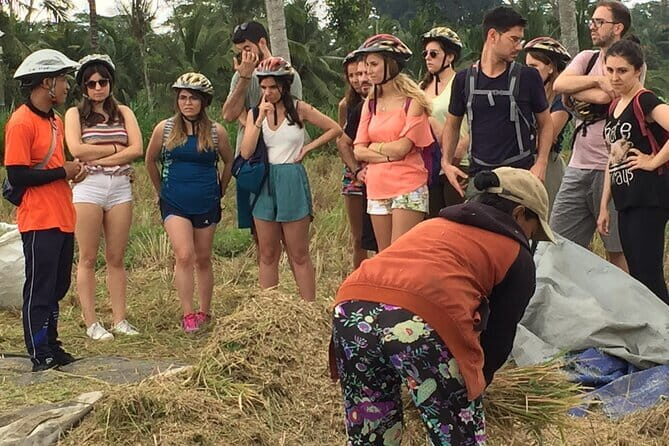
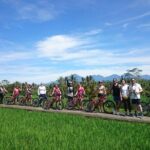
Next comes the part that tends to feel most “Bali countryside,” which is why people book this in the first place. You’ll ride through small villages and rice paddies in the Bangli area, with time to witness daily life of rural rice farmers. There’s also a short walk into the rice paddies, built into the plan.
These countryside moments are where the downhill idea becomes more than just a fun ride. You’re moving slowly enough to notice things—local homes, field edges, small lanes—without having to drive yourself. And the guide’s cultural commentary helps connect the scenery to how people live and work.
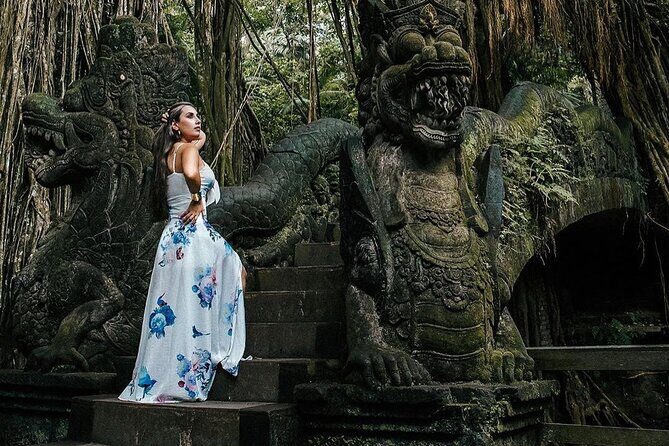
Then you shift from fields to faith and community at a village temple stop. You’ll get a guided explanation of Balinese culture and lifestyle during this temple compound visit. Admission here is listed as free for the stop, which helps keep the “included value” strong.
One thing I like about this layout is the rhythm: bike, short cultural pause, then bike again. It prevents the day from turning into a list of checkboxes. It also gives your legs tiny recover breaks without turning the tour into a long sit-down marathon.
Stop 4 and the Bali Go Bike temple visit
The schedule includes another stop tied to a village temple and Balinese culture, listed under Bali Go Bike. It’s another chance for you to hear details about compound life and how the spiritual and daily routines mesh together.
This stop is marked as about 1 hour, with admission listed as free. Whether you find this stop more “meaningful” than another depends on your interest level in culture notes, but the best part is that it doesn’t feel random. It follows the day’s theme: countryside riding plus context at places that shape local life.
If you’re the type who learns fast when you can ask questions, use this time. A good guide can make a temple visit feel practical—like you understand what you’re seeing—rather than just “standing and listening.”

Your bikes, helmets, rain coats, and staying comfortable for hours
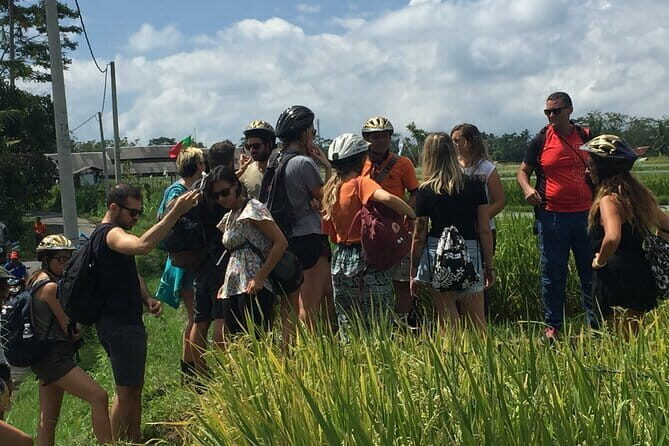
This tour provides a mountain bike with safety helmets. That’s the baseline. You’ll also get rain coats if needed, which is important in Bali when weather can change quickly.
During the ride, you’ll have cold water and a cold face towel. These small things matter more than you think, especially on a long day when you’re out in the sun and doing repetitive downhill riding.
Most people can participate, and the tour is designed to keep the experience accessible. In reviews, riders pointed out that downhill cycling felt manageable, with little pedaling mentioned in the mix. Still, it’s smart to think about your own comfort level with bikes—especially if you’re not used to handling something for hours.
If you’re bringing kids, there’s an option for a baby seat upon request. That’s a big deal for families who want the experience without scrambling for separate arrangements.
What to wear? Comfortable closed-toe shoes and clothes you don’t mind getting dusty. Bring sun protection even if the day looks calm at the start, because you’ll be outside for most of the tour.
Lunch at a Balinese home: cooking learning and a homemade meal
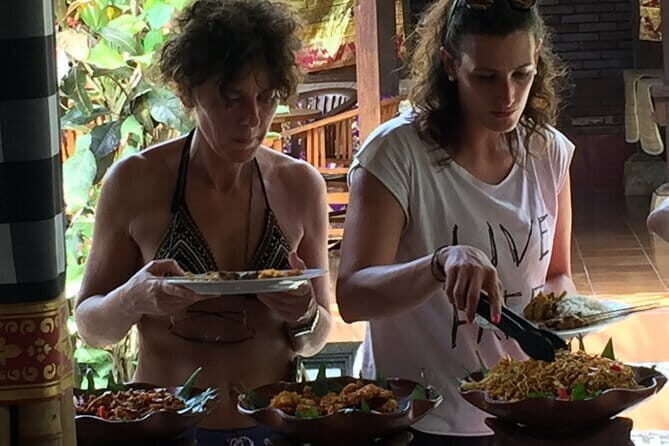
This is one of the strongest reasons to pick this tour. The lunch isn’t just a restaurant plate you eat and forget. You’ll be served lunch at an authentic Balinese home, described as a homemade 6-course style meal, and there’s also a short cooking learning program where you can help with preparing or cooking the food.
That hands-on element is what turns lunch into a cultural moment instead of a timed break. One review highlighted how the lunch was outstanding, with wording like too notch and A-maz-ing used to describe the experience. Another mentioned helping prepare the Balinese lunch as part of the day.
The value angle here is clear: when lunch is included and part of the cultural experience, you’re not paying extra later for a “good meal” that still doesn’t teach you anything. You get fed, you get a story, and you get to see how hospitality works in a home setting.
If you’re picky about food textures or have dietary restrictions, the tour data you provided doesn’t spell out specific accommodations. So it’s worth asking directly before you book so expectations stay aligned.
Coffee and tea tasting: a bonus stop that adds flavor to the day
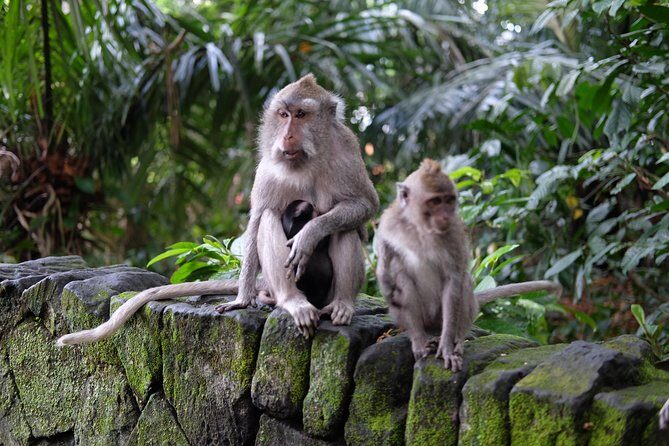
In reviews, I saw that the tour route often includes a visit related to Luwak coffee and a tasting of teas and coffees. That fits nicely with a rural day out: rice terraces, villages, then a plantation stop where you learn how products get made and how local flavors get served.
This part isn’t spelled out as a numbered stop in the itinerary details you shared, but it shows up clearly in people’s accounts of the day. If coffee and tea are part of your travel interests, this bonus can be a big plus.
The practical question: if you prefer to keep the day strictly outdoors, you might want to check how long the coffee and tasting portion typically takes so it fits your pace.
Guides make the difference: Made, Mardy, and the family-run feel
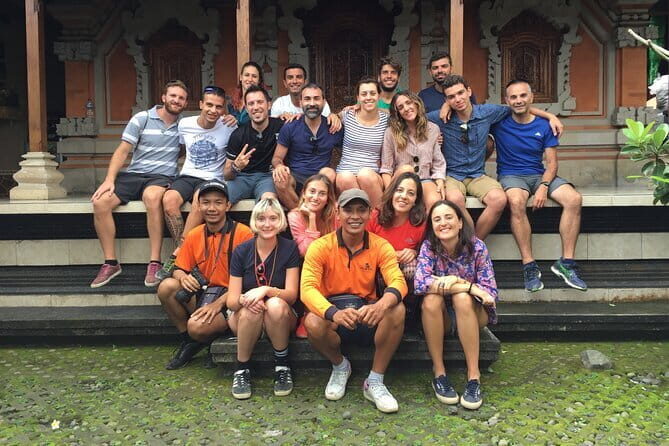
One of the best things about this tour is the people. It’s described as a small Bali-based company where the team who creates the tour also answers your messages and leads you on the journey. That’s not just a feel-good line. It tends to mean fewer handoffs and less “tour-company fog.”
In reviews, guide names like Made, Madea, and Mardy come up. And the common thread is that guides don’t only point and talk—they explain. You get an English tour guide with in-depth explanations of Balinese culture and tradition.
That matters because the tour includes cultural stops like village temples. Without a real guide, temple visits can become quiet tourism: look, photo, move on. With a strong guide, you start noticing details that you’d otherwise miss.
So if you like learning while you walk and ride, this format hits the sweet spot.
Price and value in Ubud: what $56 is really buying
At $56 per person, the price feels designed for value, not just access. Here’s what’s included based on the details you provided:
- A guided experience in English with cultural and tradition explanations
- Mountain bike and safety helmet
- Pickup (offered)
- Cold water and a cold face towel
- Rain coats if needed
- Tegalalang Rice Terrace admission included for that stop
- A Balinese home lunch with a short cooking learning program
- A tour group capped at 30 people
When you add that up, this isn’t only “bike rental plus vibes.” It’s an organized day with transport support, safety gear, set activities, cultural interpretation, and lunch baked into the cost.
Could you piece together similar pieces on your own? Maybe, but you’d be spending your time coordinating drivers, tickets, and schedules, and you’d probably lose the guided context that makes the day click.
So for many people, $56 is less about “cheap” and more about efficient: you buy a plan that runs.
Who this downhill cycling tour suits (and who should think twice)
This is a great fit if you want:
- A downhill-style bike day that doesn’t feel like punishment
- Rural countryside riding around Ubud
- Cultural stops where you get explanations, not just sightseeing
- A lunch that’s part of the experience, not an afterthought
It’s also family-friendly in at least one practical way: there’s a baby seat on request. A review described doing the tour with a daughter, showing it can work for adult families too.
Who should think twice? If you hate slow roads and long drives, plan around the reality that traffic on the way in and out can be slow. Also, because it requires good weather, you should be ready for date changes if conditions don’t cooperate.
Finally, if you’re extremely sensitive about movement or riding time, you should ask questions about pacing and bike type before you commit—especially if you prefer to understand how much support the bike gives you.
Should you book it? My quick decision guide
Book this tour if you want a full Ubud day that’s more than a single attraction. The mix of downhill countryside cycling, Tegalalang Rice Terrace, temple compound culture stops, and a hands-on Balinese lunch is a strong combo for the price.
Skip it or ask extra questions if you’re worried about traffic delays, weather-related changes, or if you want a tour with lots of guaranteed indoor time. This one is built for being outside.
If your idea of a good Bali day is riding through back roads and then learning what you’re seeing at places tied to everyday life, you’ll likely feel like this was time well spent.
FAQ
How long does the Halo Bike downhill cycling tour last?
The tour lasts about 6 to 7 hours (approx.).
Is pickup offered for this tour in Ubud?
Yes, pickup is offered.
What bike and safety gear are included?
You’ll get a mountain bike and safety helmets. Rain coats are provided if needed, and you’ll also receive cold water and a cold face towel during the bike ride.
Is lunch included, and is it part of the experience?
Yes. Lunch is served at an authentic Balinese home, described as a homemade 6-course style meal with a buffet, plus a short cooking learning program.
Do you visit Tegalalang Rice Terrace and temple sites?
Yes. The tour includes a stop at Tegalalang Rice Terrace (admission included) and additional stops at village temples/temple compounds, with admission listed as free for those stops.
Can I request a baby seat for a child?
Baby seats are provided upon request.
What happens if the tour can’t run due to weather or group size?
The experience requires good weather. If it’s canceled due to poor weather, you’ll be offered a different date or a full refund. It also requires a minimum number of travelers; if canceled because that minimum isn’t met, you’ll be offered a different date or a full refund.