REVIEW · UBUD
Kintamani Cultural and Nature Cycling Tour ( Manual Bike )
Book on Viator →Operated by Greenbike Adventure · Bookable on Viator
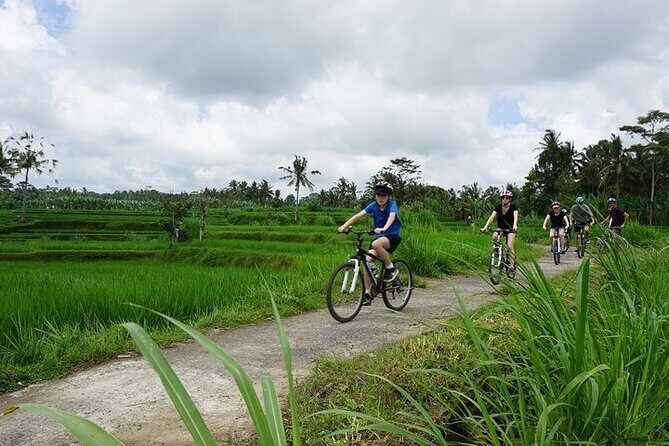
If you want Bali that feels lived-in, this ride is a strong pick. I like the mostly-downhill route that gets you out of the main crowds fast, and I also really enjoy how the guides (I caught names like Gede, Ben, Wayan, Gudday, and Amin) explain daily life as you pedal—religion, food, and local work. One thing to keep in mind: you should check your bike right at the start and stay alert with narrow roads and potholes, since that’s part of the experience.
In This Review
- Ubud pickup, culture stops, and two rice-terrace worlds
- Key highlights to look forward to
- Bali on a Manual Bike: Why this Kintamani Route Is Such Good Value
- From Ubud Pickup to Greenbike Adventure Coffee Break
- Tegalalang Rice Terrace Stop: Photos, Fresh Air, and a Quick Cultural Hit
- Kintamani Villages and Home Visits: Where the Day Turns From Scenic to Personal
- Taro Village, Gunung Raung Temple, and the Second Coffee Break
- Bresela Rice Fields and Irrigation: The Water Story Behind the Paddies
- Payangan Finish at Hyang Api Temple, Then Lunch at Greenkubu Café and Swing
- Manual Bike Reality Check: Safety, Timing, and What to Wear
- Price and Logistics: Getting a Full Day for $33 Without Feeling Ripped Off
- Who Should Book This Kintamani Cultural and Nature Cycling Tour
- Should You Book This Tour or Skip It?
- FAQ
- How long is the cycling tour?
- Is pickup from Ubud included?
- What’s included in the tour price?
- Is there a gluten-free option?
- Is the tour suitable for beginners?
- How do I pay and what payment types are accepted?
Ubud pickup, culture stops, and two rice-terrace worlds
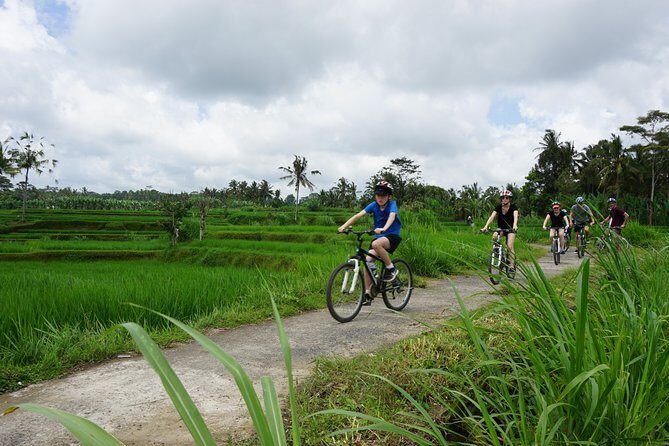
This tour works well if you want countryside views without turning it into a full-day slog. You’ll get coffee breaks and a satisfying lunch after riding through places like Tegalalang rice terraces, Kintamani villages, and areas around Payangan. The one drawback I’d plan for is timing: a few past guests noted pickup or driver delays, so I’d build in a little buffer when you’re connecting this tour to other plans.
Key highlights to look forward to
- Mostly-downhill riding that still feels like a workout without the grind
- Guides who explain Balinese life while you pass villages, temples, and home industries
- Coffee + lunch included, with a gluten-free option available on request
- Tegalalang, Kintamani, Taro, Bresela, and Payangan in one smooth day of countryside time
- Two-guide safety setup (lead and sweep) for traffic and tighter road sections
- Manual bike adventure with scenic detours through less-touristy alleys
You can also read our reviews of more cycling tours in Ubud
Bali on a Manual Bike: Why this Kintamani Route Is Such Good Value
Kintamani is the kind of starting point that changes your whole ride. You begin up high, and then the day’s rhythm becomes downhill momentum instead of constant pedaling. That’s a big reason this tour feels worth the time: you get real countryside variety—forest edges, rice paddies, small village lanes—without spending the whole day fighting uphill climbs.
At $33 per person, the value comes from how many “inputs” you get for one price. You’re not just buying bike time. You’re also getting round-trip transport from Ubud, coffee and meals, and multiple culture stops where you learn what you’re actually seeing. For many Bali tours, you pay extra to add transport and guided context. Here, it’s bundled into the same day.
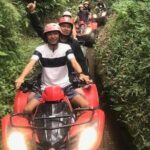
The manual bikes are part of the charm. You ride with your own legs and balance, so it feels more hands-on than a van tour, but it’s not so technical that it turns into a training program. The ride is often described by past riders as easy-to-manage because it’s mostly downhill, and the guides help you move confidently through the tricky bits.
From Ubud Pickup to Greenbike Adventure Coffee Break
The day starts with pickup from your hotel, then a drive up to the plantation area for the first break. This opening stage matters because it sets the tone. You arrive before the ride starts, get comfortable with your guide, and you can ask quick questions before you’re on the bike.
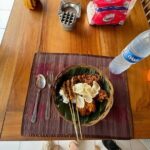
At Greenbike Adventure, you’ll have a coffee break with options like pancake or a smoothie bowl, and they note that gluten-free requests can be accommodated. Even if you don’t care about coffee, this stop is useful: it gives you fuel, lets you test how your bike feels, and you get a short pause before the downhill begins.
Practical tip: when you’re handed your manual bike, do a quick check:
- gears shifting (no grinding or sticking)
- brakes feel solid
- seat height fits you
If anything feels off, tell your guide immediately so it gets fixed before you’re in the middle of the route. One past rider reported gear problems and a fall, and that’s the kind of thing you can often avoid with a careful start.
Tegalalang Rice Terrace Stop: Photos, Fresh Air, and a Quick Cultural Hit
After the coffee break, the route includes a short stop at Tegalalang for pictures of the rice terraces. This isn’t a long “walk the terraces” outing—it’s more of a snapshot moment. That’s good for people who don’t want to spend half the day off the bike, and it keeps the pace of the tour moving through multiple zones.
What I like about this stop is that it gives you a clear visual anchor. You’ll bike through other paddies later, but Tegalalang helps you understand the scale and structure of the rice landscape you’re heading toward. You can also use this moment to plan your photo strategy—if you take photos, you’ll want to know where the best angles are before the group moves on.
Since this stop is brief, don’t expect time for long browsing. Think: quick photos, quick appreciation, then back on the bike.
Kintamani Villages and Home Visits: Where the Day Turns From Scenic to Personal
The ride begins in the Kintamani area, starting near Abuan Kintamani village, then moves into time on the ground beyond just views. This is where the tour becomes more than a countryside ride.
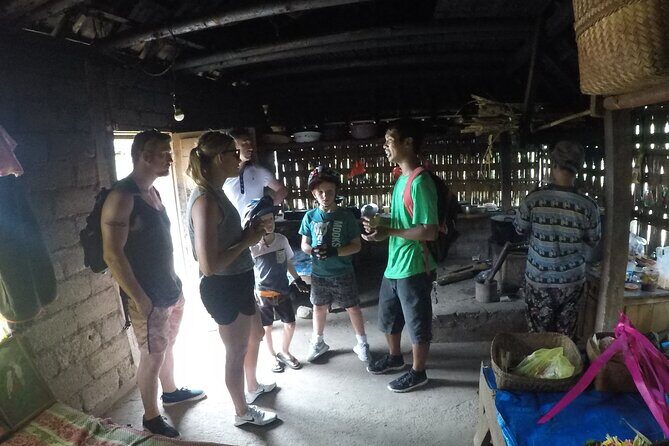
You’ll have a stop around Abuan Kintamani, then another stretch visiting a local home. This home visit segment lasts about 45 minutes, and that time window is often the sweet spot: long enough to understand what you’re seeing, not so long that it becomes tiring.
This portion is valuable because it explains how Balinese life shows up in everyday routines, not just in ceremonies. You get context for things like:
- why religion is present in daily patterns
- how families organize the rice areas
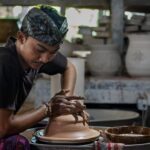
- what local home industries look like (including work like stone and woodworking)
One rider specifically praised the guide Ben for sharing what the religion role looks like in daily life and how rice paddies are organized between families. That’s the kind of learning that sticks. You won’t just think I passed some fields—you’ll know why the fields look the way they do and what role they play.
Drawback to consider: you’ll be moving in and out of narrow areas and local spaces with uneven ground. Wear shoes that can handle that. If you’re someone who hates stepping off paved surfaces, you’ll feel more stress here than on the downhill sections.

Taro Village, Gunung Raung Temple, and the Second Coffee Break
Next up is Taro village, with another coffee break and a visit to Gunung Raung Temple. This stop runs about 1 hour, and it’s one of the segments that makes the tour feel balanced: you get food, you get scenery, and you get a culture moment with a real place name.
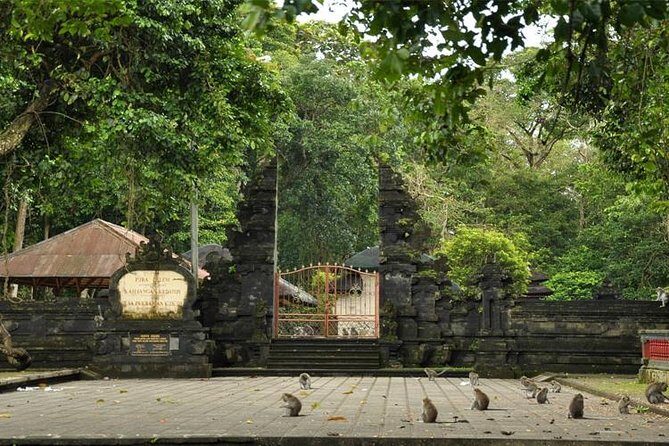
Gunung Raung Temple is a big draw for anyone who wants more than generic tourist temples. Even if you don’t focus on architecture, it helps you understand how spiritual spaces are woven into the local environment. Plus, temple visits break up the cycling rhythm in a good way—you don’t have to bike constantly to keep the day interesting.
I also like Taro as a mental reset. After Kintamani’s village context, Taro feels more like a pause between sections: coffee first, then the temple, then back to the ride.
Practical tip: bring a small backpack for your camera/video, since you’ll likely want to capture rice terraces, village lanes, and temple details. The tour also specifically advises sunscreen, and I agree—you’re in Bali light for hours.
Bresela Rice Fields and Irrigation: The Water Story Behind the Paddies
At Bresela, you stop in rice fields to see the irrigation system. This is a less-famous angle than the big photo terraces, but it can be the most fascinating if you like how things work.
Rice paddies don’t happen by accident. Water control is the whole story, and seeing irrigation helps explain the patterns you’re riding through. When your guide points out how water moves through the fields, the whole day clicks into place. The countryside becomes a practical system, not just scenery.
This stop is about 45 minutes. That’s enough time for a clear explanation and a look around without dragging. It also gives you a chance to pause if you’re feeling the day in your legs—especially since the ride includes some uneven, tighter road sections.
Consideration: if you’re expecting a “hands-on farming” experience, this is more about watching and learning than doing. The focus is on the irrigation idea and what it means for the rice fields.
Payangan Finish at Hyang Api Temple, Then Lunch at Greenkubu Café and Swing
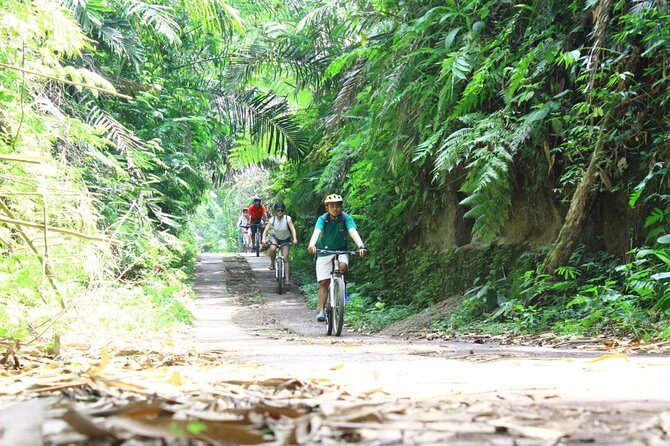
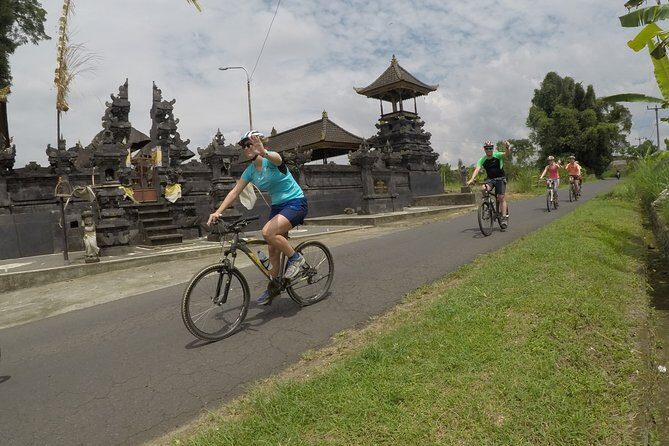
The ride ends in the Payangan area at Hyang Api Temple, with about 30 minutes there. Ending with a temple stop is a smart choice. It gives the day a calm finish that feels more meaningful than just arriving at a restaurant.
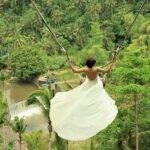
After that, you’ll head to Greenkubu Restaurant and Swing for lunch (around 1 hour). This is the moment to fully relax: eat something satisfying, cool down, and let your legs recover. Lunch is included, and it’s a big part of why this tour doesn’t feel like a “budget snack” experience.
One practical note: if you’re the type who cares about weather and comfort, finish-day heat can still hit you, even with morning riding. Plan to enjoy lunch as your main recovery window.
If you want photos at the end, the swing area usually makes that easy—just remember that it’s not the best moment for rushing. Let the day end on your pace.
Manual Bike Reality Check: Safety, Timing, and What to Wear
This tour can be very easy if you’re comfortable on a bike and okay with basic road conditions. Many riders describe it as mostly downhill and easy to follow because the guides help you with directions and point out hazards.
A strong safety pattern shows up in the way it’s run:
- you’ll have a lead guide at the front
- and a sweep guide at the back
That matters when the route includes narrow roads, potholes, and occasional traffic. If you get tired or uncertain, the sweep approach helps you feel like the group won’t leave you stranded.
Still, I’d plan for the “not perfect road” part. One review praised the ride as safe, but also noted the reality of narrow paths and bumpy sections that require confidence. Another mentioned a bike gear issue and a fall. That’s why I keep repeating the start-of-tour bike check: it’s low effort, high payoff.
What to wear and bring:
- walking/sport shoes (not flip-flops)
- sunscreen (you’ll be in strong sun)
- small backpack for your camera/video
- bug protection can help too, since riders recommended it, especially when weather cools but mosquitoes still show up
Timing consideration: a past rider mentioned a driver being late. That’s not guaranteed, but it’s smart to treat pickup as “arrive early, not on the minute.” If you have dinner reservations right after, give yourself buffer time.
Price and Logistics: Getting a Full Day for $33 Without Feeling Ripped Off
At $33 per person, this is priced to be accessible, and it can feel like good value if you’re the type who likes structured sightseeing without paying for multiple separate tours.
Here’s where the price makes sense:
- Round-trip transport from Ubud saves you the hassle of figuring out meeting points and driving
- Meals and drinks (coffee break(s) plus lunch and snacks) mean you’re not constantly buying food
- A guided day with cultural context makes the bike route feel purposeful, not just scenic
- Manual bikes reduce cost compared to e-bike tours, which can keep the day affordable
Also, the tour is designed for a group up to 50 travelers. That’s not tiny, but it can still feel organized if the guiding style is attentive and the route has space to move.
How long? Expect 7 to 9 hours. Plan your whole day around it. If you schedule other tours right after, you’ll likely rush the experience. Treat this as the day’s main event.
Who Should Book This Kintamani Cultural and Nature Cycling Tour
This tour fits best if you want:
- downhill cycling with countryside variety
- a guide who explains Balinese life, not just points at scenery
- time in village settings near places like Gunung Raung Temple and Hyang Api Temple
It also makes sense for people who like a small challenge. It’s not billed as extreme, and many riders say it’s easy, but the roads can be bumpy and narrow. If you’re comfortable biking on imperfect surfaces, you’ll probably enjoy it a lot.
Age info matters too. The tour lists adult (age over 12) and child (age 6 to 12) categories, and it says most travelers can participate. If you’re traveling with kids, this can still be a possibility, but you’ll want to think about how your child handles a manual bike and road conditions.
Should You Book This Tour or Skip It?
Book it if you want a real countryside cycling day from Ubud—one that includes coffee, lunch, and culture stops and doesn’t leave you hungry or lost. I’d especially recommend it to anyone who likes learning how religion, irrigation, and daily family work connect to what they’re seeing.
Skip it or choose a different option if:
- you hate narrow, bumpy roads and need smooth pavement only
- you’re extremely sensitive to delays and have zero flexibility
- you expect a gentle “sit and view” experience rather than riding
If you show up with good shoes, a little sunscreen, and a bike check at the start, this tour is one of those Bali days that feels worth every hour.
FAQ
How long is the cycling tour?
The tour runs about 7 to 9 hours.
Is pickup from Ubud included?
Yes. Round-trip transport from Ubud is offered.
What’s included in the tour price?
You’ll have a coffee break and lunch, plus snacks during the tour. The itinerary also includes short stop entries where tickets are marked as included or free.
Is there a gluten-free option?
Gluten-free requests are supported for the coffee break options (such as pancake or smoothie bowl).
Is the tour suitable for beginners?
Most travelers can participate, and the ride is largely downhill. Still, expect narrow roads and some potholes, so confidence on a bike helps.
How do I pay and what payment types are accepted?
You can pay by cash or bank transfer with no charge. Visa or Mastercard are accepted with a 3% bank fee charge.