REVIEW · GILI TRAWANGAN
Learn to cook Indonesian food at Gili Cooking Classes Trawangan
Book on Viator →Operated by Gili Trawangan Cooking Classes · Bookable on Viator
A trip to Gili Trawangan tastes better with your hands. This class teaches you to make several Indonesian favorites, then you sit down and eat what you cooked. You also get a small-group setup (max 10) and clear, step-by-step guidance from chefs who know the food from the Gilis and mainland Lombok.
What I like most is the mix of learning and payoff: you cook 3–6 dishes depending on the class length, and it ends with a proper feast. I also appreciate the straightforward way they handle diets, including vegan options like tofu/tempe swaps and vegan oyster sauce. If you’re hoping for lots of downtime or a slow, relaxed pacing, the class is more fast-paced and hands-on than casual.
In This Review
- Key highlights
- Getting to the kitchen: location, timing, and the vibe
- How the cooking classes are built: 3, 4, or 6 dishes
- Your 2 hours in real life: what happens during the session
- The dishes you’ll learn: kelopon, tempe with peanut sauce, and more
- Chefs and group size: why the teaching feels personal
- Vegan and dietary needs: real substitutions, not last-minute workarounds
- Ingredients, recipes, and what you can recreate at home
- Price and value: $33 for hands-on meals and take-home recipes
- Picking the right start time on Gili Trawangan
- Small details that make the difference
- Who this class is best for
- Should you book Gili Cooking Classes Trawangan?
- FAQ
- What dishes can I cook in the different class options?
- How long is the cooking class?
- How many people are in the group?
- Are there vegetarian or vegan options?
- What time does the class run?
- What is included in the price?
- Is a take-away box included?
Key highlights
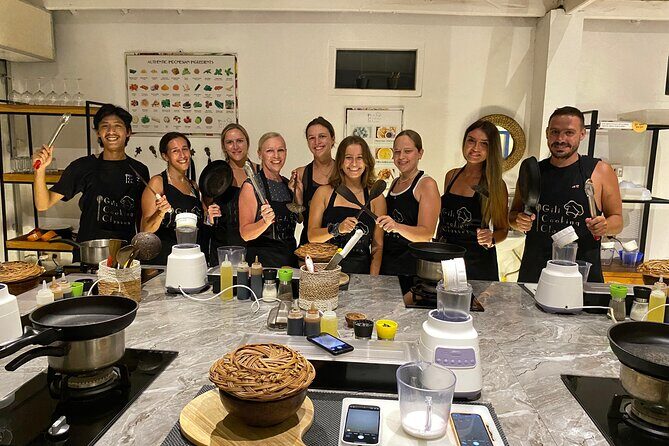
- Small group size (up to 10) means you can actually get help while you cook
- Pick your class length: Intro (3 dishes), Four of a Kind (4), or Super Six (6)
- Vegan-friendly substitutions: chicken can be replaced with tofu/tempe, plus vegan oyster sauce
- Meals included: lunch and dinner are part of what you prepare
- Recipes provided so you can recreate the food back home
- Open-air kitchen near the harbor with a clean, organized cooking space
Getting to the kitchen: location, timing, and the vibe
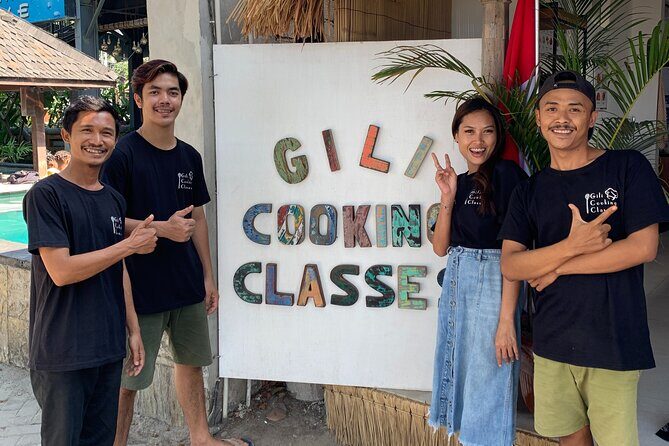
Your class starts at Gili Cooking Classes – Gili Trawangan, next to Trawangan Dive, close to the harbor area. The experience ends right back where you begin, so you don’t have to plan transportation out of the day afterward.
Classes run every day, with start times that shift by season: 11:30am, 4pm, and 7pm or 8pm in low/high season. This matters because Gili Trawangan’s weather can change fast, and cooking earlier can help you avoid the hottest hours.
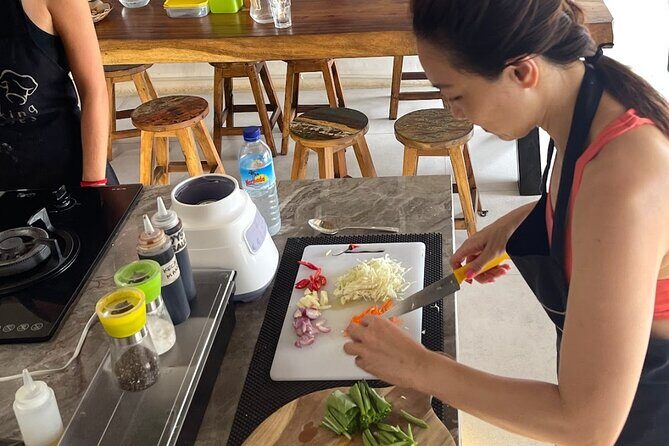
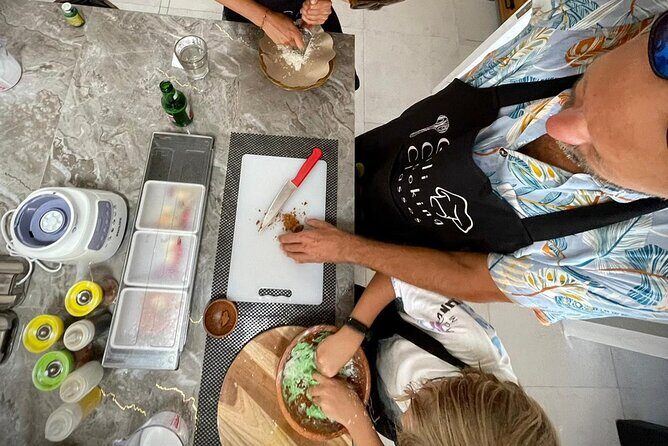
One small detail I really value: you don’t just show up and watch. You’re in the work zone, and the kitchen is open air. Based on what people noted, it’s also clean and organized, and the setup looks out toward the harbor, so the whole thing feels local rather than staged.
You can also read our reviews of more tours and experiences in Gili Trawangan.

How the cooking classes are built: 3, 4, or 6 dishes
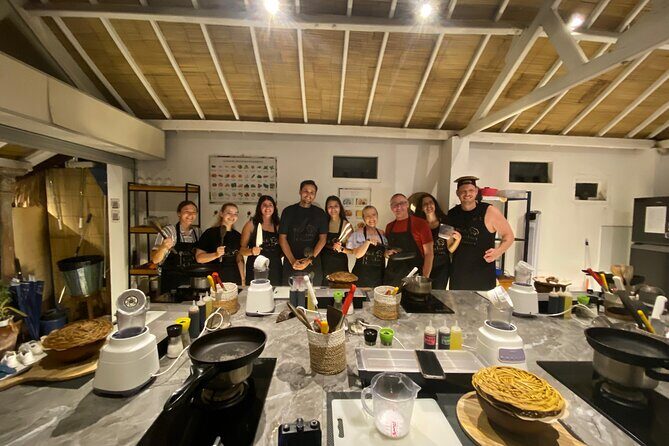
This is one of those experiences where choosing the length is the whole decision. You’ll make 3 to 6 Indonesian specialties, depending on which option you choose.
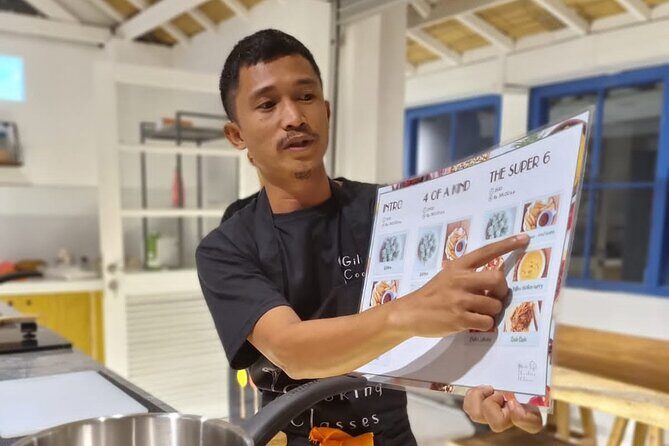
Here are the class formats:
- Intro Course (about 1h30, 3 dishes): kelopon, fried tempe with peanut sauce, fried noodles
- Four of a Kind (about 2h00, 4 dishes): kelopon, fried tempe with peanut sauce, fried noodles, yellow chicken curry
- Super Six (about 2h30, 6 dishes): kelopon, fried tempe with peanut sauce, fried noodles, yellow chicken curry, chicken taliwang, gado gado
I like that the list includes both sweets and savory dishes, so you don’t end up learning just one cooking style. And the spread across frying, saucing, curry, and plated sides gives you more “tools” you can use later.
A possible drawback is simple: the shorter the class, the less variety you’ll get. If you want maximum learning and the full set of recipes, you’ll likely enjoy the Super Six more than the Intro.
Your 2 hours in real life: what happens during the session
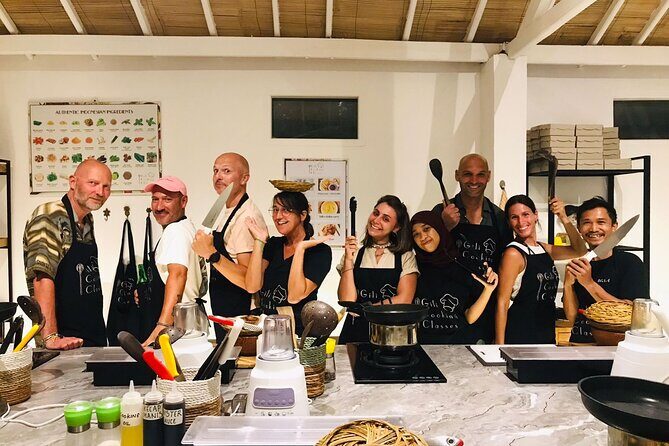
Expect a full loop: prepare, cook, then eat. The class is designed around multiple dishes, so you’ll keep moving through stations rather than sticking to one pot for the entire time.
You’ll start in the kitchen area where the chefs explain what you’ll cook and how the steps fit together. Because the group is kept small, you can usually get corrections in real time, not just a lecture while everyone else works.
As you cook, you’ll practice the techniques tied to each dish. For example, you’ll be doing both frying and sauce pairing (fried tempe with peanut sauce), then switching gears to noodles, curry, and other plate-style components like gado gado in the longer class.
Then you eat. The class includes lunch and dinner, so you’re not leaving hungry after the cooking part. People also called out that they were full afterward, which tells me the “feast” part isn’t just marketing.
The dishes you’ll learn: kelopon, tempe with peanut sauce, and more
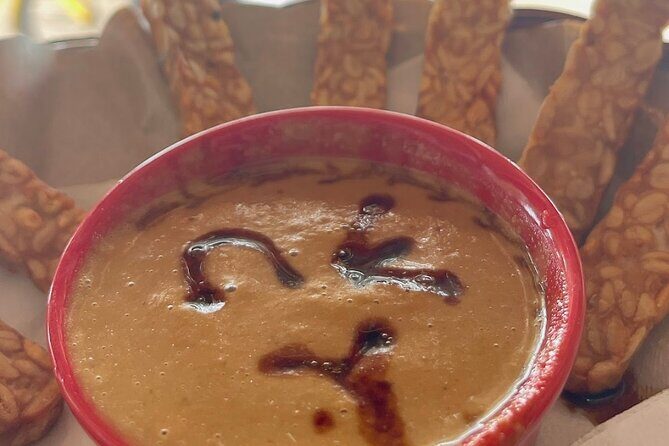
If you’re new to Indonesian food, kelopon is a great first taste. It’s described as a burst-in-the-mouth sweet, and learning it helps you understand that Indonesian cooking isn’t only savory meals.
Fried tempe with peanut sauce is the other anchor dish in every class option. It teaches you how a simple ingredient becomes something satisfying when you get the frying and sauce balance right. The fact that they emphasize an authentic peanut sauce matters because peanut-based sauces are a big part of the regional flavor profile.
Fried noodles round out the basic trio. Noodles are where timing and technique really show, because they can go from perfect to overdone fast. I like including noodles in a cooking class because it gives you a dish you can recreate without needing every specialty ingredient.
If you pick the longer options, you add more variety:
- Yellow chicken curry (in the 4-dish and 6-dish classes)
- Chicken taliwang (in the 6-dish class)
- Gado gado (in the 6-dish class)
This combination gives you a better “map” of Indonesian meals: sweets, fried snacks or components, noodle dishes, curry, and mixed vegetable-style plates. Even if you never make the exact same menu at home, you’ll learn how the flavors and textures are built.
Chefs and group size: why the teaching feels personal
The class is capped at 10 travelers, which is the sweet spot for hands-on cooking. In a larger class, you can get stuck watching while someone else handles the last step. Here, the pace stays active, and help is available when you need it.
The chefs are described as charismatic and funny, with well-spoken English. That matters on a practical level: you’ll understand what you’re doing, not just imitate movements. In particular, people noted that the chefs explained ingredients and where/how they’re grown in the local area, which turns the session into more than just a recipe swap.
You’ll also likely have chances to talk with the chef as you work, especially because everyone is cooking at the same time. One reason the class earns such high marks is that it doesn’t feel like a performance. It feels like you’re part of a small kitchen team.



Vegan and dietary needs: real substitutions, not last-minute workarounds
This is a major strength of Gili Cooking Classes. The chefs can accommodate many dietary needs, including vegan.
Here’s what they specifically offer:
- For vegetarian or vegan diners, they can replace chicken with tofu/tempe
- They also offer vegan oyster sauce
That’s not a vague promise. It’s a clear list of substitutions tied to menu items, so you can actually plan your meal with confidence.
If you have dietary restrictions, I’d still treat it as a conversation, not a checklist. Ask about how substitutions work for the specific dishes in your chosen class length. But if your goal is a vegan-friendly Indonesian cooking experience, this class is set up for it.
Ingredients, recipes, and what you can recreate at home
A big part of the value is what happens after the cooking. You’ll receive recipes for everything you cook, so your experience doesn’t end when you wipe your last pan.
You also learn about substitute ingredients, which is one reason cooking classes are worth it beyond the meal. Indonesian cooking often relies on region-specific ingredients and sauces. If you can learn what can stand in for what, you’ll be able to adapt at home instead of giving up when a particular brand or product isn’t available.
If you like learning the why behind a dish, this class can scratch that itch. People highlighted explanations about ingredients and local growing practices, and I think that’s what turns recipes into something you can understand and troubleshoot.
One practical note: a shorter class gives you less variety. But you’ll still leave with recipes and a better sense of how the dishes connect.
Price and value: $33 for hands-on meals and take-home recipes
At $33 per person, this isn’t a budget class, but it also isn’t a tourist-only gimmick. The price is easier to justify because the meal portion is baked into the experience.
You get:
- Bottled water (free drinking water is provided)
- Lunch and dinner
- The cooking experience itself, in a small group
- Recipes you can use later
If you’re comparing it to a typical paid meal plus a cooking workshop, you can see the logic. You’re paying for the instruction, ingredient handling, and the food you eat. The small-group cap also helps with value, because it reduces the chance you’ll feel ignored.
The main thing to watch is what’s not included. Alcoholic beverages are not included, and you only get free drinking water. There’s also an optional take-away box for a small extra fee if you want it.
Picking the right start time on Gili Trawangan
This class happens in an open-air kitchen, so time of day matters. If you’re sensitive to heat, consider the 11:30am or 4pm options. The later evening starts can be a fun vibe if you prefer cooler temps, but the class still runs actively.
Also think about what you want from the dishes. If you’re cooking a full menu in the Super Six option, you’ll likely want a less packed day around it. A 2.5-hour class plus meals means you don’t need to plan another big food stop afterward.
If you’re building a tight itinerary, use the fact that you can choose class lengths to keep your day balanced. The schedule is daily and multiple times per day, so you’re not stuck with one awkward slot.
Small details that make the difference
A few practical touches show up repeatedly in the way people describe the class.
- Water is taken seriously. On hot days, they keep things comfortable and make sure you have water available.
- Organization is part of the experience. People mentioned clean equipment and good structure, which matters when you’re learning several dishes back-to-back.
- Hands-on means hands dirty. This isn’t a sit-and-watch workshop. If you want a more passive activity, this one might feel too active.
There was also one piece of feedback about having participants add items like water, coconut milk, and oil themselves. The way they described the process indicates that while you may add ingredients under guidance, there can be pre-measured quantities for convenience. If you’re very precise about learning exact amounts, grab the recipe sheet and compare as you cook at home.
Who this class is best for
This is ideal if you:
- Want an authentic Indonesian cooking experience in a small-group setting
- Enjoy hands-on learning, not just eating
- Have dietary needs and want real substitutions
- Plan to cook Indonesian food again at home and want recipes to guide you
You might choose a shorter class if you’re time-limited but still want the “core” dishes. If you want the fullest menu and maximum variety, go longer and choose the Super Six.
Should you book Gili Cooking Classes Trawangan?
Book it if your goal is simple: learn real Indonesian dishes, cook them yourself, eat them right away, and take recipes home. The combination of small group attention, included meals, and clear vegan options makes this one of the more practical cooking experiences on Gili Trawangan.
I would pass only if you’re looking for a slow, relaxed activity with minimal cooking. This is a work-in-the-kitchen kind of class, and the best part is the hands-on rhythm.
If that sounds like your style, you’ll leave with full stomach energy and a menu you can rebuild back home.
FAQ
What dishes can I cook in the different class options?
The Intro Course focuses on kelopon, fried tempe with peanut sauce, and fried noodles. The Four of a Kind adds yellow chicken curry. The Super Six adds chicken taliwang and gado gado, for up to six dishes.
How long is the cooking class?
Classes are offered in different lengths: about 1h30 for the Intro Course, about 2h00 for Four of a Kind, and about 2h30 for the Super Six.
How many people are in the group?
The class has a maximum of 10 travelers, which helps keep the teaching more personal.
Are there vegetarian or vegan options?
Yes. Vegetarian or vegan diners can swap chicken with tofu/tempe, and vegan oyster sauce is available.
What time does the class run?
Classes run daily with start times at 11:30am and 4pm. There are also evening sessions at 7pm or 8pm depending on low season versus high season.
What is included in the price?
You get free drinking water (bottled water), plus lunch and dinner. Recipes are provided as part of the experience.
Is a take-away box included?
No. Take-away boxes cost an additional $0.30 each. Alcoholic beverages are also not included, with free drinking water provided instead.