REVIEW · UBUD
Mount Agung Sunrise Trekking Private Tours
Book on Viator →Operated by Mount Agung Sunrise Trekking · Bookable on Viator
Cold stars and volcano steps.
This private Mt. Agung sunrise trek is a full-on night mission to the crater rim, where you watch sunrise spread across Bali and Lombok. I like the private guide approach (you hike with your own person, not a big herd), and I also like that the tour provides key gear like trekking poles, a flashlight, and a raincoat for the dark, wet parts.
The main drawback is simple: this is a serious climb in wind and cold, and warm layers aren’t included—so you’ll need to plan your clothing and footwear carefully.
In This Review
- Mt Agung Sunrise Trek: Quick hits I’d plan around
- Why the Mt Agung Sunrise Trek feels different than a regular hike
- Getting there: pickup coverage and the Besakih meeting area
- The night hike: flashlights, poles, and the real texture of the trail
- Besakih Temple context: why it’s folded into your route
- Crater rim sunrise and breakfast: the payoff you’re climbing for
- Coming down is the harder part (and it’s where you should slow down)
- What’s actually included versus what you must bring
- Fitness level, timing, and who this tour suits best
- A note on guide communication
- Price and value: what $55 really covers in the real world
- Should you book the Mt Agung Sunrise Private Trek?
- FAQ
- How long is the Mt. Agung sunrise trekking day?
- Where do they pick you up and drop you off?
- What meeting point does the tour use?
- Does the tour start at night?
- What’s included with the sunrise trek?
- What should I bring that isn’t included?
- Is this a private tour?
- What fitness level do you need?
- Is it safe to go during menstruation?
- Do I get a ticket by phone?
Mt Agung Sunrise Trek: Quick hits I’d plan around
- Starts in total darkness with a provided flashlight so you can focus on footing, not guessing the trail
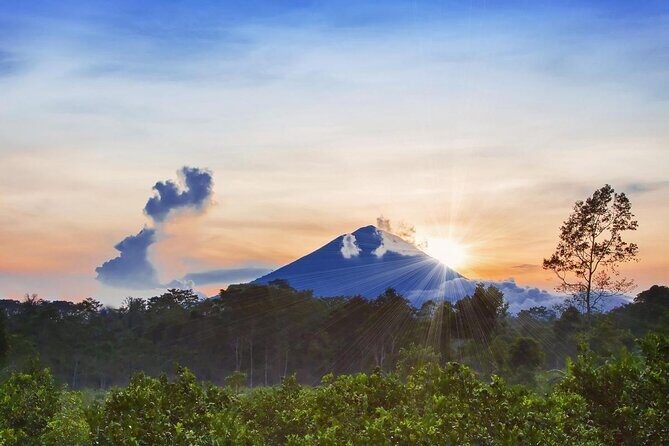
- Crater-rim sunrise views that stretch over Bali and toward Lombok, including Mt. Rinjani in the wider panorama
- Gear is partly covered (poles, flashlight, raincoat), but you must bring warm clothing and proper shoes
- Breakfast is included after a cold climb, typically bread, hardboiled egg, fruit, tea or coffee
- Guides can be quietly focused—great for safety, but you may want to ask questions if you want lots of chatter
Why the Mt Agung Sunrise Trek feels different than a regular hike
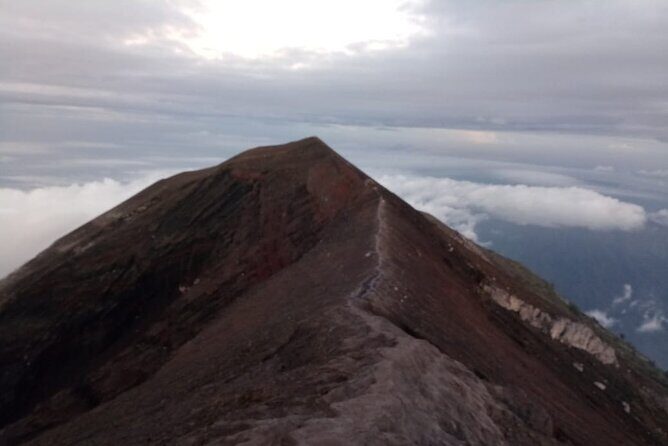
Mt. Agung is Bali’s highest and most sacred peak (3,031 meters / 9,944 feet). That matters because this climb isn’t framed as a casual walk for photos. It’s an actual ascent through changing terrain—first easier, then steep and rocky—done at night so you reach the summit for sunrise.
What I like about this tour is the pacing goal: get you up while it’s still dark, then bring you into sunrise with a plan for warmth and food. You’re not just hiking to a viewpoint. You’re hiking to timing—where the trail, the cold, and your energy all line up for that horizon moment.
And it’s private, so you can move at a pace that matches your comfort. I’ve heard guides like Gede Darta are calm and safety-minded, and that style really changes the whole experience when you’re tired and the slope gets sketchy.
You can also read our reviews of more private tours in Ubud
Getting there: pickup coverage and the Besakih meeting area
The tour operates out of Ubud, but the important part for you is coverage. Pickup and drop-off are offered for south Bali, Ubud, Amed, Lovina, and Candidasa. That’s a big deal on a long day/night trek because the logistics can turn a “great plan” into “why did I do this?”
Your meeting point is listed as Pura Pengubengan, Besakih (Karangasem Regency, Bali). That puts you right in the Mt. Agung hiking orbit near Besakih, rather than starting from some random street far away.
You also get a mobile ticket, and confirmation is handled at booking time. Translation: once you’re set, you can focus on packing and sleep (or lack of it).
The night hike: flashlights, poles, and the real texture of the trail
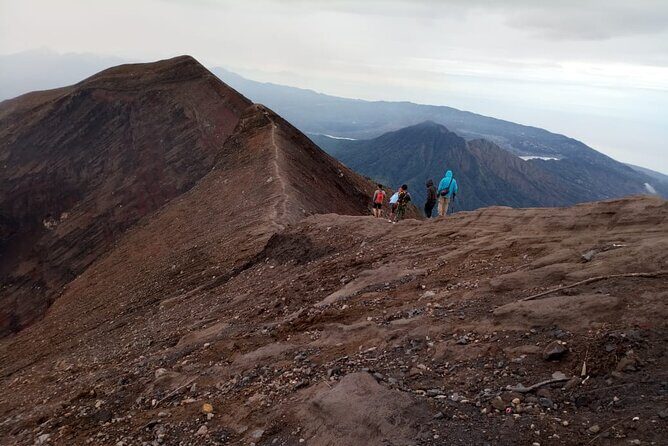
This trek begins in darkness—think midnight start vibes—using provided flashlights to guide your steps. The early part is often described as easier, then it turns steep. Expect rocky ground and sections that feel like a rough uphill channel rather than a neat footpath.
This is where the included equipment earns its keep:
- Trekking poles help on steep climbs and save your knees on the way down.
- Flashlights matter because you’ll be walking where one wrong step turns into a slip.
- Raincoat helps in Bali-style conditions where mist and dampness can show up even when the weather feels calm.
One practical note from experience reports: the top gets colder and more windy than the forest. You’ll be sweating in the humid forest part, then you’ll feel the temperature drop as you gain elevation. That’s why rain gear alone won’t save you. You need layers.
If you want a safety-minded guide vibe, look out for names like Darta (a few guides were specifically called out). People also mentioned quiet, attentive guiding—sometimes with limited English—so if you want explanations, ask early and keep your questions simple.
Besakih Temple context: why it’s folded into your route
One part of the trek route includes passing by the area tied to the mother temple of Bali—often through the Besakih Temple route. Besakih is described as the biggest Hindu temple in Bali (Pura Besakih), with a view from higher temple areas that stretches across nature and toward the ocean.
For you, this isn’t about a long temple tour. It’s more like a cultural “you are in the right place” moment before a big physical challenge. If you like understanding where you are—especially when you’re heading to a sacred mountain—this stop gives that extra layer.
Also, because the hike starts at night and the terrain is serious, don’t treat the Besakih area like your time to do sightseeing shopping. Think of it as a calm pause in the plan, not the highlight of the day.
Crater rim sunrise and breakfast: the payoff you’re climbing for
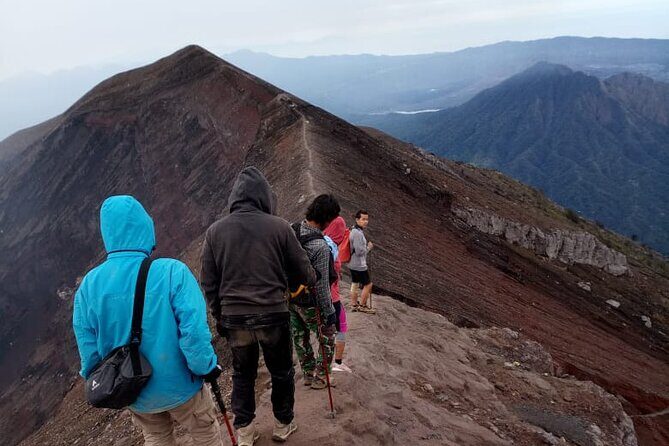
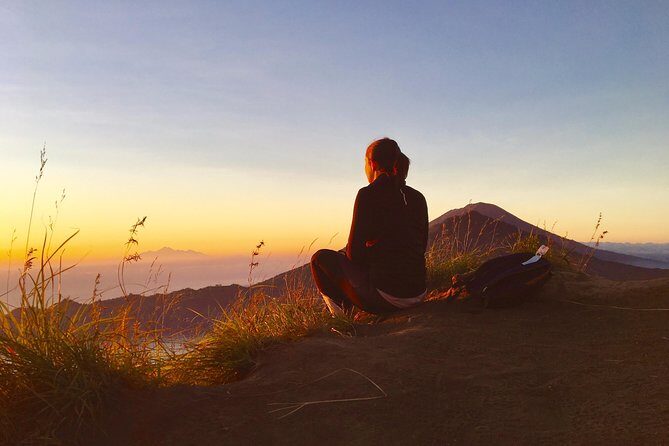
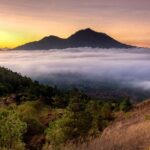
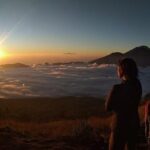
The goal is summit timing so you can watch sunrise from the crater rim. In clear conditions, you’ll see sunrise spread over Bali and across toward Lombok, with Mt. Rinjani visible in the broader panorama mentioned for the route.
What makes this part work is the “pause-and-warm” design. The tour includes breakfast and hot drinks (tea or coffee). Your food is simple but welcome after hours of cold exertion: bread, hardboiled egg, seasonal fruit, plus biscuits and tea/coffee.
Some guides also stop in a way that creates warmth—like building a small fire using sticks collected along the trail—then you eat and wait for the sunrise moment. That’s the kind of practical detail that makes sunrise feel less like suffering and more like recovery.
If you’re anxious about timing, here’s the reality check: you’ll likely have some waiting involved once you’re close. That’s normal. Sunrise happens on its own schedule.
You can also read our reviews of more hiking tours in Ubud
Coming down is the harder part (and it’s where you should slow down)
The way up is tough. The way down can be tougher on your body and coordination.
The descent is described as slippery in multiple ways:
- loose stones and small rocks that shift underfoot
- narrow trail sections
- damp/muddy forest conditions that turn gravel into a skid zone
One key thing I’d follow: don’t treat the descent as a victory lap. It’s still steep, still technical, and it’s when people tend to rush because they’re mentally done.
That’s also why footwear matters so much. A few people specifically advised against running shoes with less grip and warned that sandals are a bad idea. If you want to enjoy your descent (instead of white-knuckling it), bring shoes with real tread and a solid grip.
Poles help here too. Use them. They’re included for a reason.
What’s actually included versus what you must bring
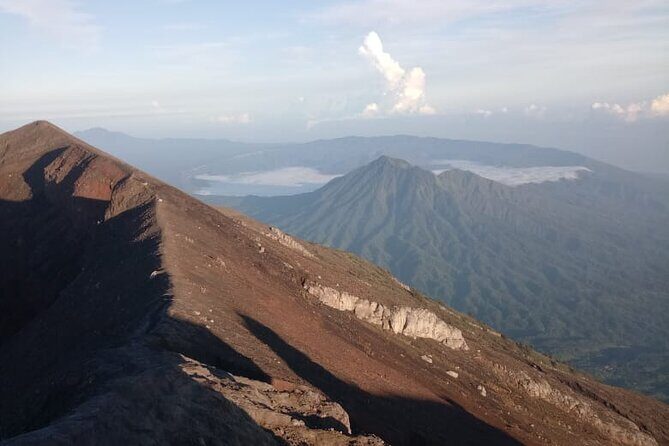
This tour includes a lot of the “right tools,” which makes the $55 price feel more reasonable than it might at first glance.
Included:
- Breakfast foods (bread, hardboiled egg, seasonal fruits, biscuits)
- Water during the hike (plus tea or coffee)
- Private driver and guide
- Trekking poles
- Flashlight
- Raincoat
- Admission ticket listed for the Mt. Agung stop
Not included (and this is where your choices make or break the day):
- Warm jacket / warm layers
- Shoes and other personal needs
- Personal expenses
I strongly recommend you plan for more water than you think you’ll need. Even though water is included, hikers commonly suggest bringing extra—one advice I’d follow is about 3 liters per person—because a long, cold night hike makes thirst sneak up on you.
Also pack smart for changing temperatures. The forest can feel humid and warm; the summit area can feel cold and windy. A raincoat helps with wet, but it doesn’t replace warmth.
Fitness level, timing, and who this tour suits best
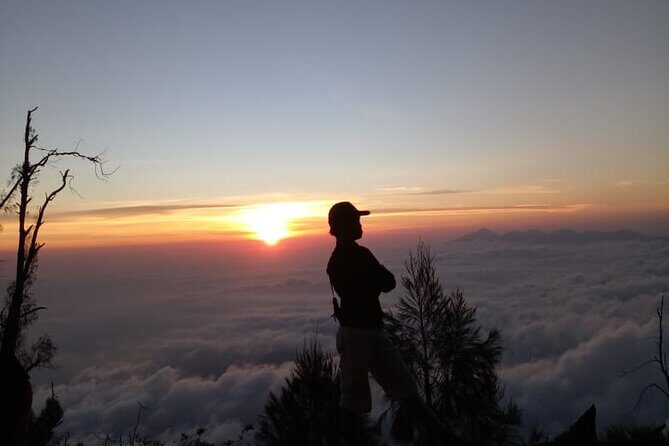
This isn’t a “try it if you feel like it” hike. It’s for moderate-to-strong physical fitness, and it’s not recommended during menstruation.
In plain terms, if you can handle a long uphill effort at night and you’re comfortable with uneven, steep terrain, you’ll likely enjoy it more. If you’re aiming only for sunrise without committing to a hard route, you might find the physical side overwhelms the reward.
The good news: not everyone has to go all the way to feel the value. Some accounts describe great cloud views and sunrise from a lower point when reaching the summit wasn’t possible due to health or stamina. Still, you should come with the mindset that summit attempts are part of the deal.
A note on guide communication
You might get a guide who’s very quiet and safety-focused. That can be totally fine when you’re tired and focused on footing. If you want more motivational talk or clearer break timing, you’ll get the best result by asking simple questions early—how long to the next break, what to expect as you get closer to the rim.
Price and value: what $55 really covers in the real world
At $55 per person, you’re basically buying:
1) a private guide for a long, technical night hike
2) a driver with pickup and drop-off across several Bali areas
3) key climbing tools (poles, flashlight, raincoat)
4) basic breakfast and warm drinks
So you’re not paying extra for things you’ll likely need anyway. The trade-off is that the price doesn’t cover your personal essentials—especially warm layers and proper shoes.
If you show up prepared, the value is strong. If you show up underpacked, the tour can feel expensive fast because you’ll be stuck cold, tired, and trying to fix gear mistakes mid-hike.
Should you book the Mt Agung Sunrise Private Trek?
Book it if:
- you want a real challenge and you like earning views
- you’re comfortable hiking at night and on uneven ground
- you can pack for cold, windy altitude (warm layers are on you)
- you prefer a private guide and a focused plan over a big-group vibe
Skip or rethink it if:
- you’re not ready for steep, slippery descent conditions
- you don’t have proper grip footwear
- you’re looking for an easy sunrise outing rather than a technical climb
- you’re traveling during a period when the tour notes it’s not recommended
If you do book, do one thing that pays off immediately: pack warmer layers than you think you need, and bring shoes with real tread. That’s the difference between sunrise as a triumph and sunrise as an endurance test.
FAQ
How long is the Mt. Agung sunrise trekking day?
It runs about 12 to 16 hours, depending on the route and conditions.
Where do they pick you up and drop you off?
Pickup and drop-off are offered in south Bali, Ubud, Amed, Lovina, and Candidasa.
What meeting point does the tour use?
The listed start meeting point is Pura Pengubengan, Besakih, Karangasem Regency, Bali.
Does the tour start at night?
Yes. The hike begins in darkness, guided by flashlights provided for the trek.
What’s included with the sunrise trek?
You get a guide and private driver, trekking poles, a flashlight, a raincoat, plus breakfast and water during the hike (with items like bread, hardboiled egg, seasonal fruit, biscuits, and tea or coffee).
What should I bring that isn’t included?
Warm layers (warm jacket), shoes, and other personal needs are not included.
Is this a private tour?
Yes. It’s described as private, with only your group participating.
What fitness level do you need?
You should have a moderate physical fitness level.
Is it safe to go during menstruation?
It’s not recommended for menstruation-period travelers.
Do I get a ticket by phone?
The tour features include a mobile ticket, and confirmation is received at booking time.