REVIEW · UBUD
Private Car Charter – Explore Best of Bali
Book on Viator →Operated by Eco Bali Tours - Day Tours · Bookable on Viator
One day in Bali can feel like three.
This private car charter from Ubud lets you steer the day—temples, rice terraces, waterfalls, and quiet village stops—while your English-speaking chauffeur handles the driving and logistics. You can follow the classic sights or take side roads, and you control how long you stay at each place.
What I like most is the control. You choose the order, the pace, and whether you want a quick photo stop or a slower wander. I also like that it’s truly private for your group—no ride sharing, no awkward waits, and no scrambling to match other peoples schedules.
One consideration: Bali traffic can swallow time fast. If you pack too many stops, you may rush through places that deserve a little breathing room—especially when entrance lines and walking add up.
In This Review
- Key things you’ll notice
- Why a private charter from Ubud feels so much better than buses
- Price and value: $30 per person, but think in total day costs
- The driver role: it’s more than just transportation
- How to pace 1 to 10 hours without feeling rushed
- Stop 1: Batuan’s Traditional Balinese House Compound and what to look for
- Stop 2: Batuan Temple for a quieter, local shrine feel
- Stop 3: Tegenungan Waterfall—easy access, big water, and a real swim option
- Stop 4: Goa Gajah (Elephant Cave) for archaeology and atmosphere
- Stop 5: Mount Kawi for rice-valley scenery and ten temple structures
- Stop 6: Mengening Temple for a quieter water-temple feel
- Stop 7: Tirta Empul—holy spring water and the ritual of melukat
- Stop 8: Gunung Kawi Sebatu for peace away from the crowd
- Stop 9: Tegalalang Rice Terraces for views shaped by traditional irrigation
- Stop 10: Happy Swing Bali if you want thrill plus terrace scenery
- Stop 11: Campuhan Ridge Walk for fresh air above the valley
- Stop 12: Saraswati Temple (Ubud Water Palace) for a free-to-enter lotus pond
- Stop 13: Ubud Palace for traditional architecture and performances
- Stop 14: Ubud Art Market for practical browsing and local shopping
- Stop 15: Sacred Monkey Forest Sanctuary for temples and long-tailed macaques
- The real “Best of Bali” strategy: choose your mix, not every stop
- Should you book this private car charter from Ubud?
- FAQ
- How long is the private car charter experience?
- Where is this tour based?
- Is the car charter private or shared with other groups?
- What’s included in the price?
- Are entrance fees included for the sights?
- Do I need to arrange tickets myself?
- Can I choose where to go and how long to stay?
- What’s the cancellation policy?
Key things you’ll notice
- Private vehicle, no ride sharing: your group stays together the whole time
- English-speaking driver: ask for suggestions, directions, and cultural context
- Up to 10 hours of flexibility: mix major sights with quieter detours
- Entrance fees aren’t included: plan a small extra budget for tickets
- Built for a do-it-your-way day: decide what’s touristy vs off the usual path
Why a private charter from Ubud feels so much better than buses
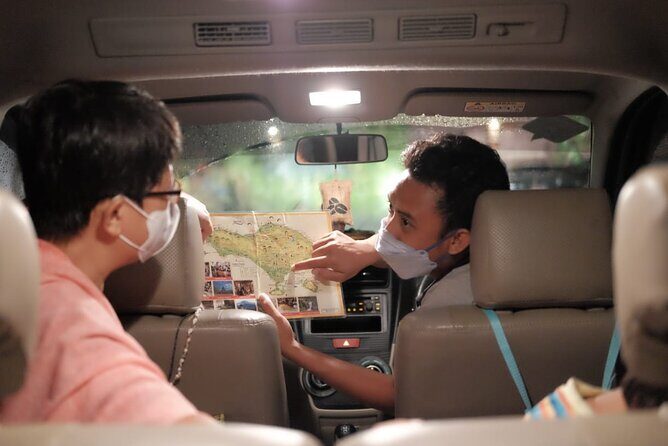
From Ubud, Bali is close enough to tour, but not close enough to do easily without a car. This charter solves the two big problems: getting around on your timetable and avoiding the stress of changing plans mid-day.
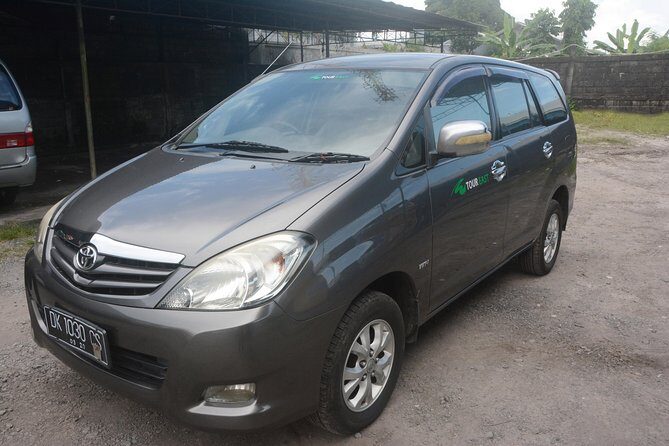
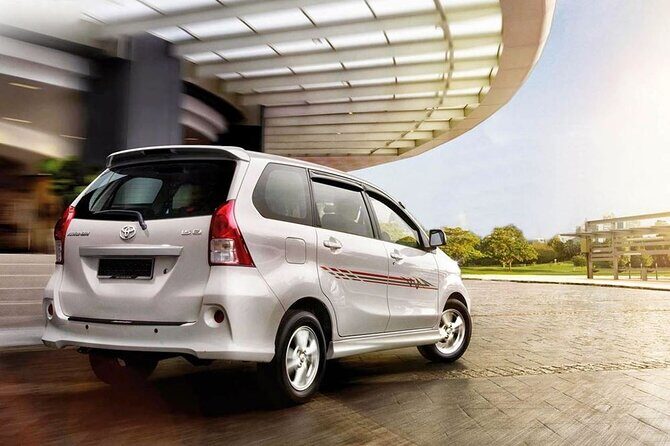
You get an air-conditioned vehicle plus an English-speaking driver, and the service runs up to 10 hours. That matters because in Bali, the difference between a great day and a tiring one is usually pacing—when you arrive, how long you linger, and whether you can pivot when weather or crowds shift.
The other nice part is the mindset of the day. You can keep it classic—water temples, rice terraces, monkeys—or go more local with village architecture and smaller sacred sites. And if you want help building the route, your driver can suggest an itinerary that makes geographic sense.
You can also read our reviews of more private tours in Ubud


Price and value: $30 per person, but think in total day costs
The headline price is $30.00 per person, and this is booked fairly far ahead on average. That low price is most compelling when you’re traveling as a group (family, friends, or a small group) because the vehicle is yours.
Just remember what the price includes and what it doesn’t:
- Included: private tour service, English driver, air-conditioned vehicle, and service/government tax
- Not included: entrance fees for tourism places
So the real value question is: are you using the full time and skipping expensive taxi hopping? If you’re building a route with multiple ticketed stops, you’ll spend more overall than the base price, but you’ll still usually come out ahead versus piecing together rides and timing everything yourself.
A smart budgeting trick: decide which stops you really want to see and which ones are optional. If you’re trying to keep costs down, swap a ticketed viewpoint for something free-to-enter (more on that below).
The driver role: it’s more than just transportation
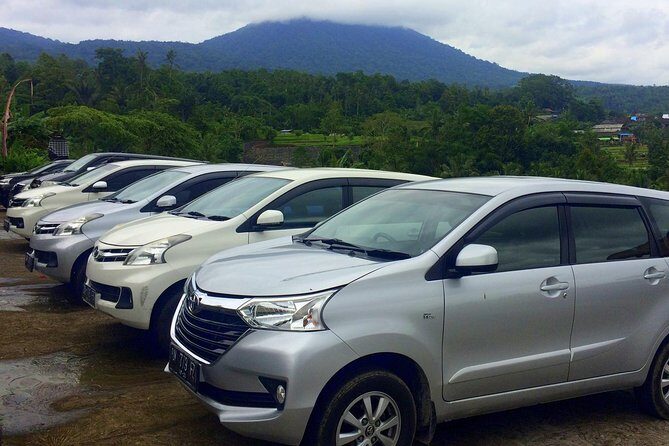
This is a chauffeured service, not a strict guided tour. Your driver is English-speaking, and you can tell them what you want. That means you should treat the first few minutes like a mini planning meeting.
In the positive examples, drivers named Wena, Budi, and Darma were described as safe, friendly, and helpful—one even came prepared for the weather. That sort of competence matters more than people expect. In Bali, safe driving and smart timing can reduce stress a lot.
In one less positive case, a driver named Irwan didn’t add much cultural context or suggestions, and it left people unsure about what they were looking at. My advice is simple: don’t wait for inspiration—ask direct questions like:
- Which stop is best today given traffic and timing?
- What should I watch for at this temple?
- Is there a quieter route or a better arrival time?
If you do that, your day turns from sightseeing into actual learning.
How to pace 1 to 10 hours without feeling rushed
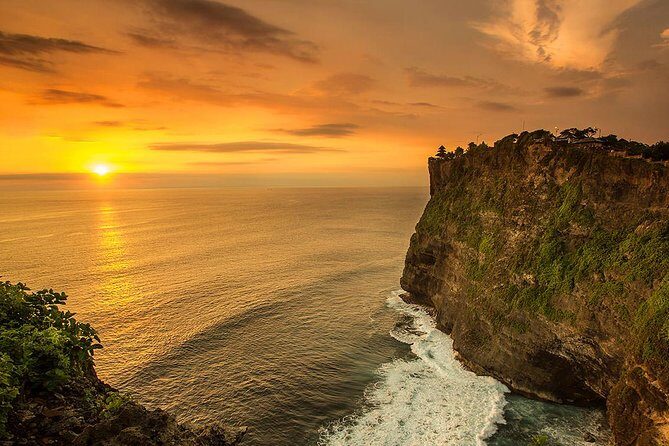
The charter runs from 1 to 10 hours (approx.). In practice, you’ll get the best day when you pick a theme and limit the number of major “walking” stops.
Here’s a pacing approach that works well:
- If you have 1–3 hours, pick just 2 nearby sights and plan for photos + a short walk
- For 4–6 hours, do one temple cluster and one scenic area (rice terraces or waterfall)
- For 7–10 hours, you can mix the classics (water temple + rice terraces + Ubud center + a natural walk)
Also, build in a little buffer time for the parts that take longer than expected: parking, ticketing, and getting from the gate to the main area. Bali days have a rhythm, and if you’re constantly moving, you’ll miss it.
Stop 1: Batuan’s Traditional Balinese House Compound and what to look for
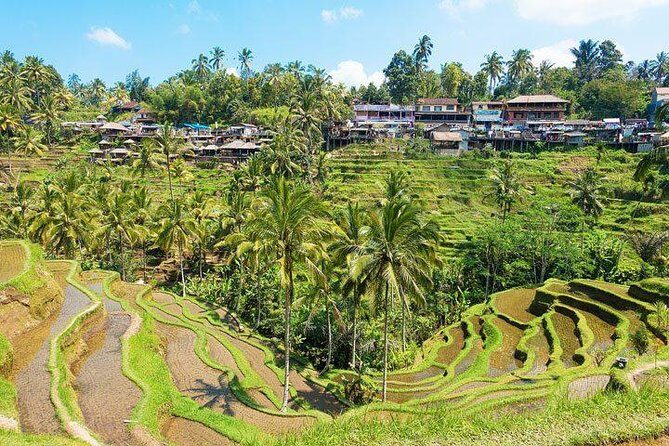
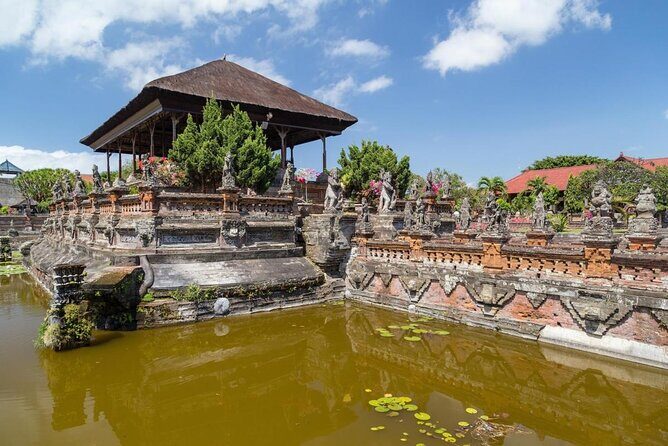
Your day can start in Batuan (Gianyar Regency), a village area known for traditional architecture. The Traditional Balinese House Compound is described as built mostly using Balinese architectural design, and it’s about 45 minutes from Denpasar airport (so it gives you a sense of how these areas sit around Ubud).
What you’ll like here is the scale and layout. Even if you’re not reading every label, you can notice how the compound is organized and how the design ties into Balinese daily life. It’s also a nice switch from temples—less ceremonial, more everyday culture.
The drawback: admission isn’t included, so you’ll want to treat this as a “quality cultural stop,” not a quick drive-by. If you’re short on time, choose whether this or Batuan Temple feels more meaningful to you.
You can also read our reviews of more tours and experiences in Ubud




Stop 2: Batuan Temple for a quieter, local shrine feel
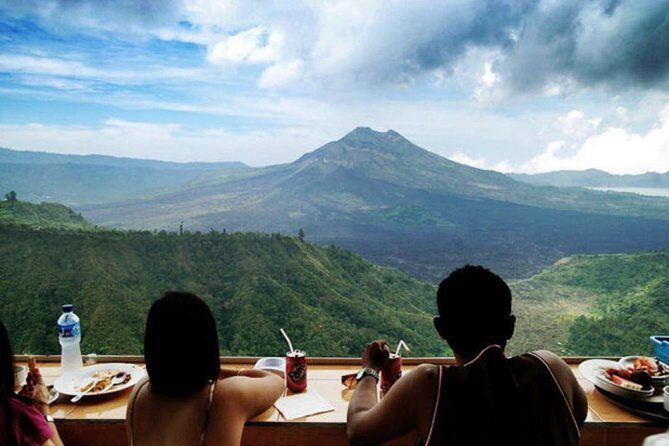
Next up is Batuan Temple—a Hindu shrine set in the center of Batuan Village, described as “secret” and used for local worship. It’s positioned beside the main road from Denpasar to Ubud, which makes it easy to fit into a route without major detours.
This stop is valuable because it feels less like a performance for visitors and more like a place locals actually use. That difference can change the whole mood of your trip.
What to consider: it’s still a sacred site, so you’ll want to be respectful with your time there—short photos, quiet observation, and no treating it like a theme park.
Stop 3: Tegenungan Waterfall—easy access, big water, and a real swim option
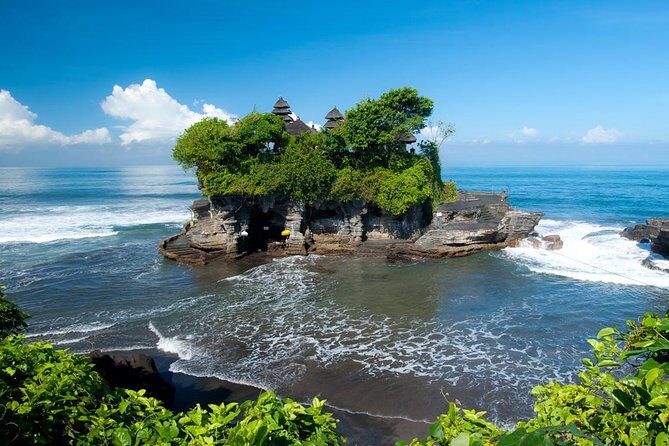
Tegenungan Waterfall is a popular, easily accessible waterfall near Ubud, known for a powerful flow and lush jungle setting on the Petanu River. One practical perk is that there’s a refreshing natural pool where swimming is possible.
This is one of those stops where you can tailor your day:
- If you want photos only, plan a short visit and move on
- If you want to cool off, you’ll need extra time for changing and watching footing
The main consideration is that even though it’s easy to reach, it can take longer than expected once you’re there—crowds, walking paths, and the time it takes to get a clean view.
Stop 4: Goa Gajah (Elephant Cave) for archaeology and atmosphere
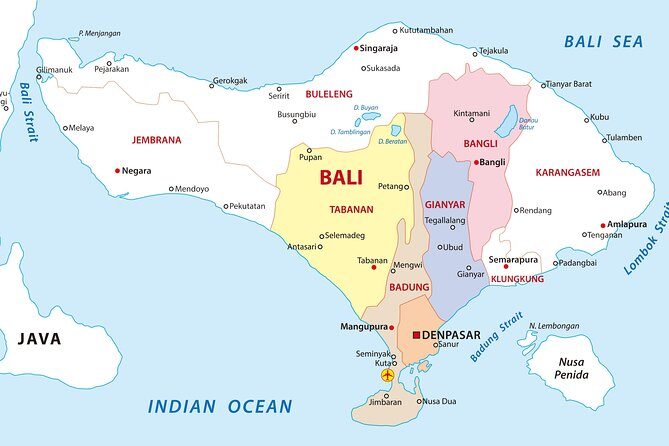
Goa Gajah, often called the Elephant Cave, is an archaeological site about 6 km from central Ubud. The name can be misleading, and that’s part of why it’s interesting—you’re going to see the site’s meaning beyond the nickname.
This stop works well when you want a break from pure scenery and want something more structured. It’s not just a view. It’s a place with history and a physical sense of age.
Entrance fees aren’t included, so it’s best used when you actually want to spend time on-site rather than squeezing it between bigger sights.
Stop 5: Mount Kawi for rice-valley scenery and ten temple structures
Gunung Kawi Temple Tampaksiring sits in a river valley surrounded by rice fields and jungle. It includes a collection of ten candi, and it’s described as a favorite day trip route for years.
What makes this special is the combination: temple structures plus a landscape that looks made for slow wandering. You’ll often remember the setting even if you only spend a little time at each structure.
Consideration: because it’s in a valley, you may spend time walking between parts. If your day is already packed, this can become the stop that steals minutes from other places.
Stop 6: Mengening Temple for a quieter water-temple feel
Pura Mengening is described as one of Bali’s less-visited spiritual places, tucked away in the shadows of more popular sites. It’s described as an oasis, and that word fits: it’s meant for slowing down rather than rushing through.
This is a great choice if you want one genuinely calmer stop during a big “Best of Bali” day. It also pairs well after busier temples, because the shift in atmosphere helps you reset.
Again, entrance fees aren’t included. But compared with many ticketed attractions, this kind of quiet time is usually what makes the whole day feel worth it.
Stop 7: Tirta Empul—holy spring water and the ritual of melukat
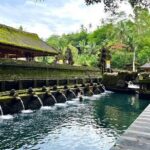
Tirta Empul Temple is a major water temple near Ubud, known for holy spring water used in purification rituals called melukat. You cleanse yourself under 30 spouts, which devotees use as part of the ritual practice.
If you’re curious about why Bali is so different from beach tourism, this stop usually gives you the clearest connection. It’s not just water. It’s water with purpose, and the ritual shape gives you context for what you’re seeing.
Entrance fees aren’t included, so plan for that cost. Also, because it’s a living religious site, you’ll want to follow posted rules and keep your behavior calm and respectful.
Stop 8: Gunung Kawi Sebatu for peace away from the crowd
Pura Gunung Kawi Sebatu is described as radiating peace and spiritual energy, far from the bustling feel of more central tourist zones. It’s positioned as a serene sanctuary where you can pause and take in the water-temple setting.
This is a strong “mental break” stop after more active sightseeing. It also helps you balance your day so it doesn’t feel like a checklist.
Because tickets aren’t included, treat this as an intentional visit. If you’re just hunting for a photo, you might be disappointed by how quiet and slow-paced it is.
Stop 9: Tegalalang Rice Terraces for views shaped by traditional irrigation
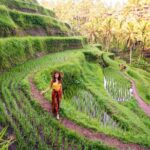
Tegalalang Rice Terrace is famous for emerald-green stepped paddies shaped by the traditional Subak irrigation system. It’s one of the best places around Ubud to understand that Bali’s beauty isn’t accidental—it’s planned and maintained.
This is also your best chance for classic “Bali postcard” photos, but don’t skip the learning element. Look for how the paddies are organized, and the way people farm in a system rather than random plots.
Time-wise, it’s usually manageable—there’s enough to see in about 30 minutes, especially if your driver helps you pick a viewpoint quickly.
Stop 10: Happy Swing Bali if you want thrill plus terrace scenery
If you like active photo stops, Happy Swing Bali (part of Bali Swing) is the place. It features giant swings over lush rice terraces and multiple swing options, with that very recognizable Instagram-style look.
It’s not a cultural site. It’s an adventure and photo experience. That’s fine. Just be honest about what you’re there for.
Also factor in energy and time. If the lineup is slow or you choose multiple swings, it can run longer than planned.
Stop 11: Campuhan Ridge Walk for fresh air above the valley
The Campuhan Ridge Walk is a scenic ridge-line trail above a green valley below. It’s described as one of Ubud’s most popular natural trails, and it’s ideal when you want movement without a big ticket or heavy commitment.
A short visit (around 30 minutes) can be enough to feel like you escaped the town, especially if you pair it with a calmer temple stop first.
The only real consideration: timing matters. If you arrive during harsh heat or less comfortable conditions, the walk can feel longer than it is.
Stop 12: Saraswati Temple (Ubud Water Palace) for a free-to-enter lotus pond
Pura Taman Saraswati, also called the Ubud Water Palace, is described as free to enter and dedicated to Dewi Saraswati, the goddess of knowledge. It’s known for a lotus pond and intricate design details.
This is a perfect “value” stop because you get a strong cultural setting without paying an admission fee. It also works well as a reset point in the middle of a longer day.
Give yourself enough time to look closely at the pond and surrounding areas. Even a short stop feels meaningful here.
Stop 13: Ubud Palace for traditional architecture and performances
Ubud Palace (Puri Saren Agung) is a historic royal residence with traditional Balinese architecture and intricate carvings. It’s also described as a hub for cultural performances like nightly shows.
This stop is best when you want a sense of old Ubud, not just nature. Even if you don’t catch a performance, the architecture alone gives you a stronger “place” feeling.
Entrance fees aren’t included, so again: choose it as a planned stop, not an afterthought.
Stop 14: Ubud Art Market for practical browsing and local shopping
The Ubud Art Market (Pasar Seni Ubud) is a traditional marketplace in central Ubud. You’ll find local handicrafts, souvenirs, clothing, wood carvings, and textiles, and it’s right in the center.
This is the place to buy small items without committing to a single showroom. It’s also useful for snacks and browsing if you’re building a flexible day around breaks.
Consideration: it can be busy in the market area, and time can expand if you enjoy shopping. If you’re trying to keep the day tight, set a rough limit and stick to it.
Stop 15: Sacred Monkey Forest Sanctuary for temples and long-tailed macaques
The Sacred Monkey Forest Sanctuary (Mandala Suci Wenara Wana) is home to over 1,200 long-tailed macaques and includes ancient temples like Dalem Agung Padangtegal. It also includes lush areas such as nutmeg trees, which helps the forest feel more natural than just a zoo-like attraction.
This stop is fun, but it’s also one where you should plan your behavior. Expect monkeys to be present and pay attention to how close you get.
You’ll likely want this as a shorter visit (around 30 minutes) unless you love wildlife and forest walks. It’s popular, so timing affects the comfort of your experience.
The real “Best of Bali” strategy: choose your mix, not every stop
With so many options packed into a “best of” day, the trick is selection. Your private car charter is built for choice, so use it.
Here’s how I’d mix it depending on your vibe:
- Culture-forward day: Batuan House Compound + Batuan Temple + Goa Gajah + Tirta Empul + Saraswati Temple
- Nature and scenery day: Tegenungan Waterfall + Tegalalang Rice Terraces + Campuhan Ridge Walk
- Balanced day: Mount Kawi + Tirta Empul + Tegalalang + Monkey Forest
And one more practical tip: ask your driver to factor traffic into the order. A less ideal experience happens when you keep jumping across town without a route logic. When that route logic clicks, the day feels effortless.
Finally, be ready for entrance fees. Even though many sites are great, tickets add up. The one clear money-saver in this route is Saraswati Temple, described as free to enter—so build that into your plan.
Should you book this private car charter from Ubud?
Book it if you want a private, flexible Bali day where you pick the stops, control the time, and keep your group together. It’s especially worth it if you hate wasting hours coordinating rides or you want a chauffeur who can suggest a sensible itinerary.
Skip it (or trim your plan) if you’re the type who tries to do everything in one go. The day can run up to 10 hours, but traffic and walking are real. If you keep your selection smart—2 to 5 major stops plus a couple smaller ones—you’ll get a day that feels fun, not frantic.
If you book, do one thing before you head out: tell your driver what you care about—culture, nature, photos, or a mix—and ask for their order of operations. Drivers like Wena, Budi, and Darma were described as safe and helpful, and that kind of teamwork is what turns a car rental into a real Bali day.
FAQ
How long is the private car charter experience?
It runs for 1 to 10 hours (approx.), depending on what you choose for your day.
Where is this tour based?
The location is Ubud, Indonesia, with pickup offered.
Is the car charter private or shared with other groups?
It is private—only your group participates, and there is no ride sharing.
What’s included in the price?
Included features are a private tour service, an air-conditioned vehicle, an English-speaking driver, tour service up to 10 hours, and service & government tax.
Are entrance fees included for the sights?
No. Entrance fees of tourism places are not included.
Do I need to arrange tickets myself?
You’ll receive a mobile ticket, but entrance fees for specific places are still not included.
Can I choose where to go and how long to stay?
Yes. You manage your own itinerary—choose touristy stops or off-the-beaten-track areas, and tell the driver what you want.
What’s the cancellation policy?
There is free cancellation. You can cancel up to 24 hours in advance for a full refund. Less than 24 hours before start time is not refundable.