REVIEW · UBUD
Mount Agung Sunrise Trekking with Local Guide
Book on Viator →Operated by Mount Agung Trekking · Bookable on Viator
Sunrise on Mount Agung starts before midnight. This is a guided hike up Bali’s highest peak, built around reaching the summit for dawn, with photo stops along the way. Guides like Juna get praise for staying focused and careful when you’re moving through the dark.
Two things I really like about this experience are the human side and the safety brain. You’re hiking with a local professional guide who helps with wayfinding on a trail that can be hard to follow in the dark, and they understand the mountain’s cultural weight too. I also like the flexible pacing: hikers described Made and Ady as patient and encouraging, with a steady rhythm instead of a rushed sprint.
One possible consideration: this hike is physically demanding, and the climb is steeper and tougher than Mount Batur. And if you find descents nerve-wracking, you’ll want to lean on your guide’s technique, because one Mt. Agung hiker said the downhill felt intimidating until Juna guided them carefully the whole way.
In This Review
- Key highlights you’ll feel on the trek
- Entering the midnight trail toward Bali’s highest peak
- Ubud pickup and the mobile ticket basics
- What the 11:00 pm start really does to your body and mind
- Mount Agung at night: a trail that’s harder than it looks
- Stop 1: the summit experience and why dawn is the real prize
- The ascent pace: beginner-friendly only if you play smart
- Descent: the part people worry about (and the guide matters most)
- Group size and why it changes your experience
- Price and value: why $99 can feel fair
- Who this sunrise trek is best for
- The one drawback to plan around
- Should you book Mount Agung Sunrise Trekking?
- FAQ
- What time does the Mount Agung sunrise trek start?
- How long is the trek?
- Is pickup available from Ubud?
- Do I get a mobile ticket?
- Is a local guide included?
- How many people are in a group?
- Is this trek only for experienced hikers?
- How challenging is Mount Agung compared to other Bali sunrise hikes?
- What’s the cancellation policy?
Key highlights you’ll feel on the trek
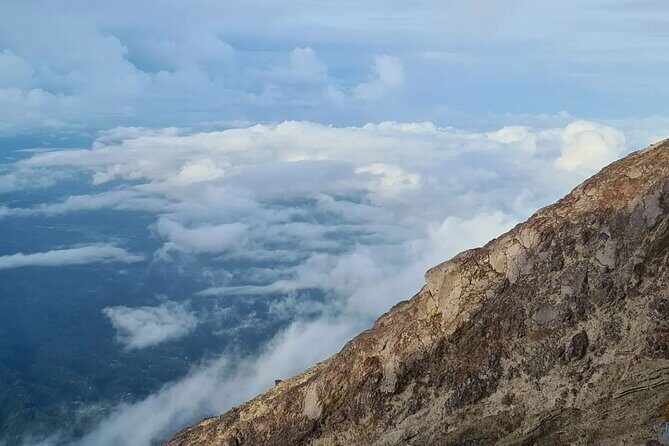
- Photo stops built into the climb so you’re not just hiking for the view, you’re taking in the scenery as you go
- A small group (max 15), which usually means less waiting and more attention on your footing
- Night navigation help on a challenging route where trail signs are easier to miss
- Dawn-at-the-summit goal for big panoramic payoff from over 3,000 meters
- Guides who guide the descent, not just the ascent, which matters more than people expect
Entering the midnight trail toward Bali’s highest peak
If you want a sunrise that feels like an achievement, Mount Agung is the right kind of challenge. The trek is timed for dawn, so you start at night (11:00 pm) and keep moving until you reach the summit when the sky is doing its best work. It’s a long day too—about 13 hours—because the mountain demands time, not shortcuts.
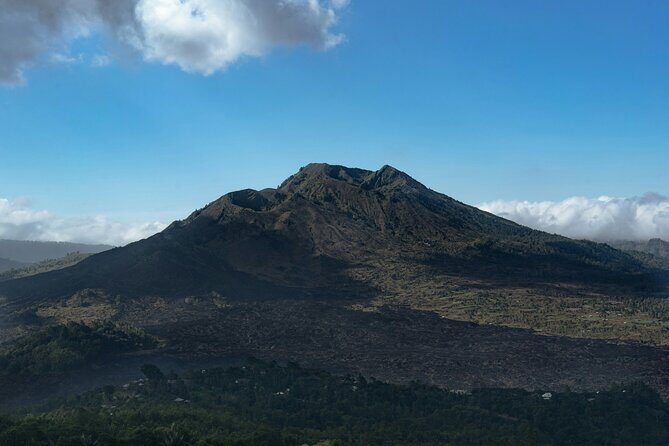
Mount Agung matters because it’s Bali’s highest peak, rising above 3,000 meters (about 9,800 feet). That altitude and that late start are why this hike feels different from a casual walk. Even if you’re a beginner, the experience is set up to be manageable, as long as you’re honest with your fitness level and you listen to your guide’s cues.
You can also read our reviews of more guided tours in Ubud
Ubud pickup and the mobile ticket basics
The trip starts from Ubud area with pickup offered, which is a quality-of-life win when you’re meeting at night. You also get a mobile ticket, which keeps things simple on your phone instead of juggling paper. After booking, you’ll receive confirmation at the time of booking.
Because it’s an 11:00 pm start, plan your evening like it’s part of the hike. Eat something earlier in the day, stay hydrated, and avoid treating the night portion like a casual stroll. This is one of those tours where you’ll enjoy it more if you sleep smart the day before.
What the 11:00 pm start really does to your body and mind
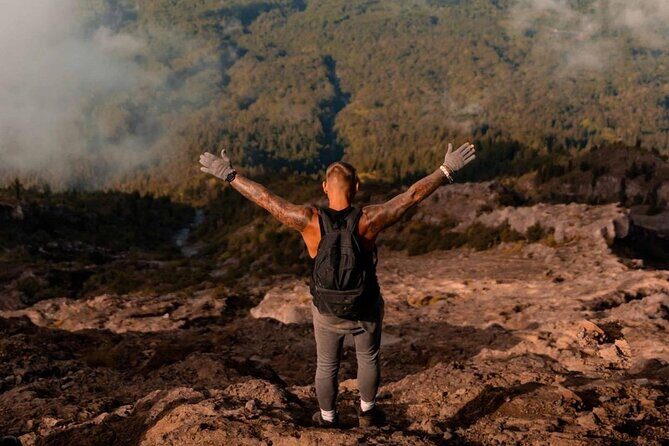
Starting so late changes the whole rhythm. First, you’re hiking in the dark for a chunk of the experience, which can make every step feel slower and more deliberate. Second, fatigue hits at different times because you’re moving when your body expects rest.
This is where a good local guide makes the biggest difference. Juna’s feedback, for example, highlights patience and attentiveness during the climb. And Kadek gets praised for allowing several breaks and offering snacks while you’re on the move. That combination—steady guidance plus realistic pacing—turns the night hike from intimidating to doable.
Mount Agung at night: a trail that’s harder than it looks
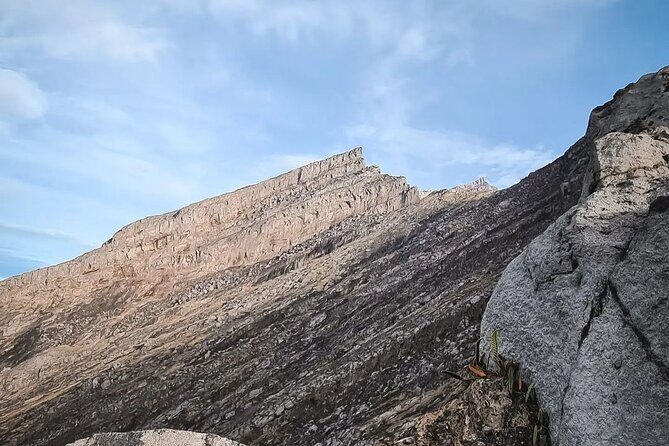
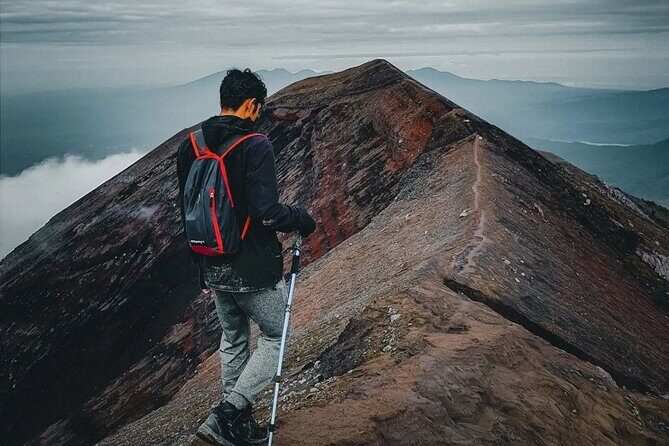
Mount Agung is steeper and more difficult than Mount Batur, so expect a workout, not a walk in the park. The route is also challenging to follow in the dark, which is why going with a guide is more than a comfort choice. Your guide helps you get your bearings fast when visibility drops and the trail isn’t obvious.
There’s also the permit reality. Climbing Mount Agung usually requires a permit, and the hike is the kind of activity where a guide’s local knowledge can save you stress. Even if you don’t think about permits day-to-day, this is a tour where it’s better handled properly from the start.
Stop 1: the summit experience and why dawn is the real prize
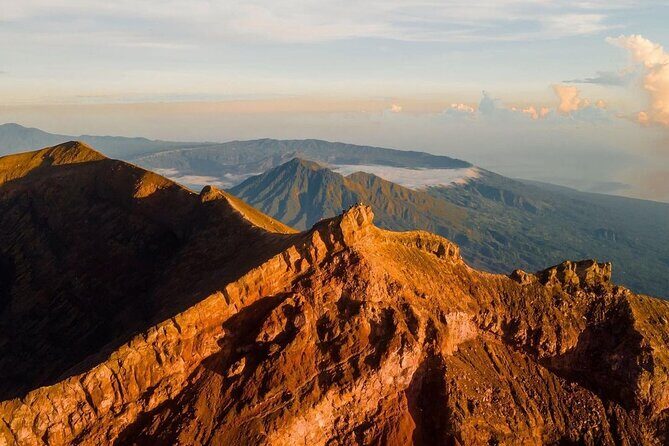
The main event is reaching the summit in time for dawn, and it’s designed to reward the effort with panoramic views. From the top, you can look out across Bali and the surrounding islands, including views toward Mount Rinjani. Sunrise here isn’t just pretty. It’s a moment that feels earned after hours of steady climbing.
This is also where the photo stops pay off. The hike includes lots of chances to pause for pictures, so you’re not sprinting past the good moments. If you’re the type who wants shots but also hates rushing, this format fits well.
Keep expectations realistic: the sky show is the highlight, but you’ll also be managing your breath, your legs, and the cold-to-early-morning shift that often comes with high-altitude dawn. The tour’s whole structure—night climb, summit timing, photo pauses—exists to help you experience the sunrise without feeling like you have to suffer quietly.
You can also read our reviews of more hiking tours in Ubud


The ascent pace: beginner-friendly only if you play smart
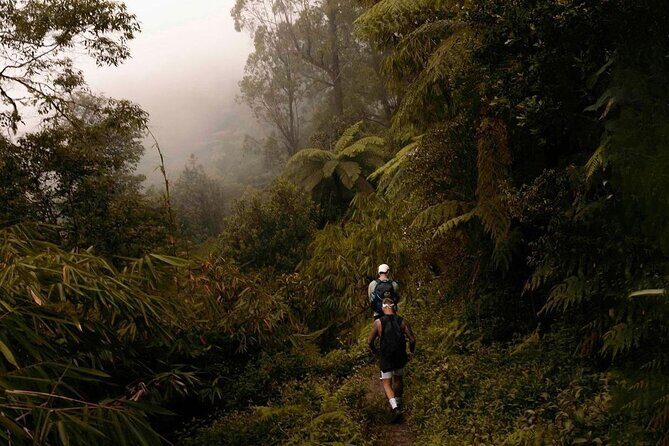
The tour is labeled as good for physically fit travelers, but it also welcomes beginner hikers. That doesn’t mean it’s easy. It means the guide approach and the pacing are designed to support newcomers who are willing to work.
Here’s the smart way to approach it: go slower than you think you need to go, especially in the beginning. Save your energy for the later sections where fatigue can make footing feel awkward. If your guide offers breaks, take them. One Mt. Agung hiker described Kadek as kind and experienced, with multiple breaks and snacks, and that kind of support matters when you’re new to altitude or steep climbing.
Descent: the part people worry about (and the guide matters most)
A lot of people focus on reaching the summit. The descent is where things can get tricky. It’s easy to underestimate how taxing going downhill can be on knees, ankles, and balance.
Juna’s praised attention came through during the descent. One hiker said it was intimidating for them, but Juna guided carefully the whole way, and they didn’t even fall. That’s a big deal. You’ll get far more value from a guide who stays present after the summit than one who treats the climb like the finish line.
Group size and why it changes your experience
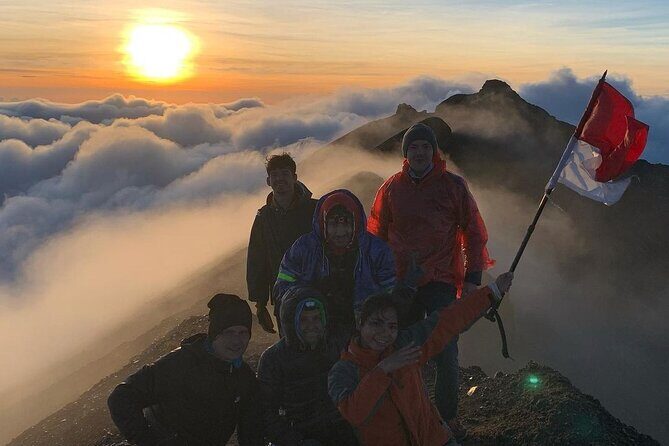
This tour caps at a maximum of 15 travelers. Smaller groups can mean fewer delays, easier movement on narrow sections, and more chance for your guide to check in on how everyone is doing. In a night hike, that kind of attention helps you feel supported.
It also helps the whole day move with less chaos. Sunrise tours have tight timing, and you don’t want a big crowd creating stress when you’re trying to reach the summit at the right moment.
Price and value: why $99 can feel fair
At $99 per person, the value comes from the essentials you’re getting alongside the sunrise payoff. You’re not only buying access to a viewpoint. You’re buying a professional local guide, help with navigation in the dark, and support through both the climb and descent.
That matters because Mount Agung is not a trivial hike. It’s higher, steeper, and harder to follow in darkness than many other Bali options. The guides in the feedback—like Made and Ady for warmth and encouragement, or Kadek for breaks and snacks—show that the experience isn’t just logistics. It’s also the way the guide manages people who are tired, nervous, or both.
Who this sunrise trek is best for
This is a great match if you want a real challenge and you like the idea of earning a view. If you’re fit, the climb will feel like a satisfying effort. If you’re newer to hiking, the beginner welcome can work—as long as you’re ready for steep sections and follow your guide’s pace.
It’s also ideal if you care about safety and guidance during the descent. The positive feedback around careful downhill coaching is the kind of detail that tells you this isn’t a let-me-drop-you-off tour.
The one drawback to plan around
You’re signing up for late-night effort, and that can affect comfort and mood. Starting at 11:00 pm means you should expect the day to be long, with energy management as part of the experience. Also, because the climb is steeper than Mount Batur, you should treat it as a serious hike rather than a casual sunrise outing.
If that sounds stressful, you might prefer a less demanding sunrise option. But if you’re drawn to Mount Agung specifically, this trek’s guided approach is the reason many people say it’s a highlight.
Should you book Mount Agung Sunrise Trekking?
Book it if you want a sunrise that feels earned, with lots of chances to pause for photos and a guide who stays engaged through the whole hike. The best evidence in the feedback isn’t just about the view. It’s about people feeling safe, supported, and carefully handled—especially on the descent. Juna, Made and Ady, and Kadek all show up as examples of patient, attentive guiding styles.
Skip it or consider alternatives if you know you struggle with steep hikes or if the idea of hiking in the dark stresses you out. This is doable for beginners, but only with a realistic fitness base and a willingness to move at the guide’s pace.
If you do book, you get flexibility too: free cancellation is available up to 24 hours in advance for a full refund. That’s useful when you’re juggling weather, energy levels, or a busy Bali schedule.
FAQ
What time does the Mount Agung sunrise trek start?
The start time is 11:00 pm.
How long is the trek?
It runs about 13 hours (approx.).
Is pickup available from Ubud?
Yes, pickup is offered.
Do I get a mobile ticket?
Yes, a mobile ticket is included.
Is a local guide included?
Yes, the hike is led by a professional local guide.
How many people are in a group?
The maximum group size is 15 travelers.
Is this trek only for experienced hikers?
It’s geared toward physically fit travelers, but beginner hikers are welcome too, as long as you’re prepared for a challenging climb.
How challenging is Mount Agung compared to other Bali sunrise hikes?
The climb is steeper and more difficult than Mount Batur, and it requires stamina to reach the summit.
What’s the cancellation policy?
You can cancel for a full refund up to 24 hours before the experience’s start time. If you cancel less than 24 hours before, the amount paid isn’t refunded.